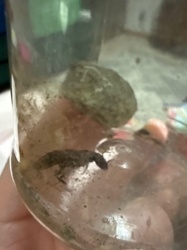
Dragonfly Nymph Identification Guide
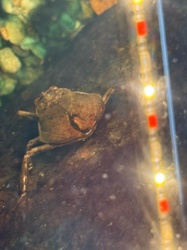
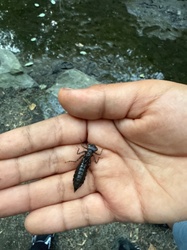
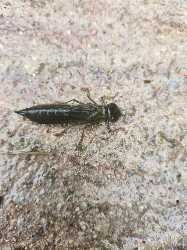
Learn to identify a dragonfly nymph by its stocky, armored body, large eyes, and extendable hinged jaw used to snatch prey.
Read the full Dragonfly Nymph encyclopedia entry →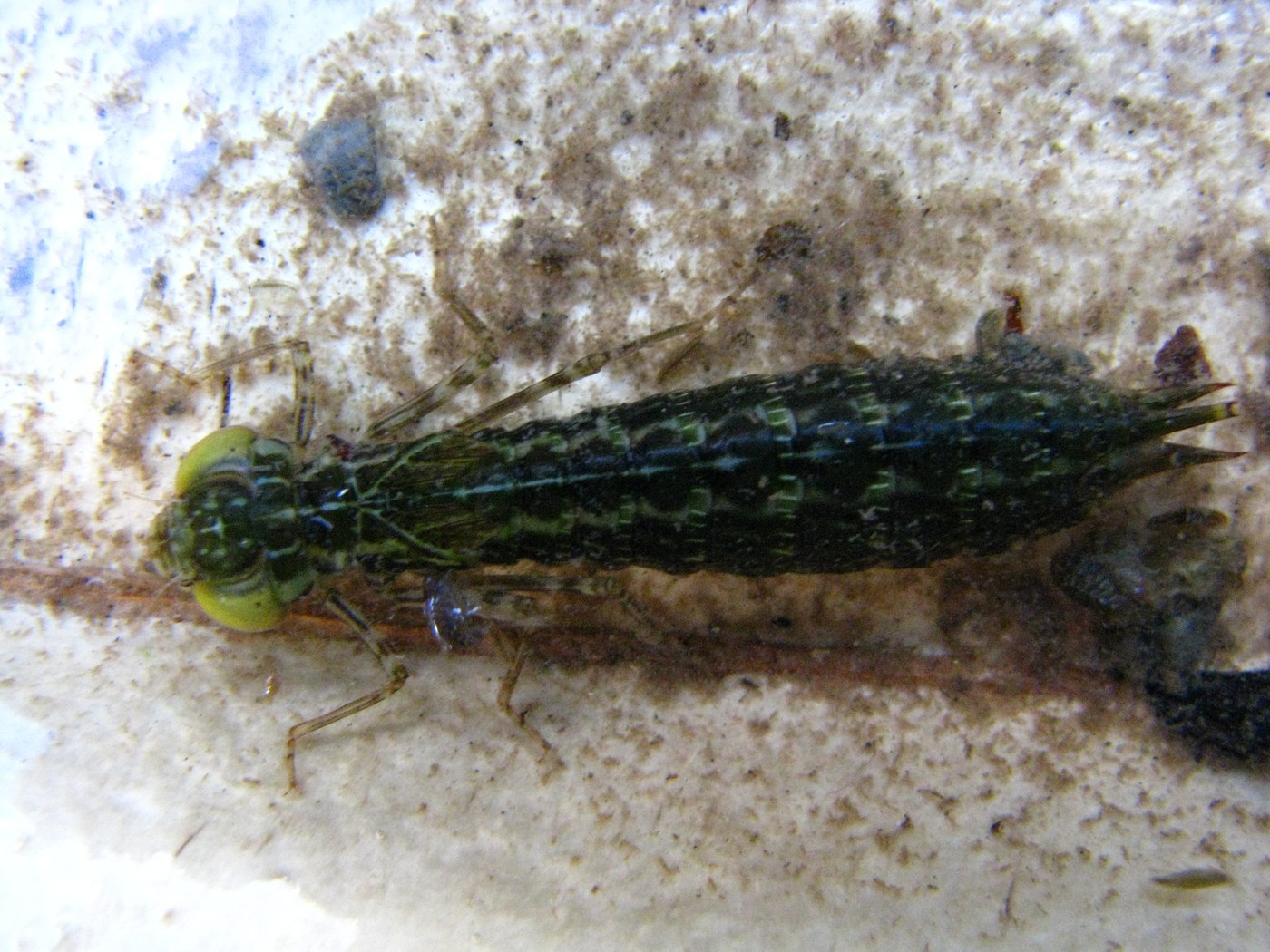
Key Visual Features
Dragonfly nymphs (naiads) are aquatic and look quite different from the adults they will become.
- Size: Varies by species, generally 0.5-2 inches (13-50 mm) long, with a bulky, robust build.
- Body shape: Stocky, broad, and somewhat rounded body without the slender wings or tail filaments seen in some other nymphs; the abdomen ends in short, blunt points rather than long thread-like tails.
- Coloring: Mottled brown, olive, or gray tones that blend with pond or stream sediment.
- Eyes: Large, prominent compound eyes set on a wide head, giving good all-around vision.
- Jaw: A distinctive hinged lower lip (labium) folds under the head at rest and shoots forward rapidly to grab prey — this extendable "mask" is a defining feature of all dragonfly and damselfly nymphs.
- Legs: Six sturdy legs used for crawling and clinging rather than swimming, though many species can also propel themselves by forcefully expelling water from the abdomen (jet propulsion).
- No external gills: Unlike damselfly nymphs, dragonfly nymphs breathe through internal gills inside the rectum rather than external tail gills.
Where and When You'll See It
Dragonfly nymphs live in ponds, lakes, slow streams, and marshes, often hidden among submerged vegetation, leaf litter, or bottom sediment, where they blend in and ambush passing prey. They can be found year-round in many climates since the nymphal stage often lasts from several months to a few years depending on species. They are most easily spotted while pond-dipping or examining submerged debris, as they tend to stay still and camouflaged rather than actively swimming in the open.
Similar-Looking Bugs
- Damselfly nymph: Slimmer body with three long, leaf-like external gill filaments at the tail tip, versus the stockier, tail-less abdomen of a dragonfly nymph.
- Mayfly nymph: Has three thread-like tail filaments and rows of external gills along the sides of the abdomen, both absent in dragonfly nymphs.
- Stonefly nymph: Two tail filaments and a flatter body, without the hinged extendable jaw of a dragonfly nymph.
Quick ID Checklist
- Stocky, broad body without long tail filaments
- Large compound eyes on a wide head
- Hinged, extendable lower jaw folded under the head at rest
- Mottled brown or olive camouflage coloring
- Found clinging to submerged vegetation or debris in still or slow water
Frequently asked questions
What is the single best feature for identifying a dragonfly nymph?
The hinged, extendable lower jaw (labium) that folds under the head and shoots forward to grab prey is unique to dragonfly and damselfly nymphs and is the clearest identification feature.
How do dragonfly nymphs differ from damselfly nymphs?
Dragonfly nymphs have a stockier body without tail filaments, while damselfly nymphs are slimmer and have three leaf-like gill filaments extending from the tail tip.
How do dragonfly nymphs breathe underwater?
They have internal gills located inside the rectum, drawing water in and out of the abdomen tip rather than using external gill filaments.
Where are dragonfly nymphs typically found?
They live in ponds, lakes, and slow streams, usually hidden among submerged plants, leaf litter, or bottom sediment.
Dragonfly Nymph identified by the community
Recent Dragonfly Nymph finds identified with Bug Identifier.