
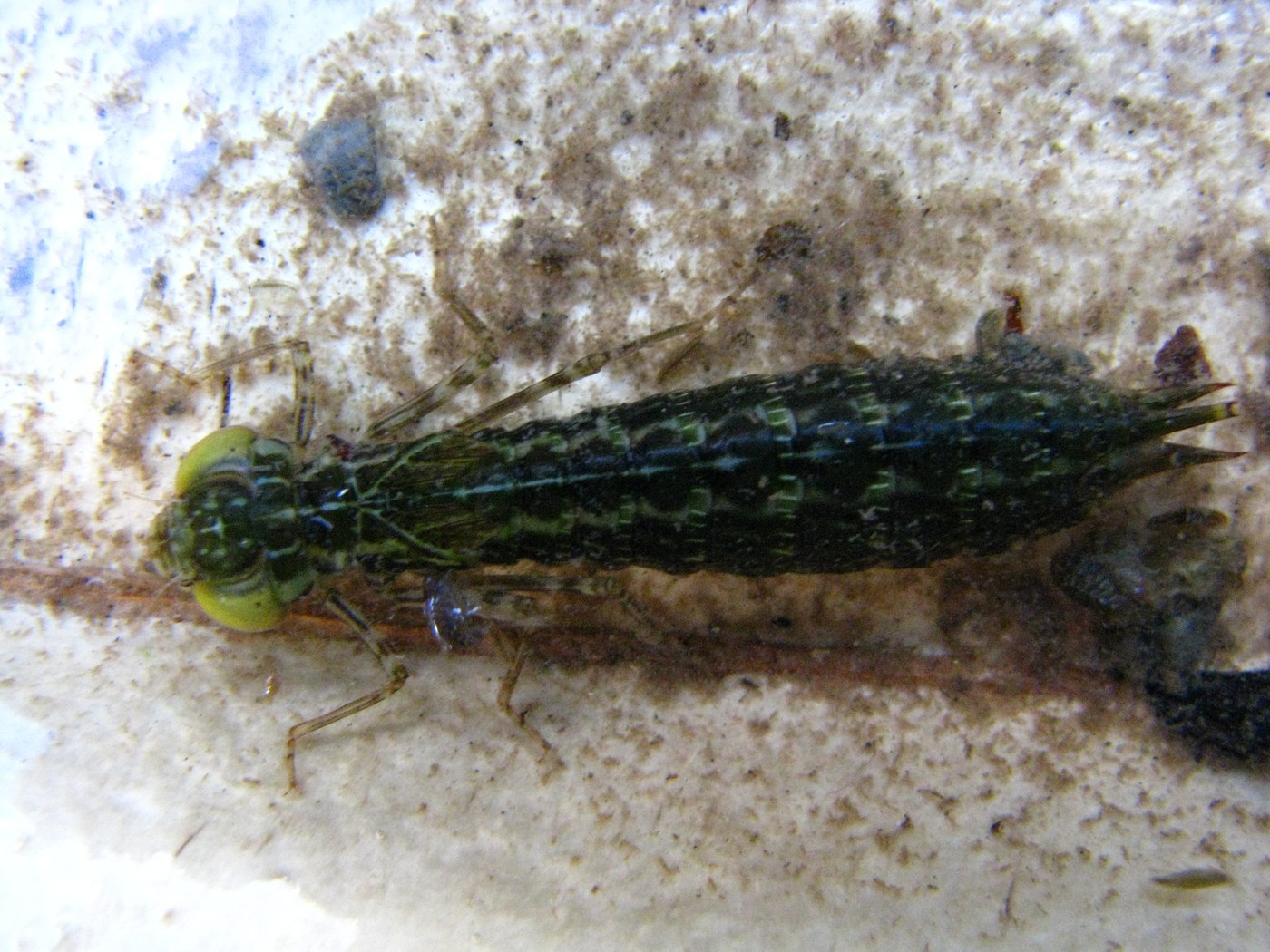
Dragonfly Nymph
Anisoptera spp.
A stocky, camouflaged underwater predator that spends months or years stalking prey along the pond bottom before transforming into an aerial dragonfly.
- Size
- 15-50 mm
- Habitat
- Ponds, lakes, and slow-moving streams
- Danger
- Harmless
Spotted a bug like this?
Identify any bug or insect from a photo, free.
Overview
Dragonfly nymphs, also called naiads, are the aquatic immature stage of dragonflies in the suborder Anisoptera. Unlike the brightly colored, fast-flying adults, nymphs are drab, robust, and entirely aquatic, spending the majority of a dragonfly's life cycle hidden among submerged vegetation or debris on the bottom of ponds and streams.
Nymphs are equipped with a highly specialized hinged lower lip called a labium, which can shoot forward in a fraction of a second to grasp prey, a feature they share with damselfly nymphs. Dragonfly nymphs are generally stockier and broader-bodied than the more slender damselfly nymphs, and they breathe using internal gills located within the rectum rather than external gill filaments.
Depending on the species and local climate, the nymphal stage can last anywhere from a few months to several years, making it by far the longest phase of a dragonfly's life, with the winged adult stage lasting only weeks to a few months by comparison.
How to Identify
- Nymphs are 15-50 mm long depending on species, with a stout, somewhat flattened body and six sprawling legs.
- Coloring is typically mottled brown, olive, or gray, providing camouflage against pond sediment and debris.
- No external tail gills are present, distinguishing them from damselfly nymphs; instead, gills are internal.
- Large eyes and a hinged, extendable labium (lower lip) folded beneath the head are diagnostic features used to capture prey.
- Wing pads become more visible on the back as the nymph approaches its final instars.
- Lookalikes include damselfly nymphs, which are more slender with three feathery external gills projecting from the tip of the abdomen.
Habitat & Range
Dragonfly nymphs are found in freshwater habitats worldwide, including ponds, lakes, marshes, and slow-moving sections of streams and rivers. They typically live among submerged vegetation, leaf litter, or bottom sediment, where their camouflage helps them ambush prey. Nymphs can be found year-round in permanent water bodies, with emergence of adults concentrated in spring and summer in temperate regions.
Behavior & Diet
Dragonfly nymphs are ambush predators, lying motionless until prey comes within range and then striking with their extendable labium, which shoots forward to seize the target and draw it back to the mandibles. They feed on a wide range of aquatic invertebrates, small fish, and tadpoles, making them significant predators within pond and stream food webs. Nymphs breathe by drawing water into the rectum, where internal gills extract oxygen, and some species can even expel this water forcefully to jet-propel themselves away from danger. As both predator and prey, nymphs are consumed by fish, other larger nymphs, birds, and amphibians, linking them to multiple levels of the aquatic food web.
Life Cycle
Eggs are laid in or near water, either inserted into plant tissue or scattered directly into the water depending on species. Nymphs hatch and undergo gradual metamorphosis through numerous instars, molting repeatedly as they grow over a period ranging from several months to a few years. In the final instar, the nymph climbs out of the water onto emergent vegetation or a rock, where its skin splits and the winged adult dragonfly emerges and expands its wings before flying off. Most temperate species overwinter as nymphs underwater, with only the adult stage occurring above the water's surface.
Frequently asked questions
How long do dragonflies stay in the nymph stage?
It varies widely by species and climate, ranging from a few months to several years, making the nymph stage far longer than the winged adult stage.
How does a dragonfly nymph catch prey?
It uses a hinged, extendable lower lip called a labium that shoots forward rapidly to grasp prey and pull it back to the mouth.
How can you tell a dragonfly nymph from a damselfly nymph?
Dragonfly nymphs are stockier with internal gills and no tail appendages, while damselfly nymphs are slimmer with three feathery external gills at the tip of the abdomen.
Where do dragonfly nymphs live?
They live underwater in ponds, lakes, and slow streams, usually hiding among vegetation or sediment on the bottom.
Dragonfly Nymph guides
In-depth guides for identifying, understanding, and living alongside Dragonfly Nymph.
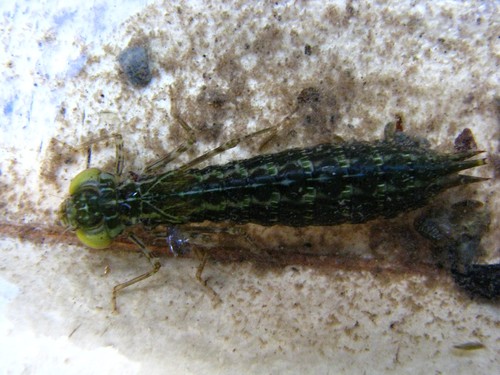
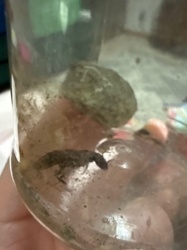
Dragonfly Nymph identified by the community
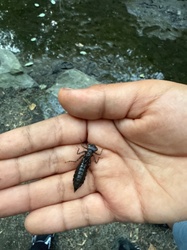
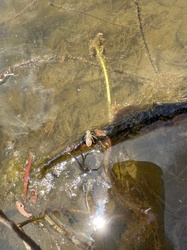
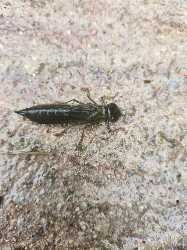
Real finds identified with Bug Identifier.

Other bugs you may enjoy
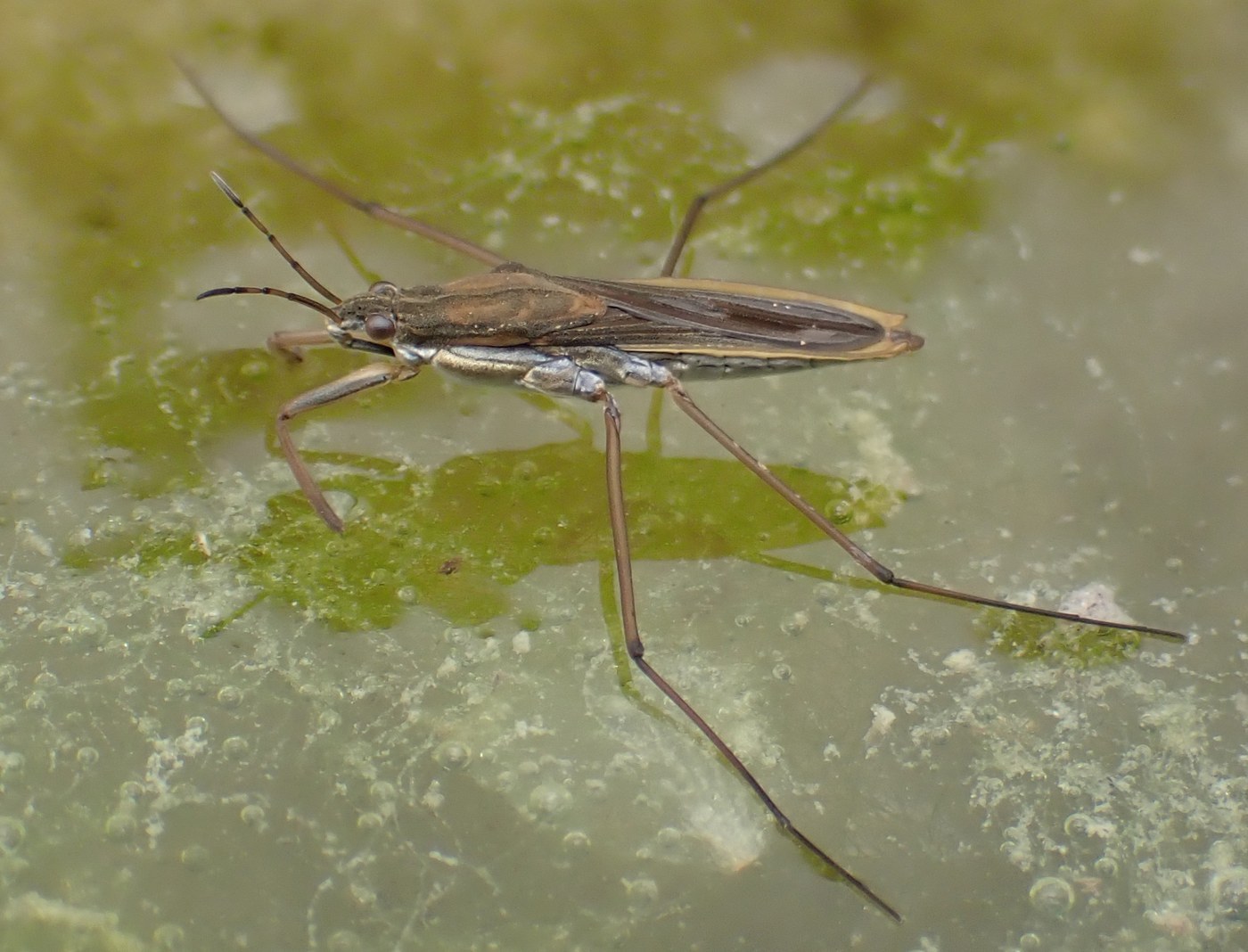
Water Strider
Still or slow-moving fresh water: ponds, lake edges, slow streams, puddles
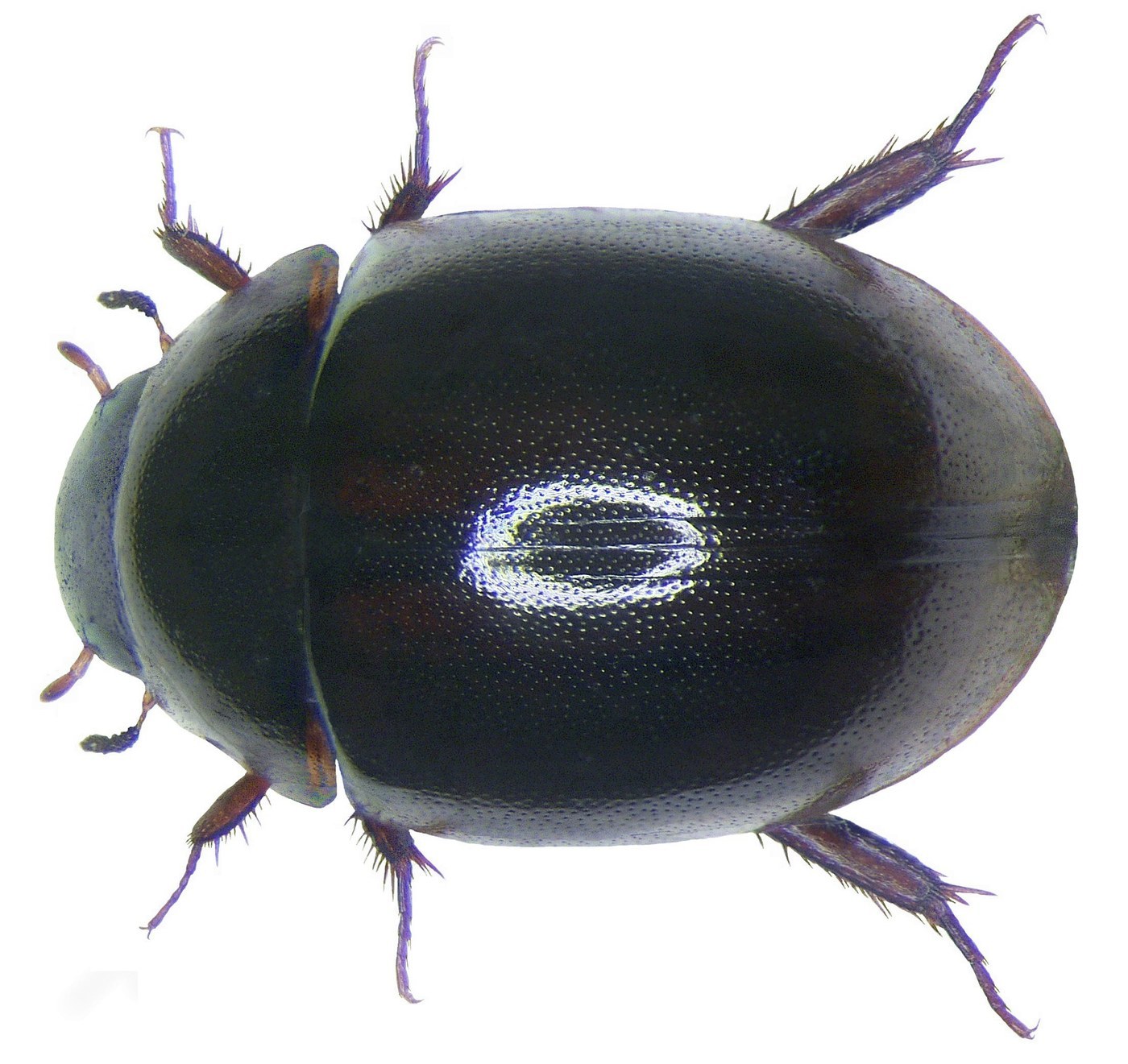
Water Beetle
Ponds, slow streams, marshes, still fresh water
Water Penny Beetle
Fast, rocky, well-oxygenated streams
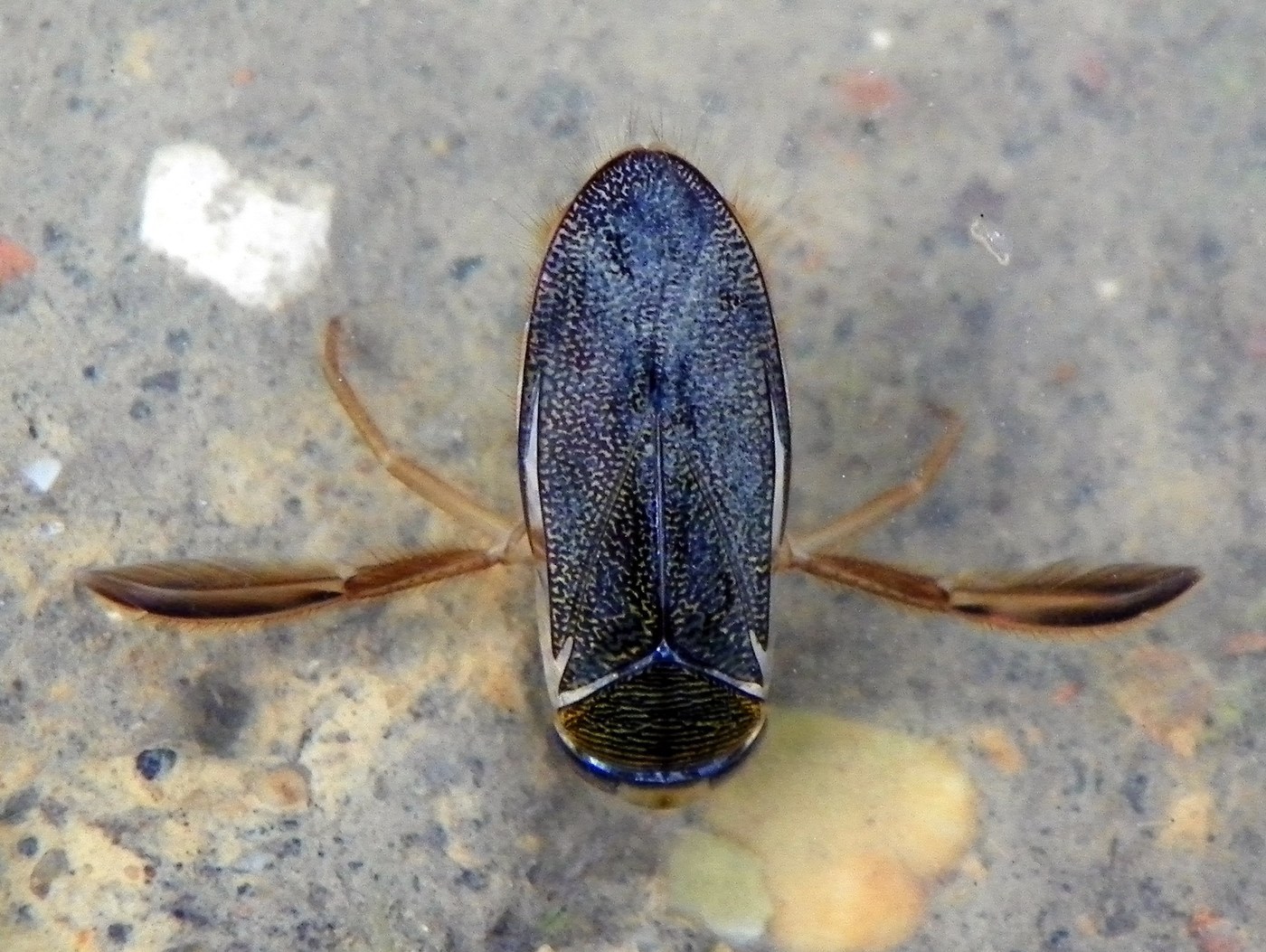
Water Boatman
Ponds, lakes, slow streams, freshwater with vegetation
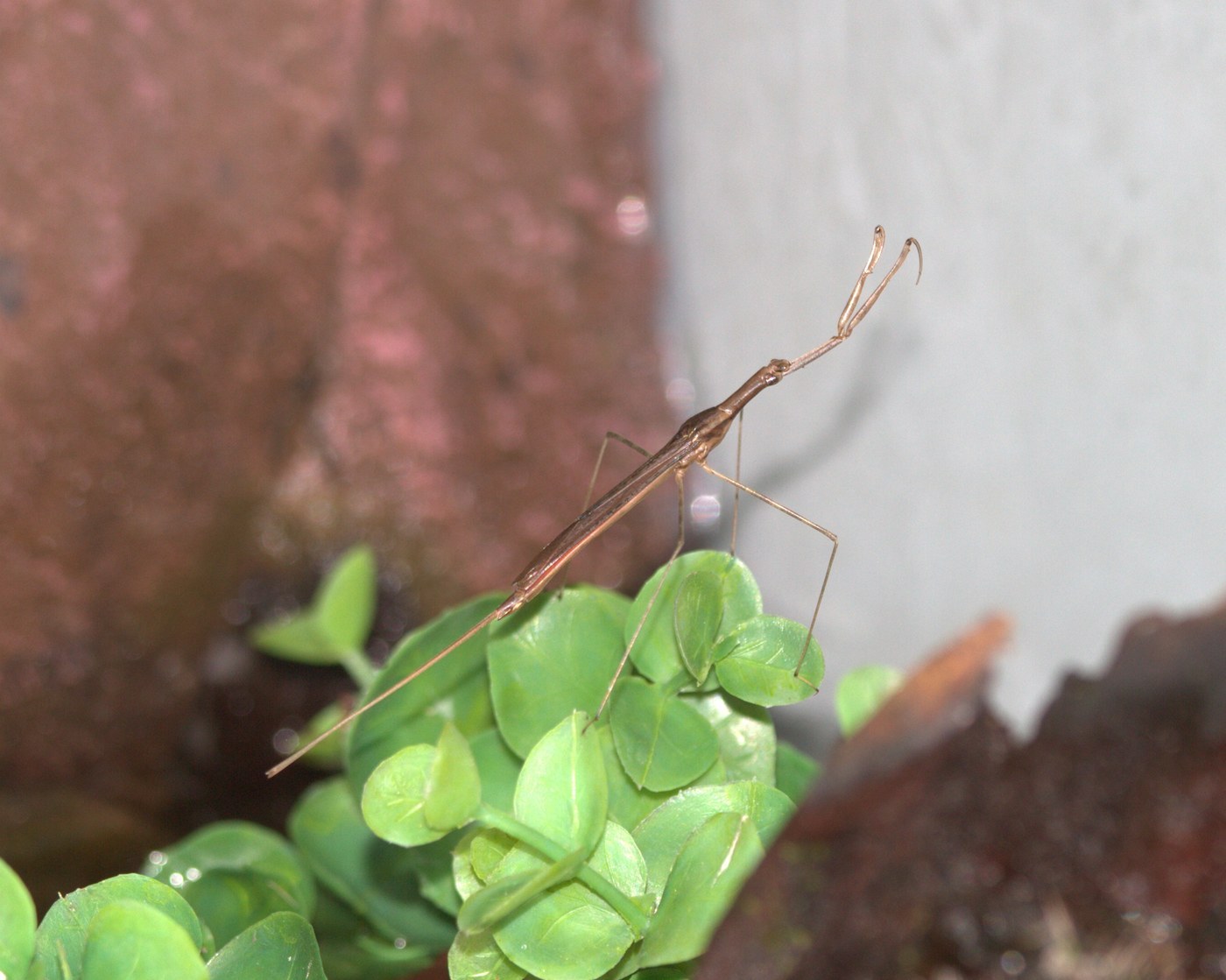
Water Scorpion
Still or slow-moving water with submerged vegetation
Stonefly
Cold, clean, well-oxygenated streams and rivers
Stonefly Nymph
Cold, fast-flowing, well-oxygenated streams
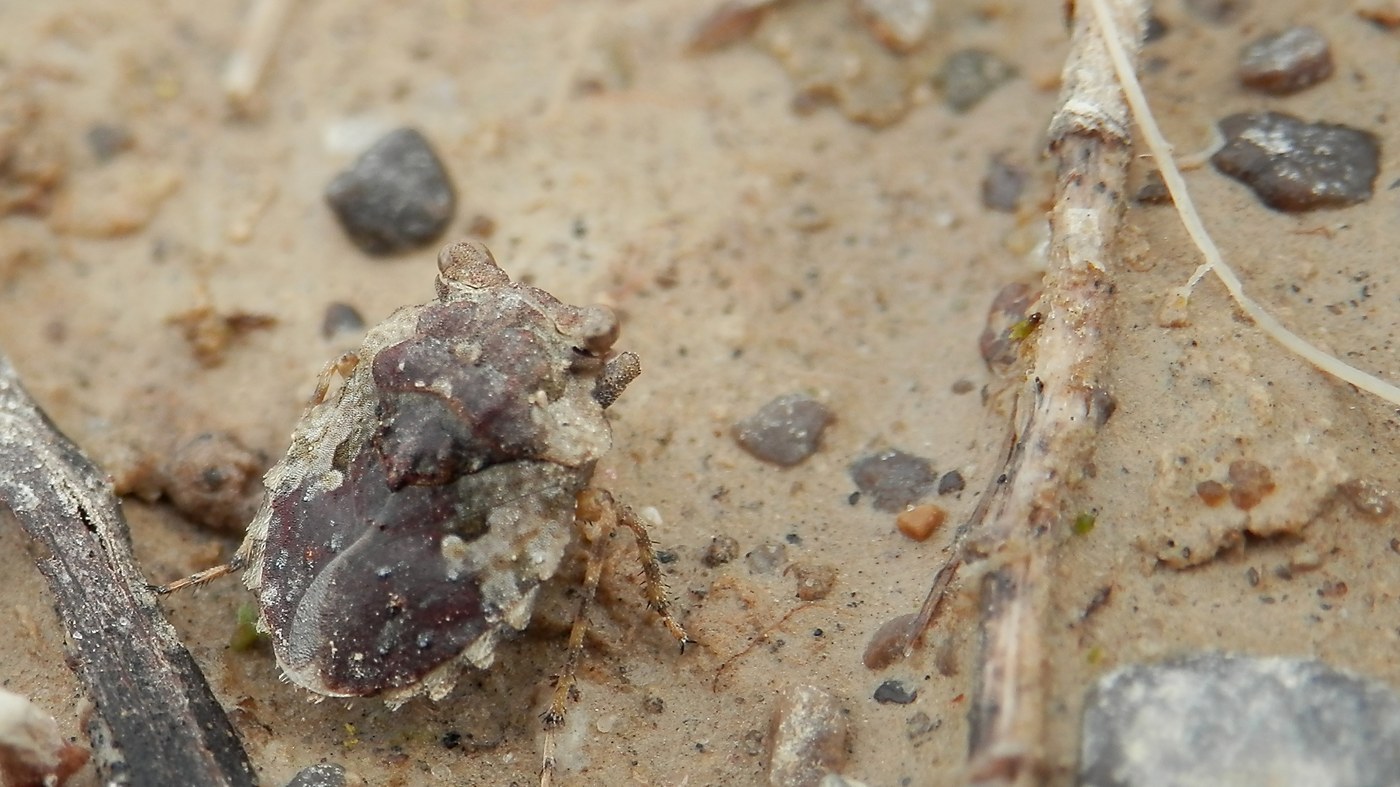
Toad Bug
Muddy or sandy shorelines of ponds, streams, and rivers
Soldier Fly Larva
Ponds, marshes, and slow streams with organic sediment
Mosquito Larva
Standing water in ponds, ditches, containers, and puddles
Whirligig Beetle
Surface of ponds, lakes, and slow streams
Rat-Tailed Maggot
Stagnant, oxygen-poor water such as manure pools, drains, and compost