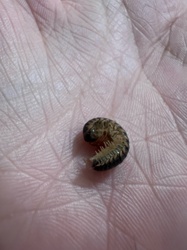
Flat-backed Millipede Identification Guide
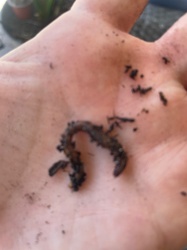
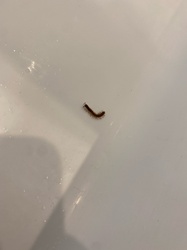
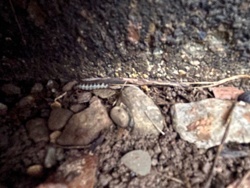
See how flat-backed millipedes are identified by their wide, plated segments with projecting side edges.
Read the full Flat-backed Millipede encyclopedia entry →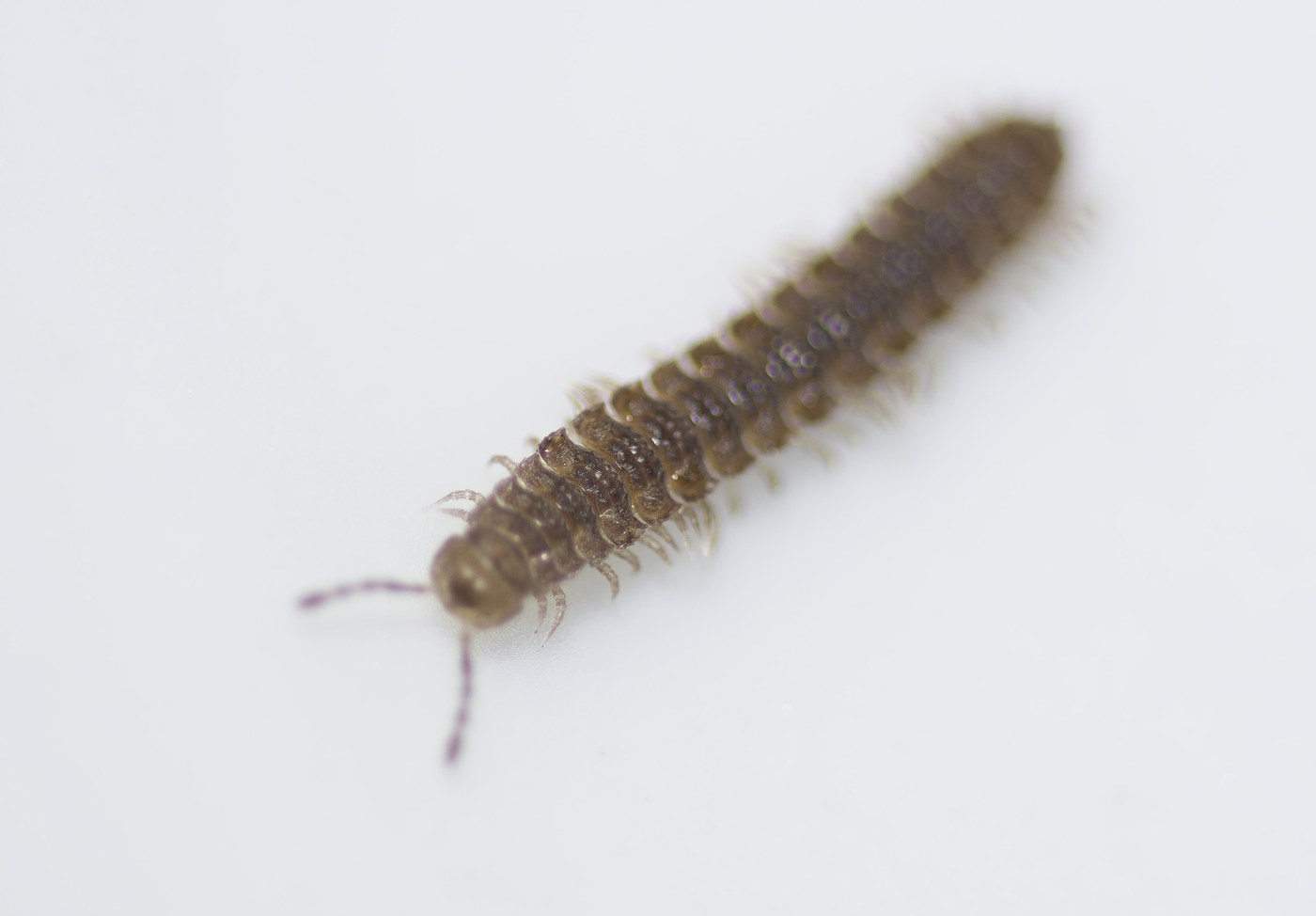
Key Visual Features
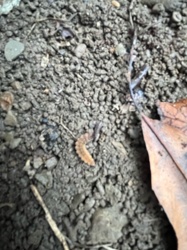
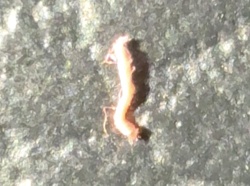
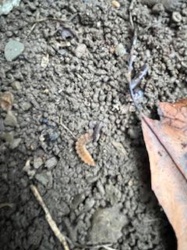
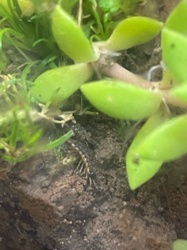
Flat-backed millipedes (order Polydesmida) get their name from a body shape distinctly different from the rounded, cylindrical snake millipede.
- Size: Commonly 1 to 2 inches (2.5-5 cm), though this varies by species.
- Color: Typically brown, tan, or dark reddish-brown, sometimes with subtle mottling.
- Body shape: A flattened body where each segment bears lateral extensions (paranota) that project outward like small side plates, giving the millipede a ridged, keeled, or almost armored profile when viewed from above — quite different from the smooth cylinder of a snake millipede.
- Legs: Two pairs of legs per body segment, tucked beneath the flattened plates and less visible from a top-down view than in rounder millipede species.
- Antennae: Short, segmented antennae at the front, used to sense the surrounding surface.
- Segments: Body segments are clearly defined by the projecting side plates, making the segmentation easy to count and observe.
Where and When You'd See It
Flat-backed millipedes are typically found in similar moist habitats to other millipedes — leaf litter, under bark, beneath stones, and in garden mulch or compost — where organic material and dampness are abundant. They are most active in humid conditions, often becoming more visible after rain or during cooler, damp evenings. Like most millipedes, they avoid direct sun and dry, exposed conditions, staying close to sheltered, moisture-retaining ground cover.
Similar-Looking Bugs
- Snake millipede: Has a smooth, rounded, cylindrical body without the projecting side plates that define the flat-backed millipede's ridged profile.
- Yellow-spotted millipede: Also somewhat flattened in some species, but marked with bold yellow or orange spots rather than a plain brown or tan tone.
- Stone centipede: Fast-moving with one pair of legs per segment and long antennae, a clear behavioral and structural contrast to the slow, plated flat-backed millipede.
Quick ID Checklist
- Flattened body with projecting side plates on each segment
- Brown, tan, or dark reddish-brown coloring
- Two pairs of legs per segment, mostly hidden beneath the plates
- Found in leaf litter, under bark, and in damp mulch or compost
- Most active and visible in humid, sheltered conditions
Frequently asked questions
What makes the flat-backed millipede's body shape distinctive?
Each body segment has lateral extensions, or paranota, that project outward like small plates, giving the millipede a flattened, ridged, almost armored look compared to the smooth cylinder of a snake millipede.
How many legs does a flat-backed millipede have per segment?
It has two pairs of legs per body segment, though the legs are largely tucked beneath the flattened side plates and less visible from above.
Where is a flat-backed millipede likely to be found?
Common spots include leaf litter, under bark, beneath stones, and in damp garden mulch or compost where organic material and moisture are plentiful.
How does the flat-backed millipede differ from a centipede in appearance?
It moves slowly and has two pairs of legs per segment with a flattened, plated body, while centipedes move quickly and have only one pair of legs per segment.
Flat-backed Millipede identified by the community
Recent Flat-backed Millipede finds identified with Bug Identifier.