
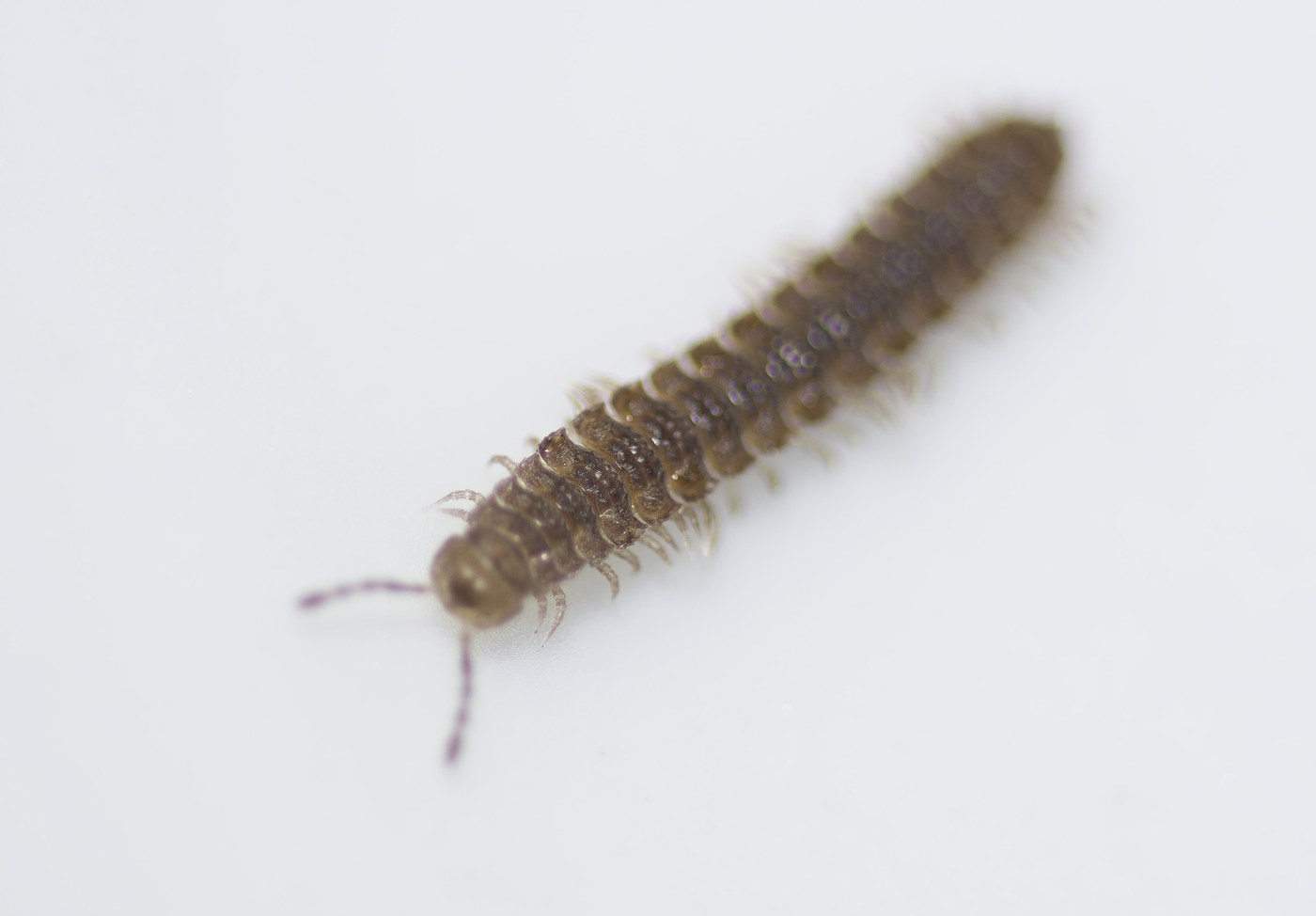
Flat-backed Millipede
Polydesmus spp.
A slow, armor-plated decomposer whose body segments flare into flat, wing-like keels, giving it a distinctly ribbed, tank-like silhouette compared to rounder millipedes.
- Size
- 2-4 cm (0.8-1.6 in) long
- Habitat
- Leaf litter, mulch, and damp soil in gardens and woodlands
- Danger
- Harmless
Spotted a bug like this?
Identify any bug or insect from a photo, free.
Overview
The flat-backed millipede gets its name from the lateral extensions, or paranota, that project from each body segment, flattening the animal's cross-section and giving it a ridged, armored look very different from the cylindrical shape of most other millipedes. Members of the order Polydesmida, these millipedes are among the most frequently encountered in gardens, compost heaps, and forest leaf litter across temperate regions.
Like all millipedes, they are detritivores that play an important role in breaking down dead plant material and returning nutrients to the soil. They lack eyes in many species and rely on antennae and chemical cues to navigate the dark, humid microhabitats they prefer. Their slow, deliberate crawl and tendency to curl into a tight spiral when disturbed are hallmark behaviors of the group.
How to Identify
- Body is noticeably flattened rather than round in cross-section, with keel-like plates (paranota) extending outward from each segment
- Coloration ranges from dull brown to grayish-tan, sometimes with darker mottling
- Typically 20 or fewer body segments, each bearing two pairs of short legs
- Antennae are short and clubbed at the tip
- Curls into a tight flat spiral (not a ball) when threatened, unlike pill millipedes
- Lacks the smooth, glossy, cylindrical body of common garden millipedes like Julidae
Habitat & Range
Found under logs, stones, bark, and leaf litter in gardens, woodlands, and compost piles throughout much of North America and Europe. They favor consistently moist, shaded ground and are most active after rain or during humid nights, retreating deeper into soil or debris during dry spells.
Behavior & Diet
Flat-backed millipedes feed on decaying leaves, wood, and other plant debris, occasionally supplementing their diet with fungi or very soft, decomposing organic matter. They are almost entirely nocturnal, spending daylight hours hidden in cool, damp refuges. As decomposers, they contribute to nutrient cycling and soil formation, and they serve as a food source for ground beetles, birds, shrews, and other predators. When disturbed they may coil defensively or release a mild secretion from segmental glands as a deterrent.
Life Cycle
Females lay small clutches of eggs in moist soil or decaying wood, sometimes surrounding them with a protective chamber of chewed debris. Hatchlings emerge with only a few segments and legs, gaining additional segments and leg pairs with each successive molt in a process called anamorphosis. It can take one to several years and numerous molts to reach full adult segment count, and many species live two to three years, overwintering as juveniles or adults in sheltered soil layers.
Frequently asked questions
How can I tell a flat-backed millipede from other millipedes?
Look for the flattened body with wing-like plates projecting from each segment; most other common millipedes have a rounder, more cylindrical body.
Do flat-backed millipedes bite?
They lack biting mouthparts capable of piercing skin and are not known to bite; they rely on curling up and chemical secretions for defense.
What do flat-backed millipedes eat?
They feed primarily on decaying leaves, wood, and other decomposing plant material as part of the soil food web.
Where do flat-backed millipedes hide during the day?
They shelter under logs, bark, stones, and leaf litter, emerging at night or after rain when humidity is higher.
Flat-backed Millipede guides
In-depth guides for identifying, understanding, and living alongside Flat-backed Millipede.
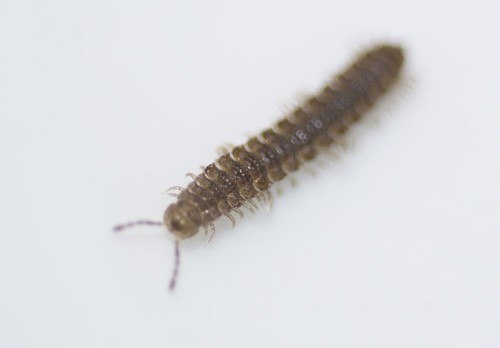
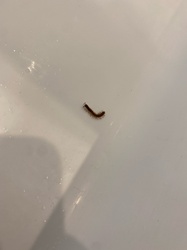
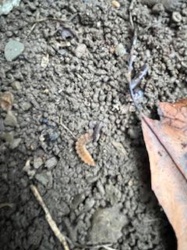
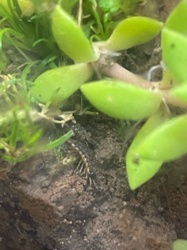
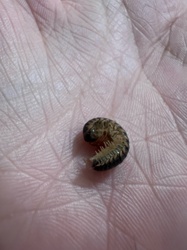
Flat-backed Millipede identified by the community
Real finds identified with Bug Identifier.

Other bugs you may enjoy
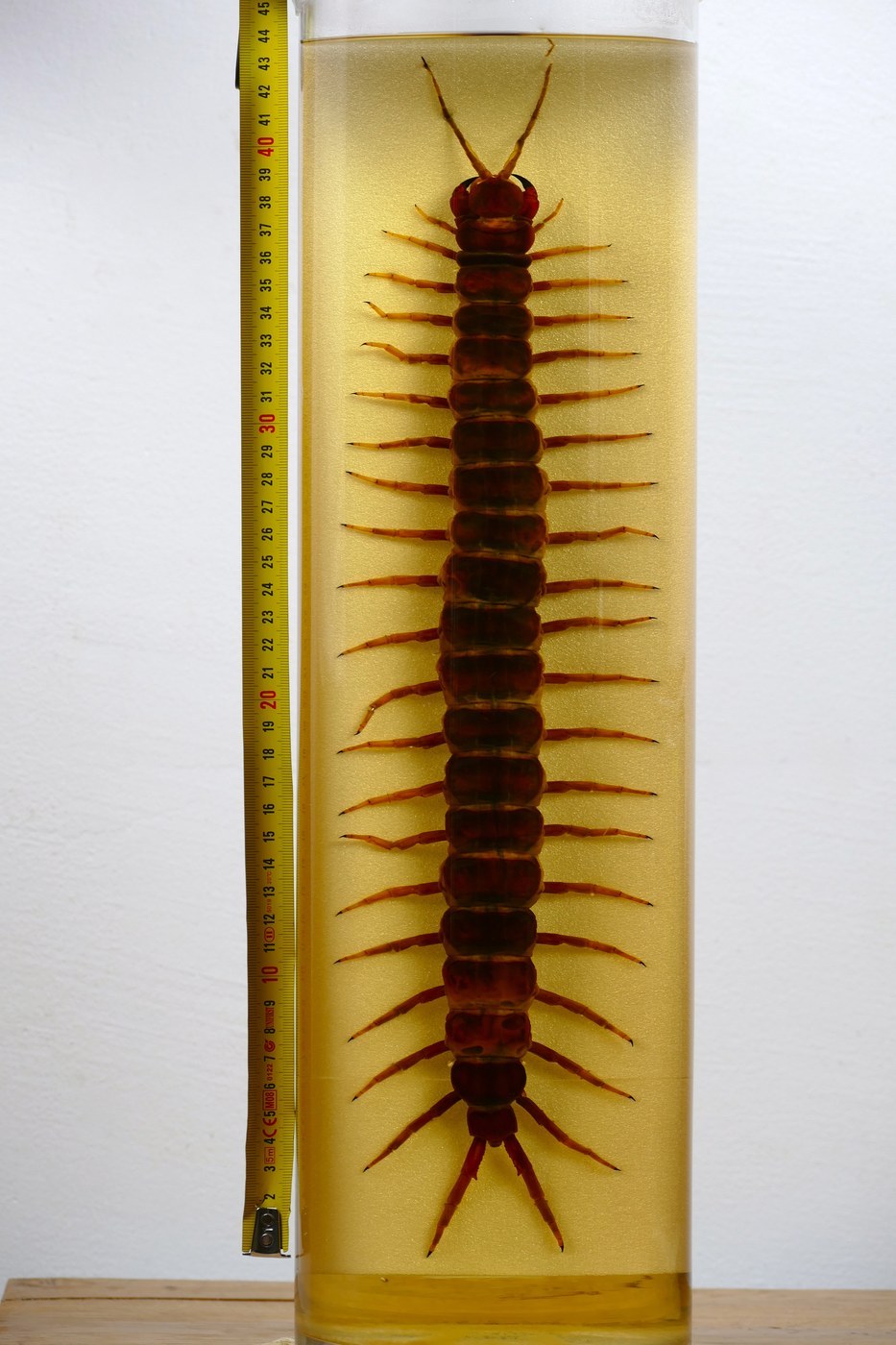
Amazonian Giant Centipede
Tropical rainforests and caves of northern South America and nearby Caribbean islands
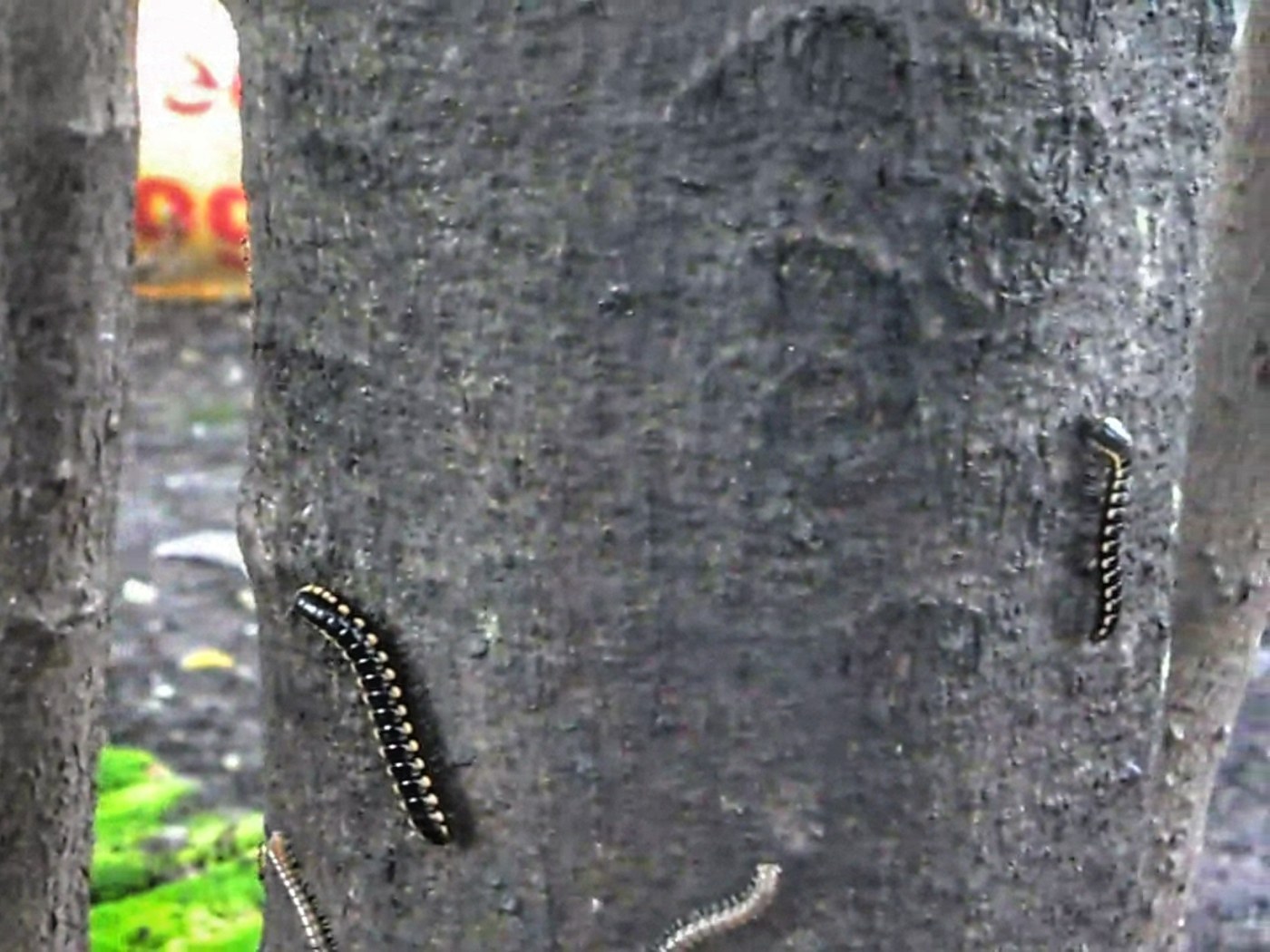
Yellow-spotted Millipede
Moist coniferous and mixed forests of the Pacific Northwest
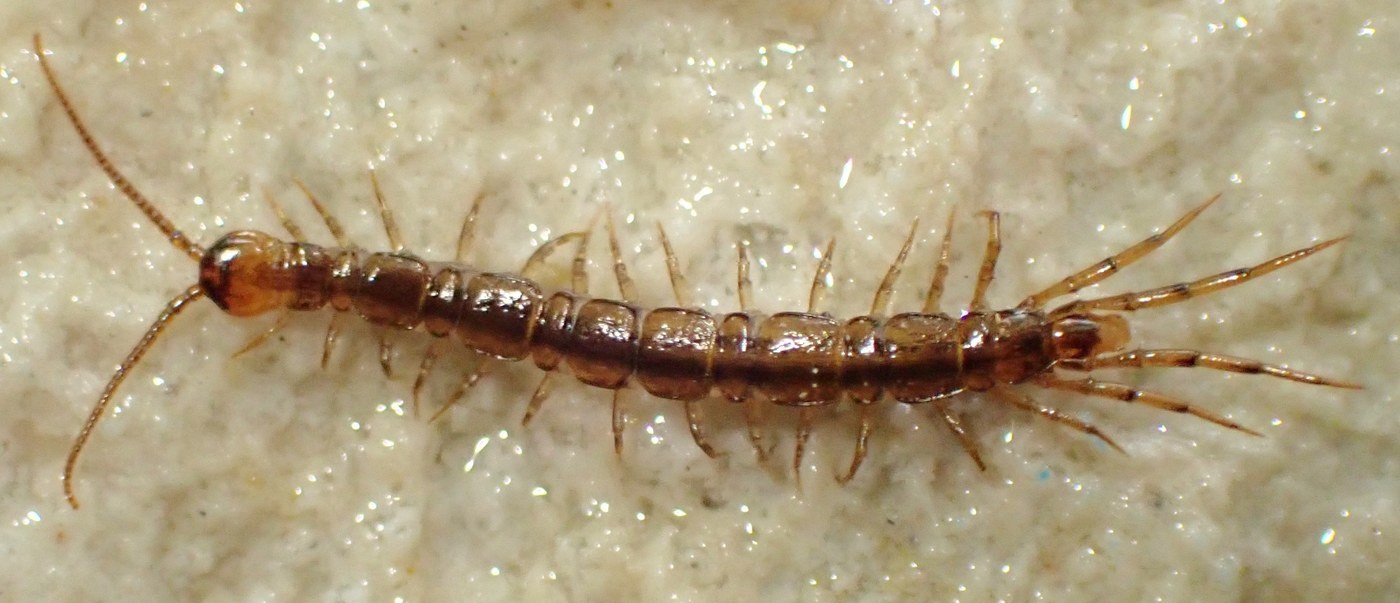
Stone Centipede
Under stones, bark, and soil in gardens and woodlands
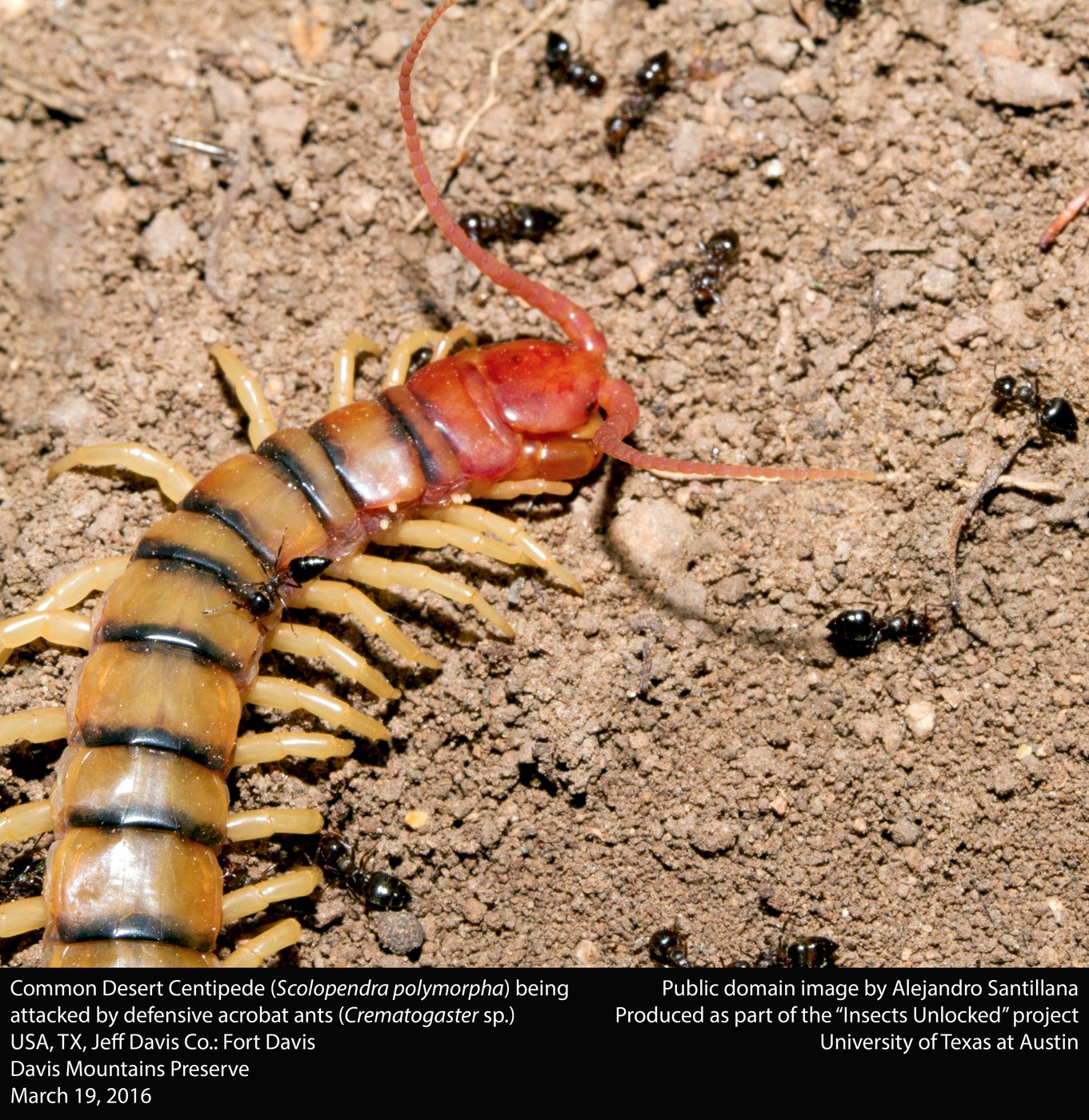
Tiger Centipede
Arid deserts, scrubland, and rocky terrain of the southwestern US and Mexico
Pill Millipede
Leaf litter, forest floors, and moist soil in temperate and tropical regions
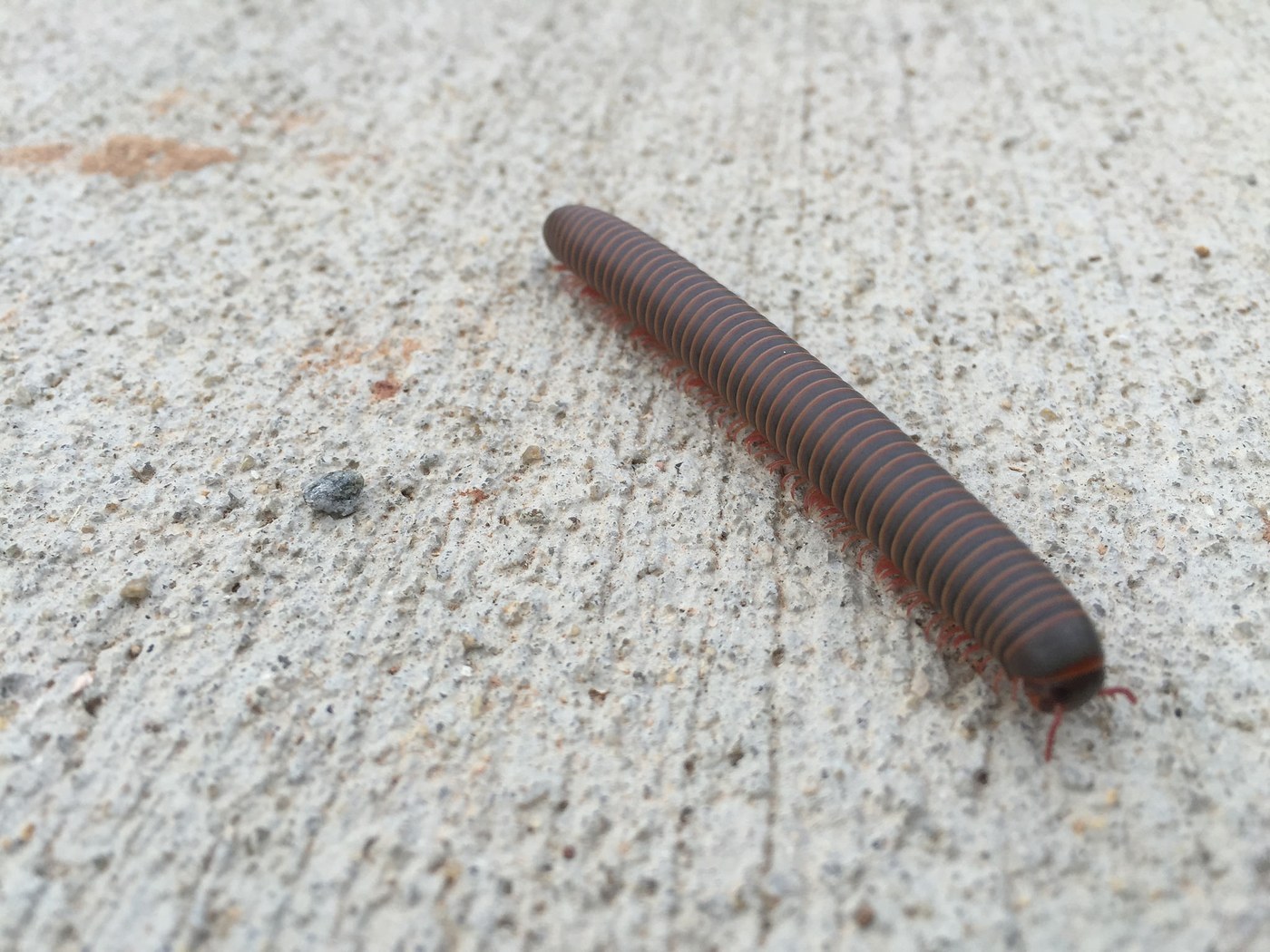
Millipede
Leaf litter, mulch, damp soil, and under logs, bark, and stones
Soil Centipede
Deep soil, leaf litter, and decaying wood
Snake Millipede
Moist soil, leaf litter, and decaying plant material
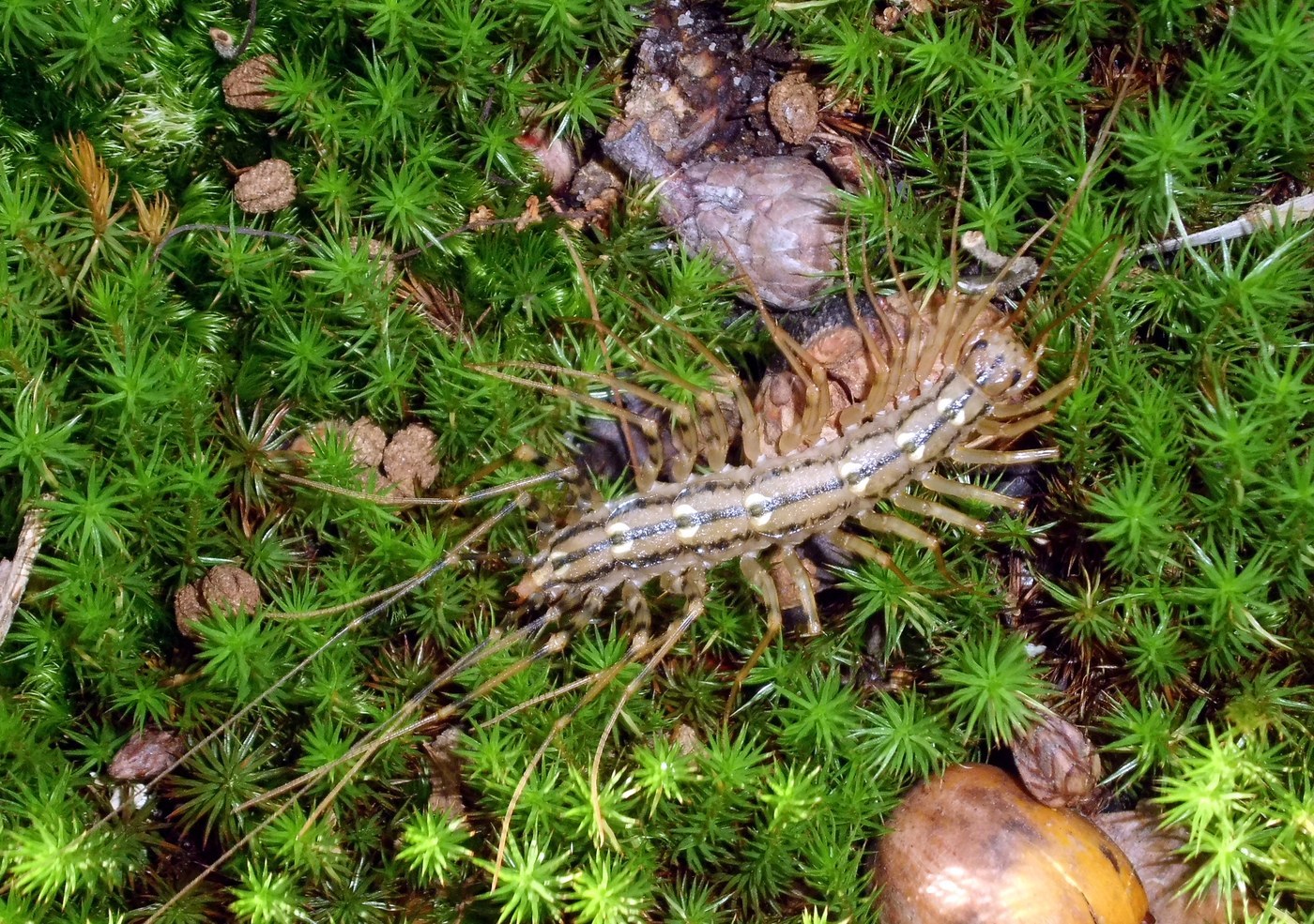
House Centipede
Damp basements, bathrooms, leaf litter
Giant Centipede
Tropical, subtropical, and warm temperate forests, deserts, and grasslands worldwide
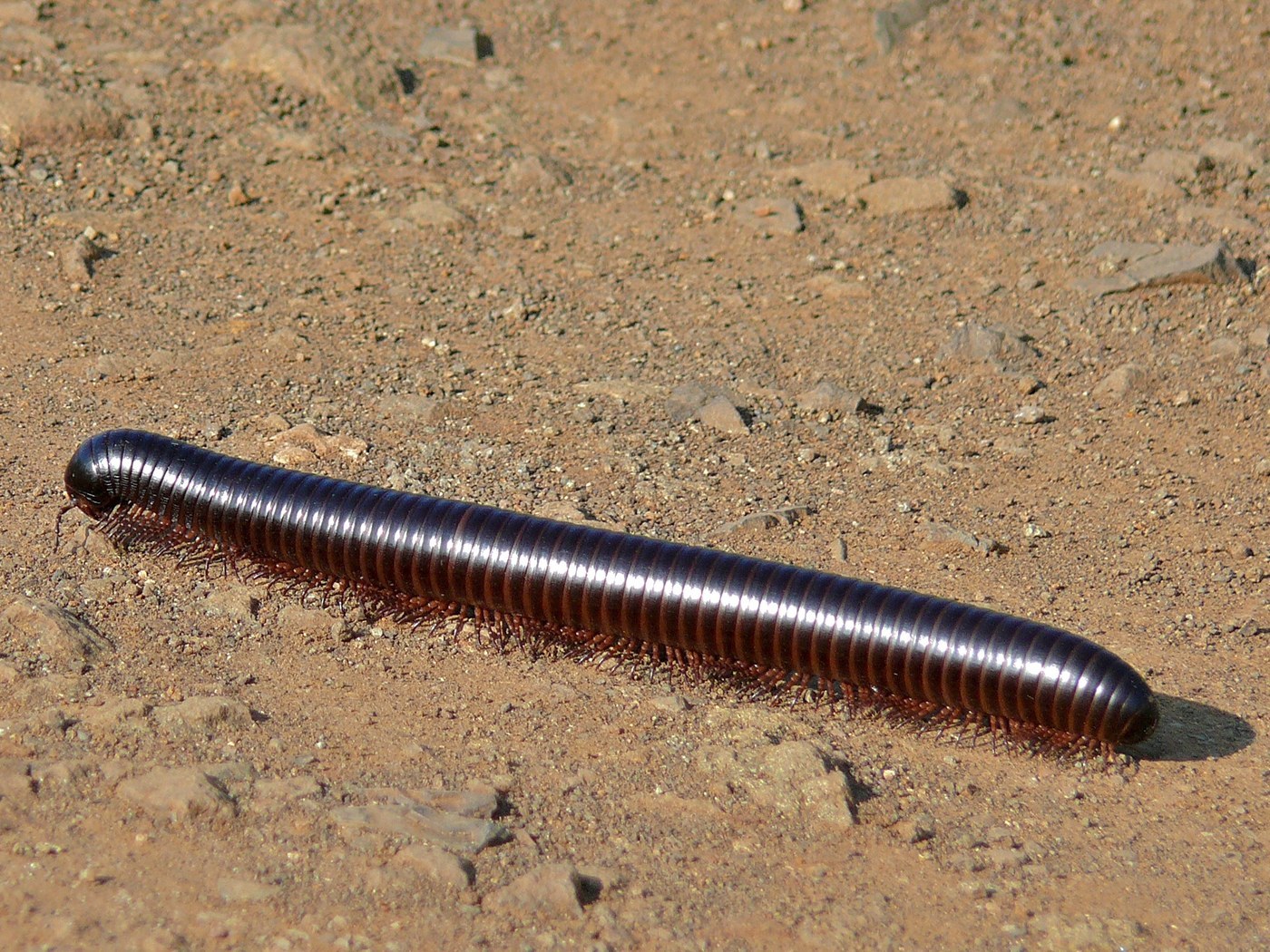
Giant African Millipede
Tropical forests and moist lowlands of East Africa
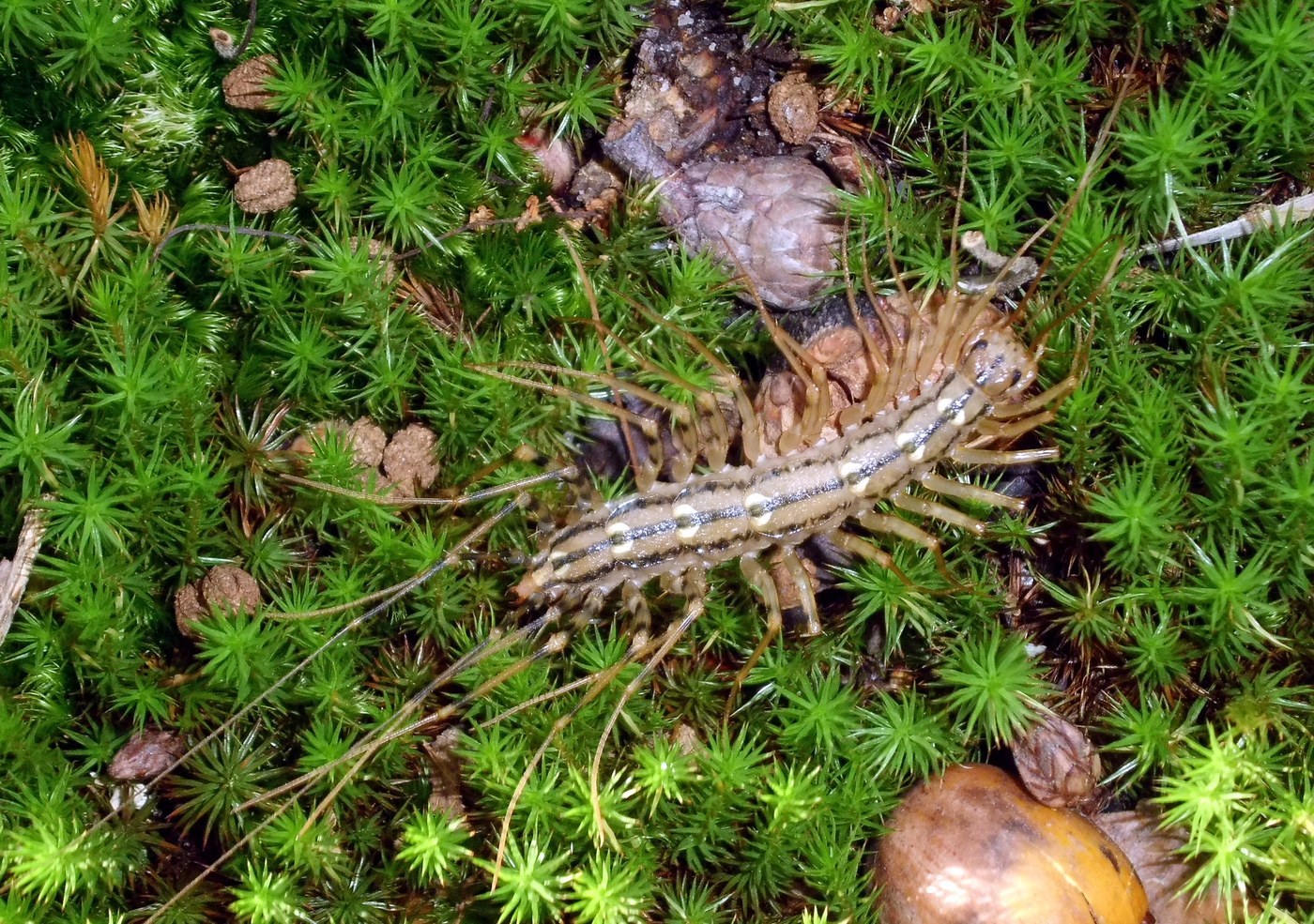
Centipede
Damp, dark places such as basements, bathrooms, leaf litter, and under rocks and logs