Mealybug Identification Guide
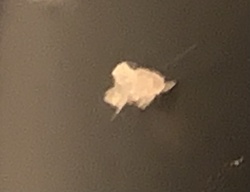
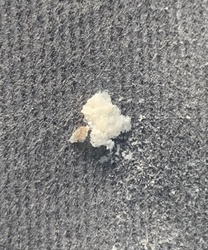
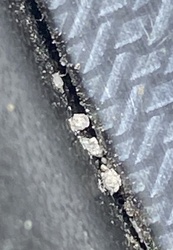
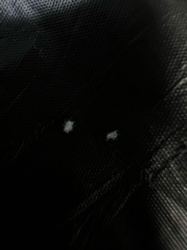
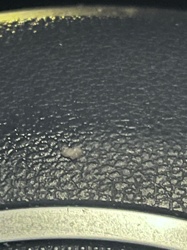
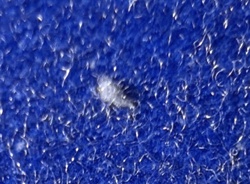
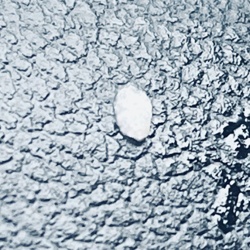
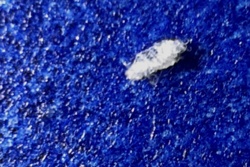
Identify mealybugs by their soft, oval bodies coated in a distinctive white, cottony or powdery wax.
Read the full Mealybug encyclopedia entry →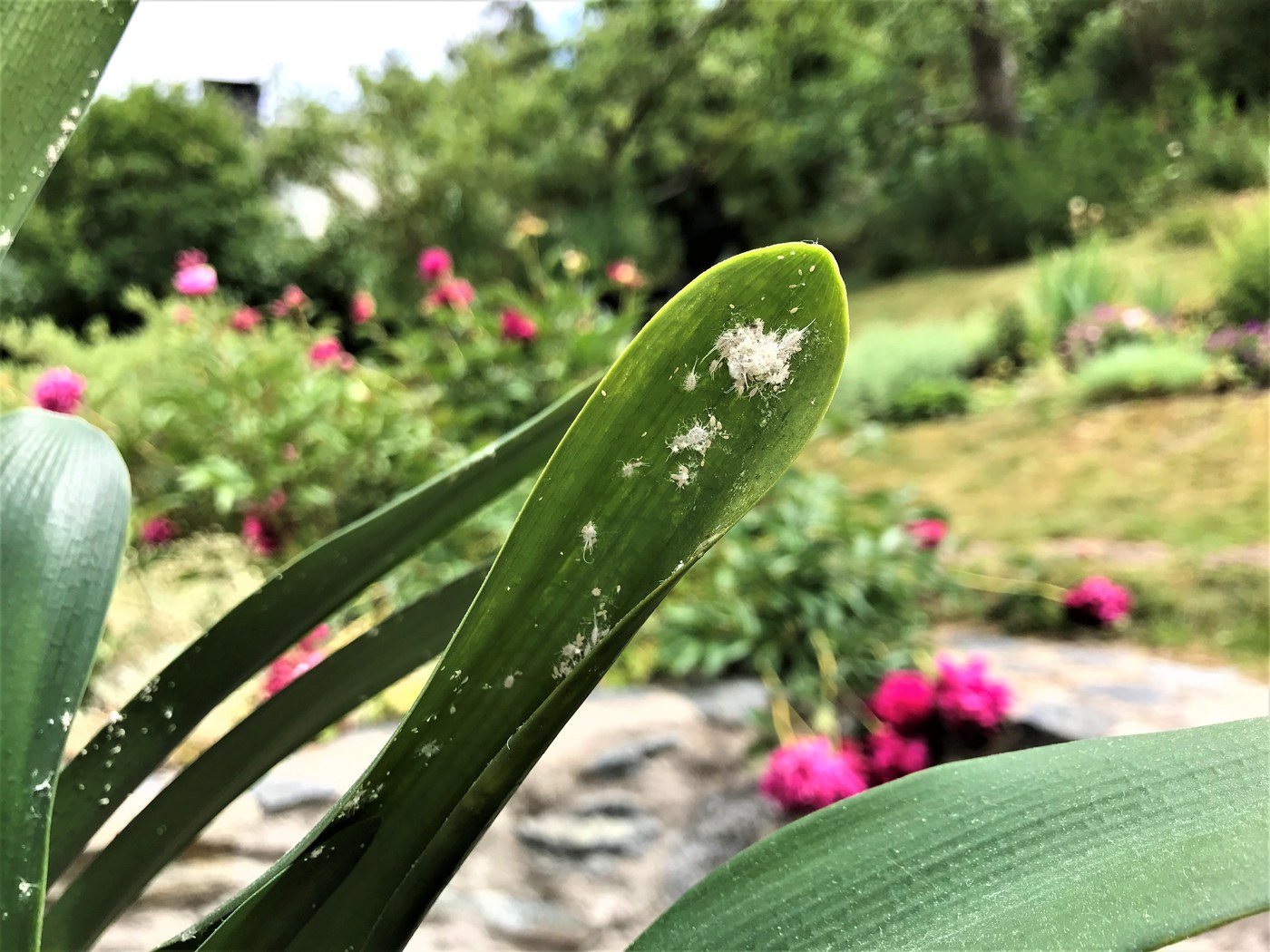
Key Visual Features
Mealybugs are small, soft-bodied insects, typically 1/10 to 1/4 inch long, covered in a white to gray, mealy or cottony wax coating that gives them their name.
- Body: Oval and segmented, flattened, soft, and wingless in females, appearing pinkish or yellowish underneath the waxy covering.
- Waxy coating: A powdery or cottony white secretion covers the body and often extends into short, waxy filaments or "tails" along the edges and rear.
- Legs: Six short legs, though movement is slow and mealybugs often stay clustered in one spot.
- Antennae: Short and segmented, not usually noticeable under the wax.
- Clusters: Frequently found in tight groups that resemble small tufts of cotton or mold on plant surfaces.
Where and When You'd See It
Mealybugs are commonly found on houseplants, greenhouse plants, and outdoor ornamentals, clustering in leaf axils, along stems, on the undersides of leaves, and near new growth. They favor warm, humid conditions and can be present year-round indoors, while outdoor populations are most noticeable in warm spring and summer months. They tend to stay stationary on plant tissue rather than moving around actively, making cottony clusters the easiest way to spot an infestation.
Similar-Looking Bugs
Mealybugs are often confused with:
- Woolly aphids – Also covered in white waxy fluff, but woolly aphids tend to form looser, more mobile clusters and have a more rounded body shape.
- Cottony scale insects – Scale insects with waxy coverings look similar but are typically more immobile and dome-shaped, fused tightly to the plant surface.
- Mold or fungus – At a glance, a mealybug cluster can resemble a patch of white mold, but close inspection reveals distinct insect bodies underneath the wax.
- Whiteflies – Whiteflies are winged and fly up in a cloud when disturbed, unlike the wingless, stationary mealybug.
Quick ID Checklist
- Oval, soft body coated in white, powdery or cottony wax
- Short waxy filaments along the body edges
- Found clustered in leaf axils, stem joints, and new growth
- Slow-moving or stationary rather than flying off
- Resembles small tufts of cotton on plant surfaces
Frequently asked questions
How can I tell a mealybug from mold on a plant?
Looking closely with a magnifier reveals distinct segmented insect bodies with legs beneath the white waxy coating, whereas mold has a uniform, fuzzy texture without any insect structure.
What's the difference between mealybugs and woolly aphids?
Both have white waxy coverings, but mealybugs have a flatter, more oval shape and stay clustered tightly in one area, while woolly aphids are rounder and tend to move around more on stems.
Do mealybugs fly?
Female mealybugs, which are the ones most commonly seen, are wingless and do not fly; only some adult males develop wings and are rarely observed.
Where on a plant are mealybugs usually found?
They cluster most often in protected spots like leaf axils, along stems, on the undersides of leaves, and near new, tender growth.
Mealybug identified by the community
Recent Mealybug finds identified with Bug Identifier.