
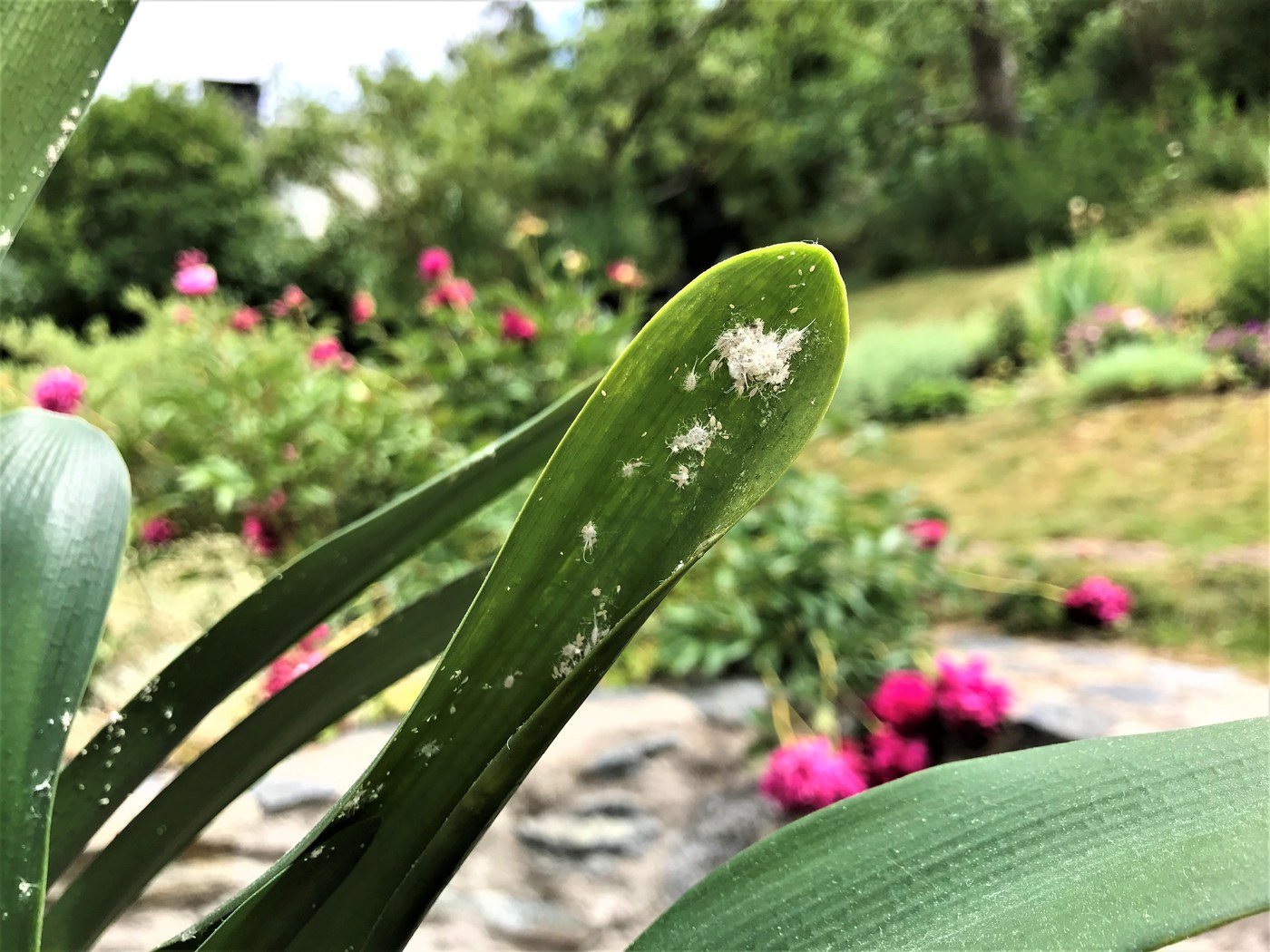
Mealybug
Planococcus citri
A soft, oval insect coated in a powdery white waxy secretion that gives it a fuzzy, cotton-like appearance, typically found clustered in leaf joints and along stems of houseplants.
- Size
- 1–4 mm
- Habitat
- Houseplants, greenhouses, gardens; on stems, leaf axils, and roots
- Danger
- Nuisance pest
Spotted a bug like this?
Identify any bug or insect from a photo, free.
Overview
Mealybugs belong to the family Pseudococcidae within the order Hemiptera, a group of small, soft-bodied, sap-feeding insects related to scale insects and aphids. Their defining feature is a coating of white, powdery or waxy filaments secreted from glands over their soft bodies, giving them a distinctive fuzzy, mealy appearance that gives the group its common name.
Most species are wingless and slow-moving as adults, with females retaining a soft, segmented body throughout life while males, when present, develop delicate wings and a very brief, non-feeding adult stage focused solely on mating. Mealybugs are found worldwide, particularly in warm and greenhouse environments, and are best known for clustering in dense groups in protected plant crevices such as leaf axils, stem joints, and root zones.
How to Identify
- Small, soft, oval-shaped body coated in a white, powdery or cottony wax secretion, often with fine waxy filaments extending from the body margin.
- Typically found in dense clusters rather than singly, resembling small tufts of cotton or mold on stems and leaf joints.
- Adult females are wingless and largely immobile; males, when present, are tiny, delicate, and short-lived with a single pair of wings.
- Piercing-sucking mouthparts are used to tap into plant fluids; legs are short and often hidden beneath the waxy coating.
- Lookalikes include woolly aphids and cottony scale insects, but mealybugs are distinguished by their segmented, mobile body form beneath the wax, unlike the immobile shell of many scale insects.
Habitat & Range
Mealybugs are found worldwide, especially in warm, humid climates, greenhouses, and indoor plant collections where conditions stay mild year-round. They favor sheltered, hard-to-reach parts of plants such as leaf axils, the undersides of leaves, stem joints, and even root systems below the soil line. Populations can persist year-round indoors, while outdoor populations are most active during warm growing seasons.
Behavior & Diet
Mealybugs feed by inserting piercing-sucking mouthparts into plant tissue and withdrawing sap, often excreting excess sugary fluid known as honeydew as a byproduct of their feeding. They move very little as adults, remaining clustered in protected plant crevices, while young nymphs (called crawlers) are more mobile and disperse to new feeding sites shortly after hatching. Because of their sap-feeding habit and honeydew production, mealybugs are commonly recognized as a plant pest on houseplants, ornamentals, and some crops, and their honeydew can attract ants that tend and protect the colonies.
Life Cycle
Females lay large numbers of eggs, often within a cottony egg sac spun from wax filaments, and the newly hatched nymphs (crawlers) are mobile and disperse across the plant to find new feeding sites before settling down. Nymphs undergo incomplete metamorphosis-like development, molting through several instars while gradually developing the characteristic waxy coating; some species' males then pupate briefly before emerging as tiny winged adults, while females remain wingless throughout. Multiple overlapping generations can occur per year in warm or indoor conditions, allowing populations to build steadily without a strict seasonal pause.
Frequently asked questions
Is a mealybug the same as a scale insect?
They are close relatives in the same insect group, but mealybugs remain mobile and are covered in loose, cottony wax, while many scale insects form a hardened, immobile shell over their body.
Why do mealybugs look like tiny cotton tufts?
They secrete a powdery, waxy coating from glands over their soft body, which gives clusters of mealybugs a fuzzy, cotton-like appearance.
What do mealybugs feed on?
They use piercing-sucking mouthparts to feed on plant sap, often clustering in leaf axils, stem joints, and along roots.
Do mealybugs fly?
Adult females are wingless and largely stationary; only males, when present, develop wings for a brief, short-lived adult stage.
Mealybug guides
In-depth guides for identifying, understanding, and living alongside Mealybug.
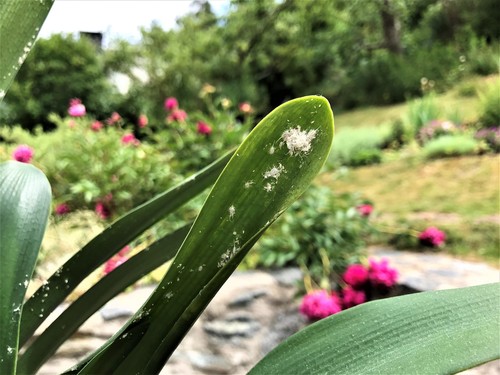
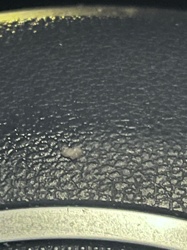
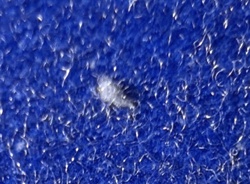
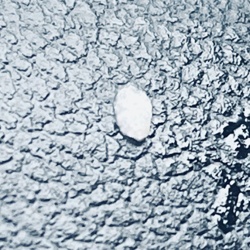
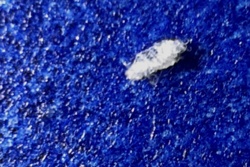
Mealybug identified by the community
Real finds identified with Bug Identifier.


Other bugs you may enjoy
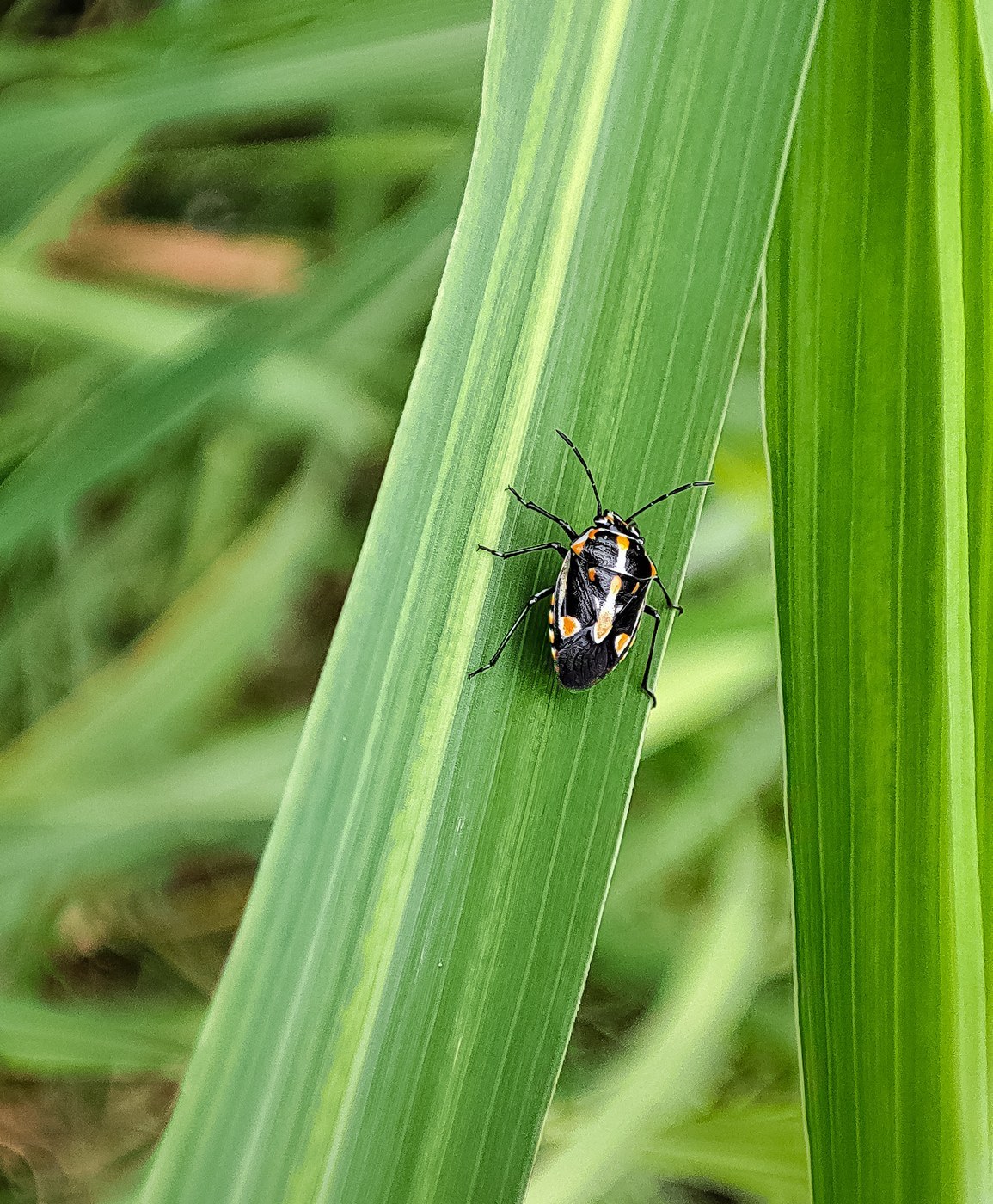
Bagrada Bug
Arid gardens, crucifer fields, desert-adjacent croplands
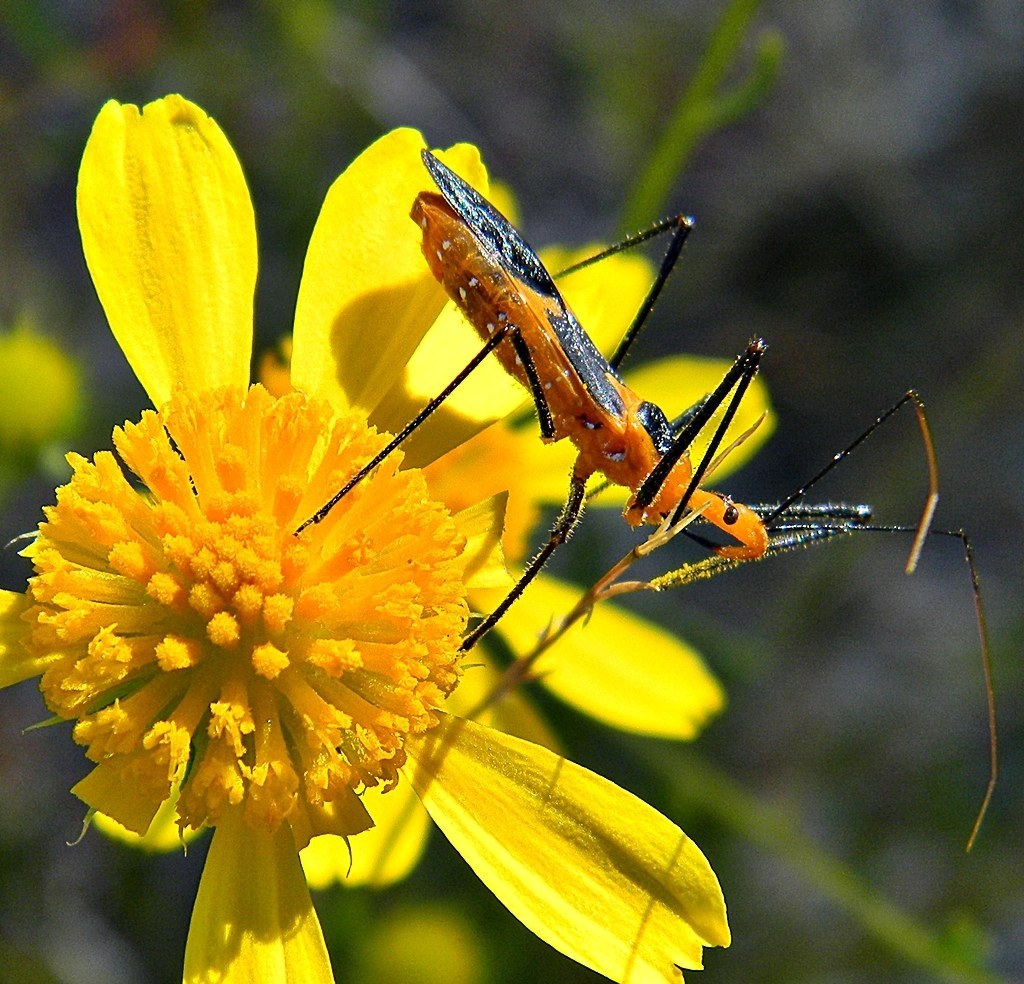
Assassin Bug
Gardens, meadows, and vegetation worldwide
Water Boatman Bug
Ponds, lakes, and slow-moving freshwater
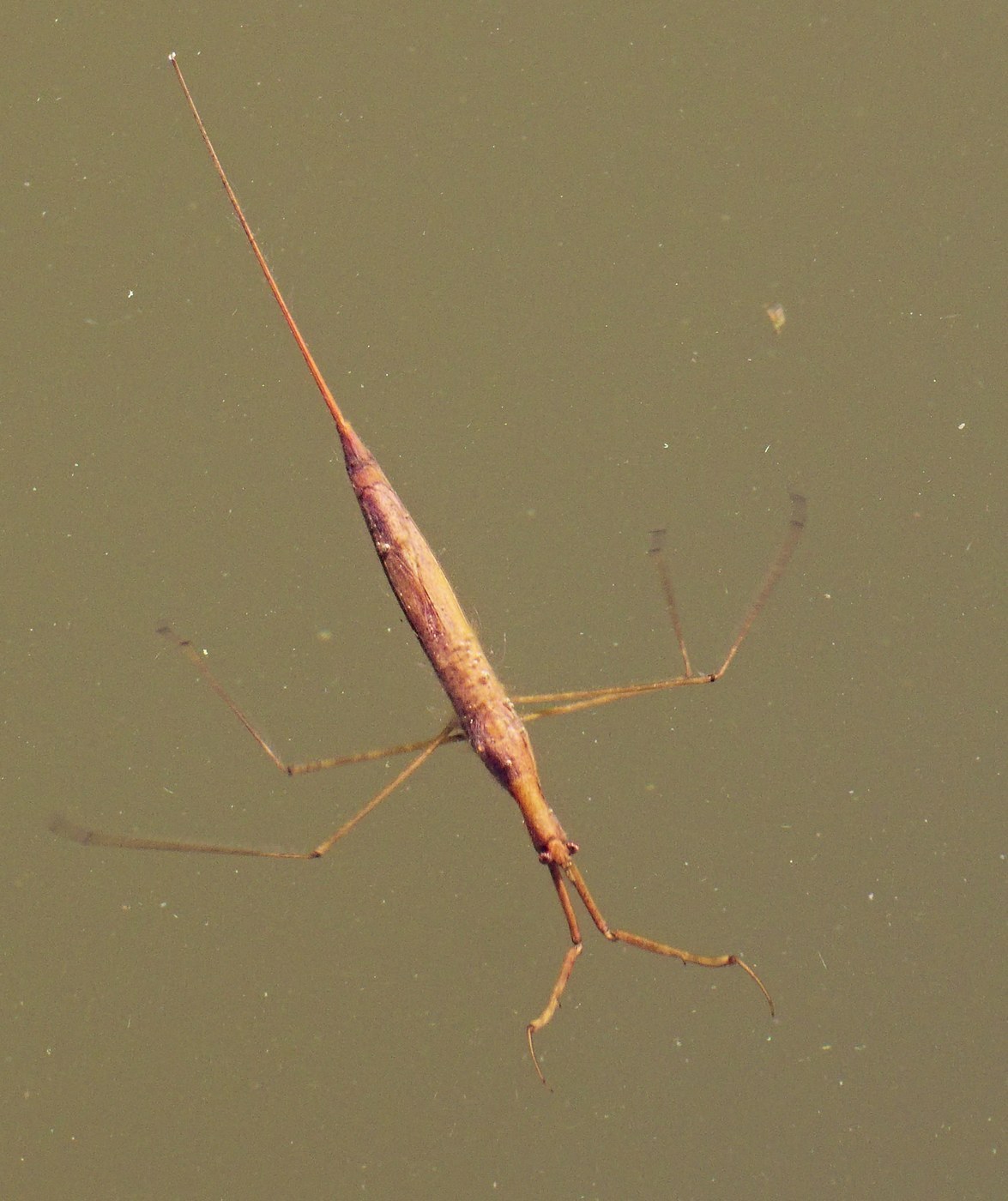
Water Stick Insect
Still and slow-moving water with dense submerged vegetation
Rough Stink Bug
Tree bark, woodlands, orchards, and shrubby vegetation
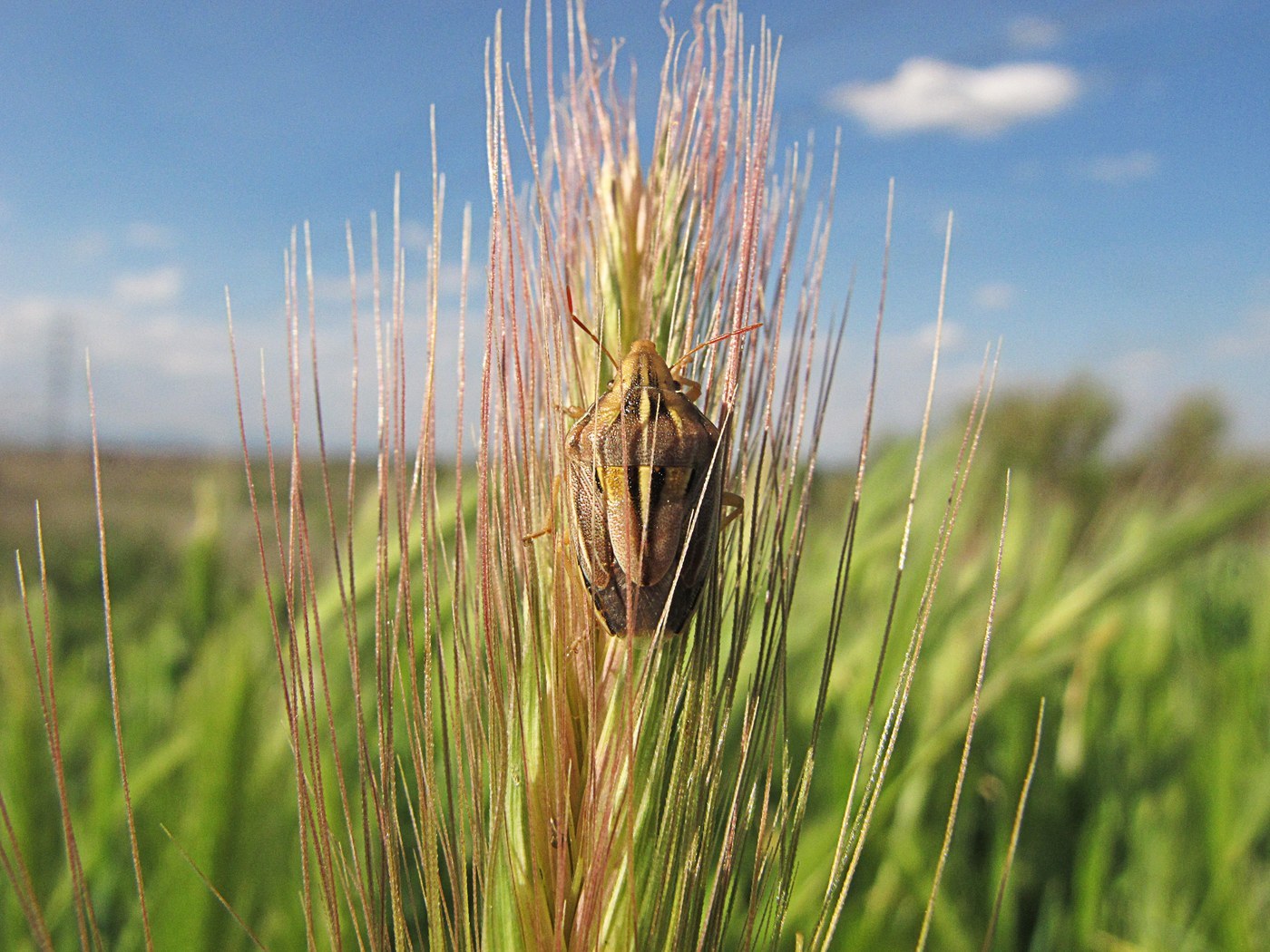
Stink Bug
Gardens, crop fields, and woodlands across temperate and subtropical regions
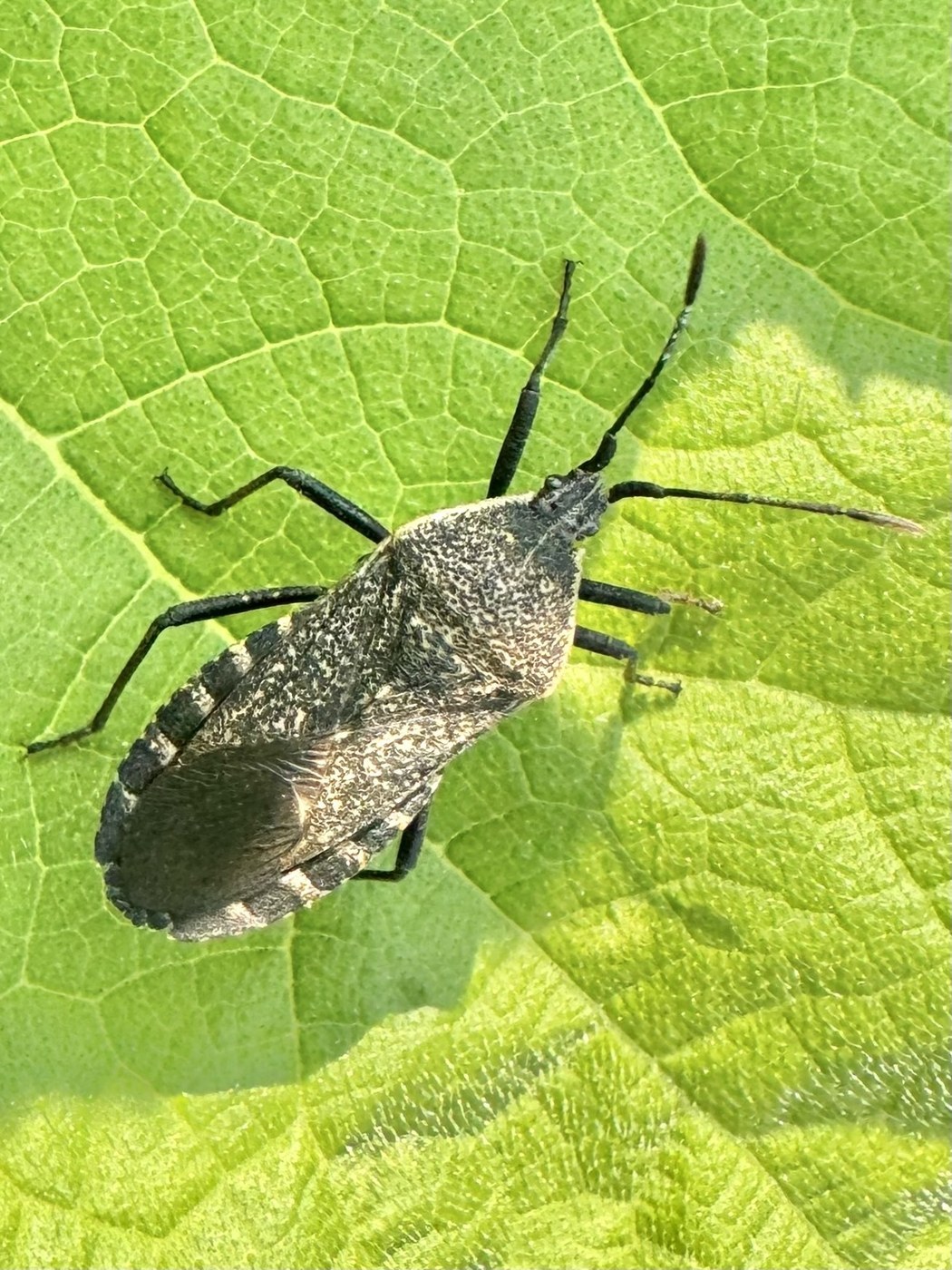
Squash Bug
Vegetable gardens and farm fields growing squash, pumpkin, and other cucurbits
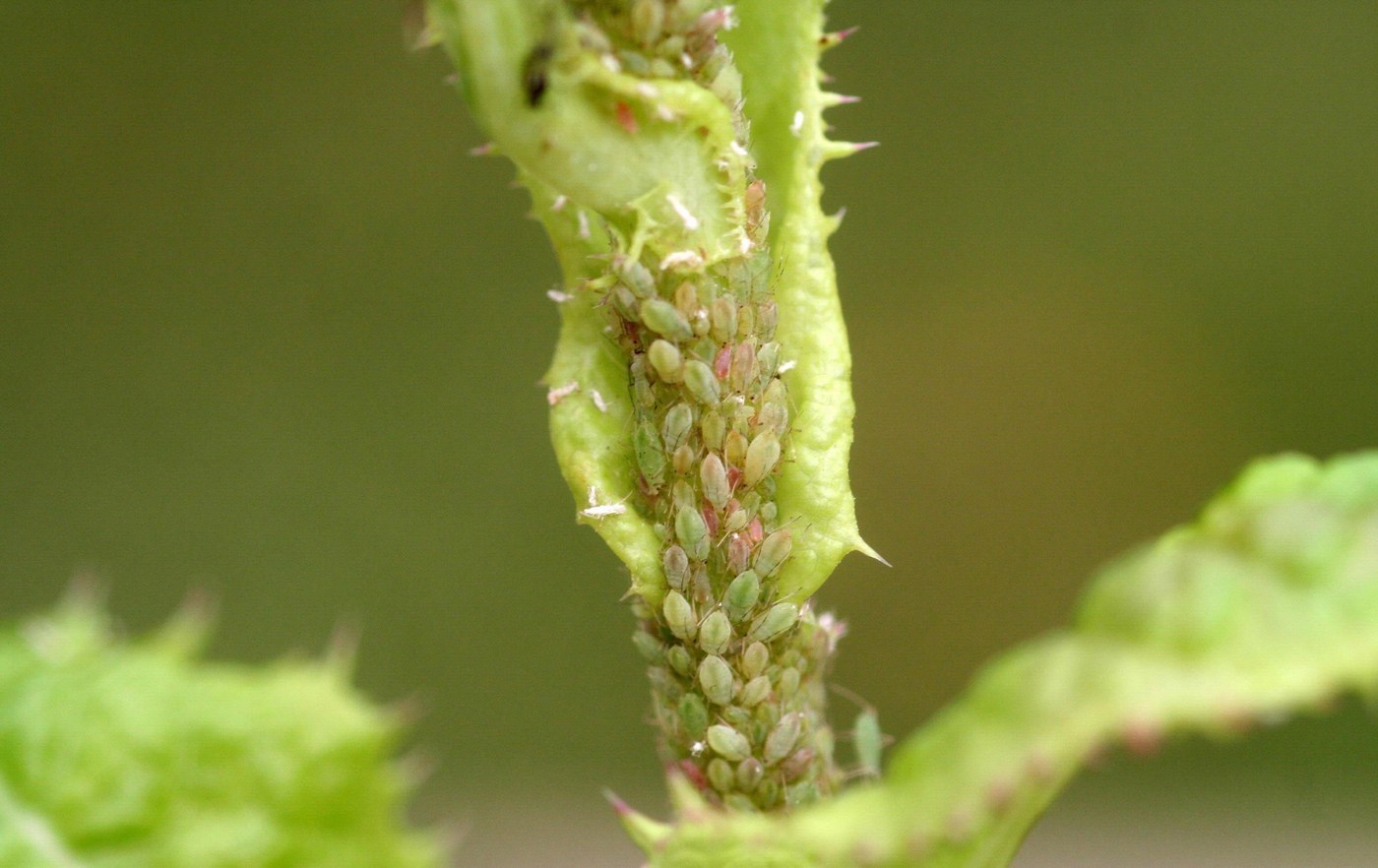
Aphid
On stems, leaves, and buds of a very wide range of host plants
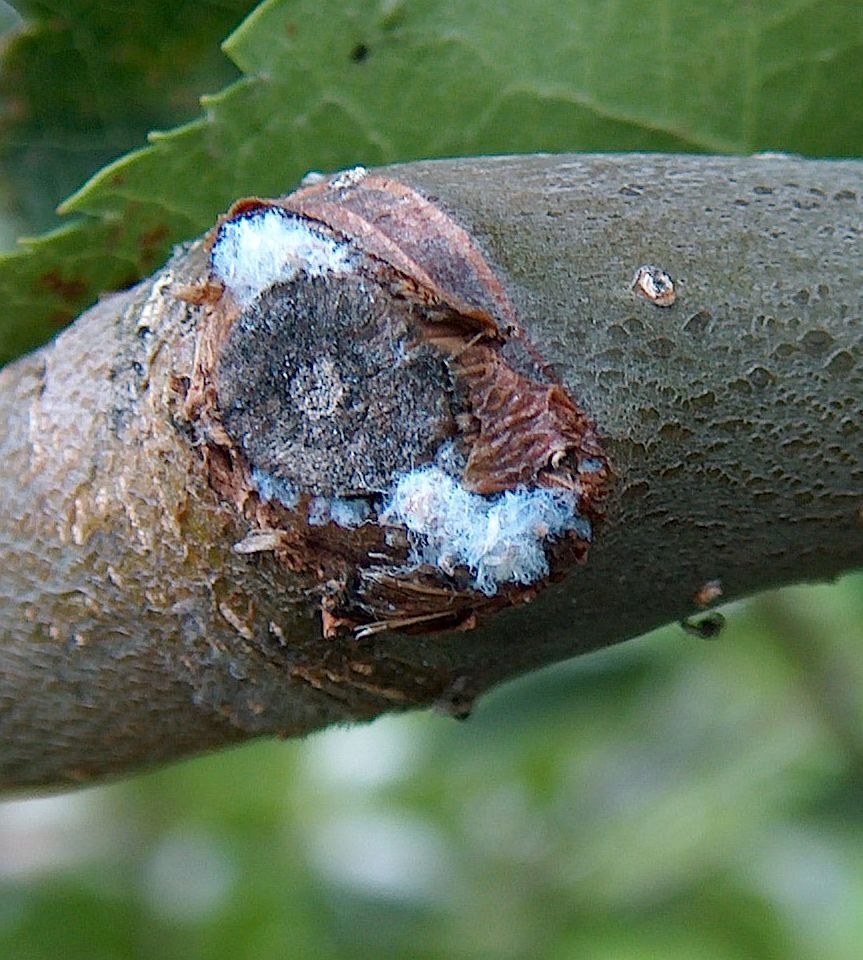
Woolly Aphid
Bark crevices, root collars, and twigs of apple, elm, and alder trees
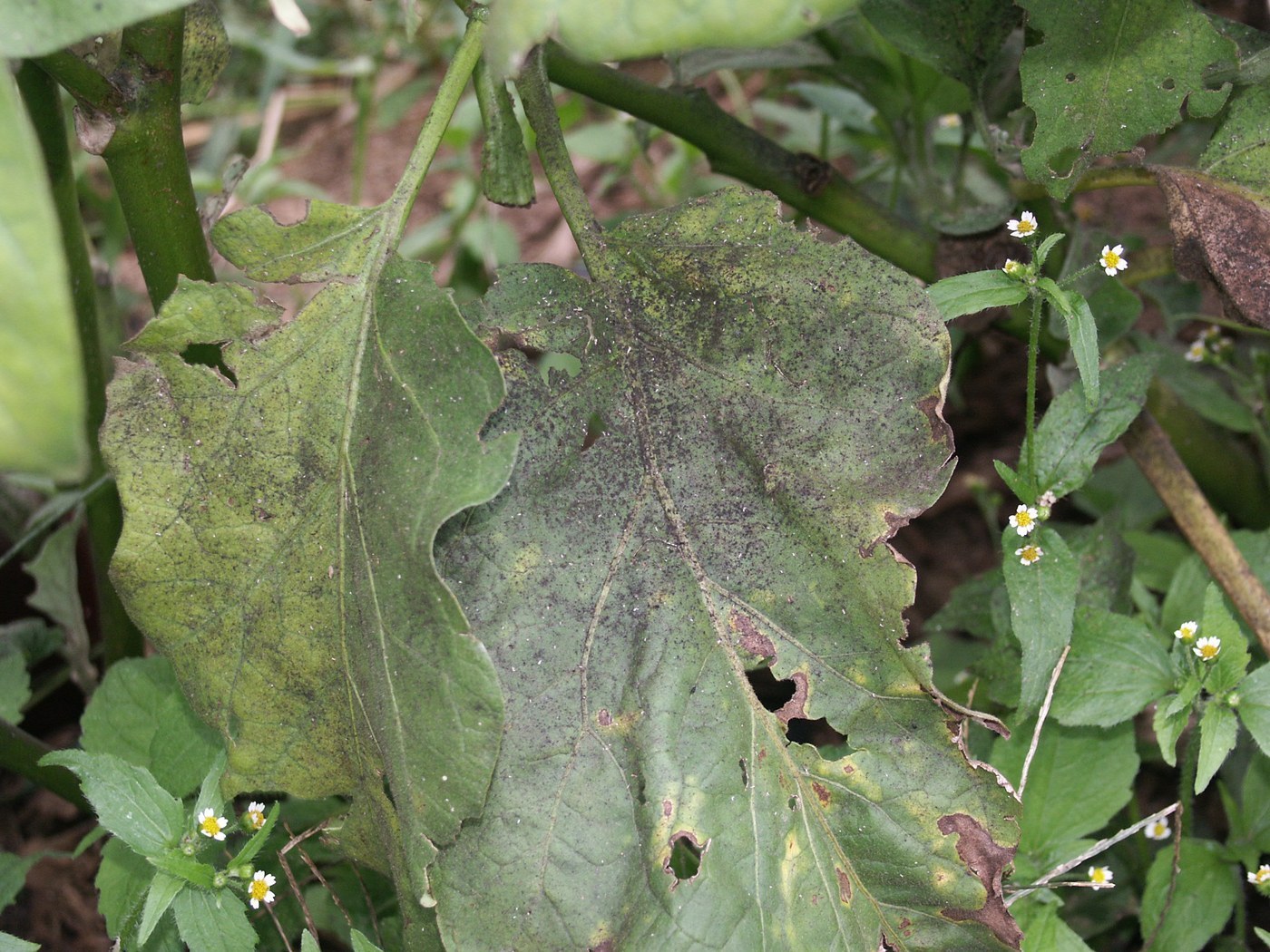
Whitefly
Greenhouses, gardens, and undersides of leaves on host plants
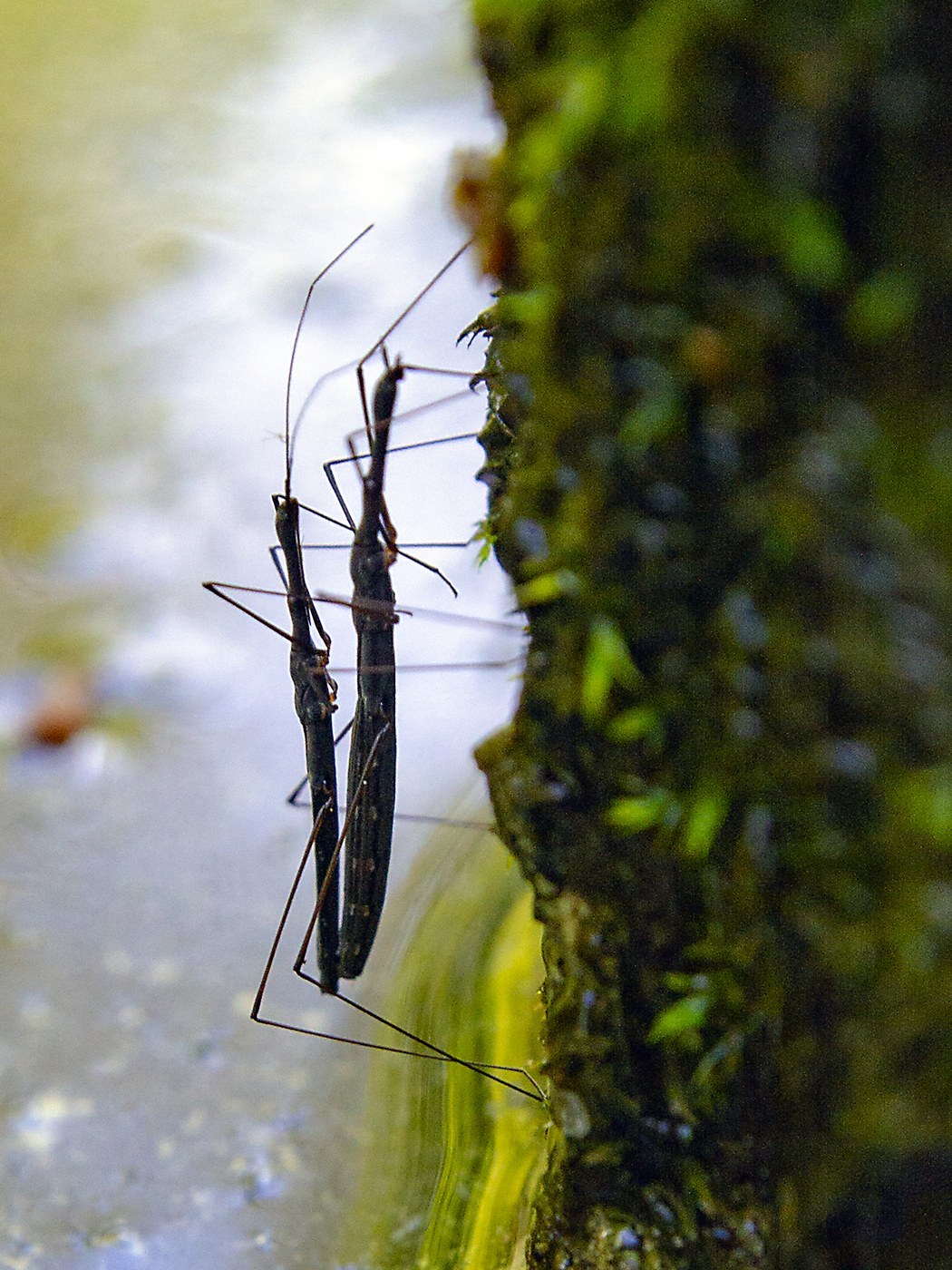
Water Measurer
Quiet edges of ponds, marshes, and slow streams
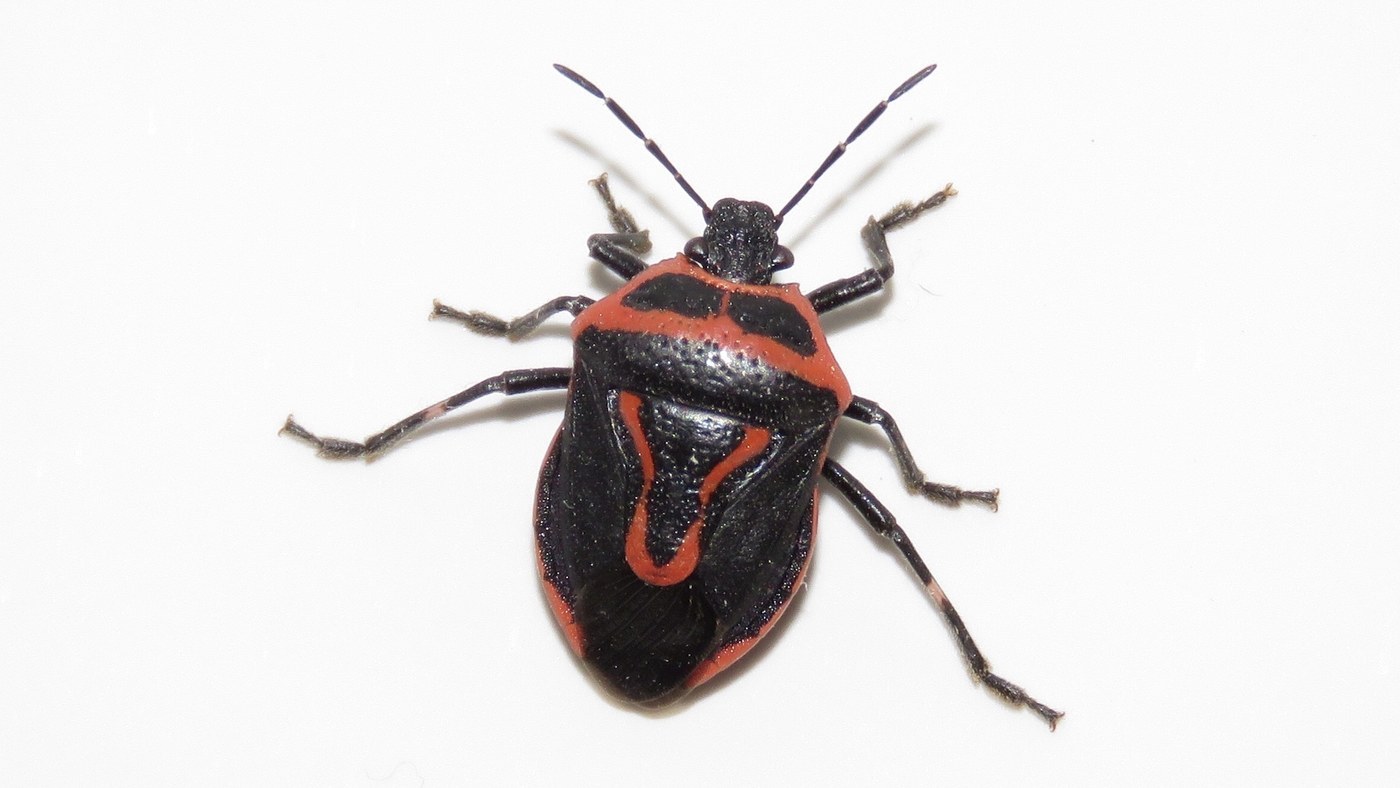
Two-Spotted Stink Bug
Gardens and fields with potato and nightshade-family plants