Mosquito Identification Guide
Identify a mosquito by its slender body, long thin legs, and elongated piercing mouthpart called a proboscis.
Read the full Mosquito encyclopedia entry →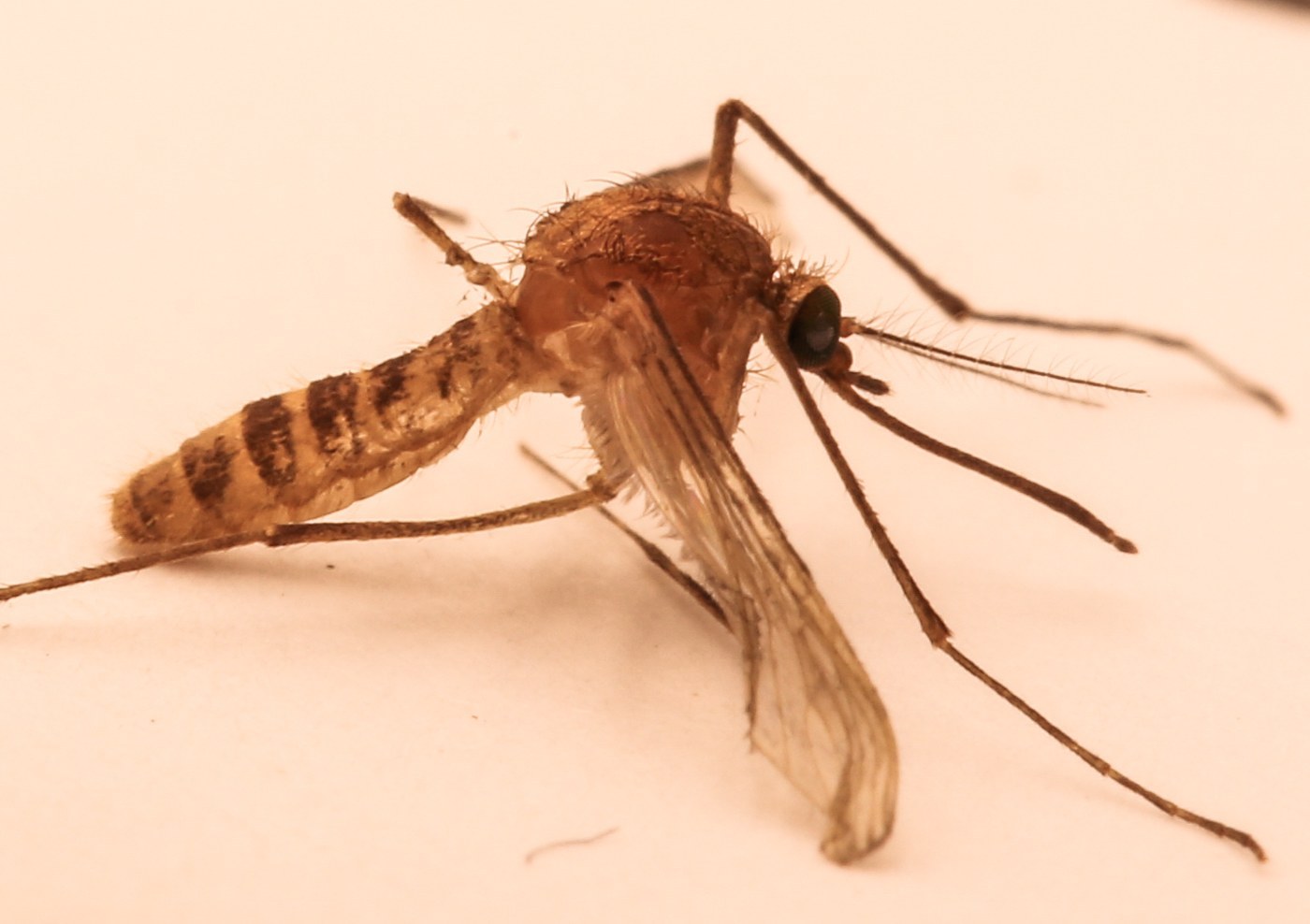
Key Visual Features
Mosquitoes are slender, delicate-looking flies with a distinctive silhouette that sets them apart from most other small flying insects.
- Size: Typically 1/4 to 3/8 inch (6–9 mm) long, though this varies by species.
- Body shape: Narrow, elongated body with a slightly humped thorax and a tapering abdomen.
- Legs: Six unusually long, thin legs, often held out or dangling during flight and while resting.
- Wings: One pair of narrow, scaled wings; some species show mottled or spotted wing patterns visible under close inspection.
- Mouthparts: A long, forward-projecting proboscis used to pierce and feed on liquids.
- Antennae: Feathery, plume-like antennae in males; thinner, less bushy antennae in females.
- Color: Most are brown, gray, or black, though some species have pale bands on the legs or abdomen (such as the black-and-white banded legs of some day-biting species).
Where and When You'll See Them
Mosquitoes are found near standing or slow-moving water, since females lay eggs in puddles, ponds, birdbaths, gutters, and other water-holding containers. They are most active at dawn and dusk, though some species are active throughout the day, especially in shaded areas. Activity peaks in warm, humid months and drops off sharply with cold weather, when many species overwinter as eggs or dormant adults.
Similar-Looking Insects
- Crane flies: Much larger, with very long legs but a stouter body and no piercing proboscis; often mistaken for "giant mosquitoes" but are harmless look-alikes.
- Midges (non-biting): Similar slender shape and size but lack the elongated proboscis and often form large mating swarms near water.
- Gnats: Smaller and stockier overall, without the mosquito's long piercing mouthpart or distinctly dangling legs.
Quick ID Checklist
- Slender body about 1/4–3/8 inch long
- Long, thin legs held out during rest
- Narrow, scaled wings
- Visible forward-pointing proboscis
- Found near standing water, active at dawn/dusk
Frequently asked questions
How can I tell a mosquito from a crane fly?
Crane flies are much larger with a stockier body and no piercing mouthpart, while mosquitoes are smaller, slimmer, and have a clearly visible elongated proboscis projecting from the head.
Why do mosquitoes have such long legs?
Their long, thin legs are simply part of their slender body plan and help with balance while resting on surfaces like water or plants, not a unique identification trait on their own.
What is the feathery antennae on some mosquitoes?
Male mosquitoes have noticeably bushy, feather-like antennae used for sensing, while females have thinner, less hairy antennae, offering a way to distinguish sexes visually.
Where are mosquitoes most commonly found?
They are usually found near sources of standing water such as ponds, puddles, clogged gutters, and containers, since females need water to lay their eggs.
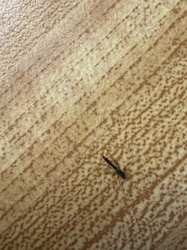
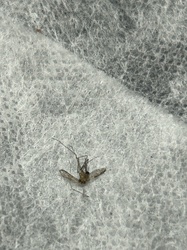
Mosquito identified by the community
Recent Mosquito finds identified with Bug Identifier.