
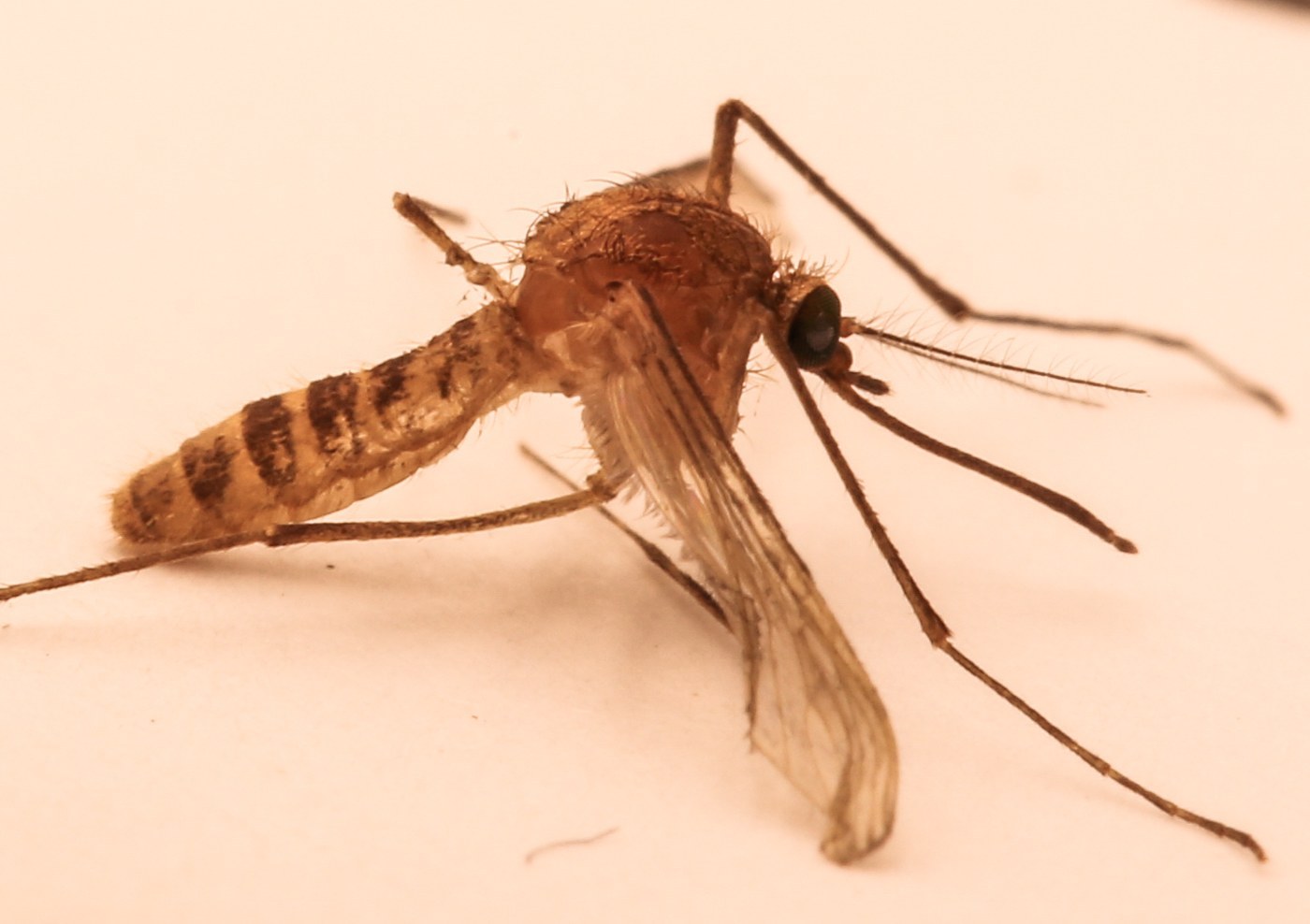
Mosquito
Culex pipiens
A slender, long-legged fly with a needle-like proboscis, narrow wings, and a distinctive high-pitched wing hum, most active around dawn, dusk, and in shaded, humid areas.
- Size
- 4–7 mm
- Habitat
- Standing water sources, wetlands, gardens, and urban areas
- Danger
- Bites
Spotted a bug like this?
Identify any bug or insect from a photo, free.
Overview
Mosquitoes make up the family Culicidae within the order Diptera, encompassing more than 3,500 described species distributed across nearly every continent. Their slender bodies, long thin legs, and specialized elongated mouthparts distinguish them from other flies at a glance.
Only female mosquitoes seek blood meals, which they use as a protein source to develop eggs, while males feed exclusively on nectar and plant fluids. This reproductive strategy has made mosquitoes one of the most studied insect groups in entomology.
Beyond their well-known interactions with humans, mosquitoes serve as an important food source for fish, amphibians, birds, and bats, and their aquatic larvae play a role in nutrient cycling within the small pools and wetlands where they develop.
How to Identify
- Slender, elongated body with a distinctly humped thorax and long, thin legs.
- Narrow wings with visible scales along the veins, giving them a slightly fringed edge.
- A prominent, forward-projecting proboscis used by females for blood feeding and by both sexes for nectar feeding.
- Feathery (plumose) antennae in males versus thinner, sparsely haired antennae in females.
- Lookalikes: crane flies are much larger, lack the piercing proboscis, and have a single pair of very long, dangling legs relative to their slim bodies.
Habitat & Range
Mosquitoes are found on every continent except Antarctica, thriving wherever standing or slow-moving water allows larvae to develop, including ponds, ditches, birdbaths, and clogged gutters. They are most active in warm, humid months, typically at dawn and dusk, and rest in shaded, sheltered vegetation during the heat of the day.
Behavior & Diet
Female mosquitoes locate hosts using carbon dioxide, body heat, and scent cues, then use their proboscis to feed briefly before departing. Both sexes also feed on floral nectar and plant sap as an energy source. Mosquito larvae are aquatic filter feeders that consume algae, bacteria, and organic debris, forming an important link in freshwater food webs.
Life Cycle
Mosquitoes undergo complete metamorphosis with four stages: egg, larva, pupa, and adult, all but the adult stage occurring in water. Eggs are laid singly or in floating rafts on the water's surface, hatching into wriggling larvae that filter-feed and molt several times before becoming comma-shaped pupae. Adults emerge from the pupal case within one to two weeks of egg-laying under warm conditions, and many temperate species overwinter as diapausing eggs or adults.
Frequently asked questions
Do all mosquitoes bite?
Only female mosquitoes feed on blood; males feed exclusively on nectar and plant fluids.
How is a mosquito different from a gnat?
Mosquitoes have a long forward-pointing proboscis and scaled wings, while most gnats are smaller with short mouthparts and lack the piercing beak.
Where do mosquitoes lay their eggs?
They lay eggs on or near standing water, including ponds, puddles, and containers that collect rainwater.
How long does a mosquito live?
Adult lifespans vary by species and sex, generally ranging from about one to a few weeks.
Mosquito guides
In-depth guides for identifying, understanding, and living alongside Mosquito.
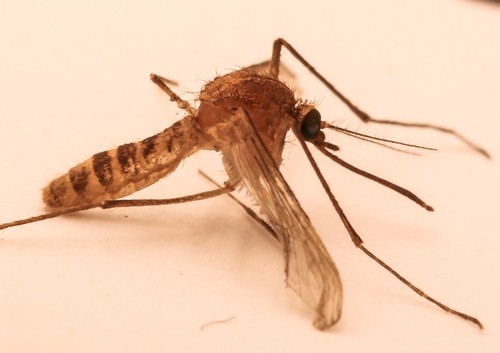
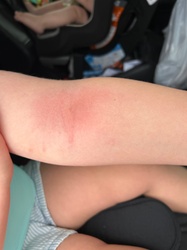
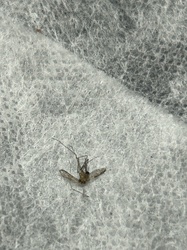
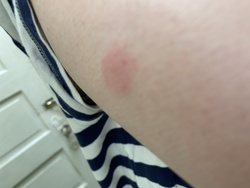
Mosquito identified by the community
Real finds identified with Bug Identifier.
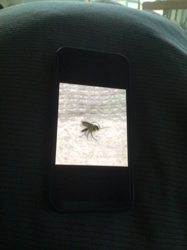
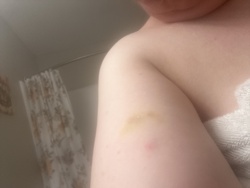
Other bugs you may enjoy
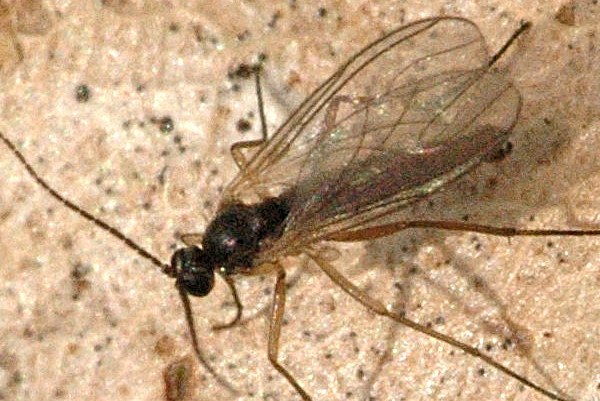
Aphid Midge
Gardens, greenhouses, and crops with aphids
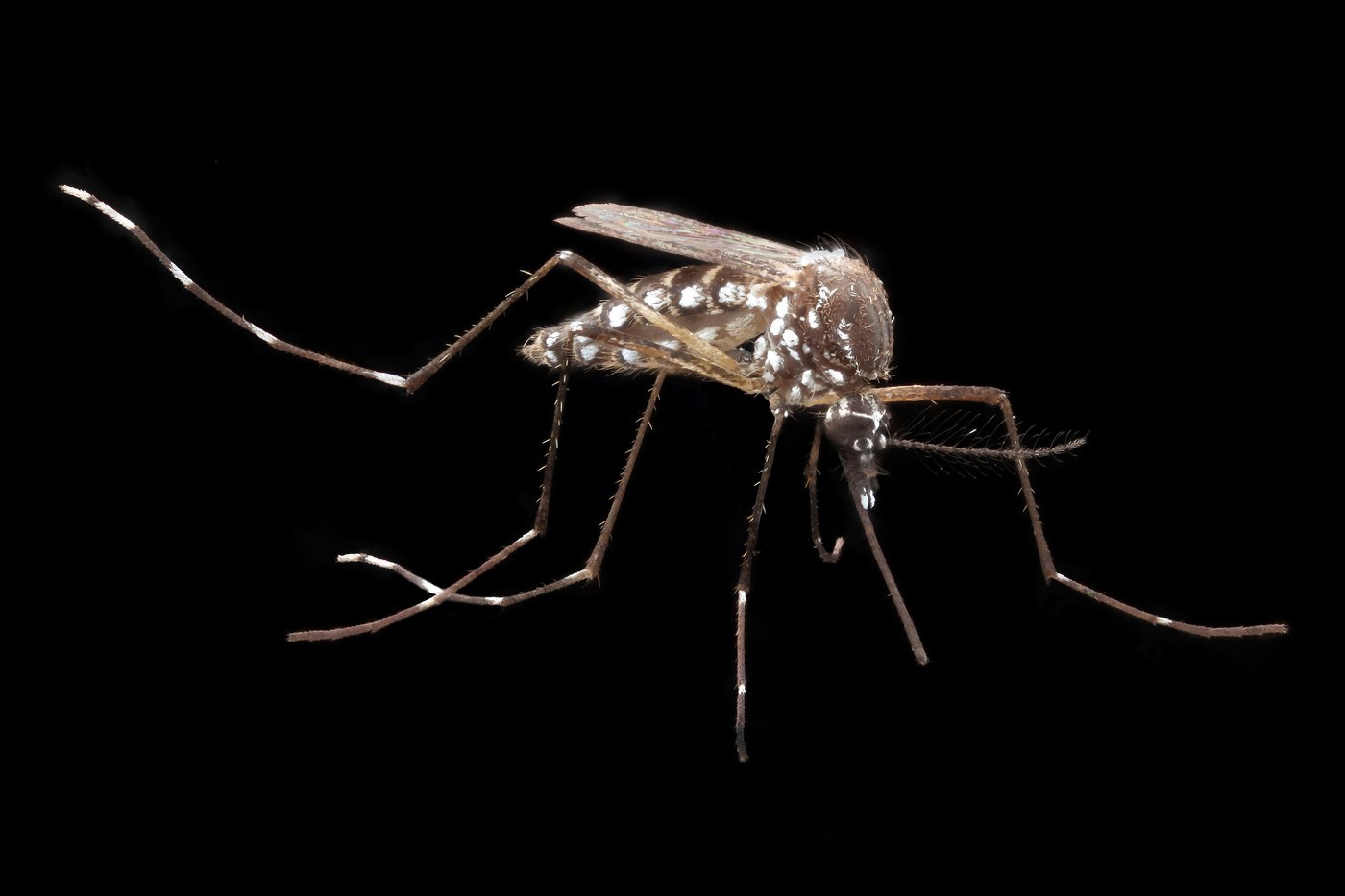
Yellow Fever Mosquito
Urban and peri-urban areas near small artificial water containers in tropical and subtropical regions worldwide
Root Maggot
Garden and field soil around the roots of cole crops and other vegetables
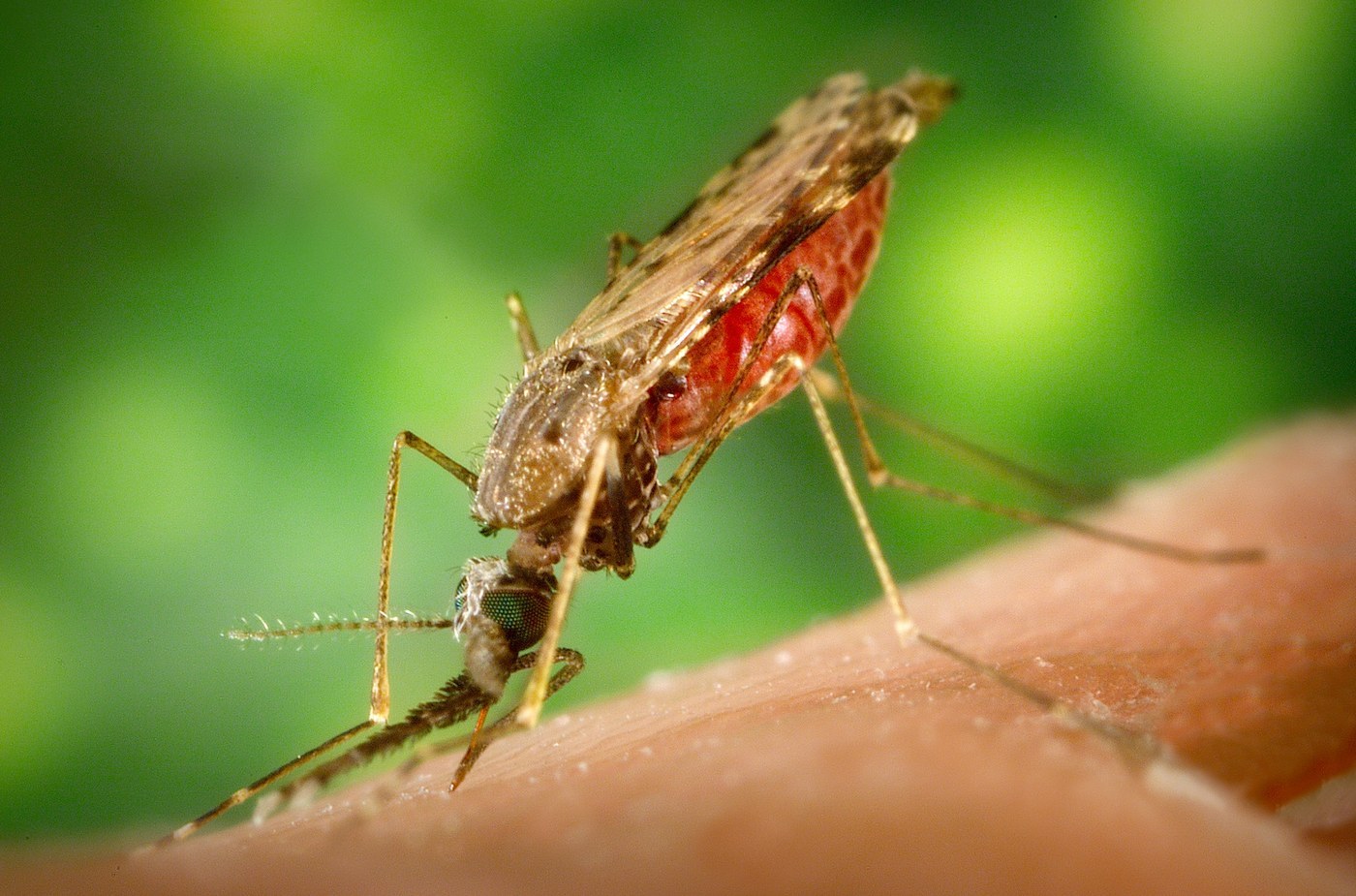
Anopheles Mosquito
Clean, still or slow-moving freshwater habitats such as marshes, ponds, and rice paddies
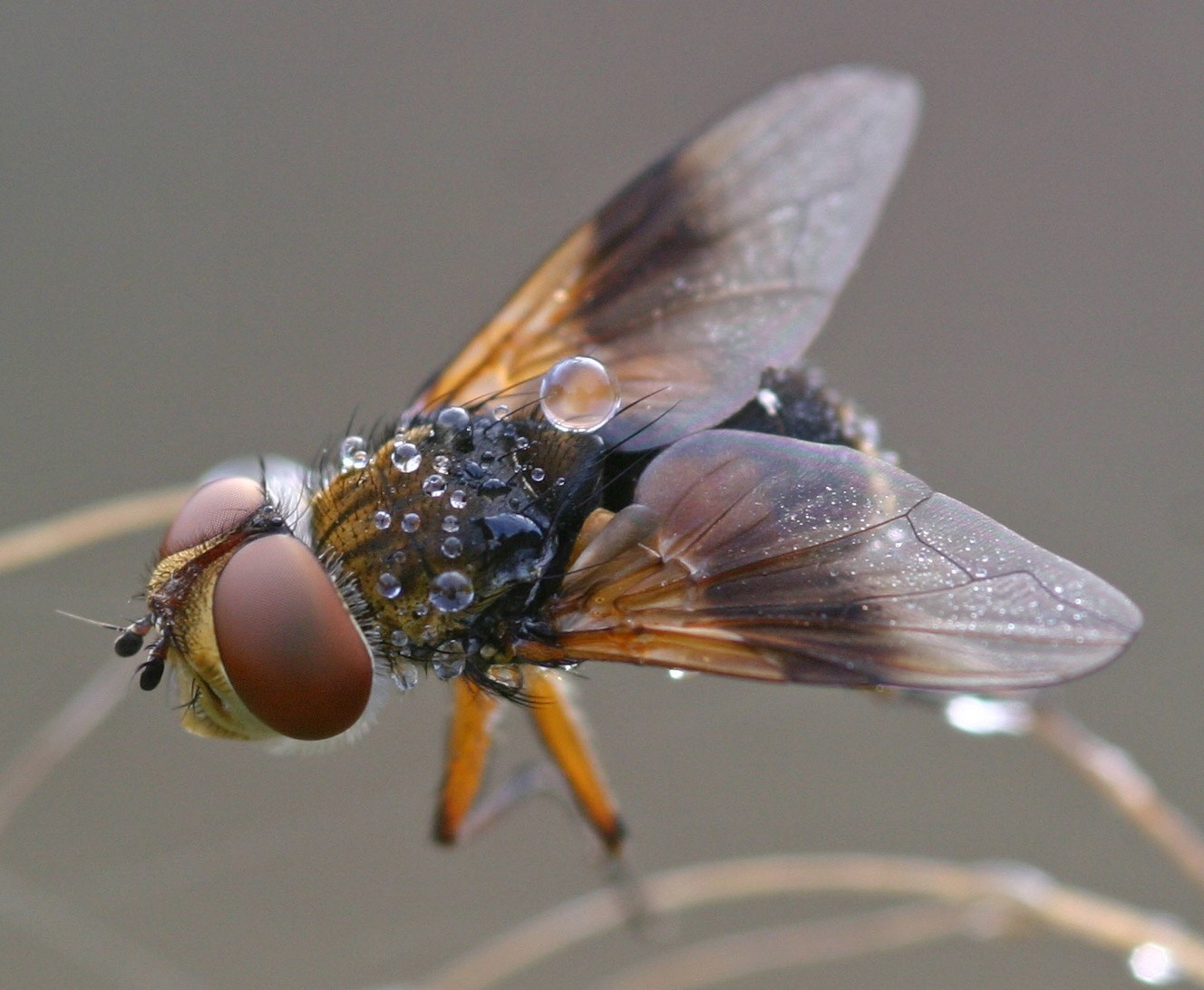
Tachinid Fly
Gardens, meadows, and woodlands wherever host caterpillars and other insects occur
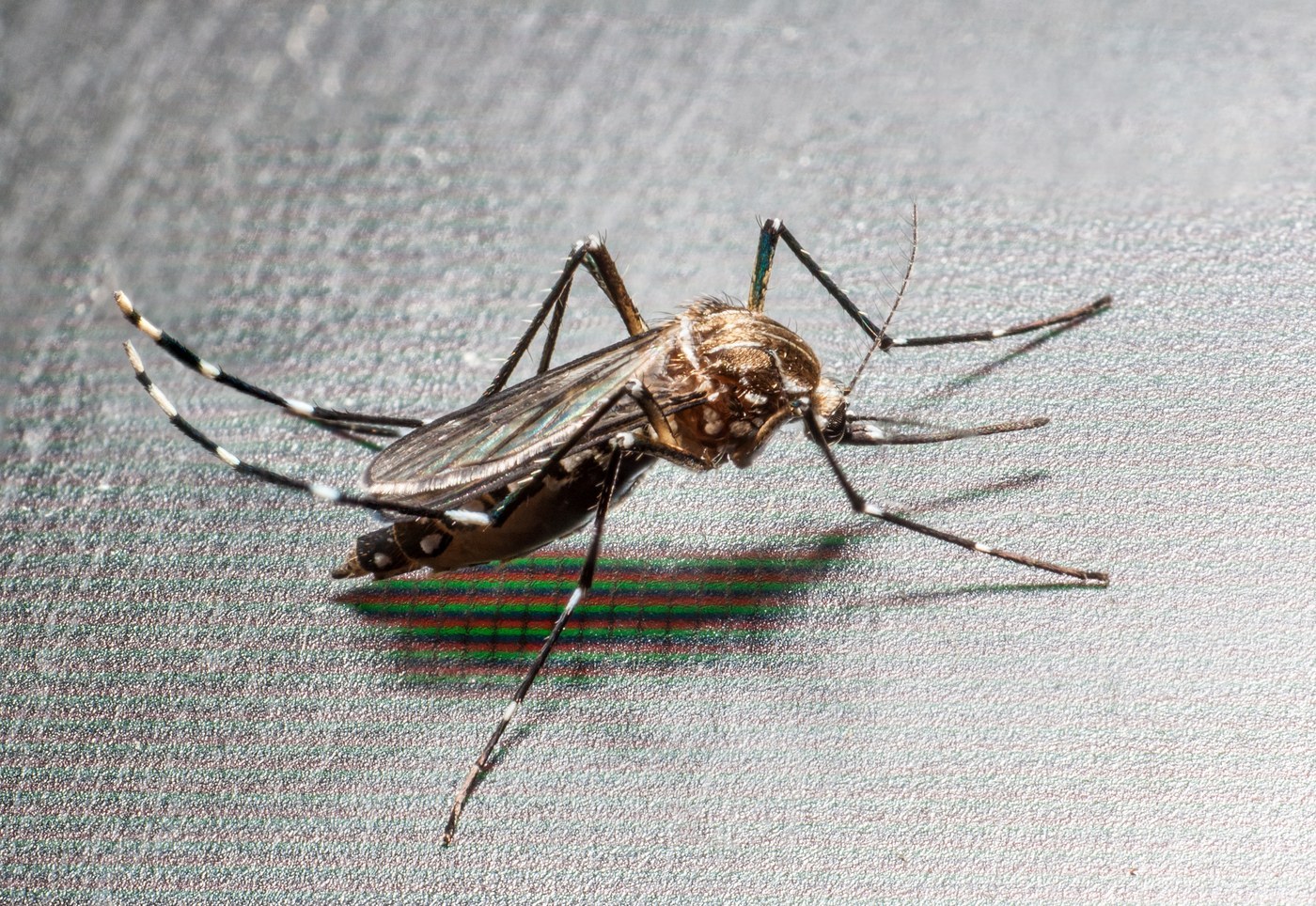
Asian Tiger Mosquito
Shaded urban and suburban areas near small water-holding containers, tires, and tree holes; native to Southeast Asia, now widespread
Tsetse Fly
Wooded savanna, riverine thickets, and forest edges across sub-Saharan Africa
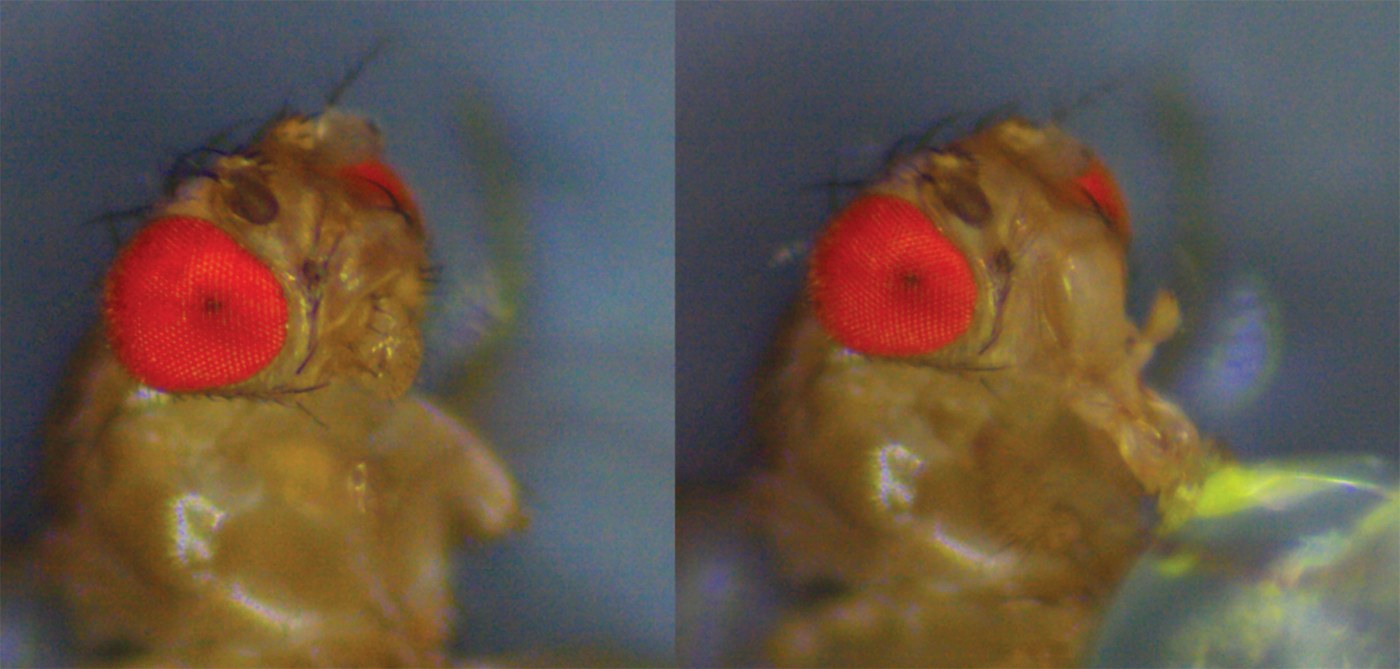
Vinegar Fly
Around overripe fruit, compost, and fermenting materials worldwide
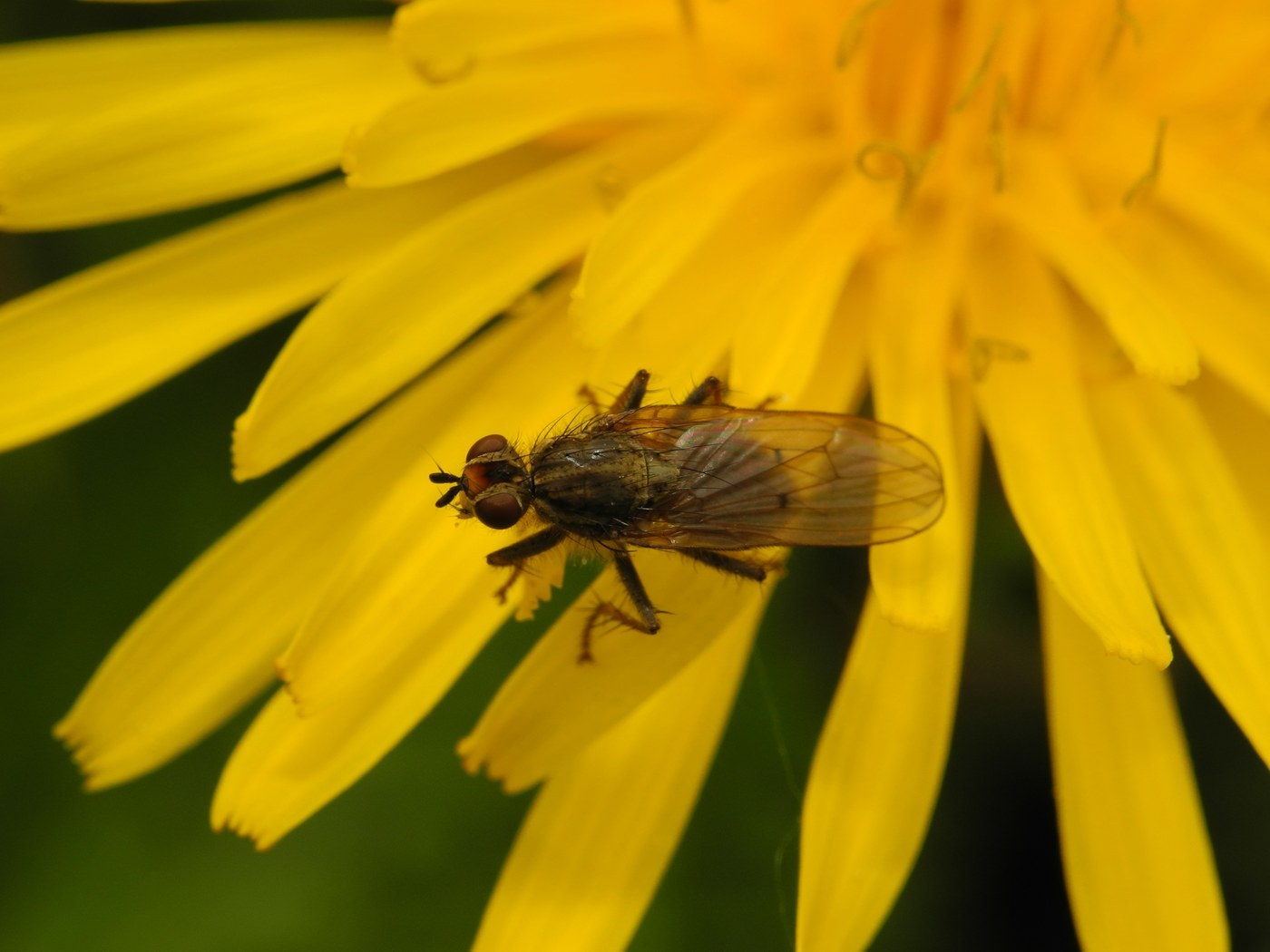
Yellow Dung Fly
Pastures and fields with fresh cattle dung
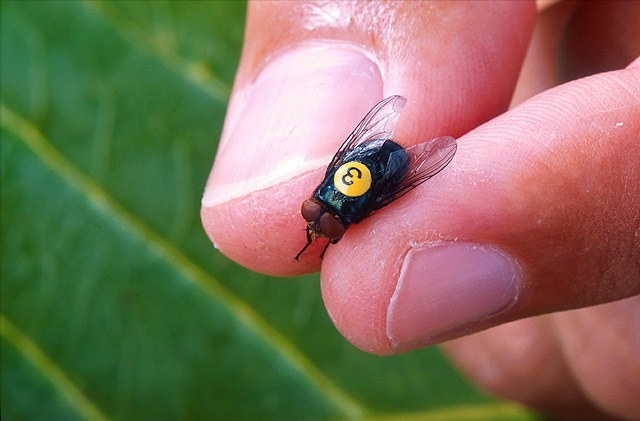
Screwworm Fly
Warm, humid lowlands of the Americas, especially near livestock and wildlife wounds
Soldier Fly
Wetland margins, decaying organic matter, and vegetation near water
Punkie
near marshes, mudflats, ponds, and other standing water