Moth Identification Guide
Learn to identify moths by their feathery antennae, folded wings at rest, and nighttime flying habits.
Read the full Moth encyclopedia entry →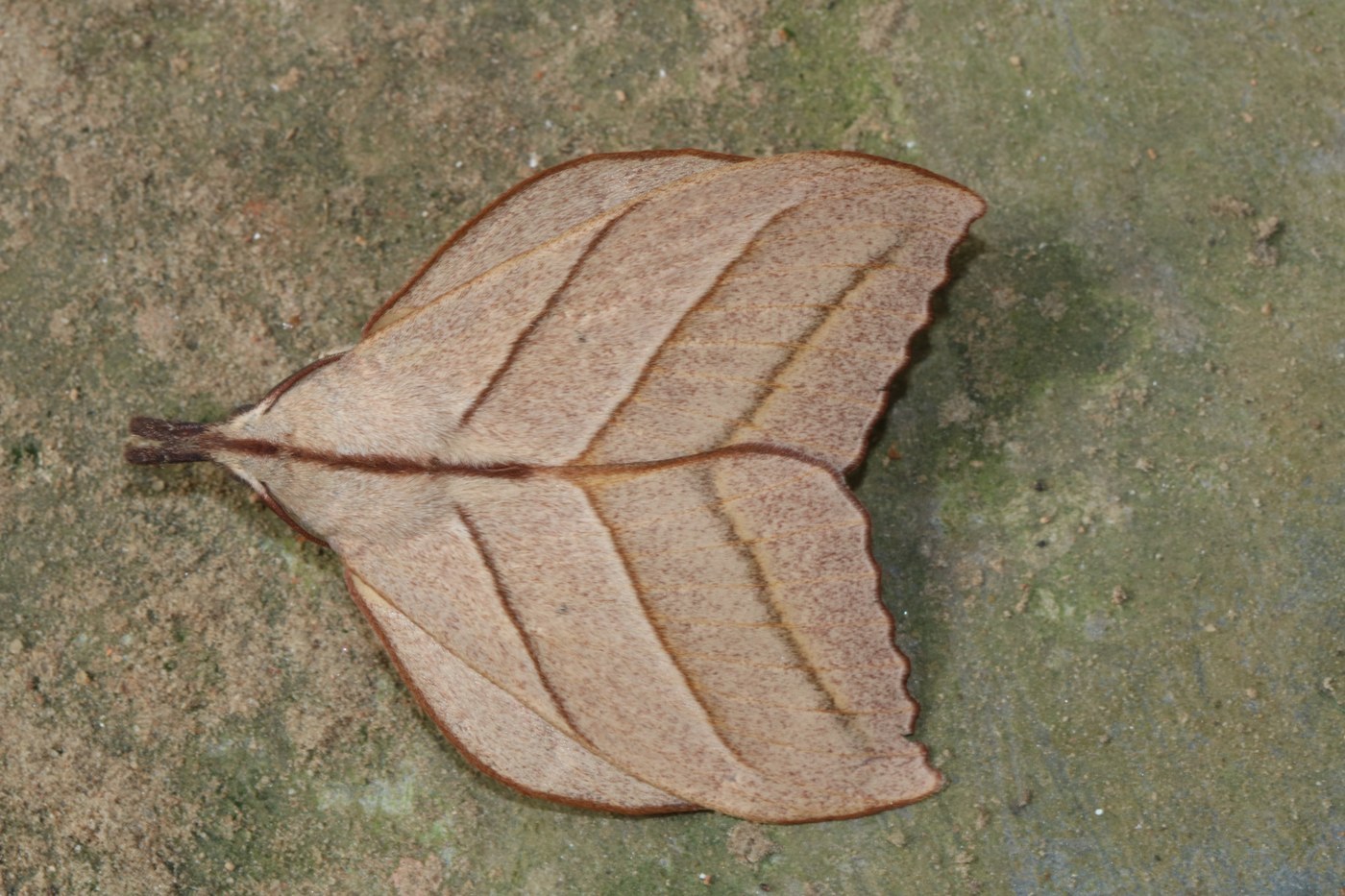
Key Visual Features
Moths are a diverse group of insects related to butterflies, with a set of general features that distinguish them as a group.
- Size: Extremely variable, from tiny species just a few millimeters across to large moths with a wingspan exceeding 15 cm (6 inches).
- Body shape: Typically a stout, often fuzzy body compared to the slimmer body of most butterflies.
- Antennae: Often feathery, comb-like, or thread-like antennae, lacking the small club-shaped tip seen on butterfly antennae.
- Wings: Usually held flat, tented, or wrapped around the body at rest, rather than folded upright over the back like most butterflies.
- Color: Wide range of patterns, frequently in muted browns, grays, and tans for camouflage, though some species show bright colors or bold eyespots.
- Body covering: Fine scales covering the wings and often dense hair-like scales on the body, giving many species a fuzzy appearance.
Where and When You'd See One
Moths are found in nearly every terrestrial habitat and are most associated with nighttime activity.
- Gardens, forests, fields, and around outdoor lights or porches at night
- Most species are nocturnal and are strongly attracted to artificial light sources
- Some species are day-flying and can be seen visiting flowers in sunlight
- Active from spring through fall in most temperate regions, with some species present year-round in warmer climates
Similar-Looking Bugs
- Butterflies typically hold their wings folded upright over the back at rest and have thin antennae with a small club at the tip, unlike a moth's feathery or thread-like antennae.
- Skippers are sometimes confused with moths due to their stout bodies, but they are active during the day and have hooked antennae tips rather than feathery ones.
- Caddisflies can resemble small moths at rest but have longer antennae and lack the scaled wings characteristic of true moths.
- Mayflies have upright, membranous wings and long tail filaments, quite different from the scaled, often patterned wings of a moth.
Quick ID Checklist
- Feathery, comb-like, or thread-like antennae without a clubbed tip
- Wings held flat, tented, or wrapped at rest (not upright)
- Stout, often fuzzy body covered in fine scales
- Frequently active at night and attracted to light
- Muted camouflage coloring in most species, though some are brightly patterned
Frequently asked questions
How can I tell a moth from a butterfly?
Moths generally have feathery or thread-like antennae without a clubbed tip and rest with wings held flat or tented, while butterflies have thin clubbed antennae and typically fold their wings upright over the back.
Are all moths active at night?
Most species are nocturnal and attracted to light, but some species are day-flying and can be seen visiting flowers in sunlight.
Why do moths look fuzzy?
Many species have dense, hair-like scales covering the body, giving them a soft, fuzzy appearance compared to the smoother look of many butterflies.
What is the size range of moths?
It varies enormously, from tiny species only a few millimeters across to large moths with wingspans exceeding 15 cm.
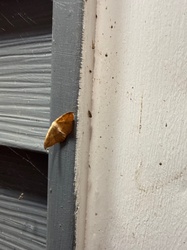
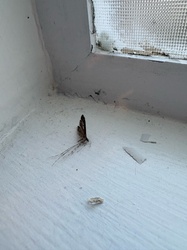
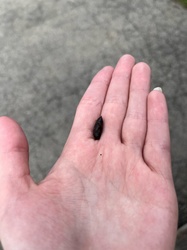
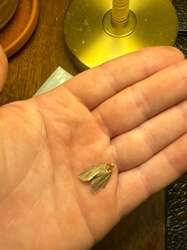
Moth identified by the community
Recent Moth finds identified with Bug Identifier.