
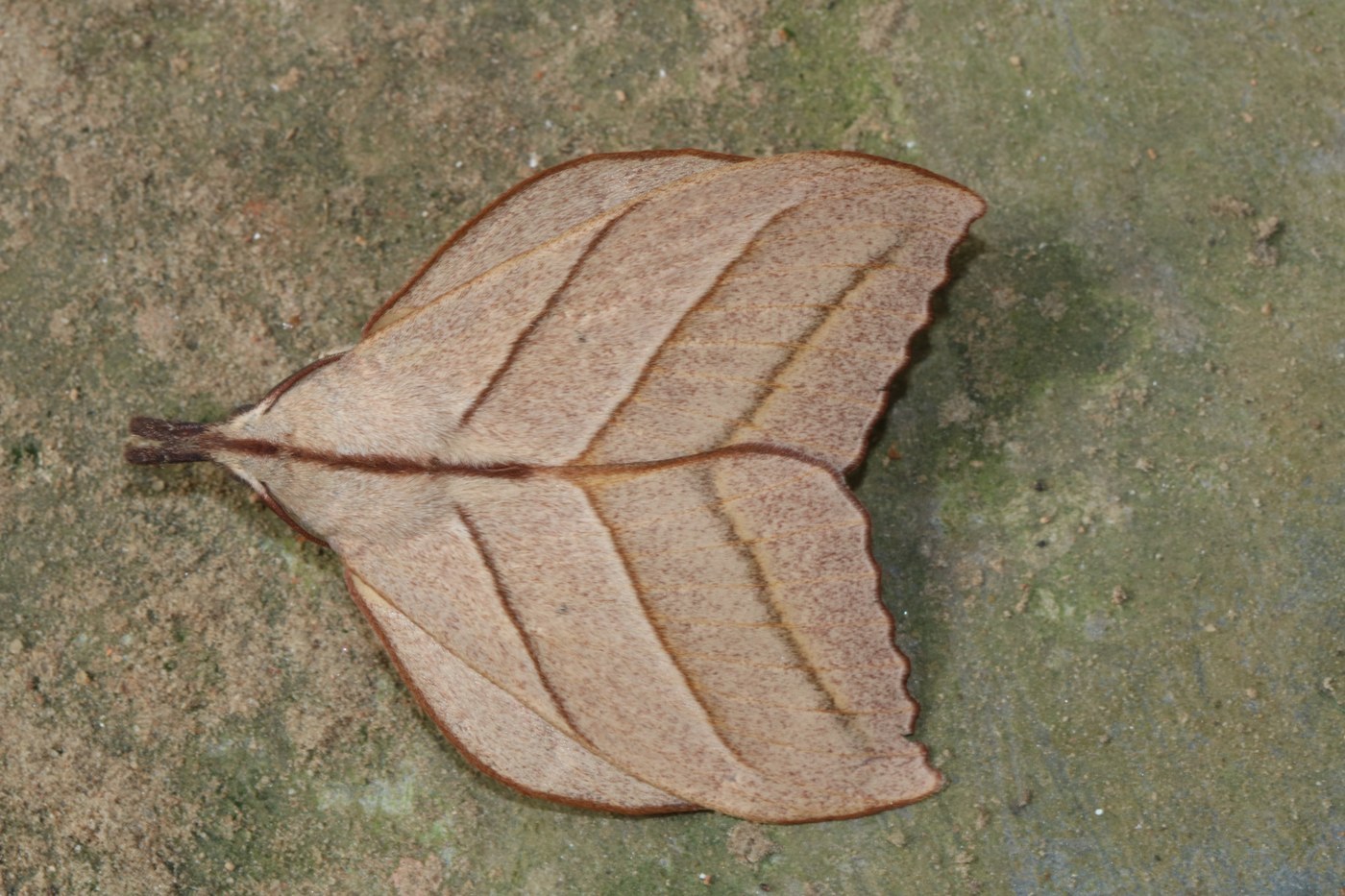
Moth
Lepidoptera spp.
A broad group of scale-winged insects related to butterflies, typically nocturnal, with stout, often furry bodies and feathery or thread-like antennae.
- Size
- 5 mm–150 mm wingspan (varies widely by species)
- Habitat
- Nearly every terrestrial habitat, gardens, forests, near lights at night
- Danger
- Harmless
Spotted a bug like this?
Identify any bug or insect from a photo, free.
Overview
Moths make up the vast majority of the order Lepidoptera, sharing the order with butterflies but far outnumbering them, with well over 150,000 described species worldwide. They range from tiny, inconspicuous micromoths only a few millimeters across to spectacular giant silk moths with wingspans exceeding six inches.
Moths are ecologically vital: as adults many pollinate night-blooming flowers, while their caterpillars are a foundational food source for birds and other wildlife. Their incredible diversity in size, color, and wing pattern makes the group one of the richest in the insect world, occupying nearly every terrestrial habitat on Earth.
How to Identify
- Stout, often furry or scaled body, ranging from under 1 cm to over 15 cm in wingspan depending on species.
- Wings typically held flat or tented over the body at rest, unlike the upright wings of most resting butterflies.
- Antennae usually feathery, comb-like, or simple threadlike filaments, lacking the clubbed tip typical of butterflies.
- Colors range from drab browns and grays for camouflage to vivid patterns in some day-flying or brightly marked species.
- Lookalike: distinguished from butterflies mainly by resting wing posture, antennae shape, and generally duller, more robust bodies, though many exceptions exist.
Habitat & Range
Moths occur on every continent except Antarctica, occupying forests, grasslands, deserts, wetlands, and urban gardens. Most species are nocturnal and are commonly observed at porch lights or bait traps, though a significant number of species are day-flying and visit flowers like butterflies.
Behavior & Diet
Adult moths feed on nectar, tree sap, or in some species not at all, relying on fat reserves stored during the caterpillar stage. Many use scent and pheromone communication to locate mates over long distances at night, and some produce ultrasonic clicks as a defense against echolocating bats. Their caterpillars feed on an enormous range of plant material, making moths key links in terrestrial food webs as both herbivores and prey.
Life Cycle
Moths undergo complete metamorphosis: egg, larva (caterpillar), pupa, and adult. Eggs are laid on or near host plants, hatching into caterpillars that feed and molt through several stages before spinning a cocoon or forming a chrysalis-like pupa. Depending on species and climate, moths may produce one to several generations per year, overwintering as eggs, larvae, pupae, or occasionally adults.
Frequently asked questions
What is the difference between a moth and a butterfly?
Moths generally have feathery antennae and rest with wings flat, while butterflies have clubbed antennae and typically rest with wings upright, though there are exceptions on both sides.
Are all moths nocturnal?
Most moths are active at night, but a notable number of species fly during the day and visit flowers much like butterflies.
Why are moths attracted to lights?
The exact reason is debated, but many nocturnal moths are drawn to artificial light sources, disrupting their normal navigation.
How many species of moths are there?
Moths make up the majority of the order Lepidoptera, with well over 150,000 described species worldwide.
Moth guides
In-depth guides for identifying, understanding, and living alongside Moth.
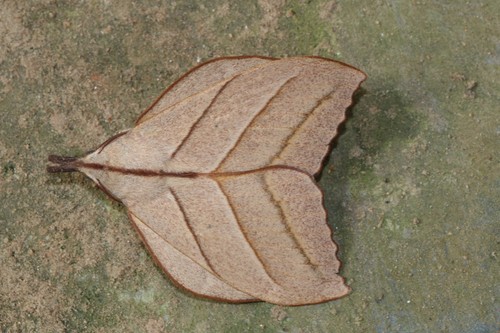
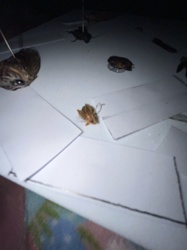
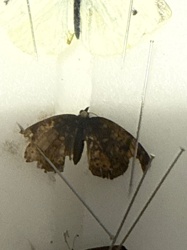
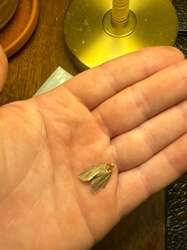
Moth identified by the community
Real finds identified with Bug Identifier.
Other bugs you may enjoy
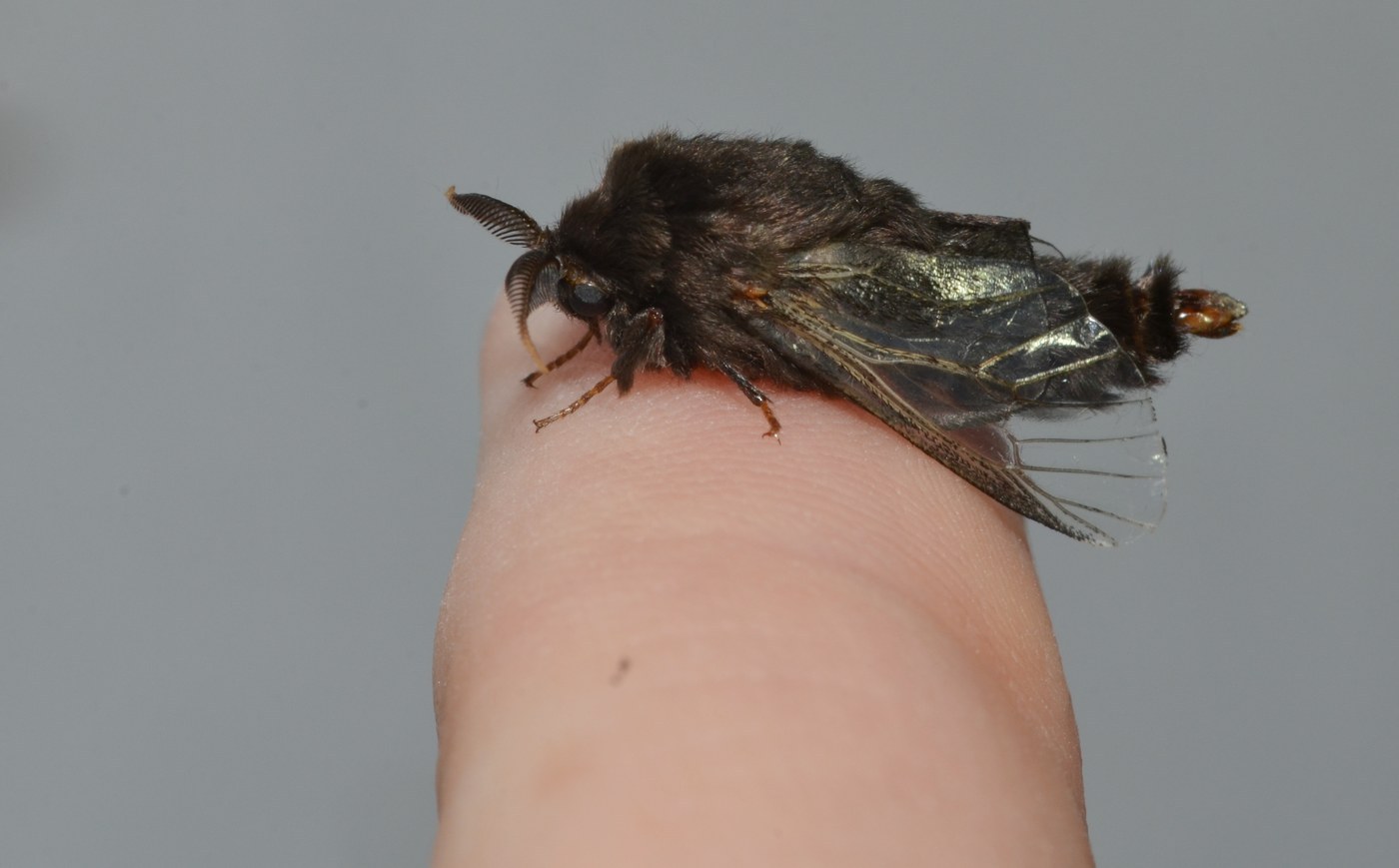
Bagworm Moth
Coniferous and deciduous trees, shrubs, hedges
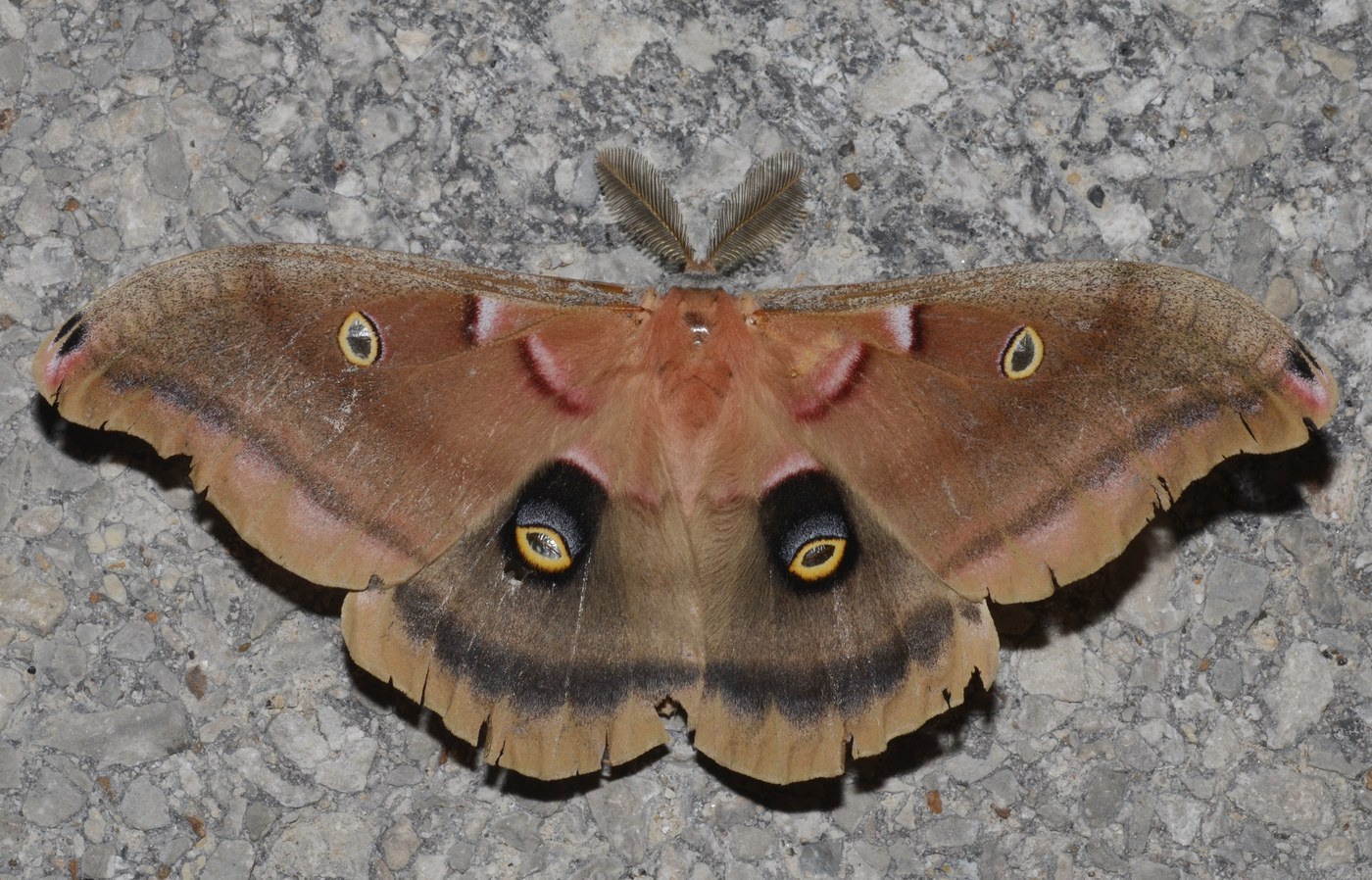
Antheraea Silkmoth
Deciduous forests, woodland edges, orchards
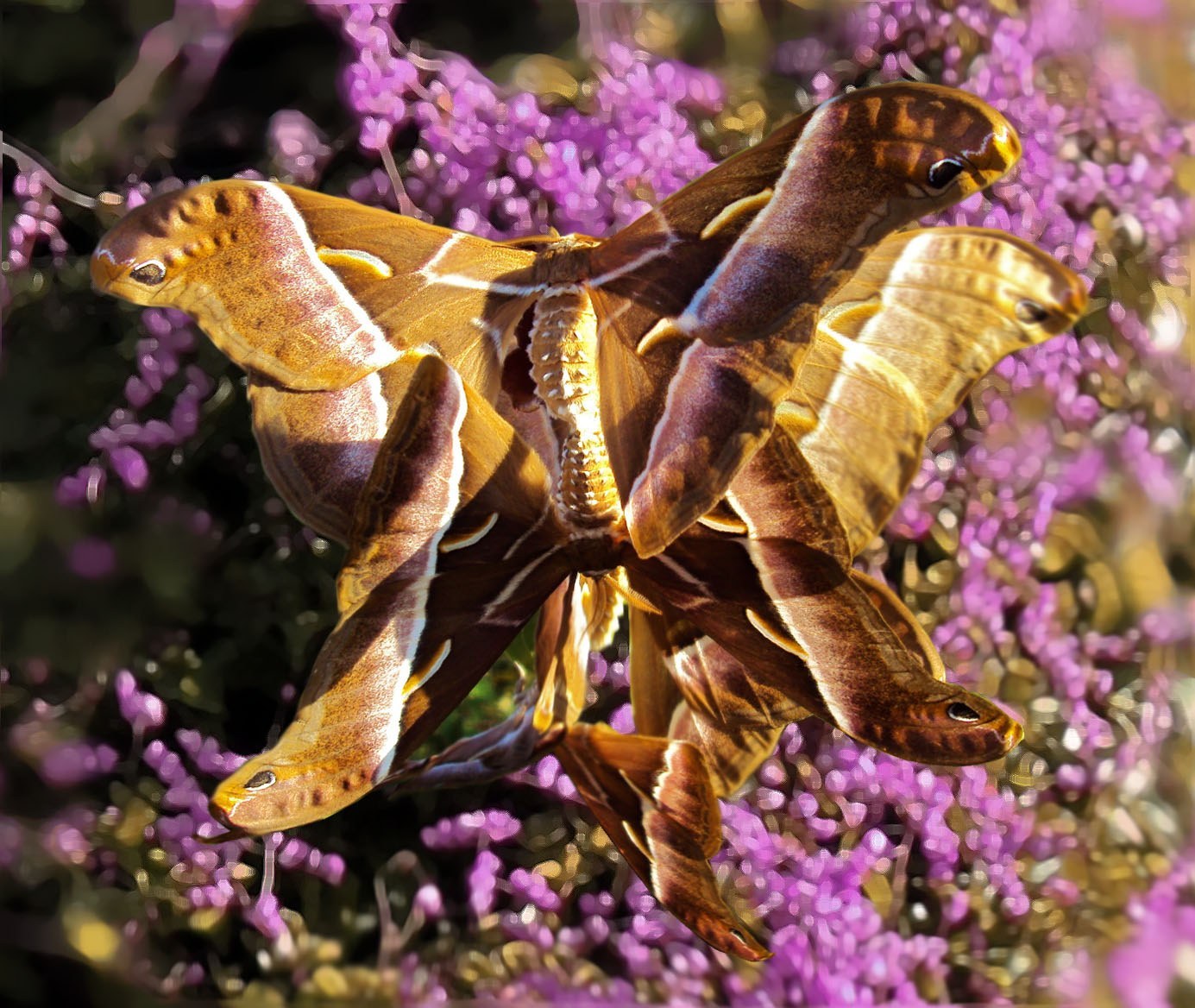
Ailanthus Silkmoth (Cynthia Moth)
Urban parks, wastelands, and woodland edges with tree-of-heaven; native to Asia, introduced in North America and Europe
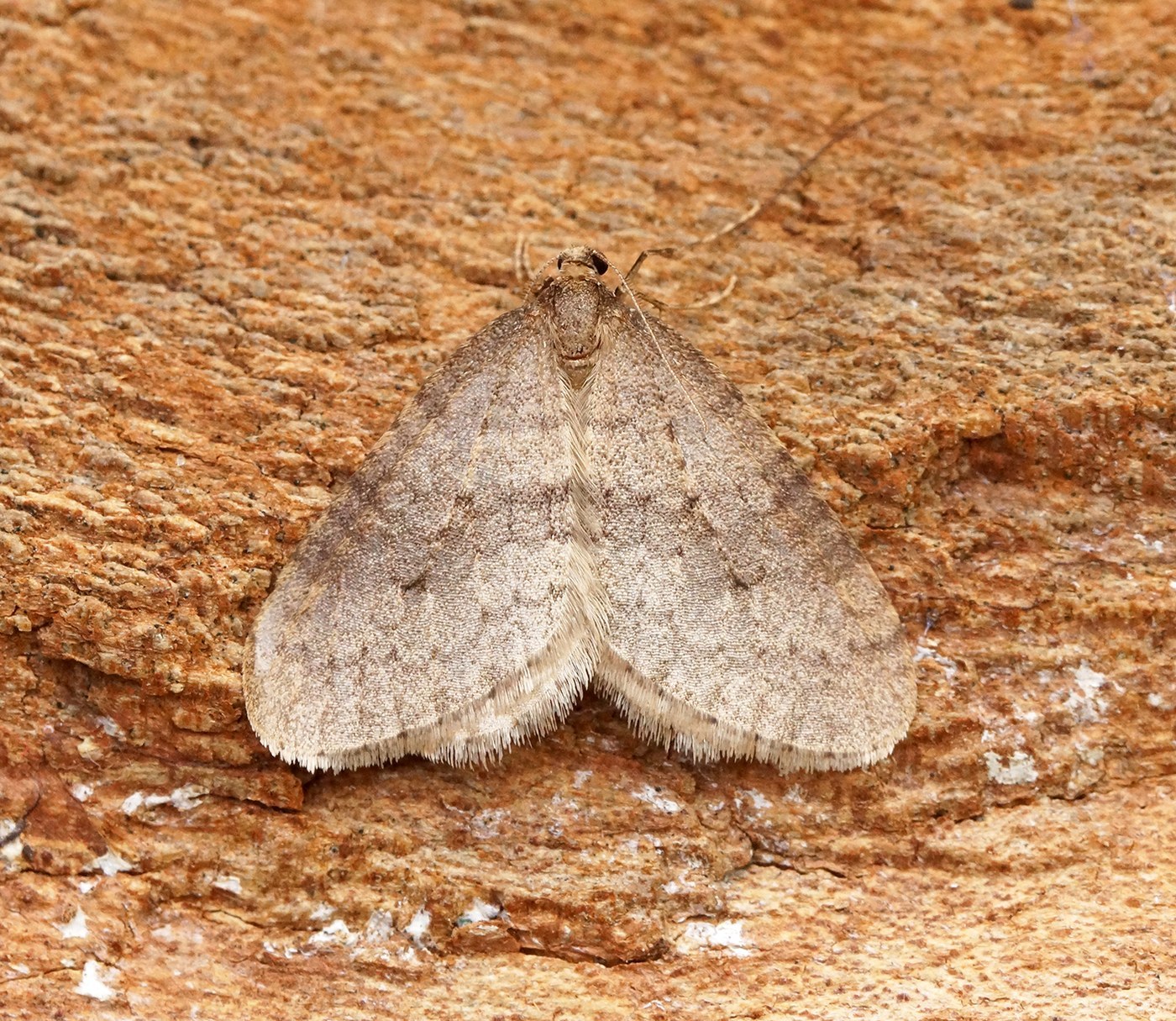
Winter Moth
Deciduous woodland, orchards, gardens, hedgerows
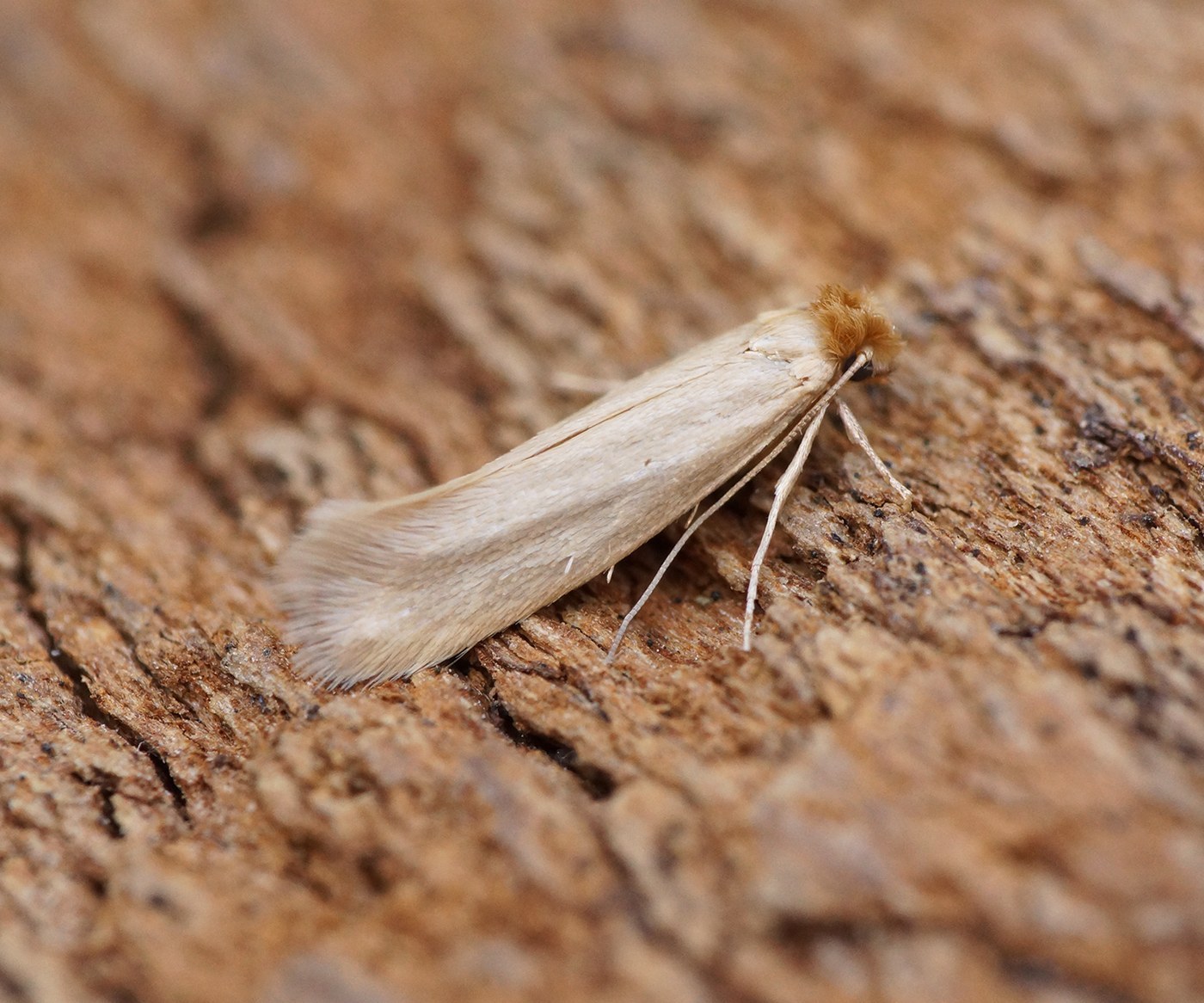
Webbing Clothes Moth
Dark closets, storage areas, and animal nests worldwide
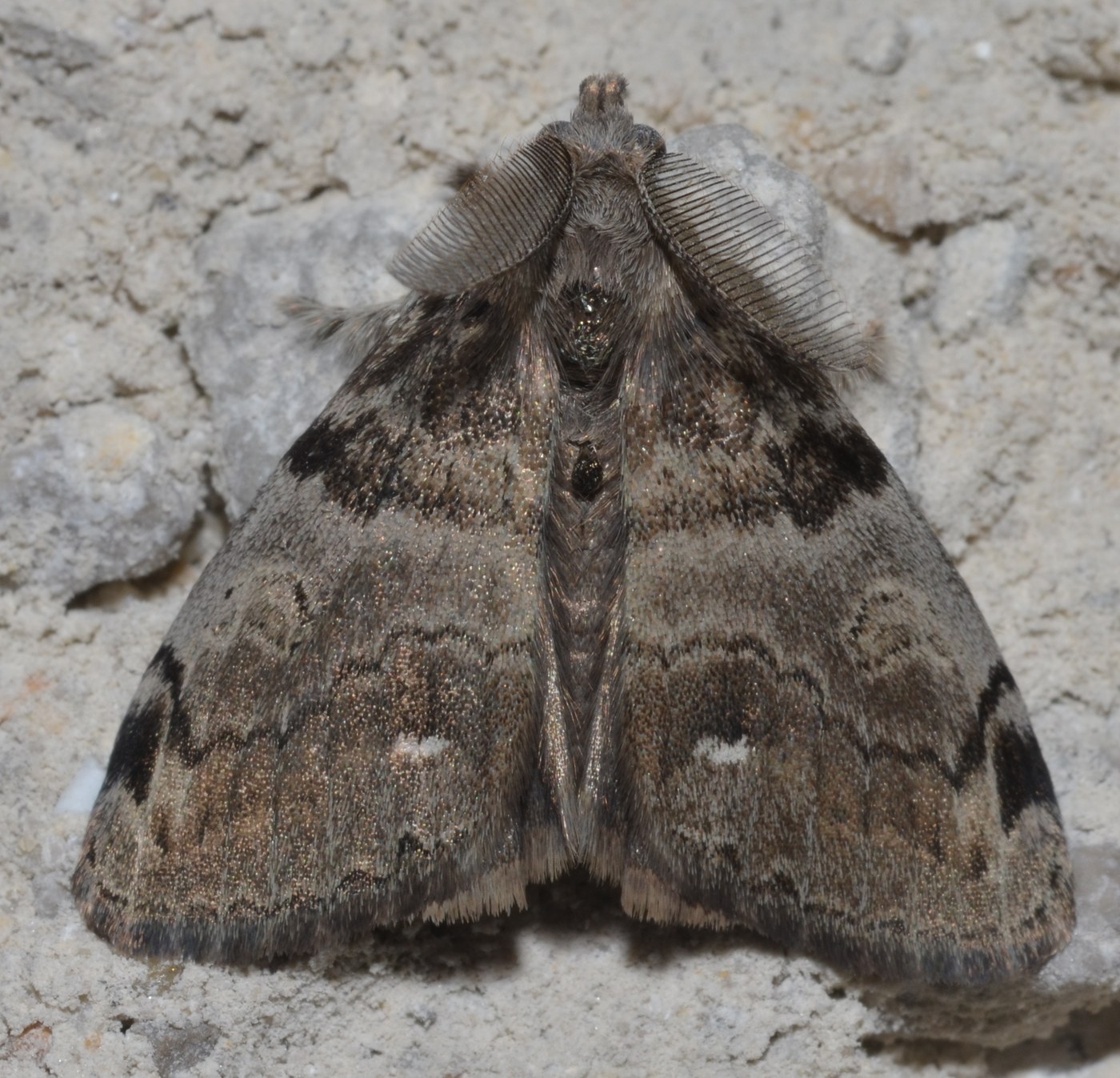
Tussock Moth
Deciduous forests, parks, gardens
Wax Moth
Beehives, apiaries, stored beeswax and comb
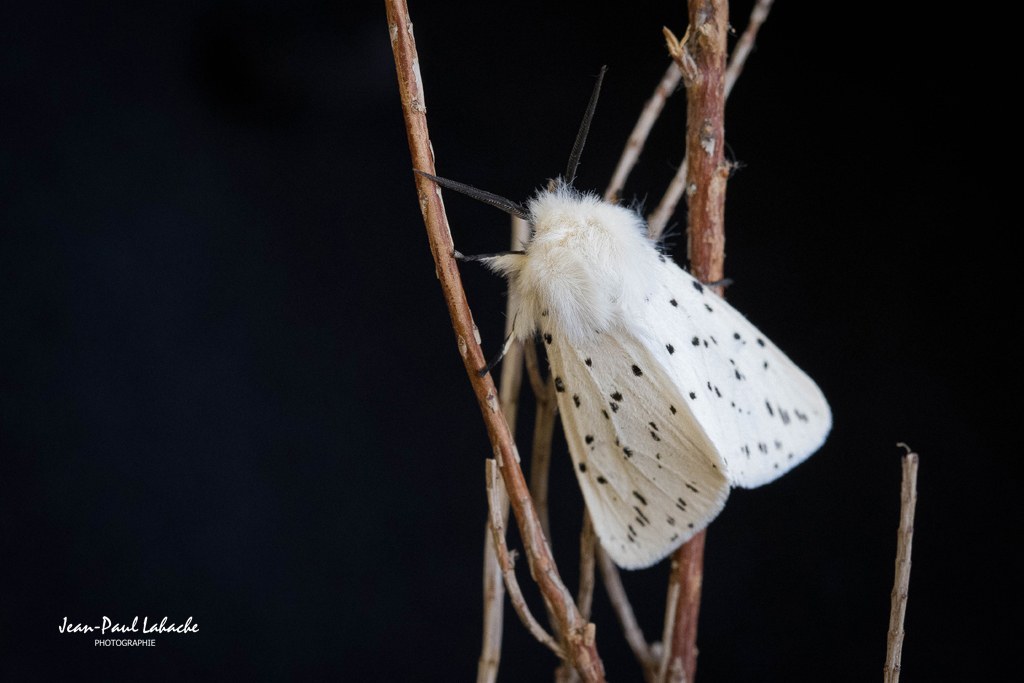
White Ermine Moth
Gardens, meadows, hedgerows
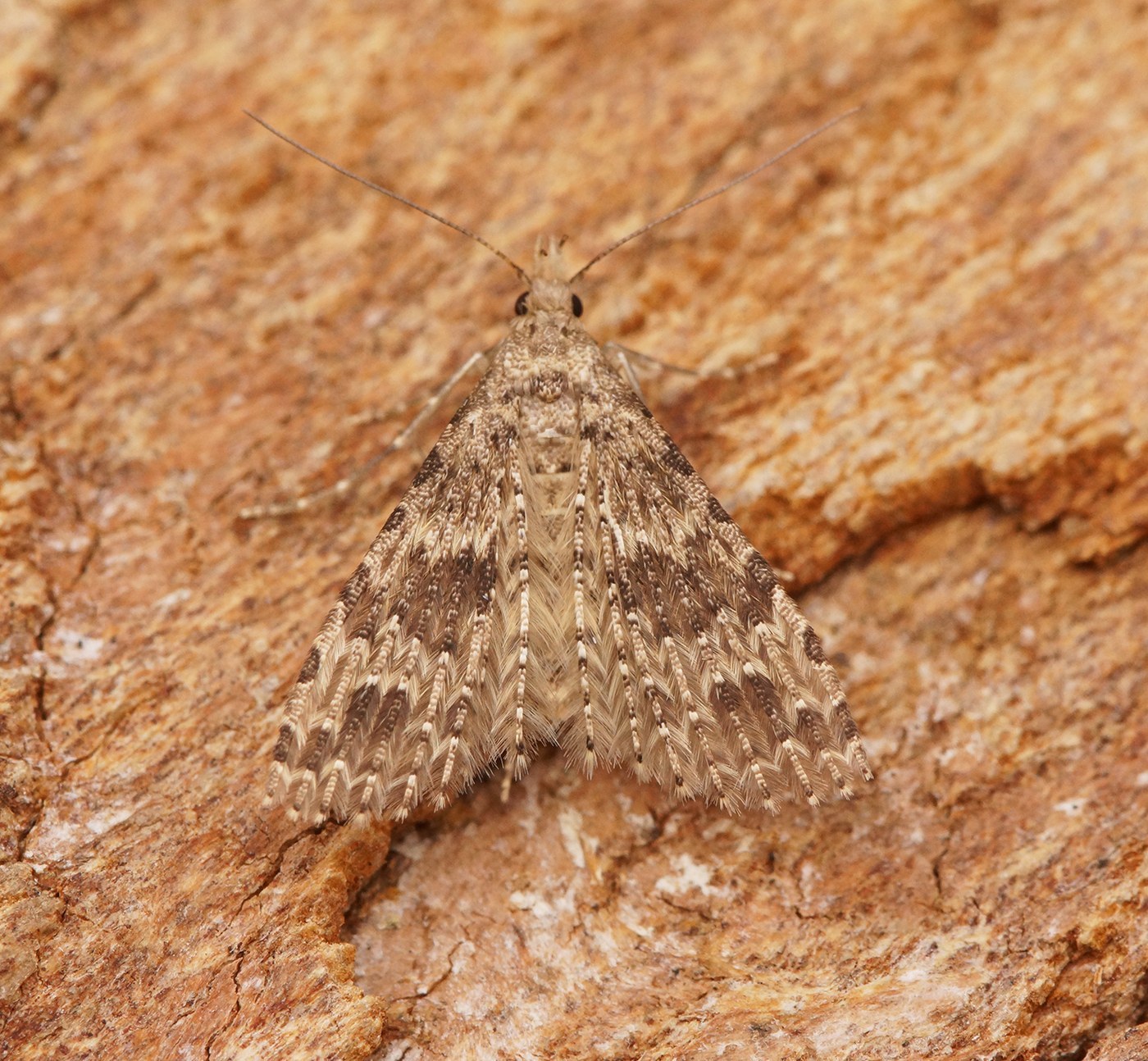
Twenty-plume Moth
Gardens, hedgerows, near honeysuckle
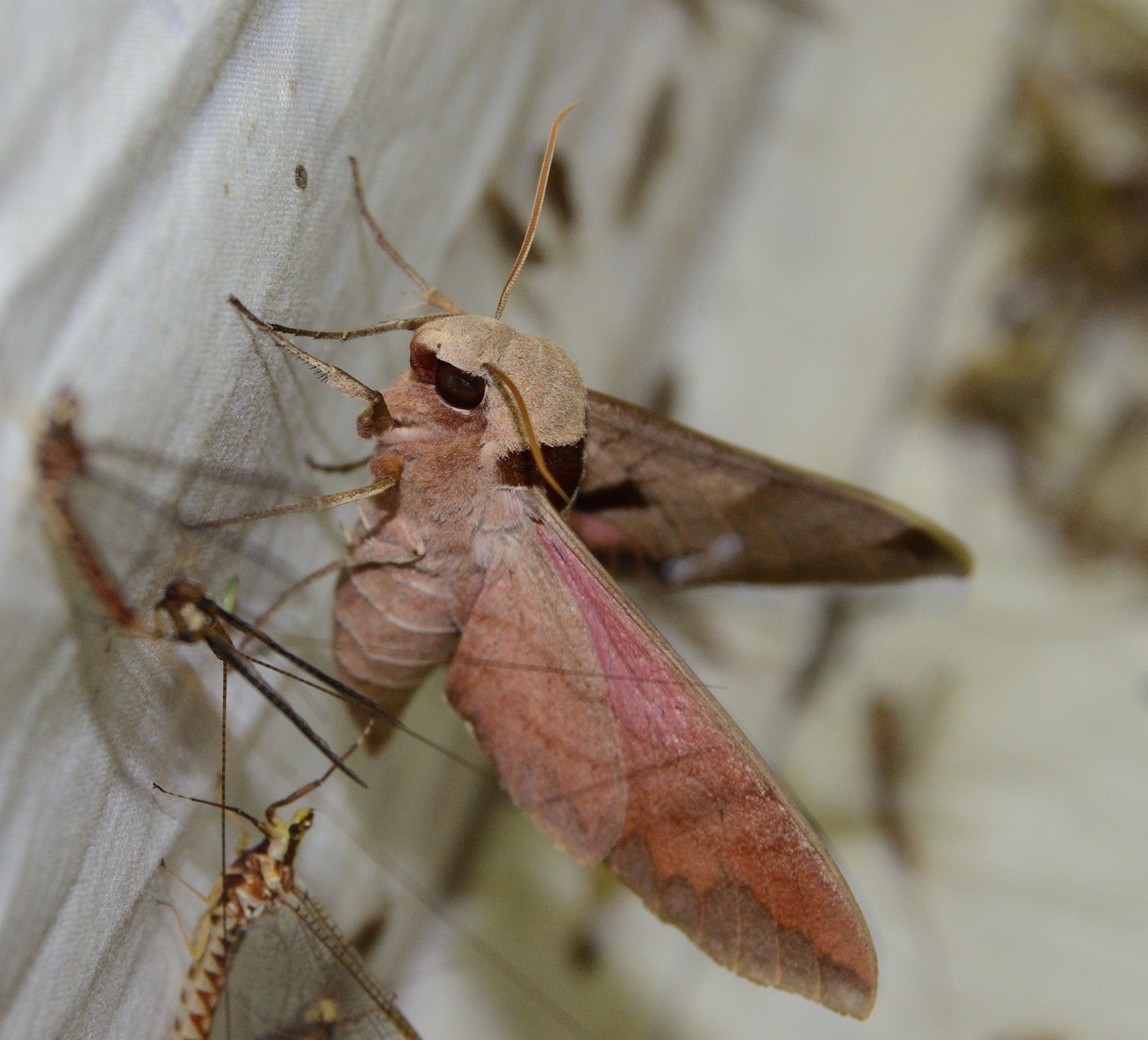
Achemon Sphinx Moth
Vineyards, woodland edges, gardens with wild grape
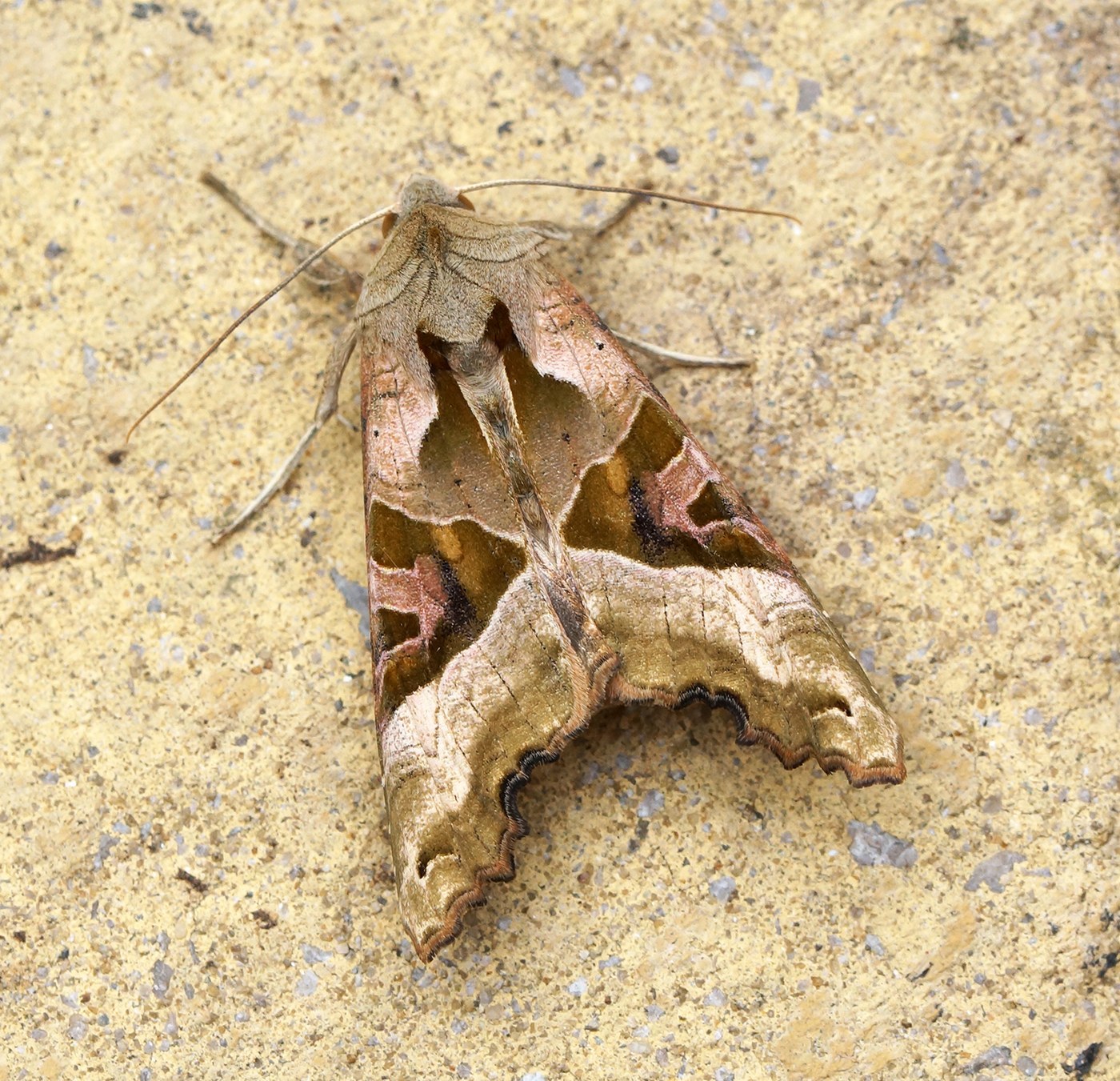
Angle Shades Moth
Gardens, hedgerows, woodland edges, urban parks
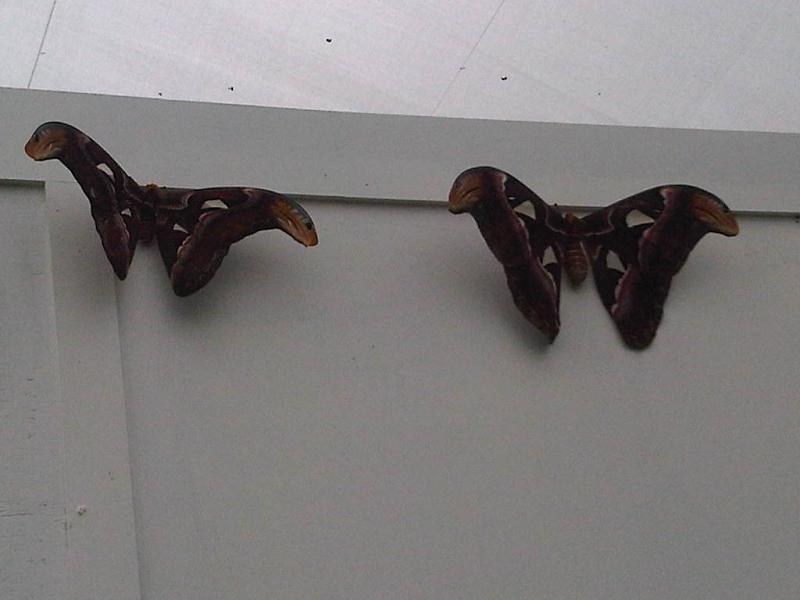
Atlas Moth
Tropical and subtropical lowland forests of Southeast Asia