Praying Mantis Identification Guide
Identify a praying mantis by its rotating triangular head and raised, spiked front legs.
Read the full Praying Mantis encyclopedia entry →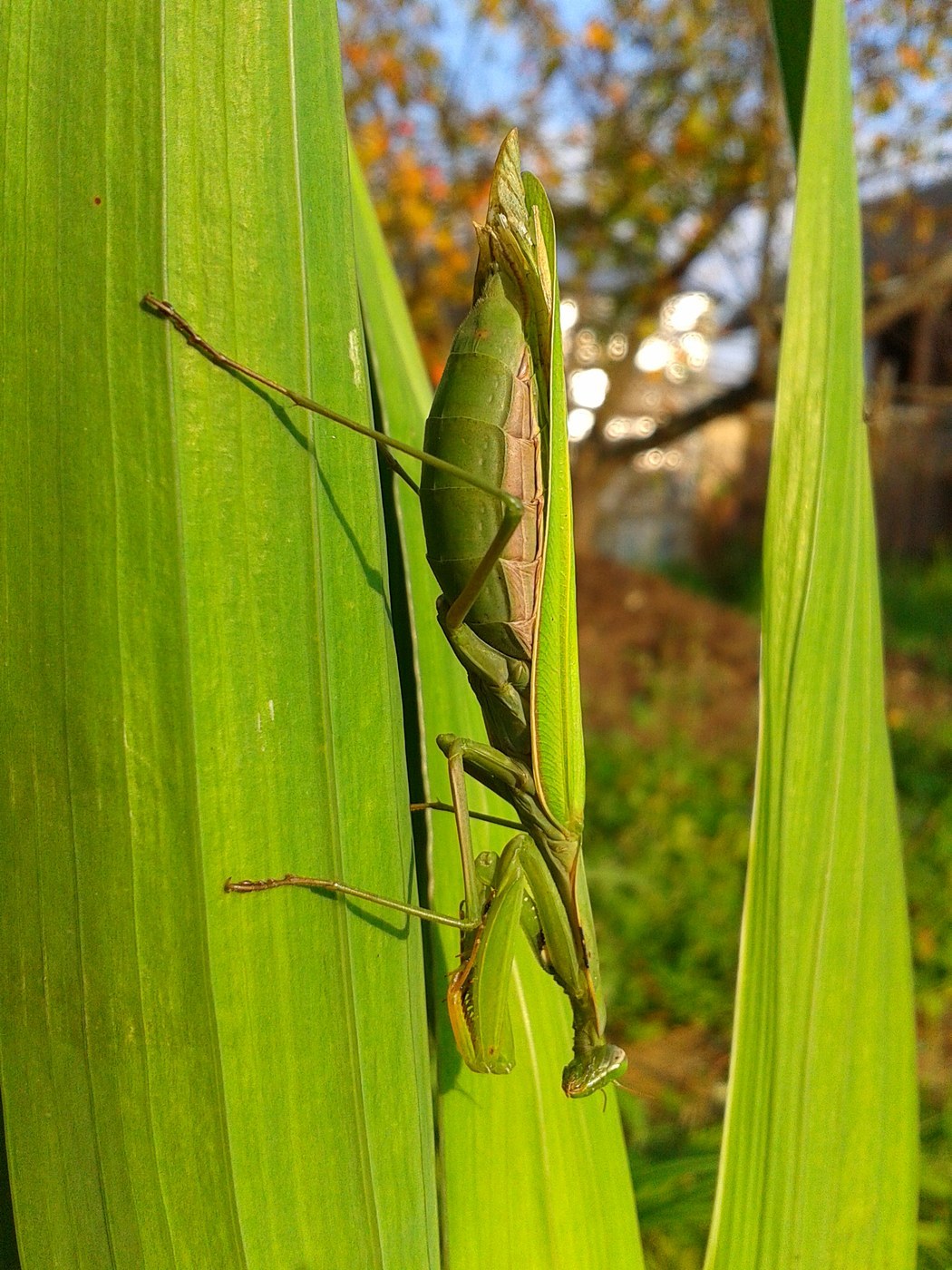
Key Visual Features
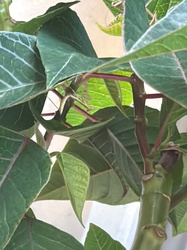
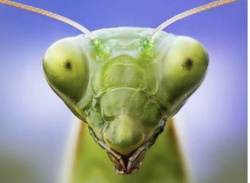
The praying mantis (family Mantidae) has an unmistakable silhouette: an elongated body, usually 2 to 5 inches long, topped by a triangular head that can swivel nearly 180 degrees—a rare ability among insects. Large, forward-facing compound eyes give it excellent depth perception for spotting prey. The most distinctive feature is the pair of raised, spined forelegs held folded in front of the body in the classic "praying" posture, ready to snap forward and grasp anything that comes within reach. Adults typically have two pairs of wings folded flat along the back, with the outer forewings leathery and the inner hindwings more delicate. Coloring is usually green or brown, closely matching surrounding foliage or dry vegetation for camouflage.
Where and When You'll See It
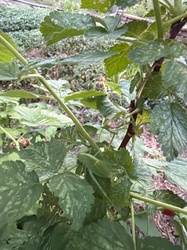
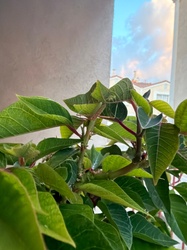
Mantises are found in gardens, meadows, tall grass, and shrubby edges, where they perch motionless on leaves, stems, or flowers waiting to ambush passing insects. They rely on stillness and camouflage rather than active hunting, so they're often overlooked until they move. Nymphs hatch in spring and grow through the summer, with adults reaching full size and becoming most conspicuous in late summer and early fall. In cooler climates, egg cases (oothecae)—foamy, papery masses attached to twigs or stems—are the life stage that survives winter, hatching the following spring.
Similar-Looking Bugs
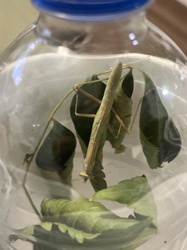
- Stick insects (walkingsticks): Lack the raised, spined front legs and praying posture, and have a longer, thinner, twig-like body without the mantis's triangular head.
- Other mantid species: Vary somewhat in color and size (some are pale pink or mottled brown), but all share the same rotating head and raptorial forelegs.
- Grasshoppers: Lack the distinctive folded front legs and triangular swiveling head entirely.
Quick ID Checklist
- Triangular head capable of turning nearly 180 degrees
- Large, forward-facing compound eyes
- Raised, spiked forelegs held folded in a "praying" position
- Elongated green or brown body blending with foliage
- Perches motionless on plants, most visible in late summer/fall
Frequently asked questions
How can I tell a mantis from a stick insect?
A mantis has raised, spined front legs held in a folded praying posture and a distinctly triangular head, while stick insects have a plain, twig-like body without those raptorial front legs.
Why does a mantis's head look so unusual?
Its triangular head can rotate nearly 180 degrees, an unusual trait among insects that gives it a wide field of view for tracking movement.
What are those foamy masses on twigs in winter?
Those are mantis egg cases, called oothecae, which protect the eggs through the cold months until nymphs emerge in spring.
When are praying mantises easiest to spot?
They are most noticeable in late summer and early fall, once nymphs have grown into full-sized, more visible adults.
Praying Mantis identified by the community
Recent Praying Mantis finds identified with Bug Identifier.