
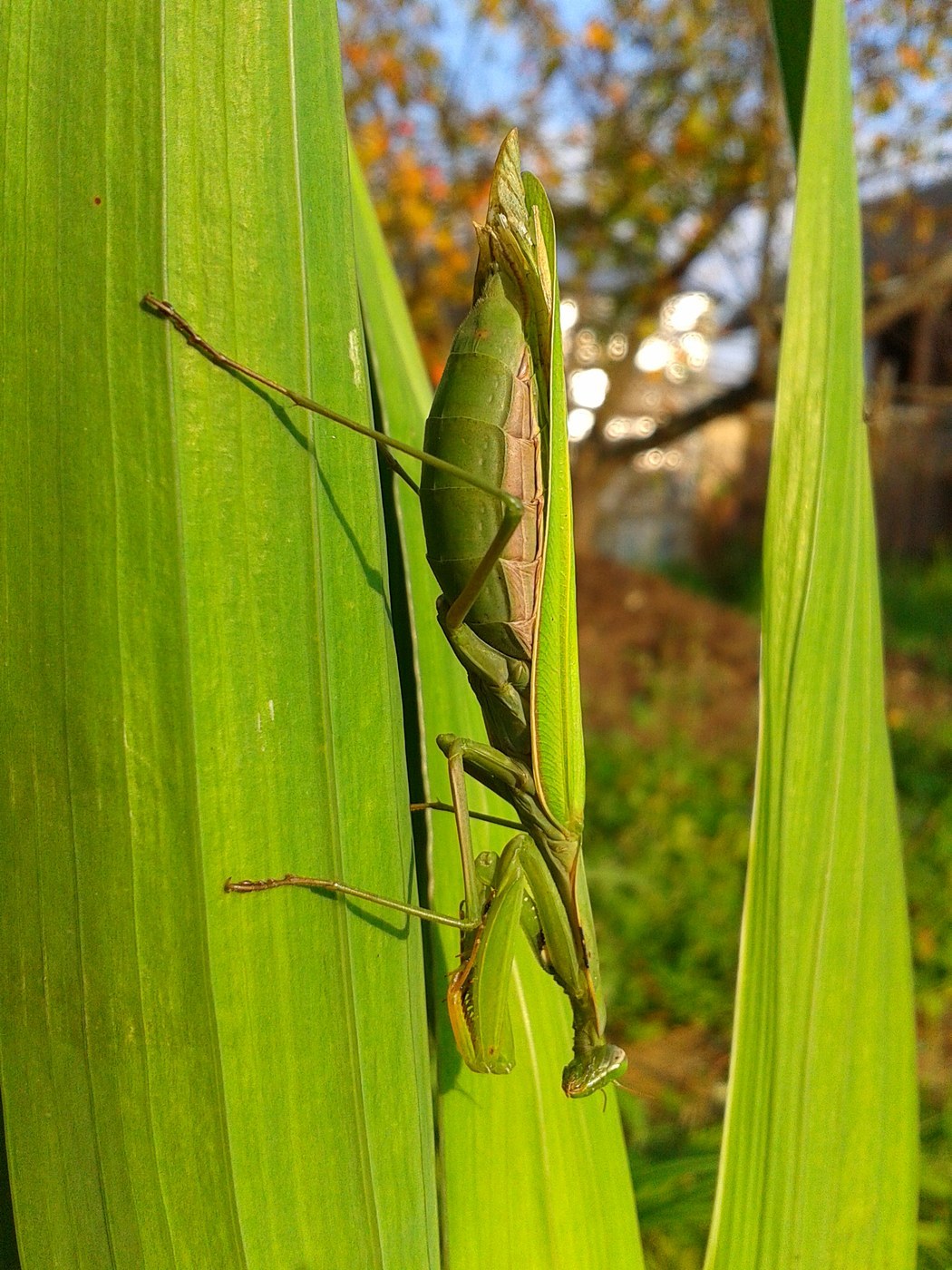
Praying Mantis
Mantis religiosa
An elongated, ambush-hunting insect instantly recognizable by its triangular head, bulging compound eyes, and spiked raptorial forelegs held folded as if in prayer while it waits motionless for prey.
- Size
- 5–10 cm
- Habitat
- Gardens, meadows, shrubs, and tall grass
- Danger
- Bites
Spotted a bug like this?
Identify any bug or insect from a photo, free.
Overview
The praying mantis belongs to the order Mantodea, with the European mantis (Mantis religiosa) among the best-known species, family Mantidae. Mantises are close relatives of cockroaches and termites within the broader insect lineage, and more than 2,400 species are known worldwide.
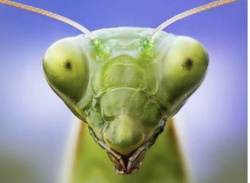
The group is especially notable for its highly mobile, triangular head, capable of rotating roughly 180 degrees to track movement, and for its upright ambush-predator posture, which makes it one of the most instantly recognizable insects.
As a top invertebrate predator in its habitat, the mantis plays a notable ecological role in regulating populations of flying and crawling insects.
How to Identify
- Elongated body with a triangular head and large compound eyes capable of a wide swivel range
- Spiked raptorial front legs held bent in front of the body, resembling folded hands
- Typically green or brown for camouflage among vegetation
- Two pairs of wings in adults (leathery forewings, membranous hindwings)
- Body length roughly 5–10 cm, with females generally larger and heavier-bodied than males; distinguished from walking sticks by the raptorial front legs and mobile head, versus the stick insect's uniformly slender legs
Habitat & Range
Found on every continent except Antarctica. Common in gardens, meadows, shrubby fields, and forest edges, favoring sunny sites with dense vegetation that offers both camouflage and access to prey. Most active from summer into fall in temperate climates.
Behavior & Diet
An ambush predator that remains motionless, relying on camouflage before striking with lightning-fast raptorial forelegs to seize prey such as flies, moths, crickets, and other insects; some larger tropical species occasionally take small vertebrates. Capable of turning its head to track movement without moving its body. Some species exhibit cannibalistic tendencies, particularly during or after mating. Can bite defensively if handled.
Life Cycle
Incomplete metamorphosis. Females lay eggs in a foamy case (ootheca) that hardens to protect dozens to hundreds of eggs. Nymphs hatch resembling miniature wingless adults and develop through several molts over the growing season. Most temperate species produce one generation per year and overwinter as eggs within the ootheca.
Frequently asked questions
Why does the praying mantis hold its front legs like that?
Its spiked raptorial forelegs are folded in a resting position that allows a rapid strike to capture prey, giving the appearance of prayer.
Is the praying mantis the same as a stick insect?
No. Mantises are active ambush predators with grasping front legs and a mobile head, while stick insects are slow-moving plant-feeders that rely on camouflage alone.
What does a praying mantis egg case look like?
A tan or brown, foamy, papery mass called an ootheca, attached to twigs, stems, or structures.
Can a praying mantis turn its head all the way around?
It can rotate its head roughly 180 degrees, an unusual ability among insects.
Praying Mantis guides
In-depth guides for identifying, understanding, and living alongside Praying Mantis.
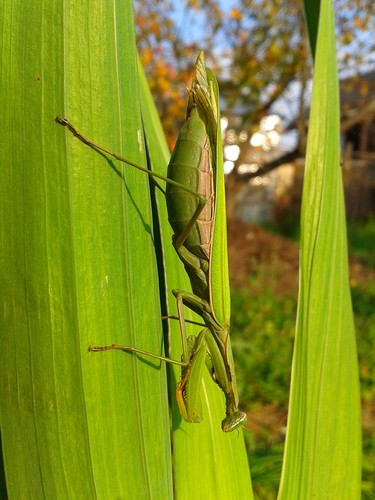
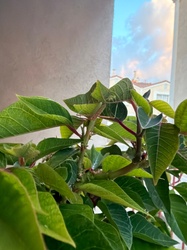
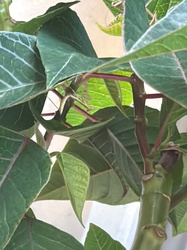
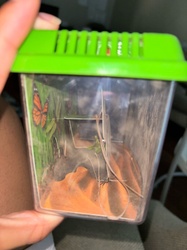
Praying Mantis identified by the community
Real finds identified with Bug Identifier.
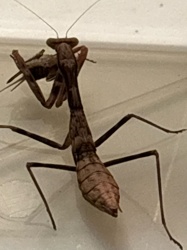
Other bugs you may enjoy
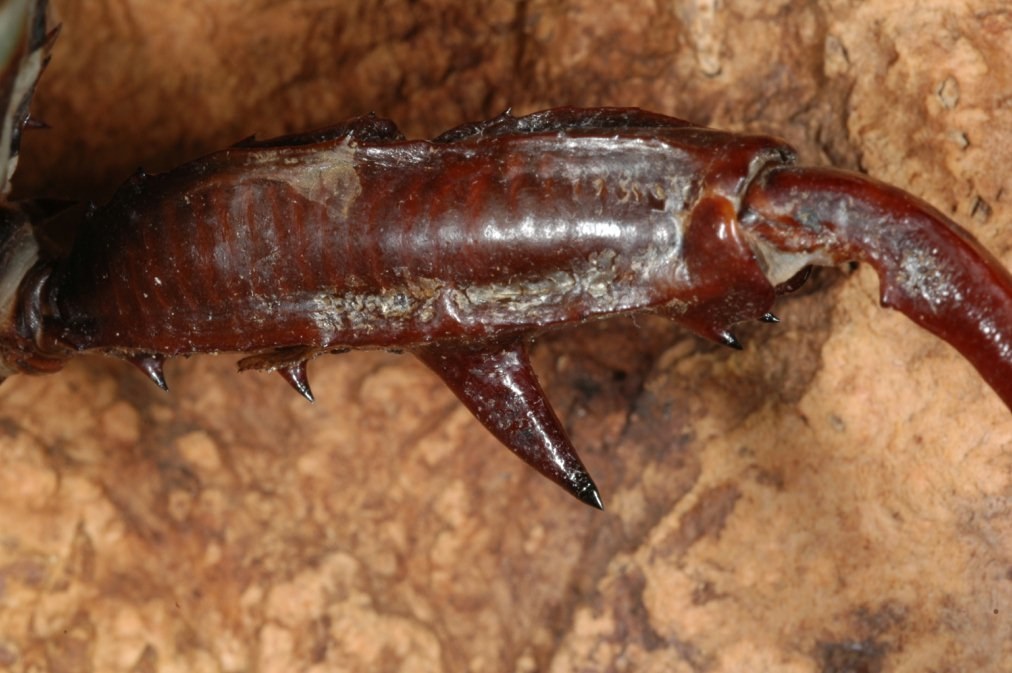
Walking Stick Insect
Trees, shrubs and leaf litter in forests, woodlands and gardens
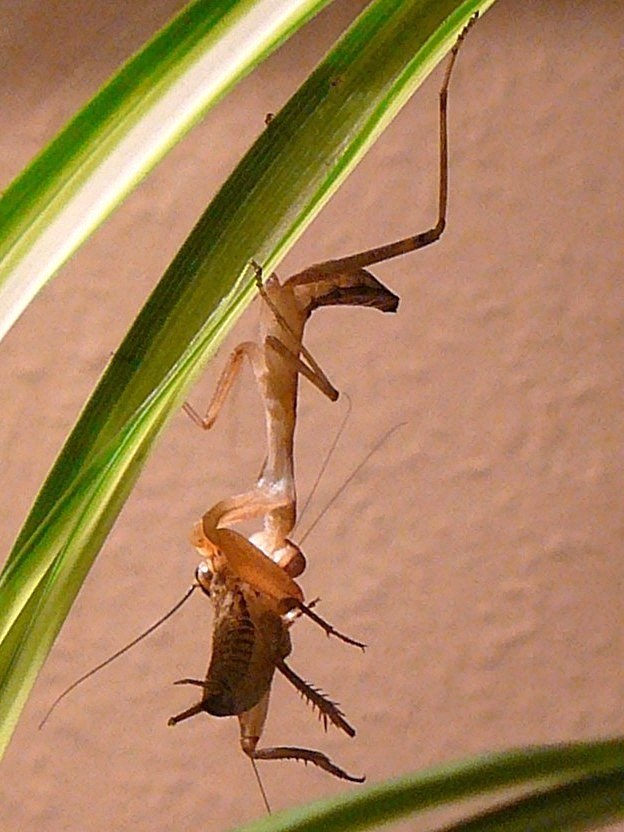
African Mantis
grasslands, shrubs, and gardens across sub-Saharan Africa
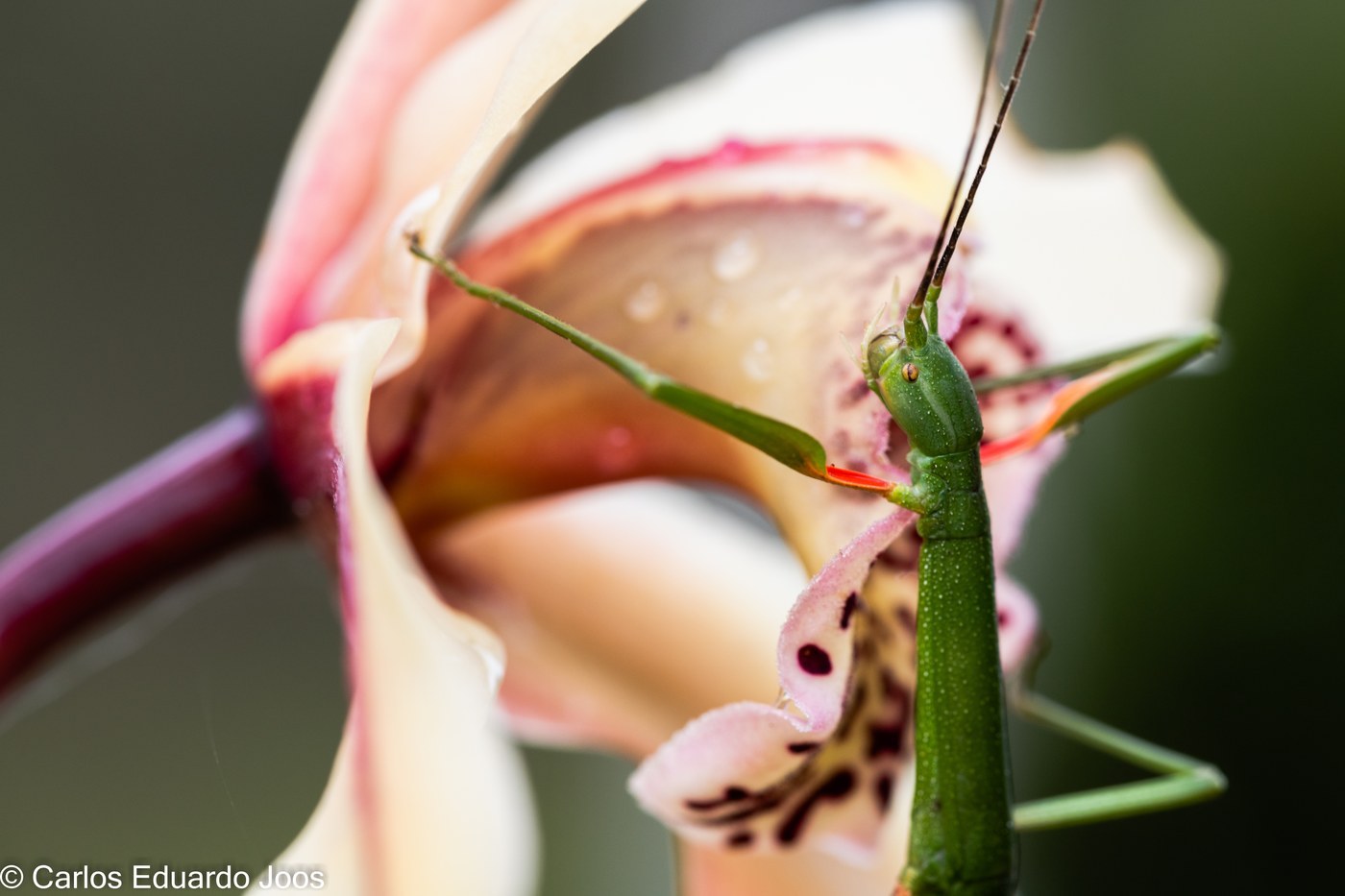
Walking Stick
Deciduous woodlands, forest edges, and shrubby vegetation
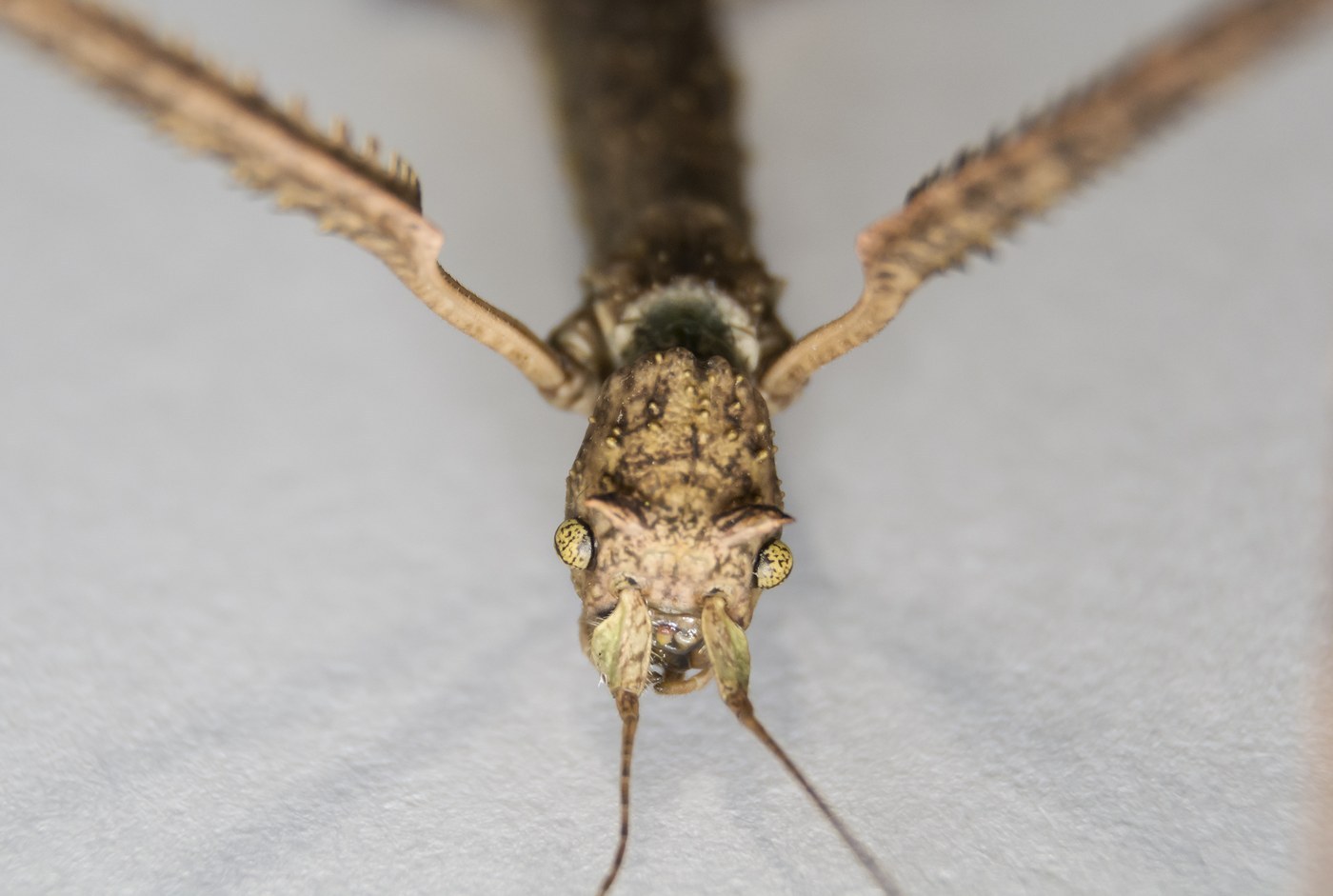
Vietnamese Walking Stick
tropical forests of Vietnam; widely kept in captivity worldwide
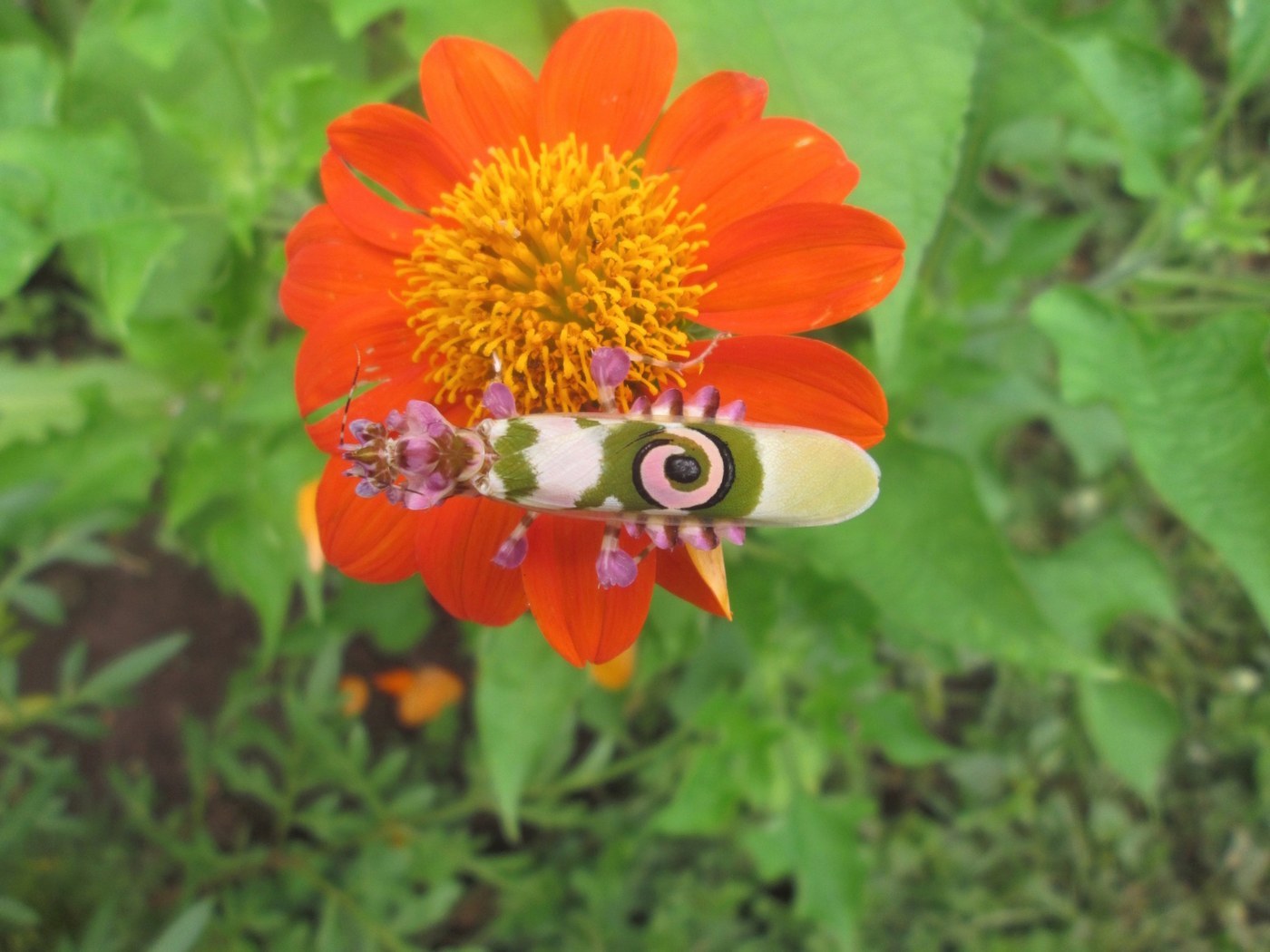
Spiny Flower Mantis
African savanna and woodland shrubs and flowering plants
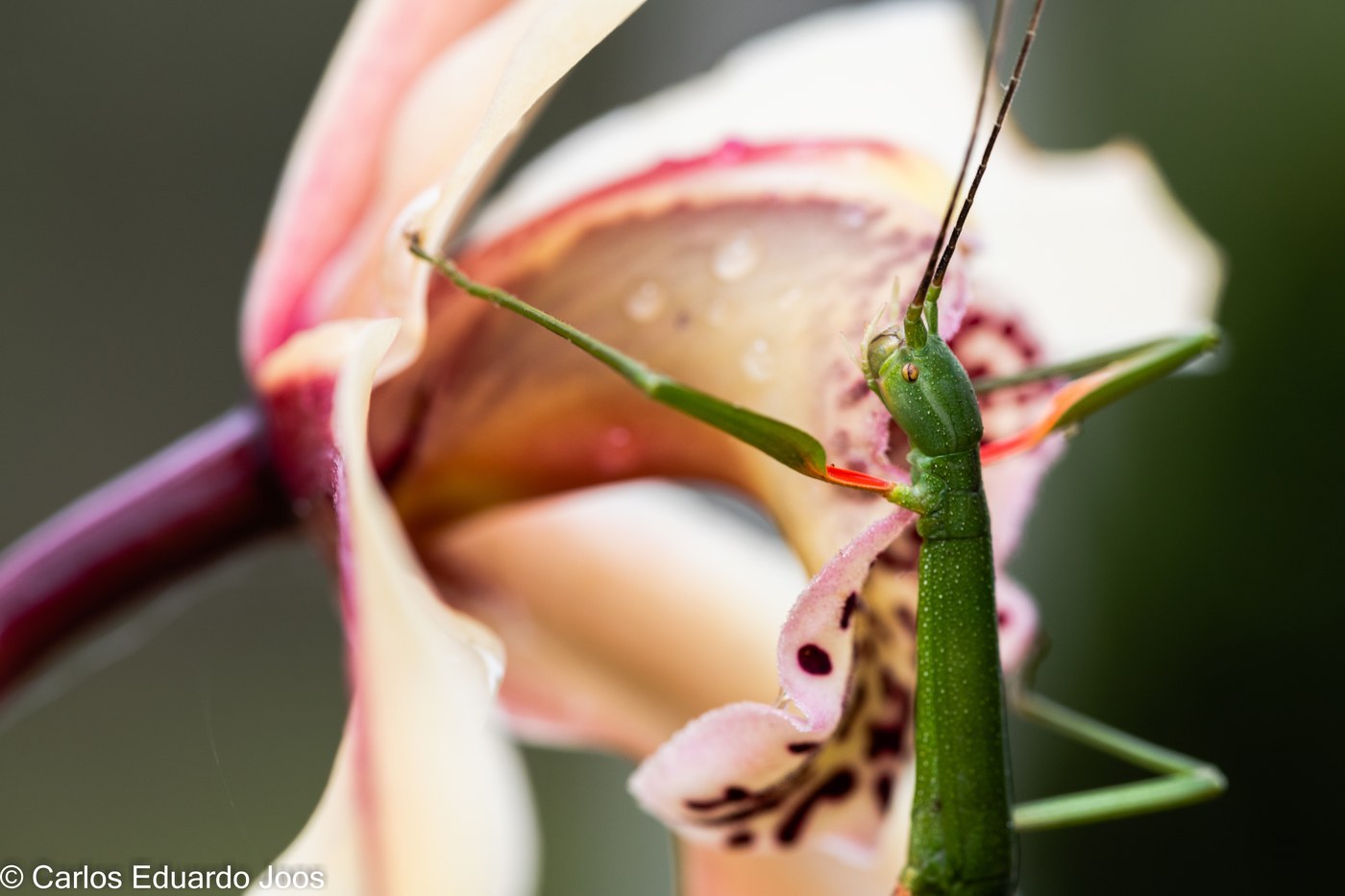
Northern Walkingstick
deciduous forests and woodland edges of the eastern and central United States and southern Canada
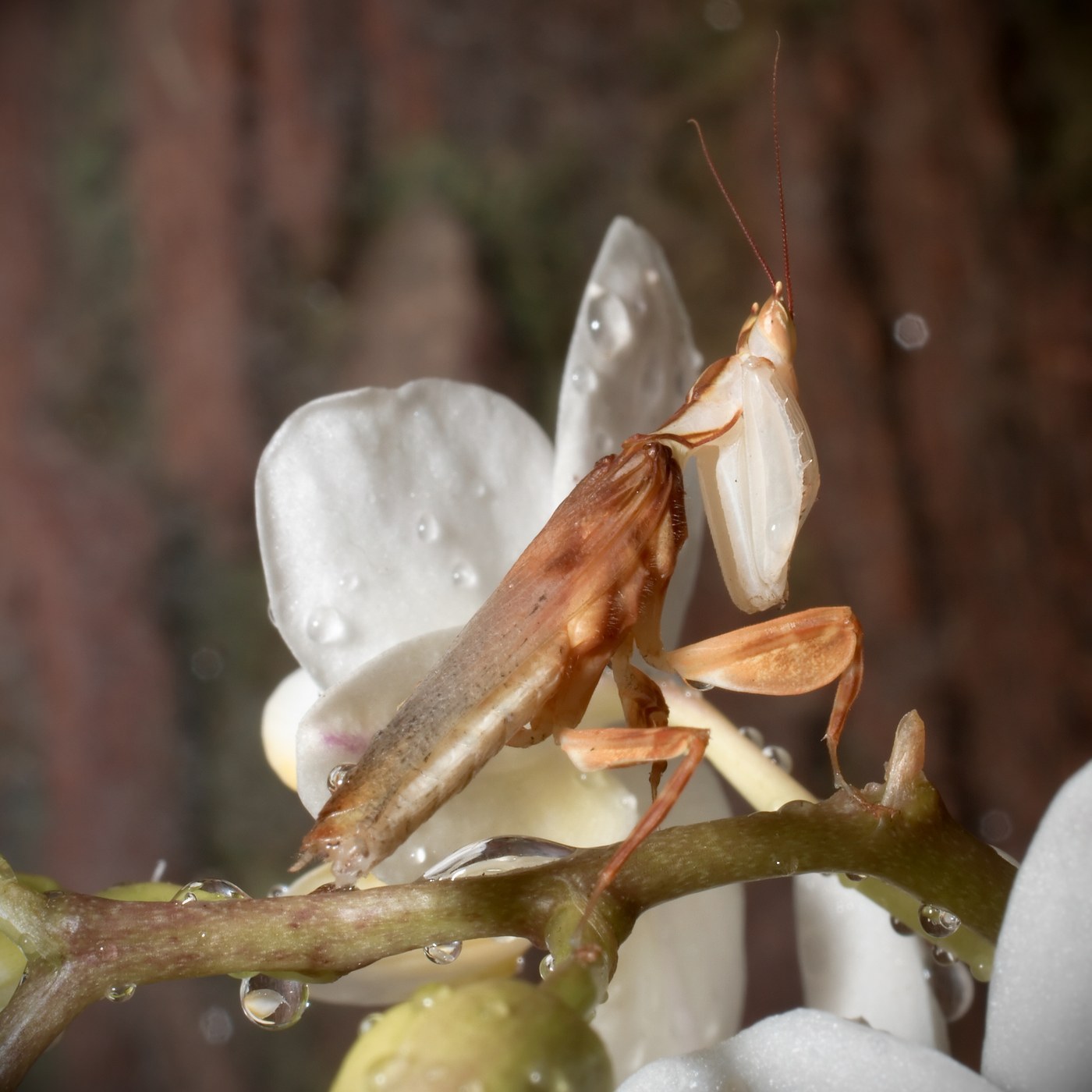
Orchid Mantis
tropical rainforests and flowering shrubs of Southeast Asia
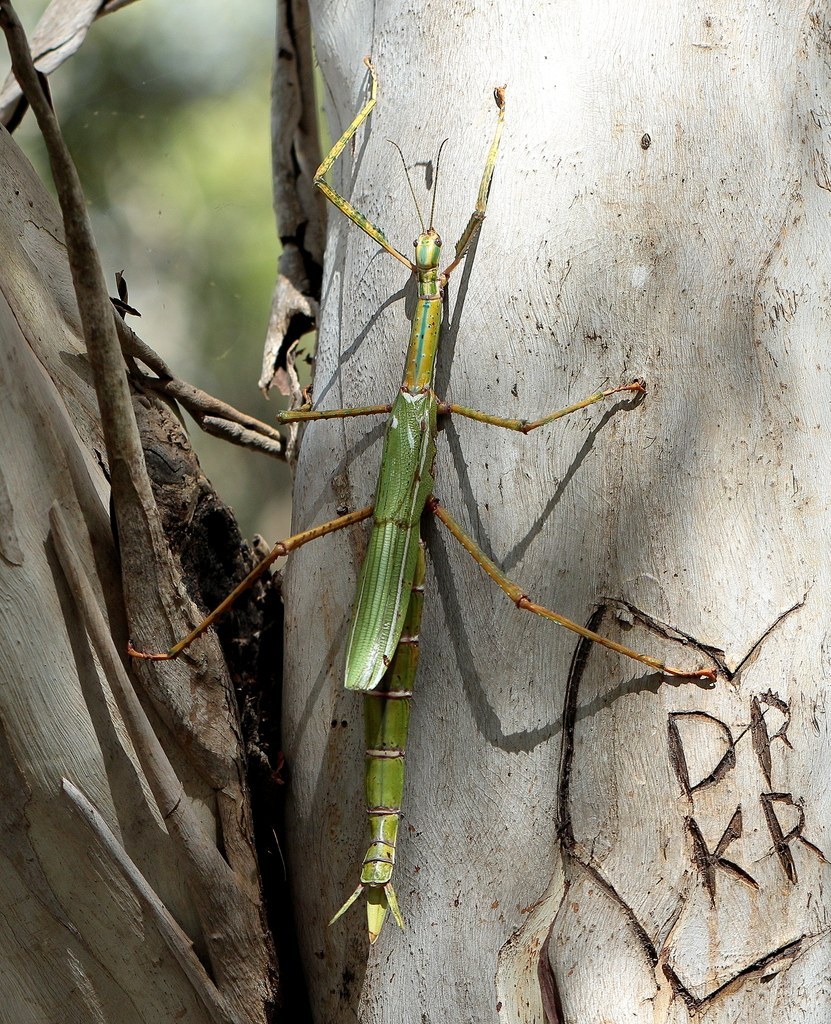
Goliath Stick Insect
Tropical and subtropical eucalypt forests and woodland canopy
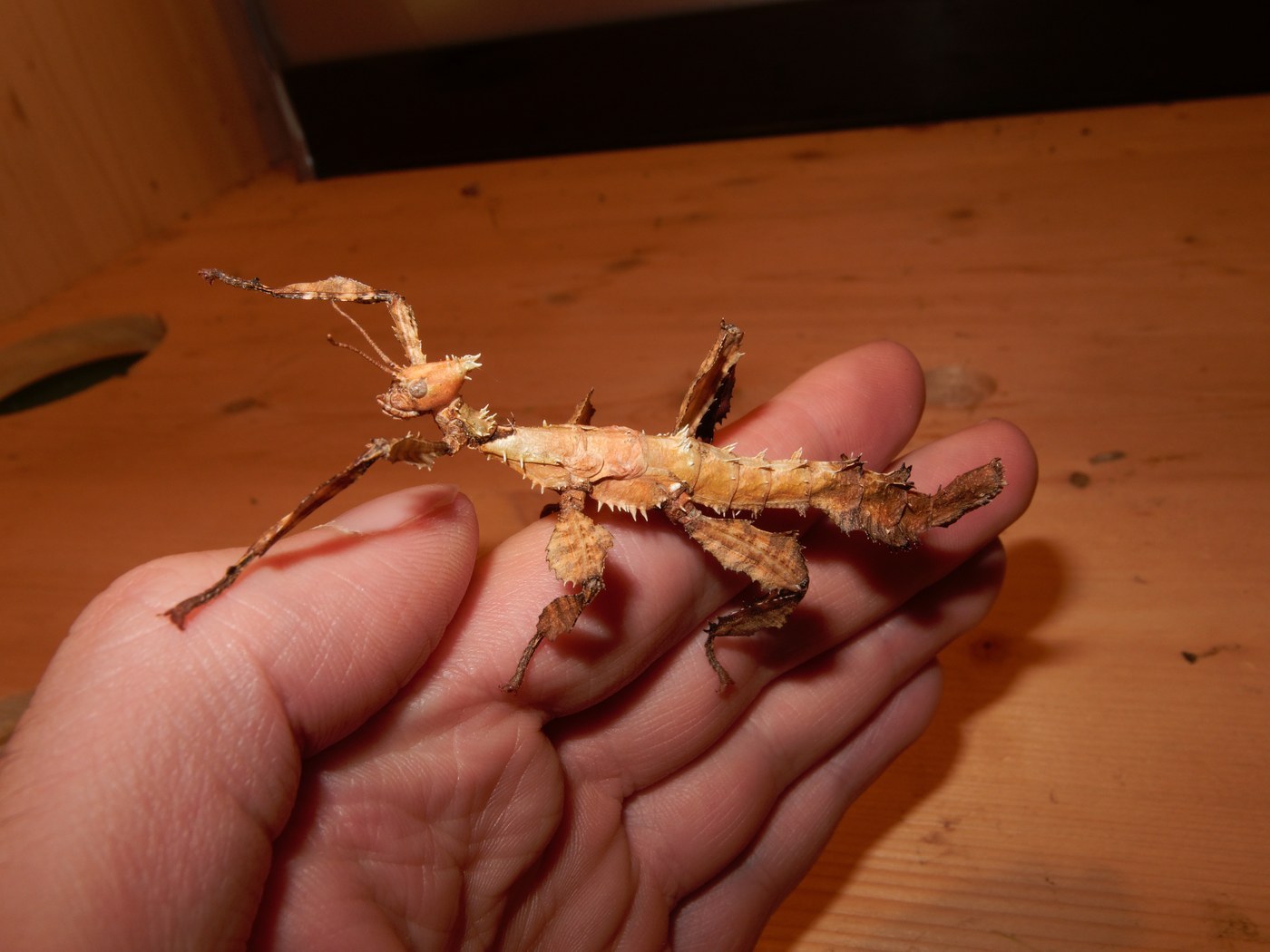
Giant Prickly Stick Insect
eucalyptus forests and shrubland of eastern Australia and New Guinea
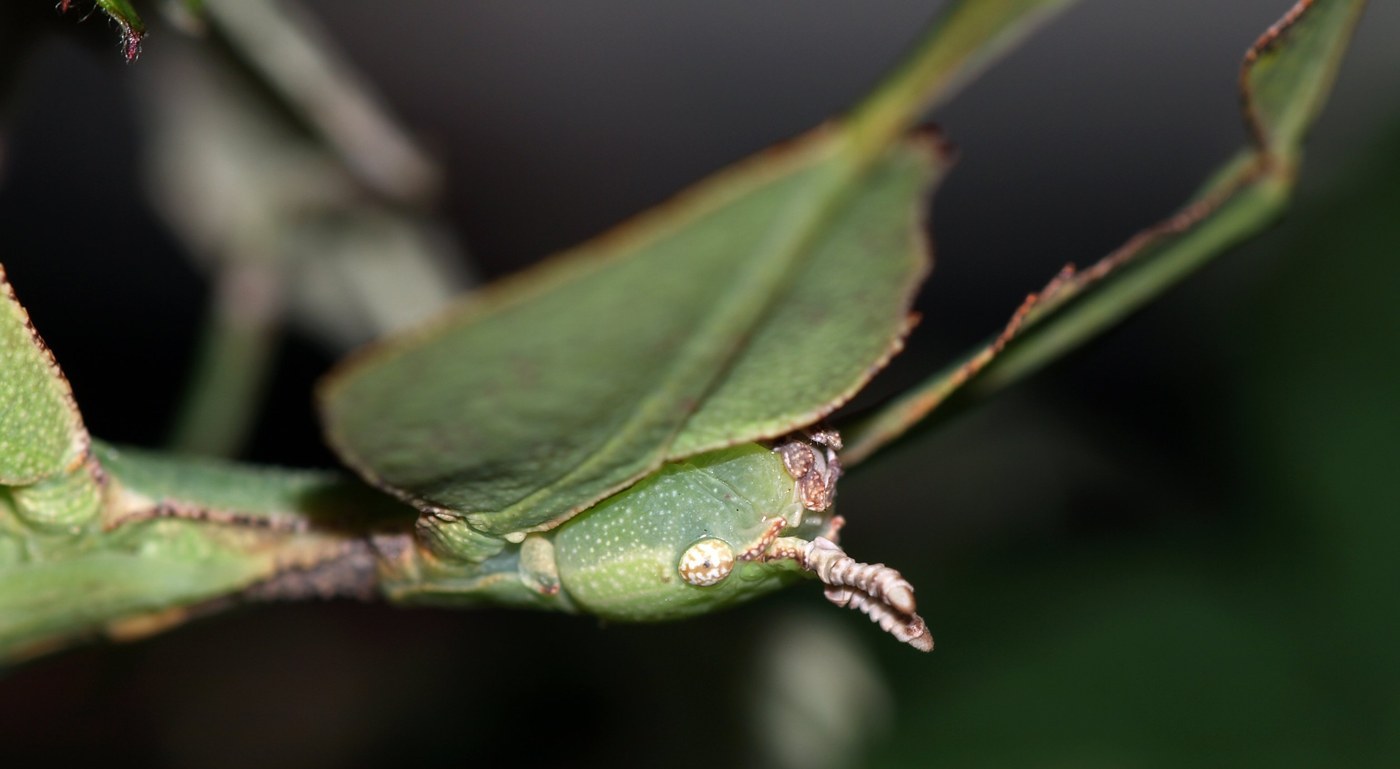
Javanese Leaf Insect
Tropical lowland and montane forest foliage
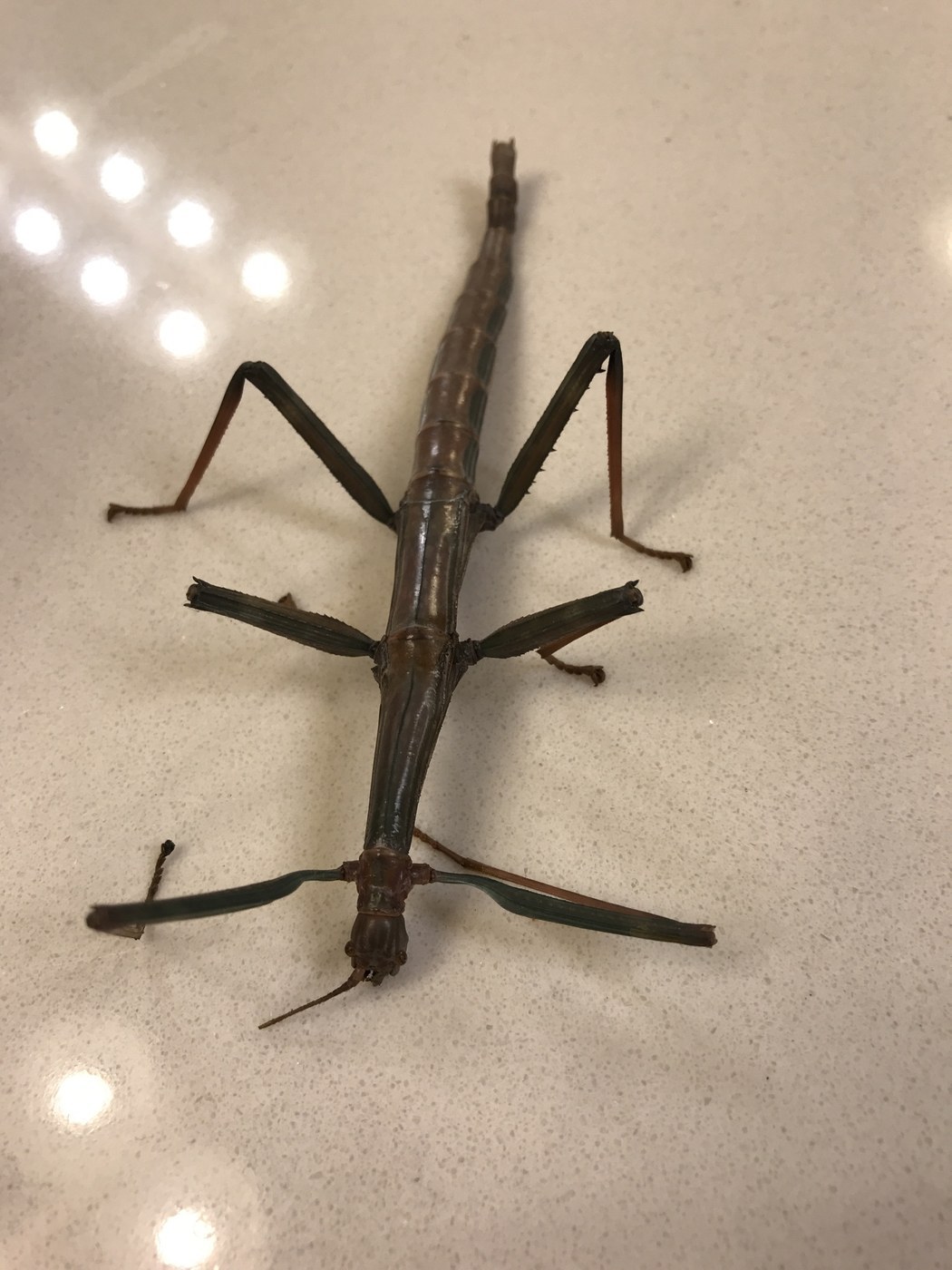
Giant Walking Stick
Deciduous woodlands, forest edges, and shrubby thickets
Leaf Insect
Tropical rainforest understory and canopy foliage