Pseudoscorpion Identification Guide
A tiny, flattened arachnid that looks like a scorpion with oversized pincers but has no tail or stinger at all.
Read the full Pseudoscorpion encyclopedia entry →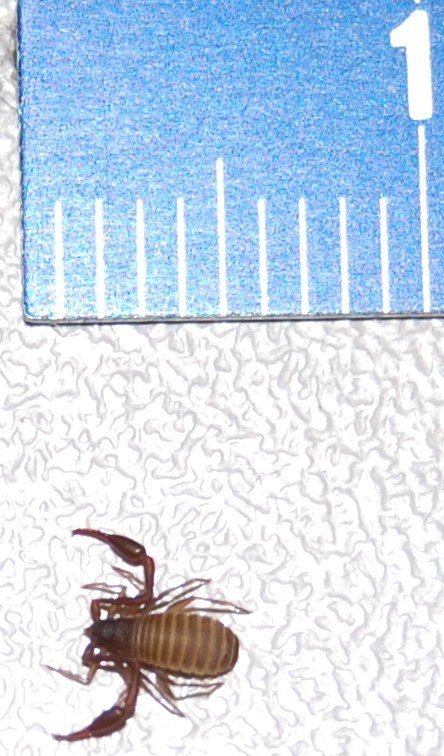
Key Visual Features
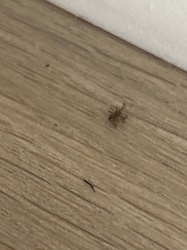
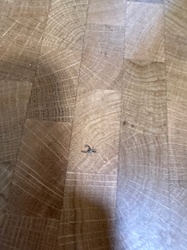
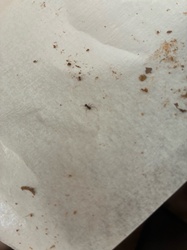
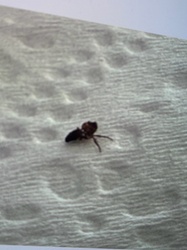
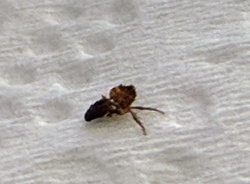
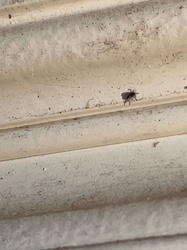
- Very small, typically just 1/16 to 1/4 inch (2-6 mm) long, easy to overlook or mistake for a speck of debris at first glance.
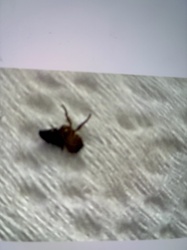
- Body is flattened, oval, and often colored reddish-brown, dark brown, or nearly black, sometimes with a slightly glossy sheen.
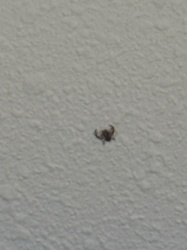
- The most obvious feature is a pair of large, rounded pincers (pedipalps) that are disproportionately large compared to the rest of the tiny body, giving it a miniature scorpion-like look.
- Unlike true scorpions, there is no tail and no stinger — the abdomen ends in a rounded rear rather than tapering into a segmented tail.
- Eight legs are present, relatively short and used for scurrying rather than climbing, often moving in quick, short bursts, and some species can also walk backward or sideways rapidly.
- Some species have small silk-producing glands in the pincers or mouth area used to build tiny silken retreats, a trait not found in true scorpions.
Where and When You'd See It
- Found in leaf litter, under bark, in soil, compost, and moss, as well as indoors in old books, stored papers, and dusty, undisturbed corners of homes.
- Prefers dark, humid microhabitats and is rarely seen out in the open or in bright light.
- Active year-round in sheltered habitats such as leaf litter and indoor hiding spots, since these environments buffer against seasonal temperature swings.
- Often noticed only when disturbed debris, bark, or old paper is moved, revealing the tiny creature scurrying for new cover.
Similar-Looking Bugs
- True scorpions have a long, segmented tail ending in a stinger and are almost always many times larger, making size and tail presence the clearest distinguishing features.
- Small spiders can superficially resemble a pseudoscorpion at a glance but lack the two large, obvious front pincers and instead have eight legs of roughly similar length without oversized front appendages.
- Book lice, sometimes found in similar indoor locations, are soft-bodied, translucent, and lack pincers or the scorpion-like body shape entirely.
Quick ID Checklist
- Tiny size, generally under 1/4 inch long.
- Flattened, oval body with no tail and no stinger.
- Large, rounded pincers that look oversized for the tiny body.
- Eight short legs, quick scurrying movement, sometimes moving backward or sideways.
- Found in leaf litter, bark, soil, or dusty indoor spots like old books and papers.
Frequently asked questions
How can I tell a pseudoscorpion from a baby true scorpion?
Look for a tail: pseudoscorpions have no tail or stinger at all and end in a rounded rear, while even young true scorpions already show a segmented, curved tail.
Why does this creature look like a scorpion despite being so different?
It shares the large, prominent pincer shape of a true scorpion, which gives it a similar miniature look at a glance, even though it lacks the tail and stinger that define true scorpions.
Where indoors am I most likely to find a pseudoscorpion?
Check dusty, undisturbed spots such as old books, stored papers, and quiet corners, since they favor dark, humid microhabitats similar to their natural leaf-litter environment.
Do pseudoscorpions move like other small arachnids?
They tend to scurry in quick bursts and some species can move backward or sideways rapidly, which combined with their tiny oversized pincers helps confirm identification.
Pseudoscorpion identified by the community
Recent Pseudoscorpion finds identified with Bug Identifier.