Ten-lined June Beetle Identification Guide
Learn to spot this large brown scarab by its ten white racing stripes and fan-like antennae.
Read the full Ten-lined June Beetle encyclopedia entry →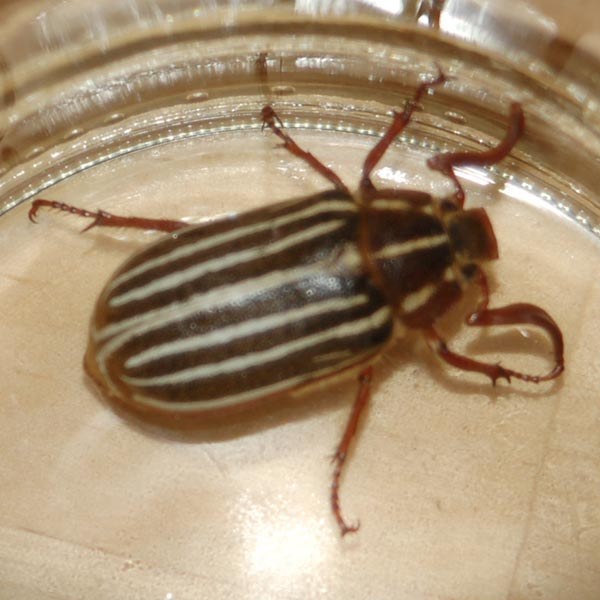
Key Visual Features
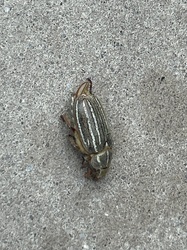
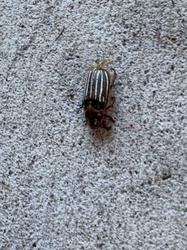
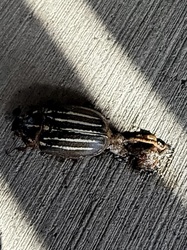
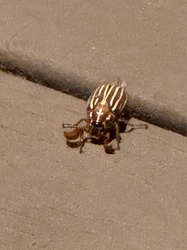
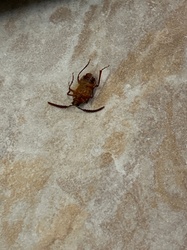
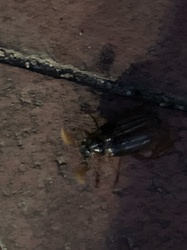
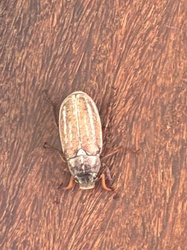
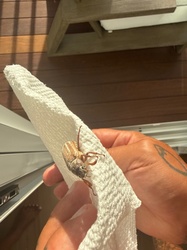
The ten-lined June beetle is a large, striking scarab named for the pale stripes running down its back:
- Size: A robust, oval body ranging from about 1 to 1.4 inches (25-35mm) long.
- Coloring: Brown to reddish-brown elytra marked with roughly ten narrow white or gray longitudinal stripes formed by dense patches of scales.
- Antennae: Males have large, fan-shaped (lamellate) antennae that open into several long leaflets, among the most dramatic antennae of any beetle; females have smaller, less showy antennae.
- Body shape: Broad, heavy-bodied, and slightly humped, typical of large scarabs.
- Legs: Thick, spiny legs adapted for digging in soil.
Where and When You'll See One
Ten-lined June beetles are found throughout western North America, from British Columbia down through the western United States. Adults are nocturnal and are commonly seen from late spring through summer, drawn to porch lights, streetlights, and lit windows after dark. During the day they typically stay hidden in soil or under debris. Larvae are white grubs that live underground and feed on plant roots.
Similar-Looking Bugs
- Other June beetles (Phyllophaga species): Generally plain brown without the pale striping, making the ten-lined June beetle's stripes a reliable distinguishing feature.
- Ten-lined June beetle relatives (other Polyphylla species): Very similar in appearance; subtle differences in stripe width and antennae leaflet count separate species, but general identification to genus is straightforward from the striped pattern.
Behavior Notes
When handled or disturbed, a ten-lined June beetle may produce a sharp hissing or squeaking sound by rubbing body parts together, a startle response rather than a sign of aggression. Adults spend the daylight hours buried in loose soil or hidden under debris, only emerging after dark to feed and fly, which is why most sightings happen at porch lights, floodlights, or other outdoor lighting during warm summer evenings.
Additional Notes on Range
Within its western North American range, this species is most frequently encountered in areas with sandy or loose soils, including dunes, open woodland, and cultivated land, since such soil types make it easier for the burrowing larvae to move and feed on roots underground.
Quick ID Checklist
- Brown body with about ten white or gray longitudinal stripes
- Large size, often over an inch long
- Males have large, fan-shaped antennae with several leaflets
- Heavy, broad, slightly humped body shape
- Nocturnal, commonly seen at lights in summer
Frequently asked questions
Why are the antennae of male ten-lined June beetles so distinctive?
Males have large, lamellate (fan-shaped) antennae that open into several long leaflets, giving them an unusually elaborate antennal display compared to most other beetles and to females of their own species.
What time of day is best for finding a ten-lined June beetle?
They are nocturnal, so evenings and nighttime near porch lights or streetlights during late spring and summer are the best times to spot one.
How many stripes does a ten-lined June beetle actually have?
As the name suggests, it typically shows about ten narrow white or gray longitudinal stripes across its brown elytra, though the exact count can appear to vary slightly with viewing angle.
Where in North America are ten-lined June beetles found?
They occur throughout western North America, ranging from British Columbia down through much of the western United States.
Ten-lined June Beetle identified by the community
Recent Ten-lined June Beetle finds identified with Bug Identifier.