
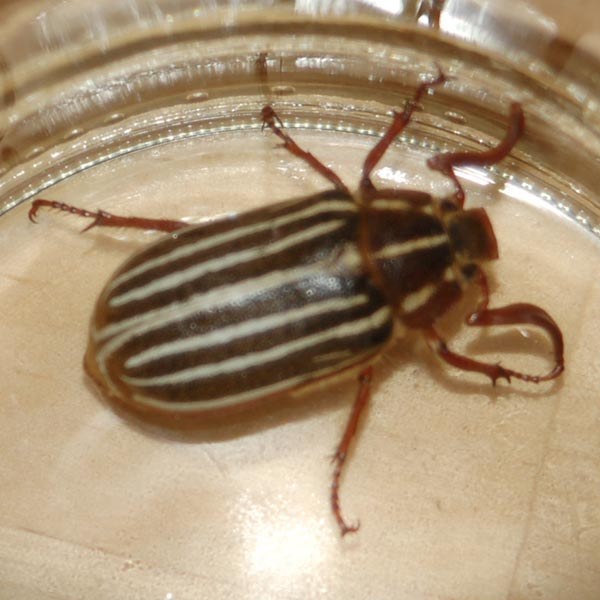
Ten-lined June Beetle
Polyphylla decemlineata
A large, brown scarab beetle marked with bold white racing stripes down its wing covers, known for its loud buzzing flight and hissing defensive squeak.
- Size
- 22–35 mm
- Habitat
- Sandy soils, pine forests, and orchards of western North America
- Danger
- Nuisance pest
Spotted a bug like this?
Identify any bug or insect from a photo, free.
Overview
The ten-lined June beetle is a member of the scarab beetle family (Scarabaeidae), within the subfamily Melolonthinae, commonly known as May or June beetles. It is native to western North America and is among the largest and most visually striking beetles in that region, easily recognized by its dramatic striped pattern.
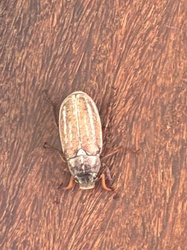
This species is notable for its bold white or cream-colored longitudinal stripes running down its dark brown body, a pattern unusual among North American scarabs and reminiscent of a watermelon rind, which has earned it the alternate nickname "watermelon beetle" in some areas. It also produces an audible defensive squeaking or hissing sound when handled, created by rubbing body segments together.
Ecologically, its large white grubs live in the soil for several years feeding on plant roots, giving the species some importance in forestry and agricultural settings in its native range, while adults are short-lived, non-feeding or minimally feeding fliers focused on reproduction.
How to Identify
- Large, robust body 22–35 mm long, among the bigger scarab beetles in western North America.
- Dark brown to reddish-brown wing covers marked with bold, irregular white or cream longitudinal stripes.
- Prominent, feathery lamellate antennae, especially large and fan-like in males, used to detect pheromones.
- Stout, spiny legs adapted for digging.
- Lookalikes include other Polyphylla species with similar striping, but the combination of large size, bold white stripes, and the male's oversized fan-like antennae is distinctive.
Habitat & Range
Found across western North America, including the Pacific Northwest, California, and parts of the interior West, particularly in areas with sandy or loose soils such as pine forests, orchards, vineyards, and dry open woodlands. Adults emerge and fly at night during the summer months, often attracted to lights, while larvae live underground for multiple years in root zones of trees, shrubs, and turf.
Behavior & Diet
Adults are nocturnal and strong, noisy fliers, often heard buzzing loudly around lights on warm summer nights, with males using their large feathery antennae to detect female pheromones over some distance. When disturbed or handled, this beetle produces an audible hissing or squeaking sound by rubbing parts of its abdomen against its wing covers, a defensive startle display meant to deter predators. The larvae are subterranean root feeders, spending multiple years underground consuming the roots of grasses, shrubs, and trees, which can make them significant within forest and agricultural soil ecosystems. Adults are relatively short-lived, focusing their brief above-ground life on mating and dispersal.
Life Cycle
Development is complete metamorphosis: egg, larva, pupa, adult. Eggs are laid in soil near suitable root systems; the large white grubs feed on roots underground for an extended period, often two to four years depending on conditions, before pupating in a soil chamber. This multi-year larval stage is longer than many other scarab beetles. Adults emerge in summer, are active for only a few weeks focused on mating and egg-laying, and the life cycle then continues with the next generation developing slowly underground over subsequent years.
Frequently asked questions
What is the white striping pattern for?
The bold white stripes against dark brown wing covers are simply the species' natural coloration pattern, giving it a watermelon-like appearance and making it easy to identify.
Why does it make a noise when picked up?
It produces a defensive hissing or squeaking sound by rubbing body segments together, a startle response meant to discourage predators.
How long do the grubs live underground?
Larvae typically spend several years, often two to four, developing underground while feeding on plant roots before pupating.
Why do the antennae look so large on some individuals?
Males have unusually large, fan-shaped antennae used to detect female pheromones, and this feature is much smaller in females.
Ten-lined June Beetle guides
In-depth guides for identifying, understanding, and living alongside Ten-lined June Beetle.
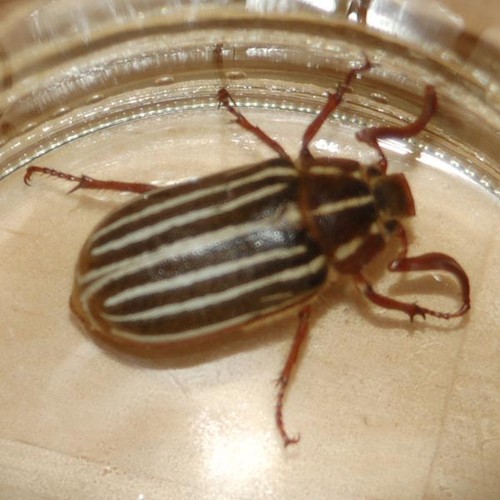
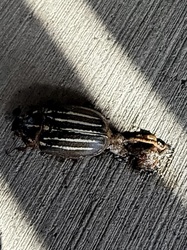
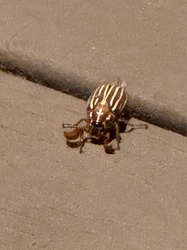
Ten-lined June Beetle identified by the community
Real finds identified with Bug Identifier.
Other bugs you may enjoy
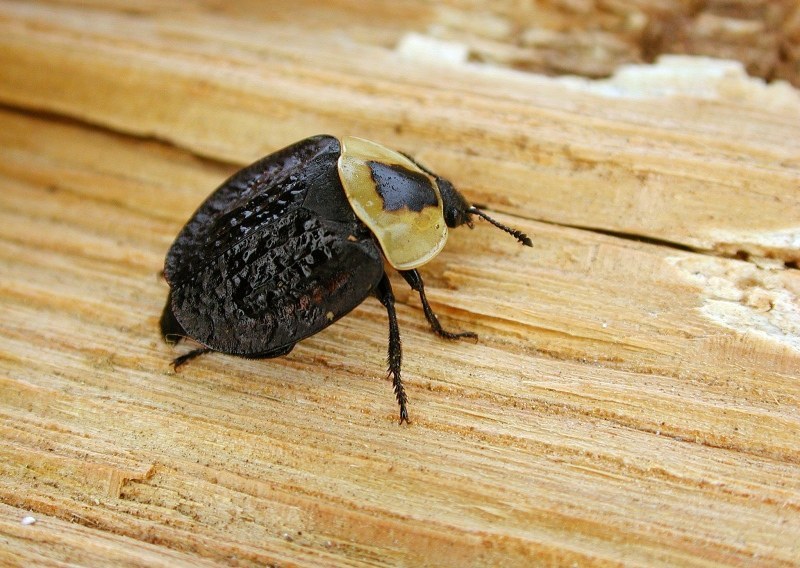
American Carrion Beetle
Forests, fields, and roadsides across North America, near decaying animal carcasses
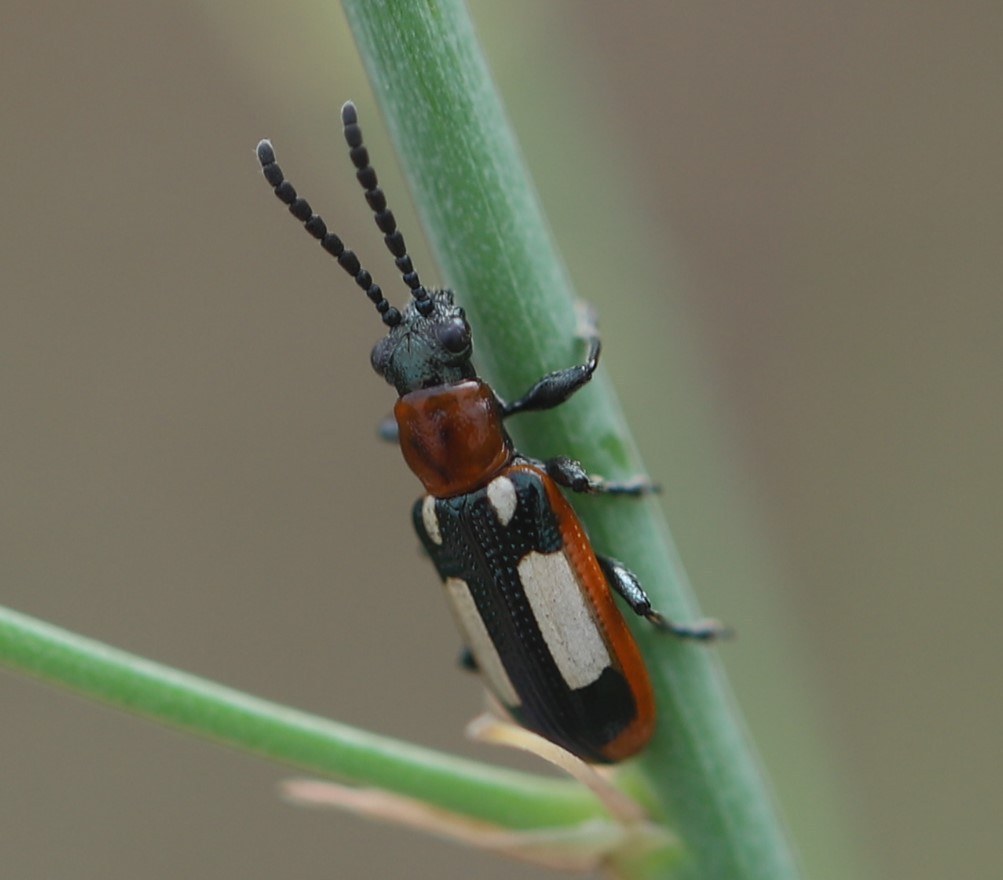
Asparagus Beetle
Asparagus patches, gardens, and farm fields
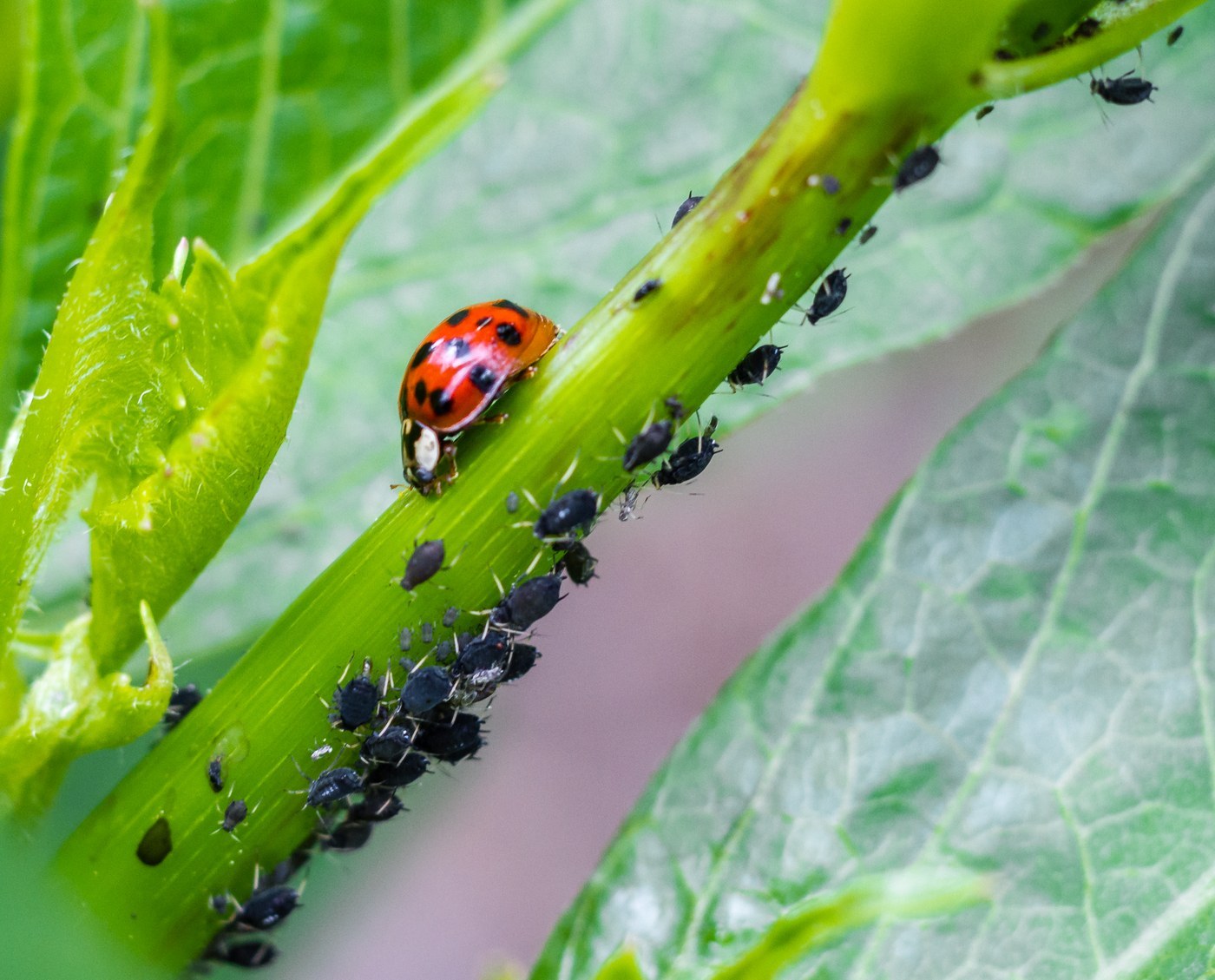
Asian Lady Beetle
Gardens, crop fields, woodlands, buildings
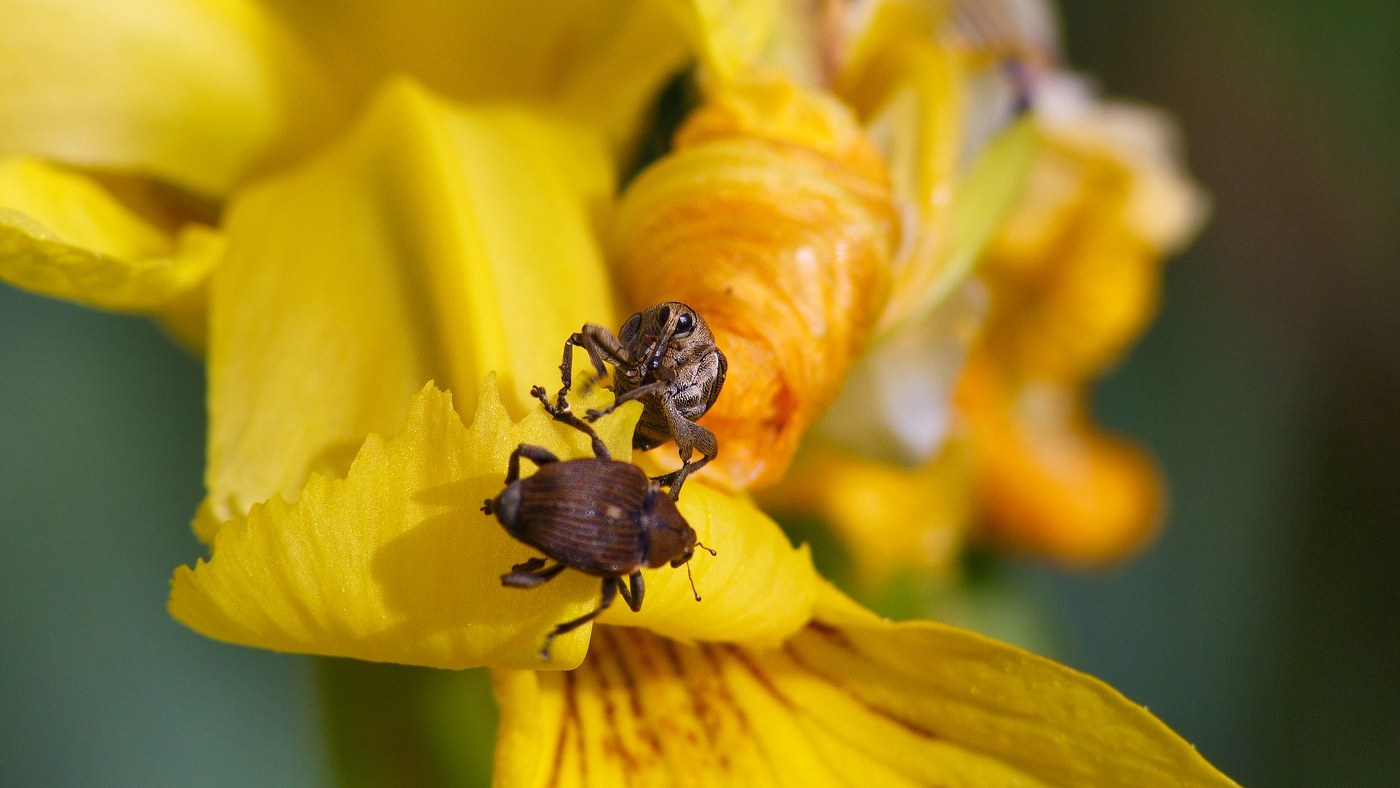
Acorn Weevil
Oak woodlands and forests, on and beneath oak trees
Wireworm
Soil of grasslands, gardens, and cultivated fields worldwide
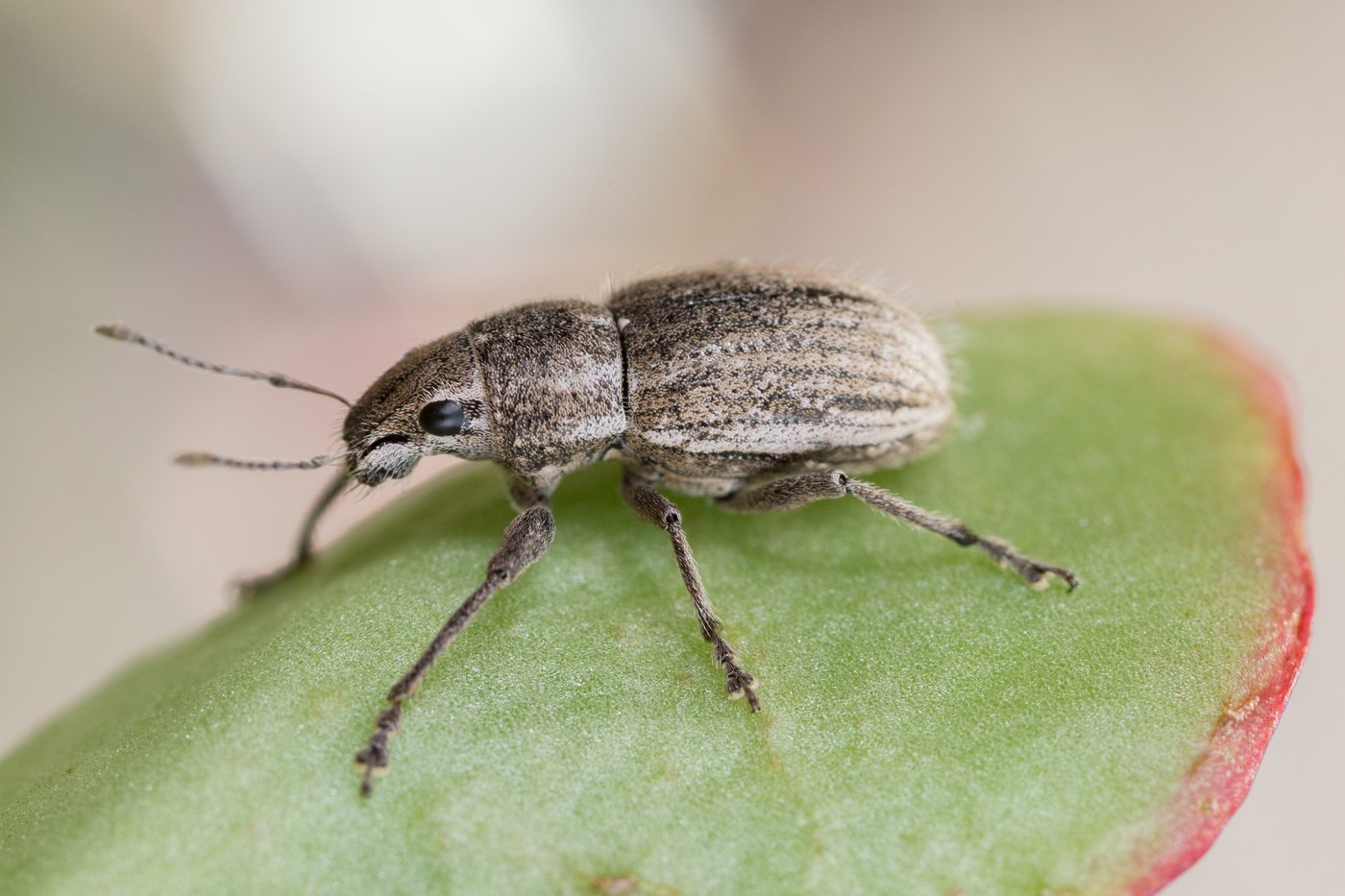
Whitefringed Beetle
Pastures, row crops, lawns, disturbed soils
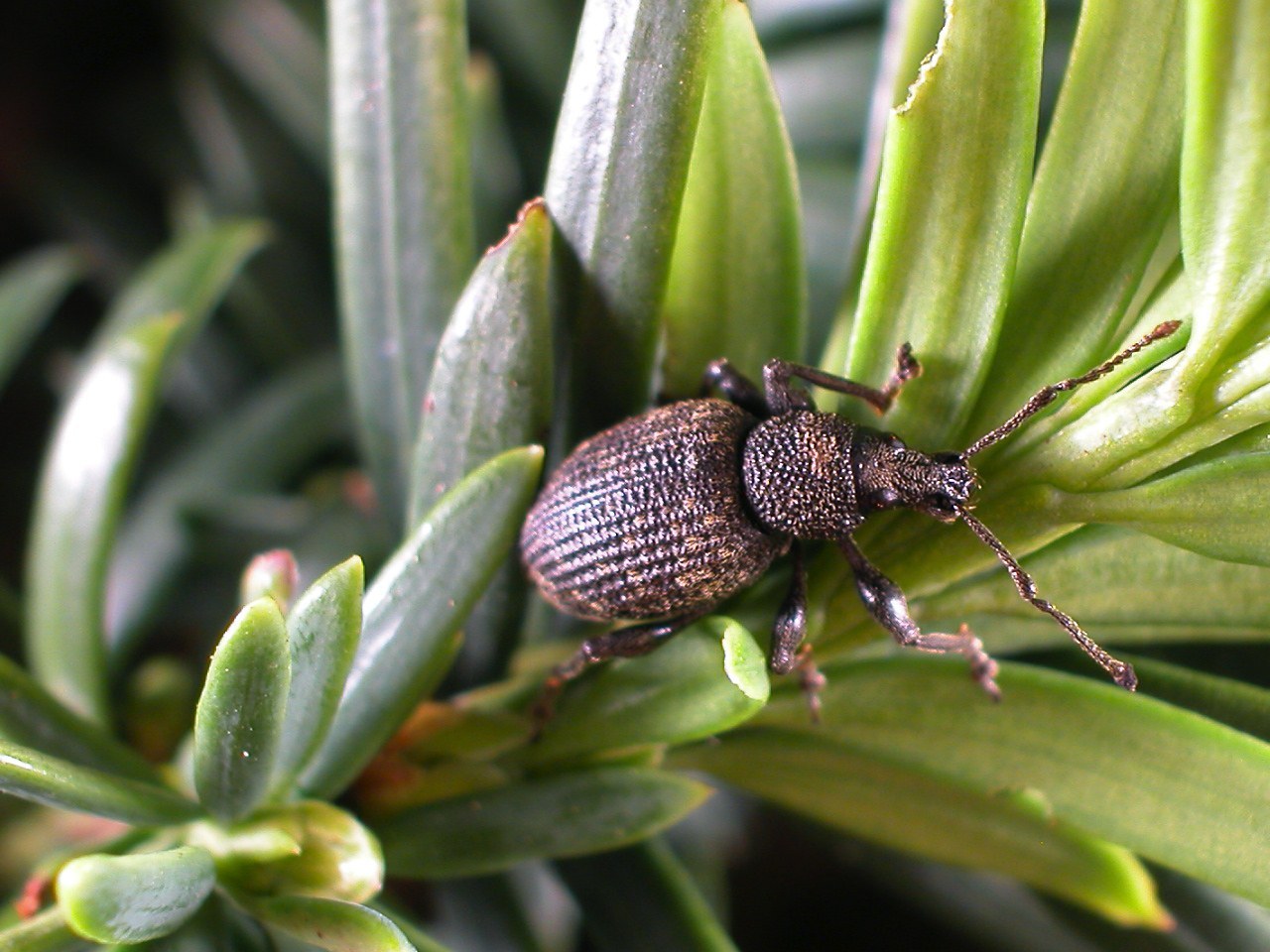
Vine Weevil
Gardens, nurseries, greenhouses, and container plantings
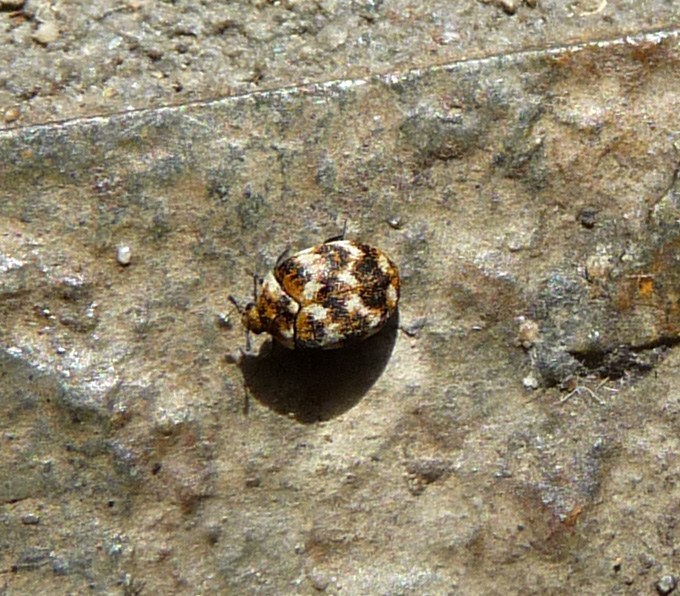
Varied Carpet Beetle
Homes, nests of birds and mammals, and flowers outdoors
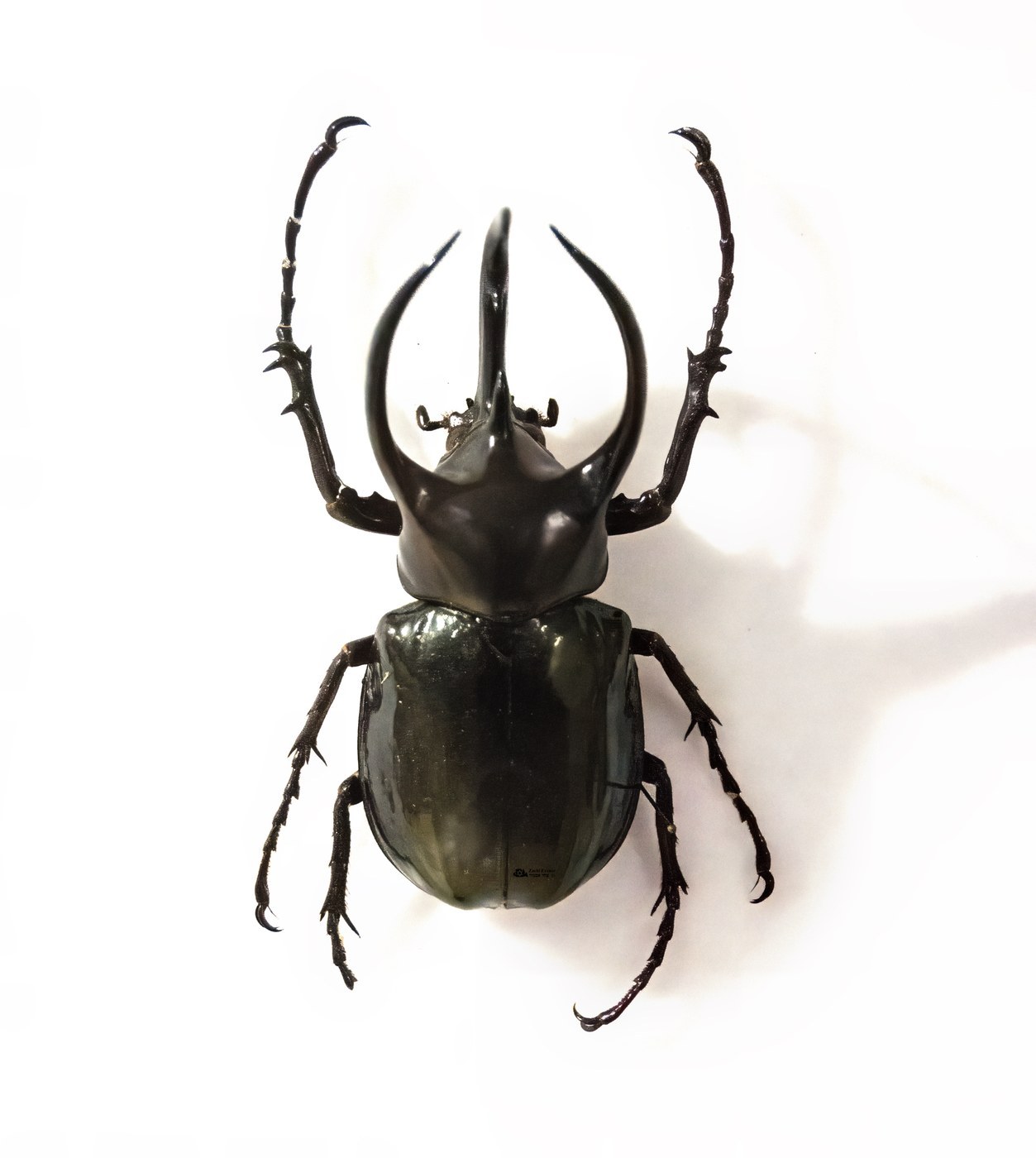
Atlas Beetle
Tropical forests of Southeast Asia
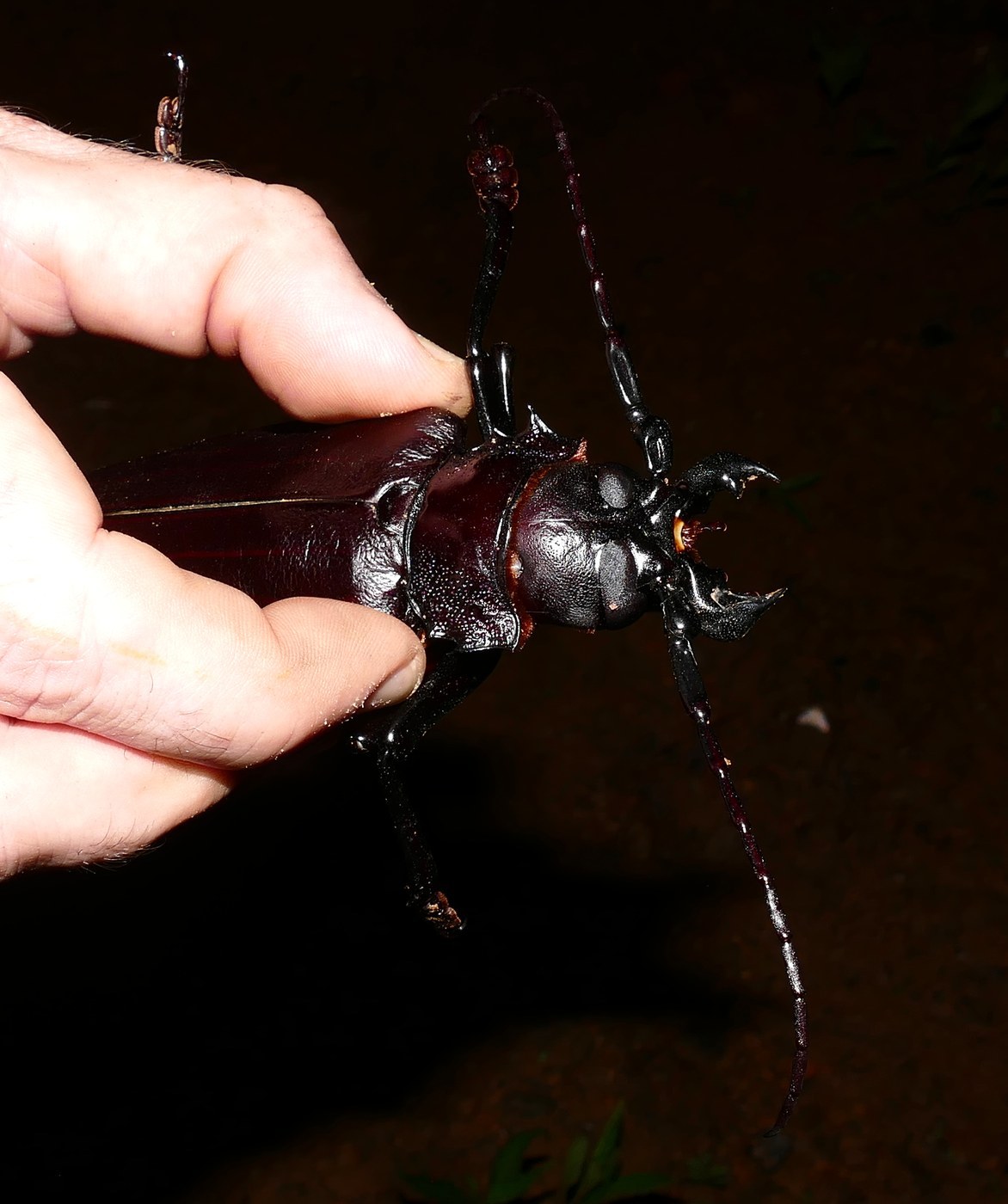
Titan Beetle
Amazon rainforest of South America
Squash Beetle
Vegetable gardens and fields growing squash, pumpkin, and other cucurbits
Red Flour Beetle
Stored grain, flour, and dry food products in mills, warehouses, and pantries worldwide