Wheel Bug Identification Guide
Recognize a wheel bug instantly by the unique cog-like crest rising from its back, unlike any other insect in North America.
Read the full Wheel Bug encyclopedia entry →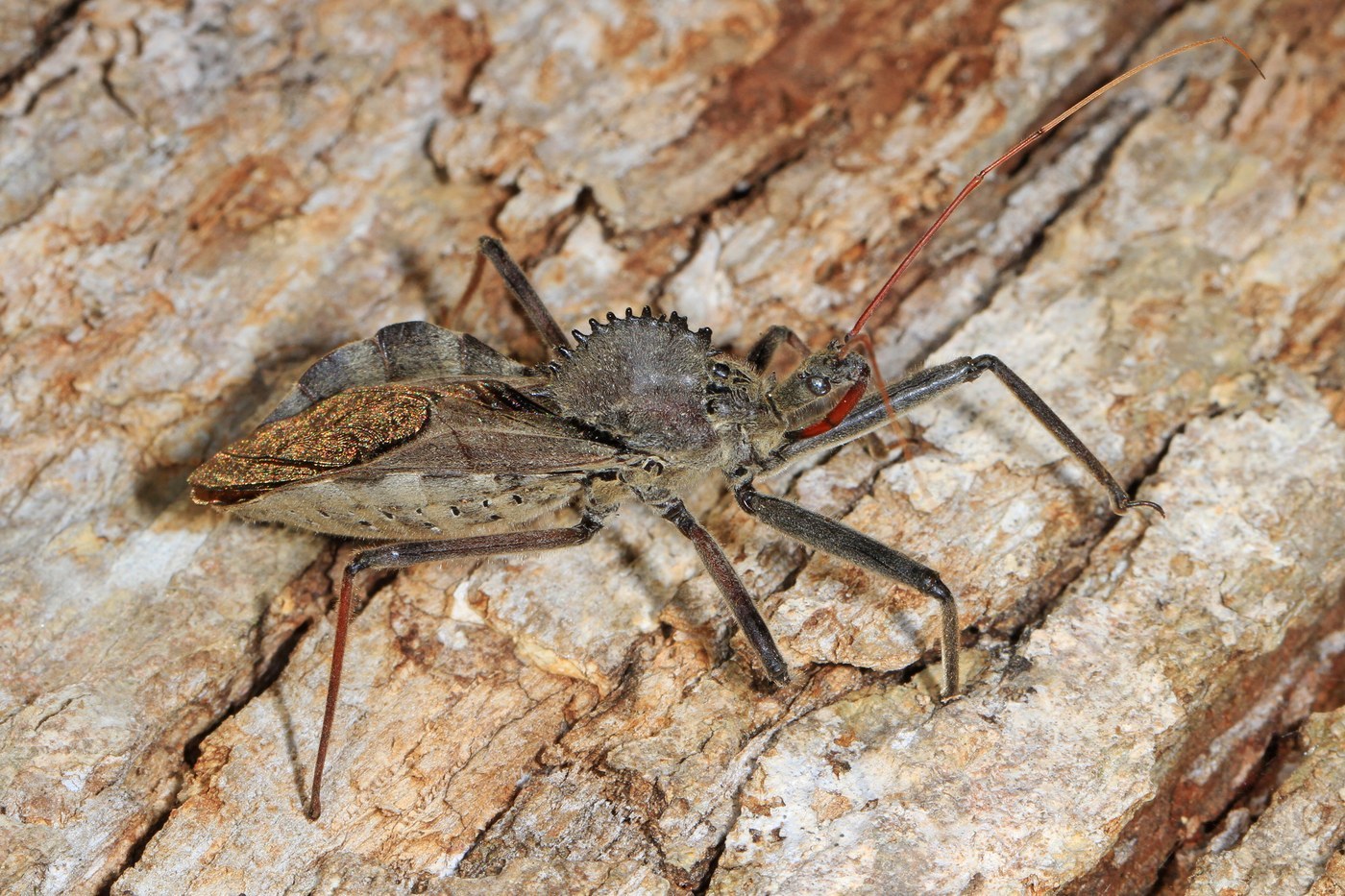
Key Visual Features
The wheel bug is the largest assassin bug in North America and has one feature that makes it unmistakable.
- Size: Large for a true bug, 1-1.5 inches (25-38 mm) long.
- Body shape: Stout, robust, grayish-brown body with a rough, almost armored texture.
- The wheel: A semicircular, cog- or gear-shaped crest with 8-12 pointed teeth rises from the top of the thorax — this structure is unique among North American insects and is the single clearest identification feature.
- Coloring: Dull gray to grayish-brown overall, blending well with tree bark.
- Beak: A thick, curved beak folds beneath the head, characteristic of assassin bugs generally.
- Wings: Leathery-based wings folded flat over the back, extending past the abdomen tip.
- Legs and antennae: Long, slender legs; thread-like antennae longer than the head.
Where and When You'll See It
Wheel bugs are found on tree trunks, shrubs, and garden plants in wooded and semi-wooded areas from late spring through fall. Adults with the full wheel crest appear in mid-to-late summer, after nymphs have gone through several molts. They tend to move slowly and deliberately, often resting motionless on bark or foliage where their gray coloring provides camouflage. Wheel bugs are solitary and are usually spotted individually rather than in groups, most often during the day.
Similar-Looking Bugs
- Other assassin bugs: Share the curved beak and elongated head but lack the toothed wheel crest entirely.
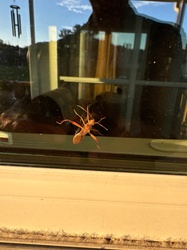
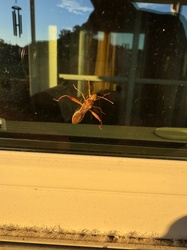
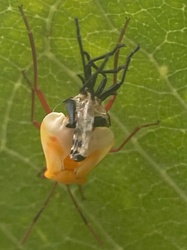
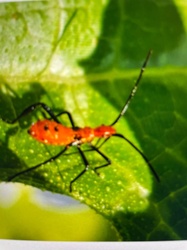
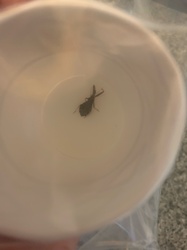
- Wheel bug nymphs: Young wheel bugs lack the fully formed crest, showing only a small hump or ridge, and often have a bright red abdomen that fades as they mature — they can be mistaken for other true bug nymphs until the crest develops.
- Stink bugs: Broader, shield-shaped, smooth-backed, with no crest of any kind.
Quick ID Checklist
- Large, robust grayish-brown body about 1-1.5 inches long
- Unmistakable cog-like crest with pointed teeth on the thorax (adults)
- Thick, curved beak folded beneath an elongated head
- Slow, deliberate movement on bark or foliage
- Nymphs lack the crest and may show a reddish abdomen
Frequently asked questions
What is the easiest way to identify a wheel bug?
Look for the toothed, semicircular crest on top of the thorax — no other insect in North America has this cog-wheel-shaped structure.
How can I tell a young wheel bug from other bug nymphs?
Wheel bug nymphs lack the full wheel crest but often show a small hump forming on the thorax along with a reddish abdomen that fades with each molt.
Is the wheel bug a type of assassin bug?
Yes, the wheel bug is the largest assassin bug species in North America and shares the family's curved beak and elongated head.
Where do wheel bugs typically rest during the day?
They are most often found resting motionless on tree bark, shrubs, or garden foliage where their gray coloring blends into the surroundings.
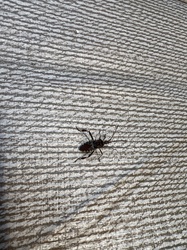
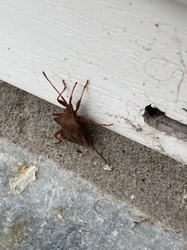
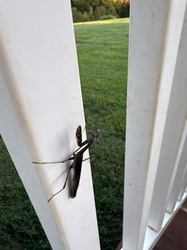
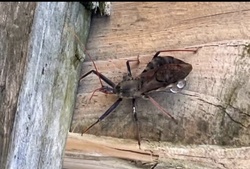
Wheel Bug identified by the community
Recent Wheel Bug finds identified with Bug Identifier.