
Wheel Bug
Arilus cristatus
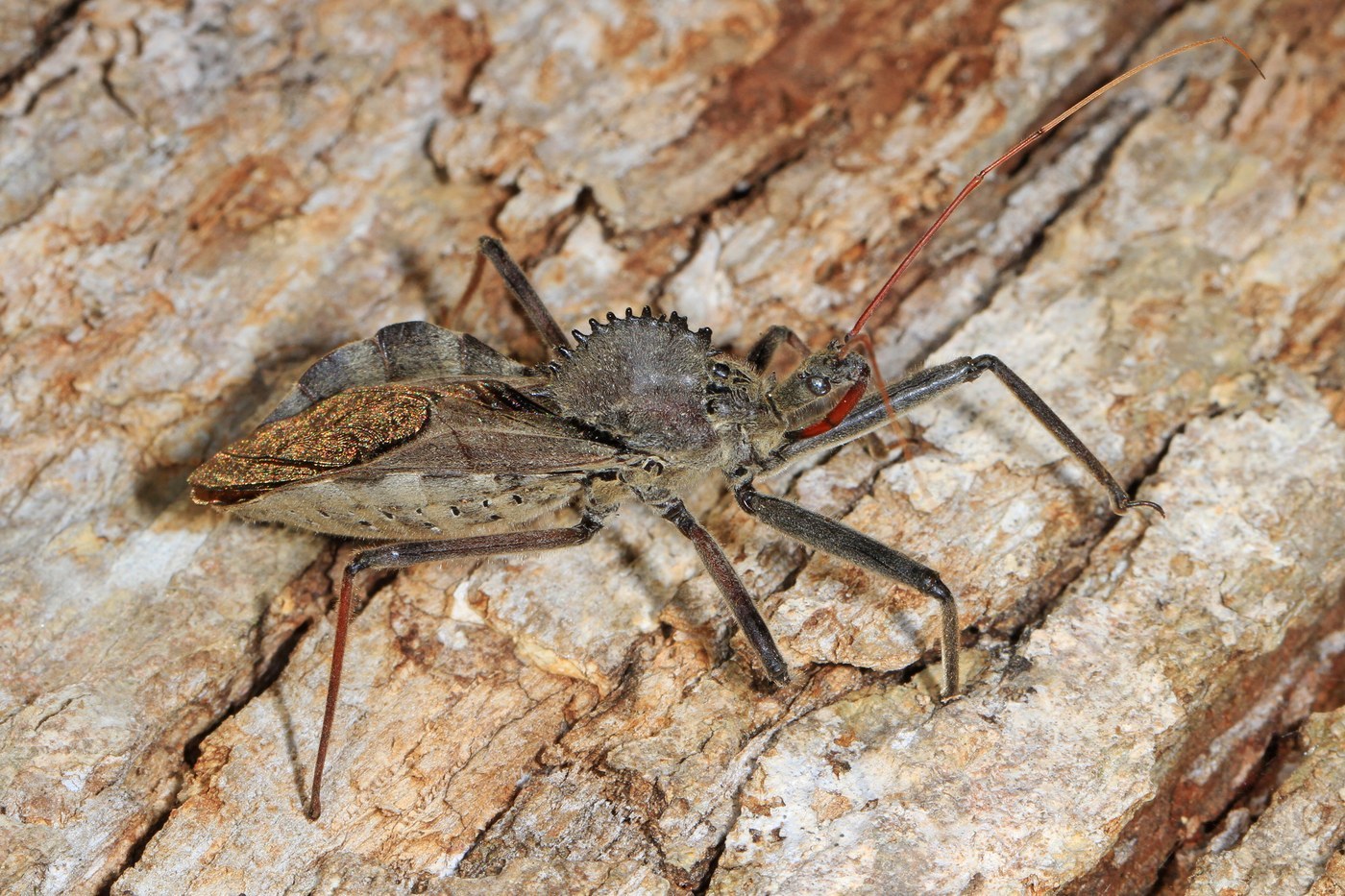
A large, gray, armored-looking true bug named for the distinctive cog-like crest rising from its back, one of the biggest and most unmistakable assassin bugs in North America.
- Size
- 25–36 mm
- Habitat
- Gardens, woodlands, and orchards across the eastern and central United States
- Danger
- Bites
Spotted a bug like this?
Identify any bug or insect from a photo, free.
Overview
The Wheel Bug is a large species of assassin bug in the family Reduviidae and the only member of its genus found in North America, making it one of the most recognizable true bugs on the continent. Its size and armored appearance set it apart from nearly every other insect it shares habitat with.
The species is especially notable for the semicircular, tooth-edged crest resembling half a cogwheel that rises from the middle of its back, a structure unique among North American insects and the source of its common name. This feature, combined with its rough gray exoskeleton, gives it a prehistoric, almost mechanical appearance.
Ecologically, the Wheel Bug is a formidable predator of caterpillars, beetles, and other insects, including some agricultural pest species, making it a beneficial presence in gardens and orchards where it helps naturally suppress plant-feeding insect populations.
How to Identify
- Large, robust body covered in rough, grayish-brown, almost bark-like textured cuticle.
- Distinctive semicircular, cogwheel-shaped crest with small tooth-like projections rising from the top of the thorax, unlike any other North American insect.
- Head is narrow and elongated with a curved, needle-like beak folded beneath it at rest, typical of assassin bugs but on a much larger scale.
- Long, thin legs and antennae; lookalikes are minimal in its range due to the unmistakable dorsal wheel crest, though immature nymphs lack the crest and show a bright red abdomen instead.
Habitat & Range
The Wheel Bug is native to the eastern and central United States and parts of Mexico, found in gardens, woodlands, orchards, and old fields wherever trees and shrubs support populations of prey insects. Adults are most often seen from mid to late summer into fall, typically resting on tree bark, shrubs, or garden plants.
Behavior & Diet
Wheel Bugs are patient ambush predators, waiting motionless on vegetation or bark before striking prey such as caterpillars, beetles, and other insects with their front legs and piercing beak. They feed by injecting digestive enzymes into captured prey and withdrawing the liquefied contents, and their generally slow, deliberate movement contrasts with their effective predatory strikes. As predators of many plant-feeding insects, including some crop and garden pests, they play a beneficial ecological role in gardens and orchards.
Life Cycle
Females lay clusters of brown, barrel-shaped eggs on bark or plant stems in fall, which overwinter and hatch the following spring into bright red-orange wingless nymphs. Nymphs progress through five instars over the summer, gradually developing the gray coloring, wing pads, and eventually the distinctive dorsal crest as they approach adulthood. There is typically one generation per year, with the species overwintering exclusively in the egg stage.
Frequently asked questions
What is the crest on its back for?
The cogwheel-shaped crest is a distinctive structural feature unique to this species among North American insects, though its exact function is not fully settled; it is primarily useful for quick identification.
How big does a Wheel Bug get?
Adults typically reach about 25 to 36 millimeters (roughly 1 to 1.4 inches) in length, making it one of the largest true bugs in North America.
Do young Wheel Bugs look like the adults?
No, nymphs lack the dorsal crest and are bright red-orange with a black head and legs, gradually changing to the gray, crested adult form after several molts.
What does a Wheel Bug eat?
It preys on other insects such as caterpillars and beetles, capturing them with its front legs and piercing beak.
Wheel Bug guides
In-depth guides for identifying, understanding, and living alongside Wheel Bug.
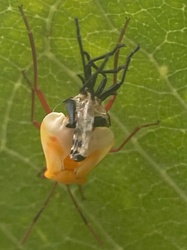
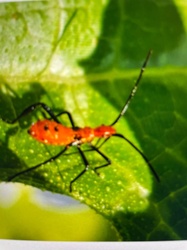
Wheel Bug identified by the community
Real finds identified with Bug Identifier.
Other bugs you may enjoy
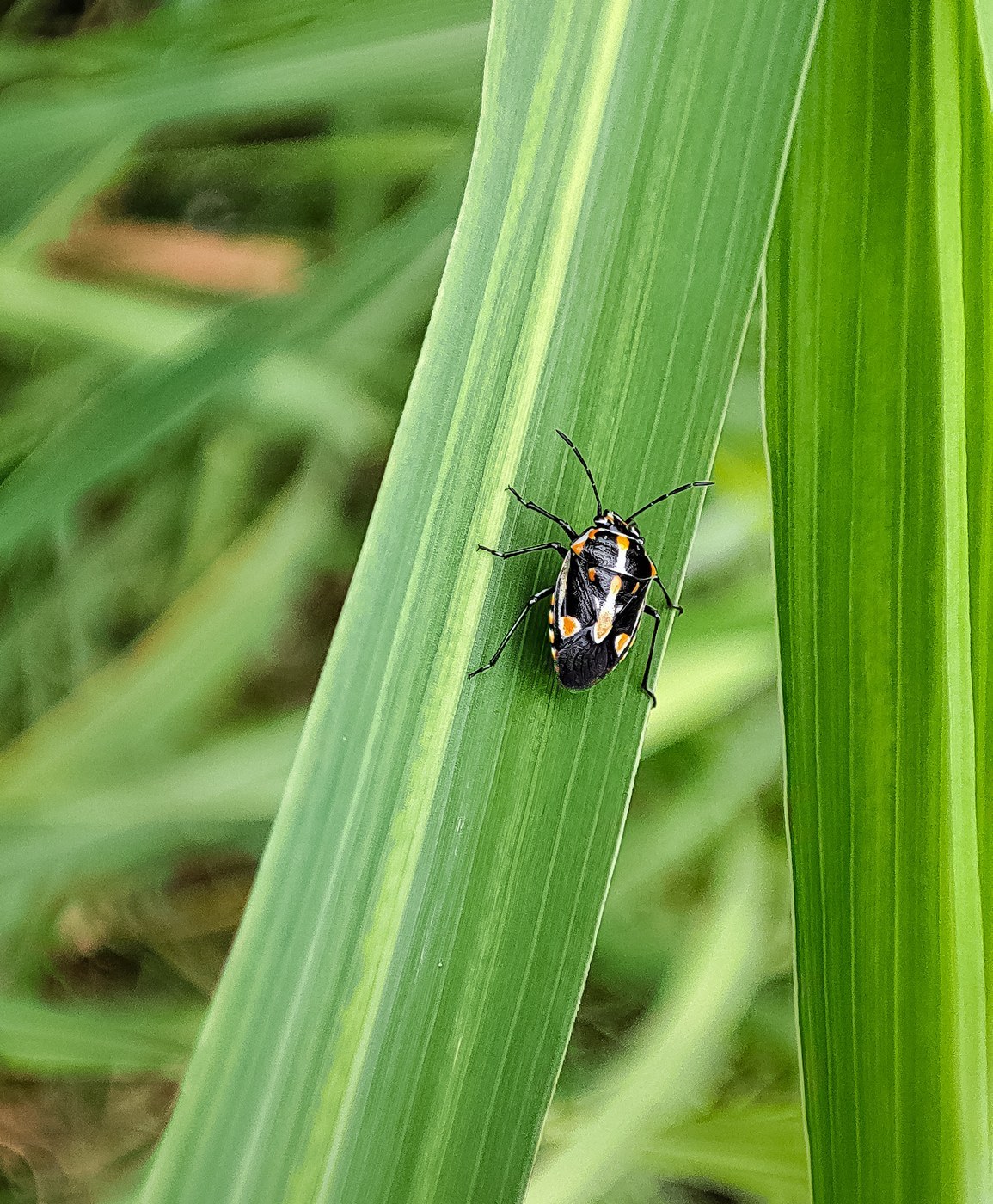
Bagrada Bug
Arid gardens, crucifer fields, desert-adjacent croplands
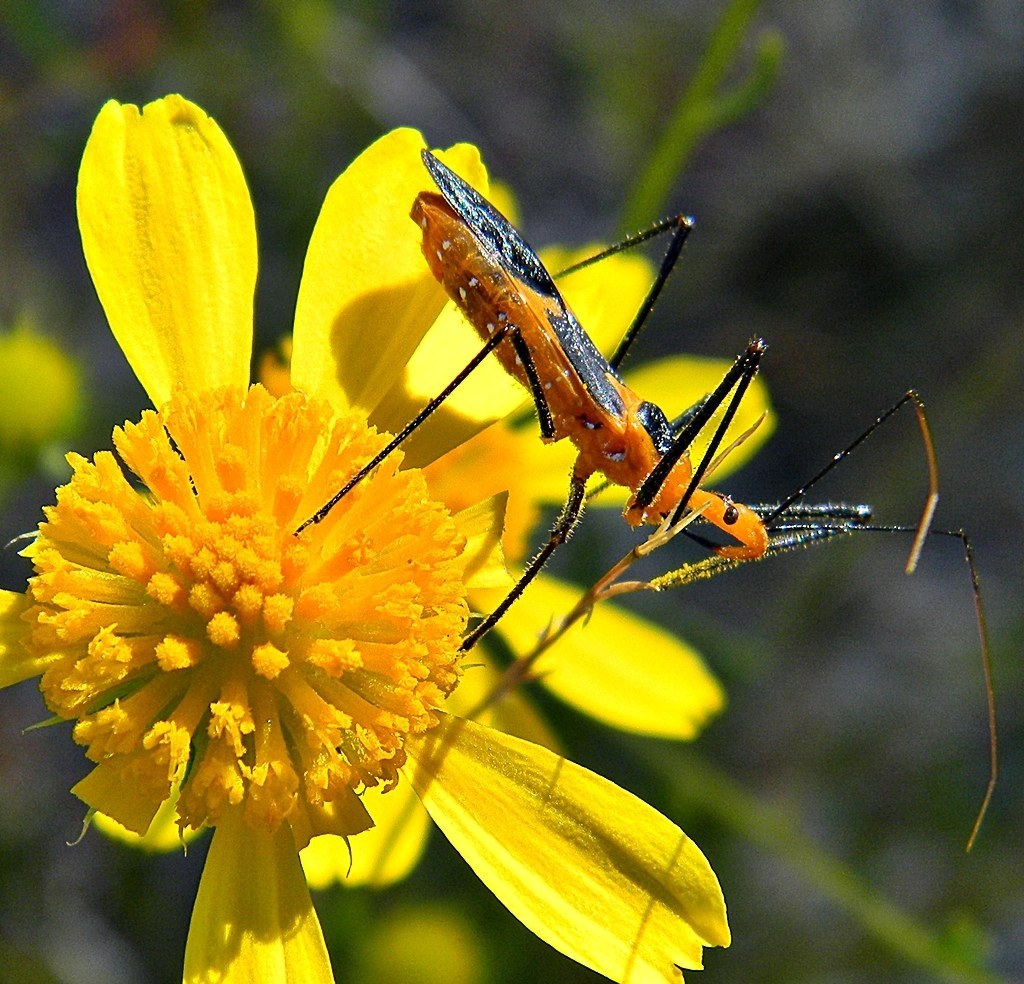
Assassin Bug
Gardens, meadows, and vegetation worldwide
Water Boatman Bug
Ponds, lakes, and slow-moving freshwater
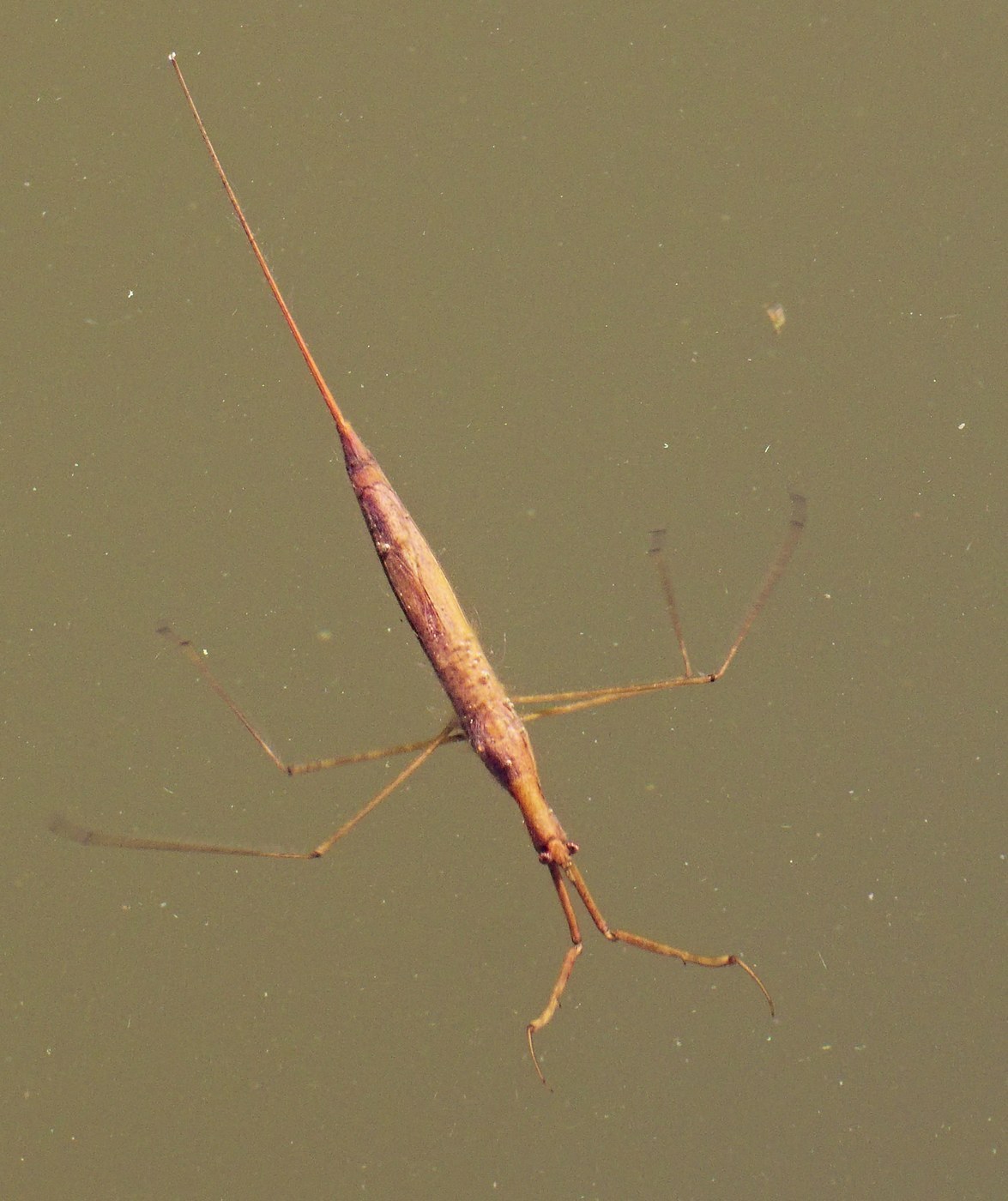
Water Stick Insect
Still and slow-moving water with dense submerged vegetation
Rough Stink Bug
Tree bark, woodlands, orchards, and shrubby vegetation
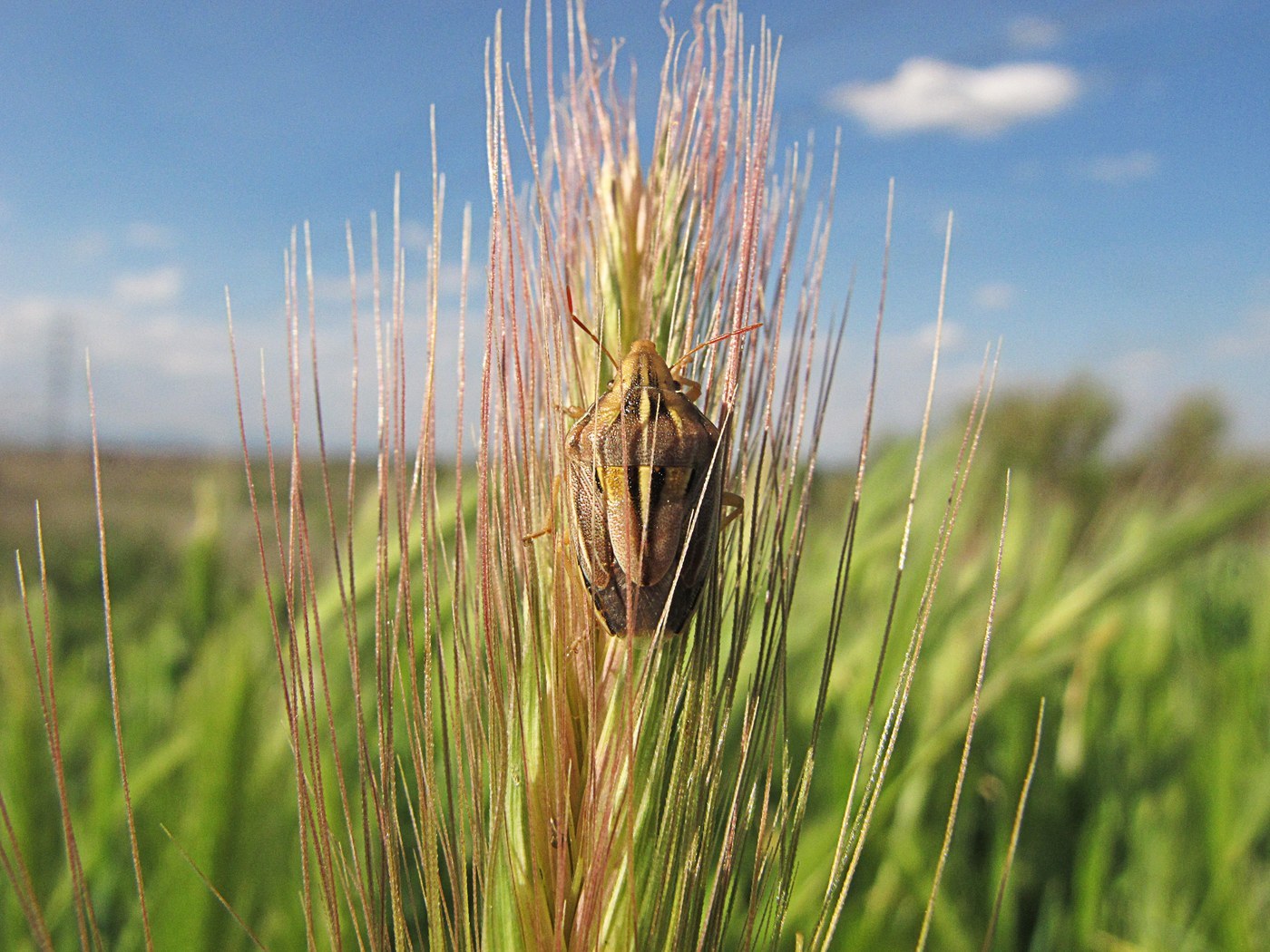
Stink Bug
Gardens, crop fields, and woodlands across temperate and subtropical regions
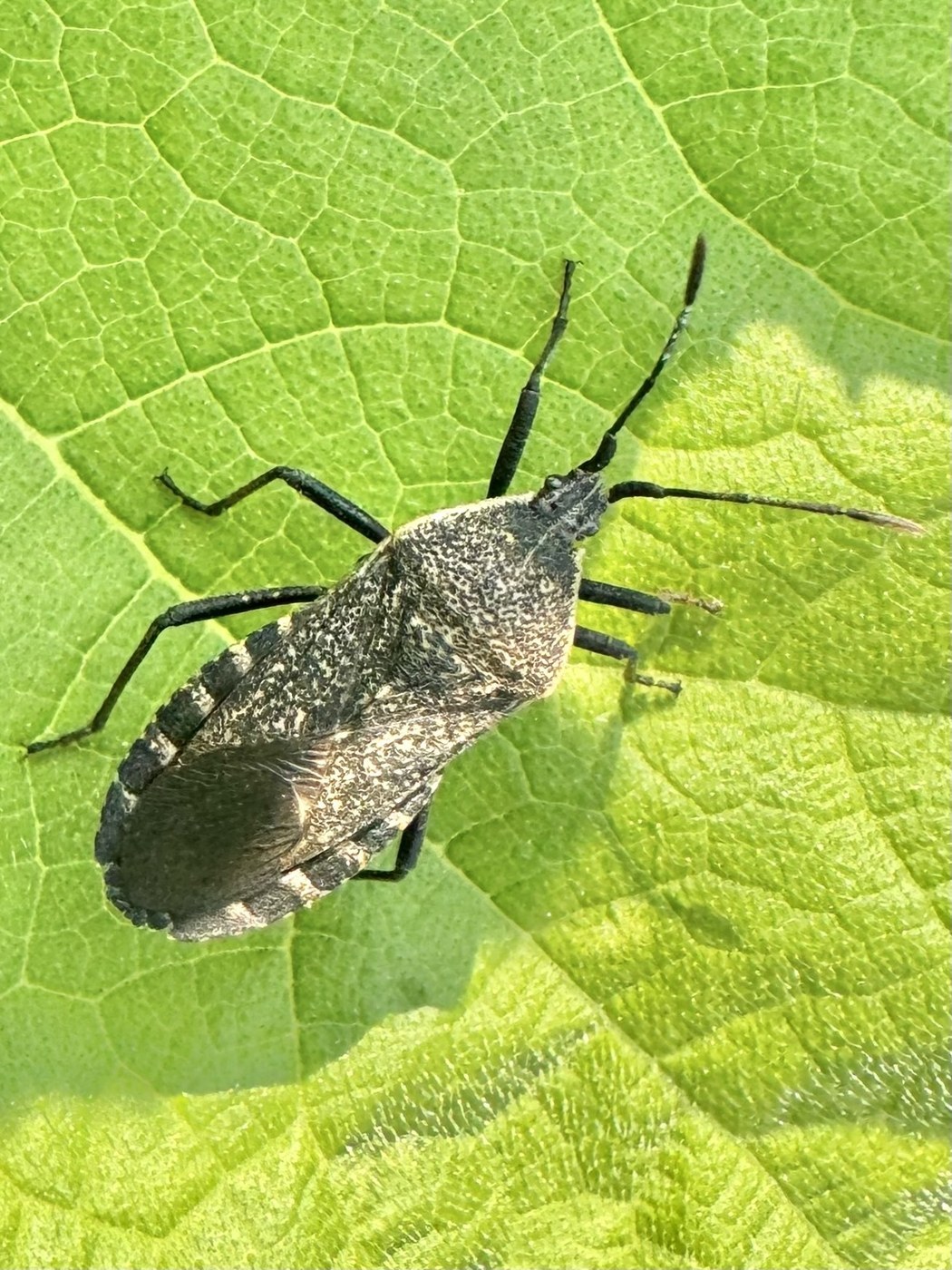
Squash Bug
Vegetable gardens and farm fields growing squash, pumpkin, and other cucurbits
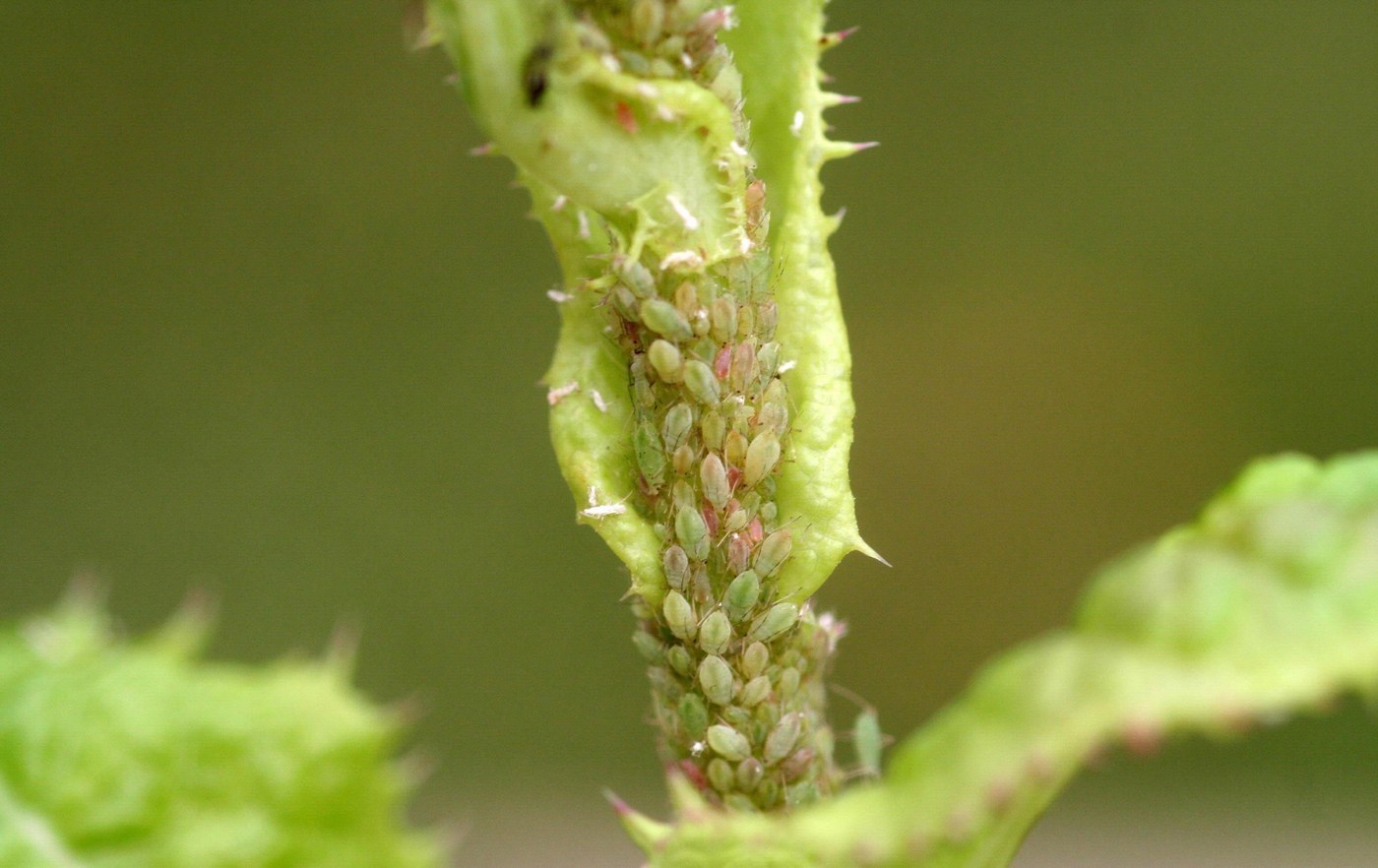
Aphid
On stems, leaves, and buds of a very wide range of host plants
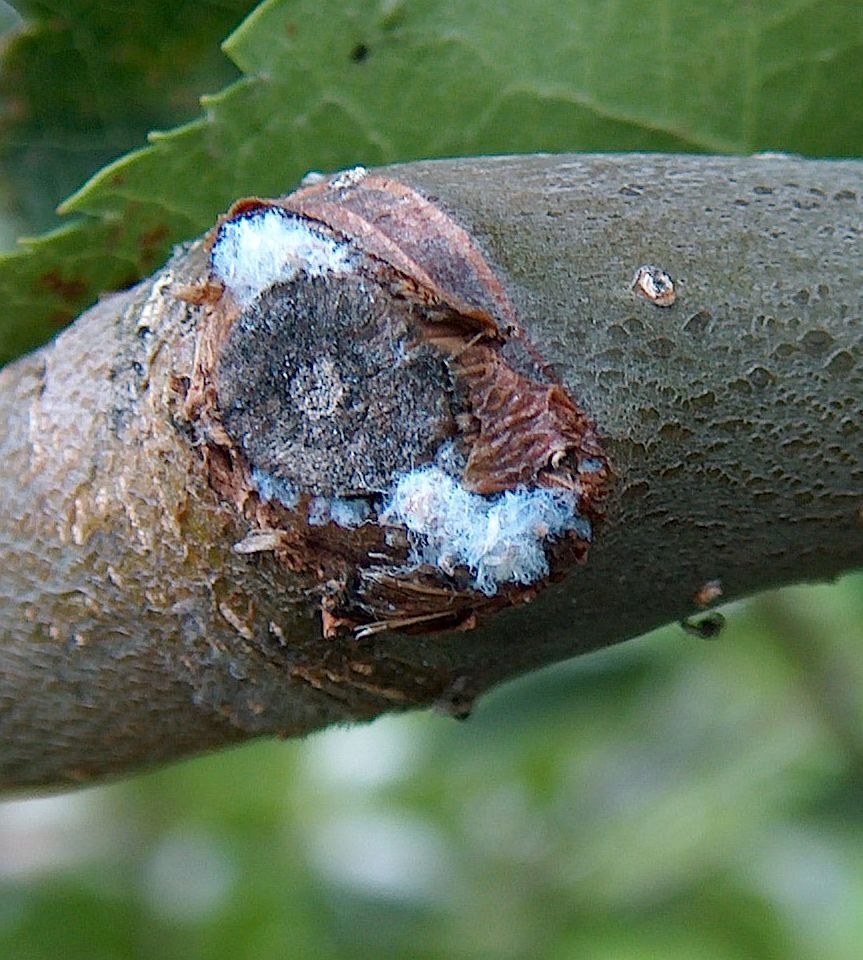
Woolly Aphid
Bark crevices, root collars, and twigs of apple, elm, and alder trees
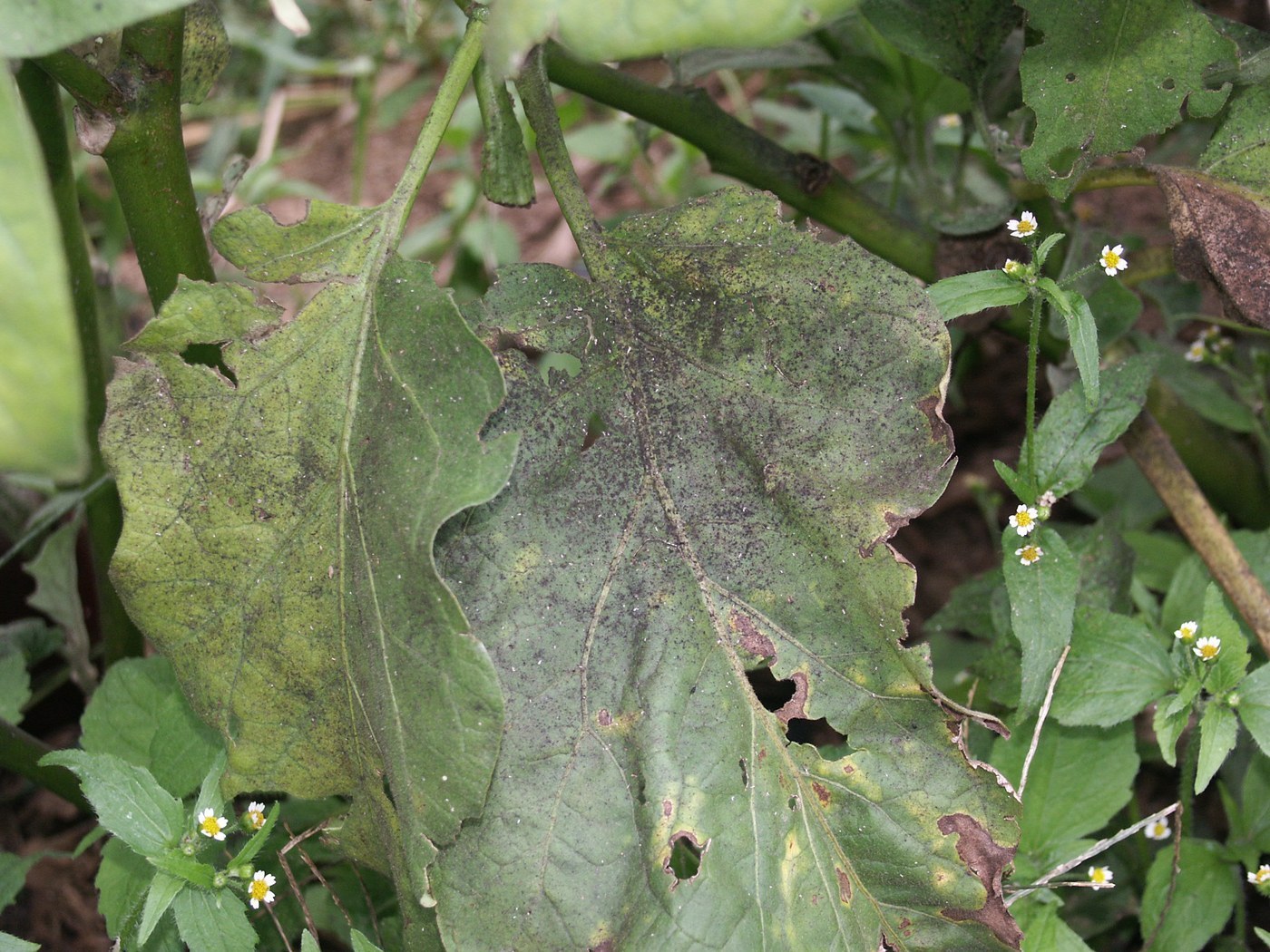
Whitefly
Greenhouses, gardens, and undersides of leaves on host plants
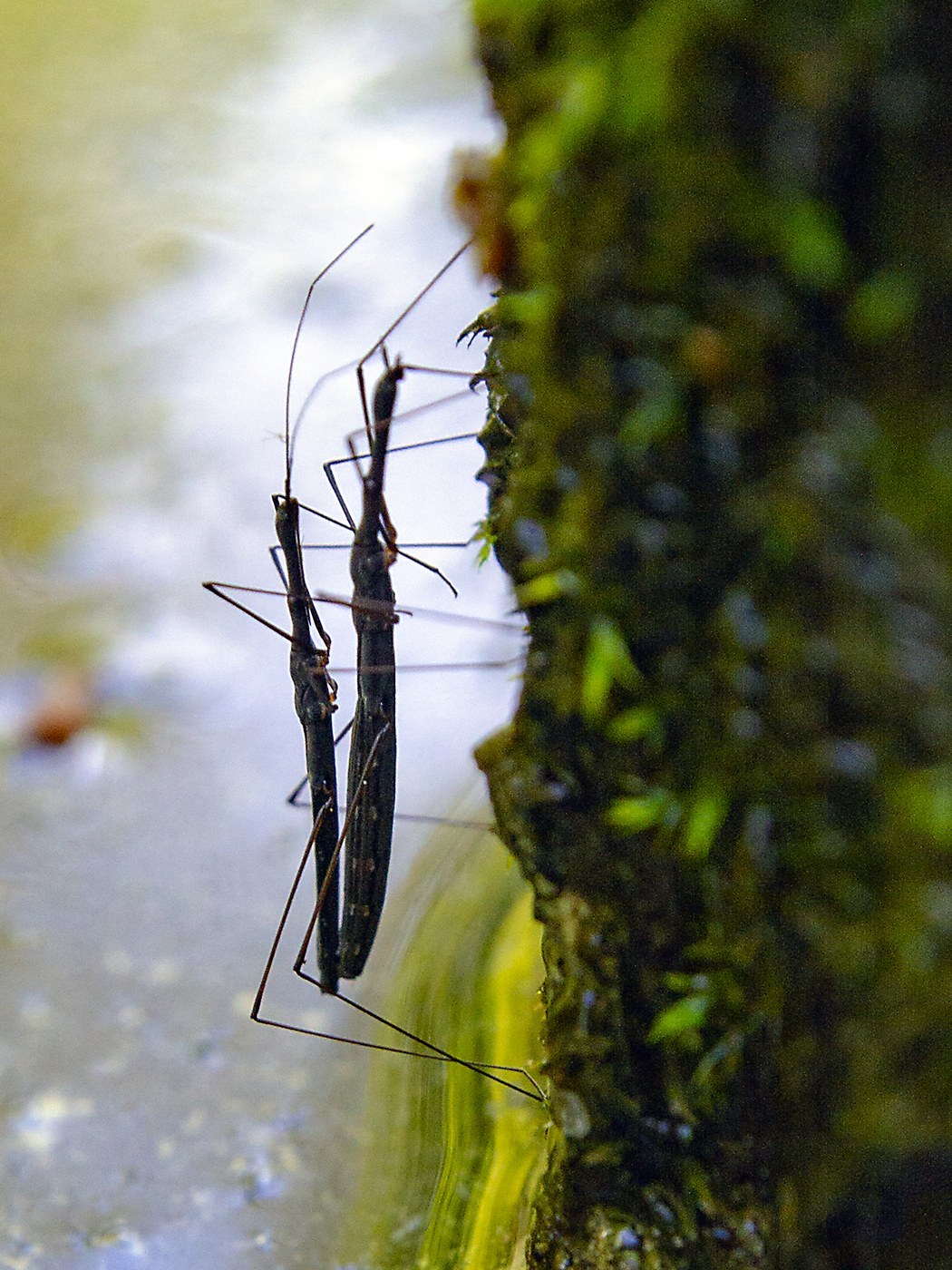
Water Measurer
Quiet edges of ponds, marshes, and slow streams
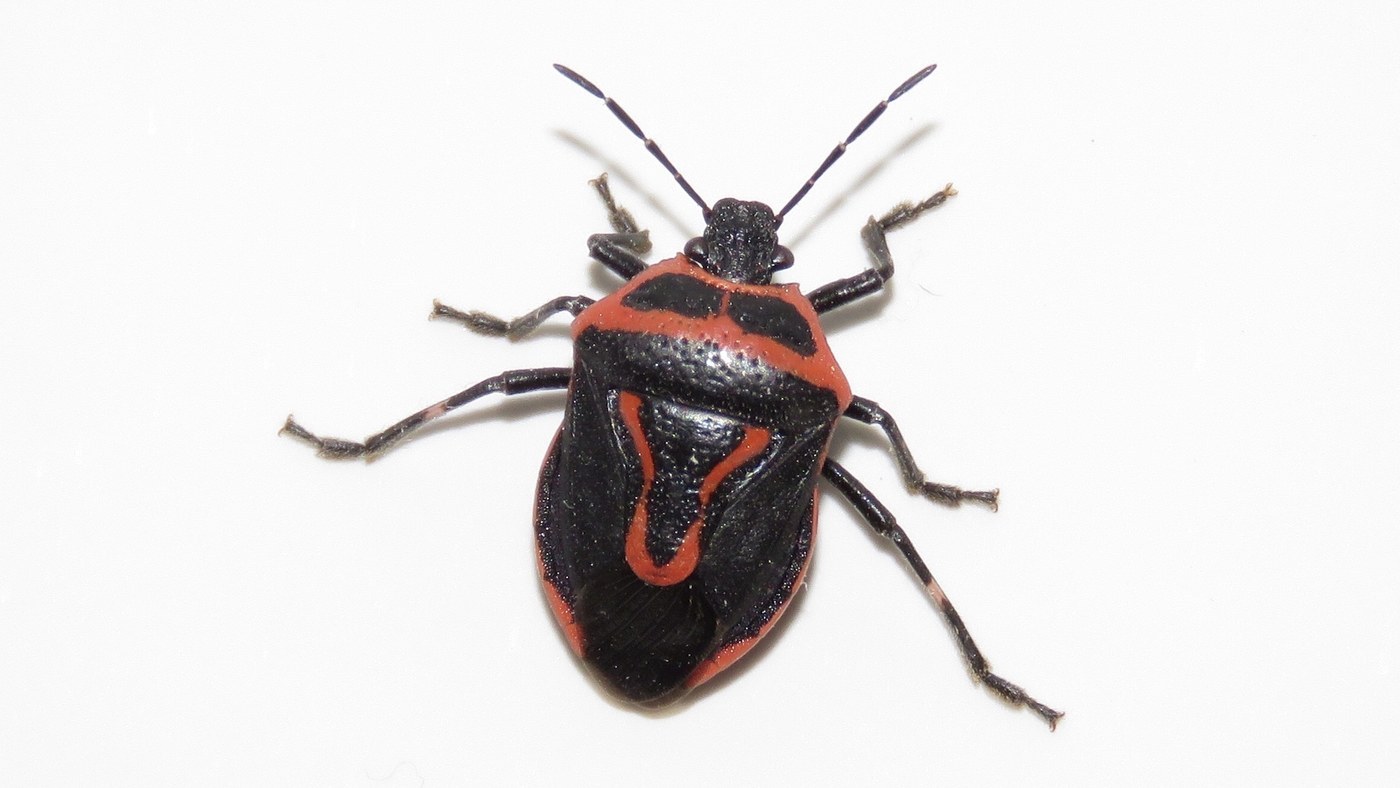
Two-Spotted Stink Bug
Gardens and fields with potato and nightshade-family plants