Woodlouse Spider Identification Guide
A shiny, reddish-orange spider with oversized fangs, specialized for hunting pill bugs and often found under rocks, logs, and debris.
Read the full Woodlouse Spider encyclopedia entry →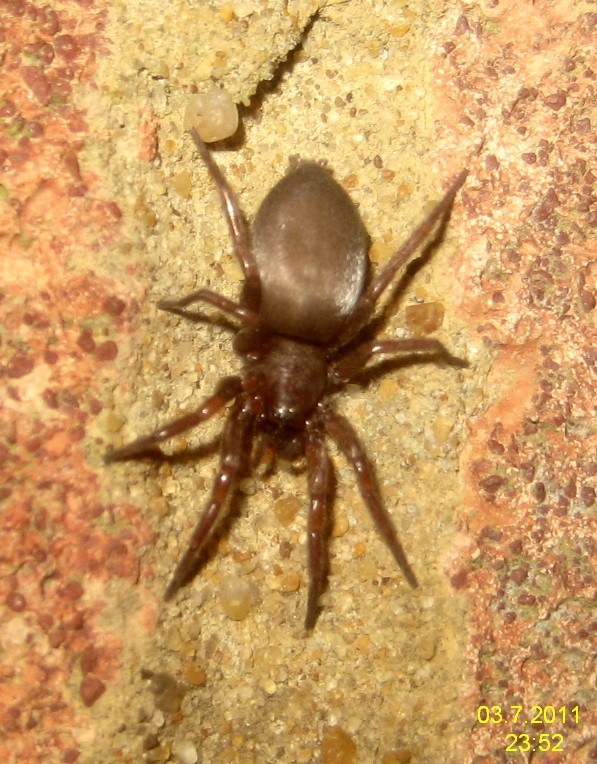
Key Visual Features
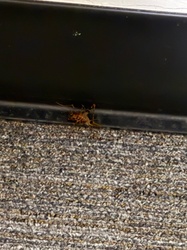
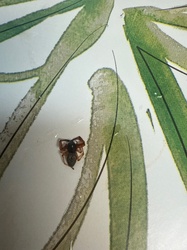
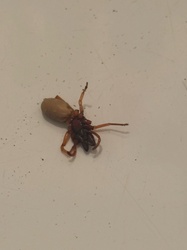
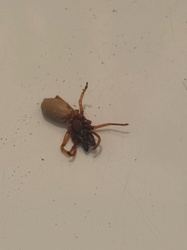
The woodlouse spider (Dysdera crocata) has a distinctive two-toned body and unusually large fangs adapted for a specialized diet.
- Size: Body length of about 0.4–0.6 inches (10–15 mm).
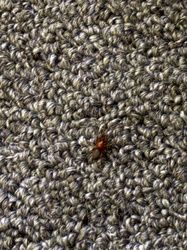
- Color: Reddish-orange to rust-colored cephalothorax and legs, with a pale grayish-tan, smooth, oval abdomen — a noticeable two-tone contrast.
- Body shape: Elongated, smooth, shiny abdomen without hair or obvious markings, paired with a comparatively large, hardened cephalothorax.
- Fangs (chelicerae): Unusually large and forward-projecting fangs are a hallmark feature, proportionally bigger than those of most other spiders of similar size, adapted for piercing the hard shells of isopods.
- Eyes: Six eyes clustered closely together at the front of the head, rather than the eight found in many other spider families.
- Legs: Six legs are reddish-orange like the cephalothorax, relatively long and sturdy.
Where and When You'd See It
Woodlouse spiders are found in temperate regions worldwide, including much of North America and Europe, typically in damp, dark microhabitats such as under rocks, logs, mulch, leaf litter, compost piles, and basement or crawlspace debris. They are nocturnal hunters that do not build webs to catch prey, instead actively searching out pill bugs and sowbugs (woodlice) at night. During the day they hide in silk-lined retreats under objects on the ground.
Similar-Looking Species
- Woodlouse hunter relatives (other Dysdera species): Nearly identical appearance; most reliably told apart by geographic range and minor structural differences.
- Recluse spiders: Similar overall size and can share the same hiding spots, but recluse spiders have a uniformly tan-to-brown body and lack the sharply contrasting reddish cephalothorax and pale abdomen.
- Camel spiders (solifugids): Much larger overall with a segmented, hairy abdomen and massive jaws, and are not true spiders.
- Wolf spiders: Have a mottled brown, hairy body rather than the smooth, shiny, two-toned look of the woodlouse spider.
Quick ID Checklist
- Reddish-orange cephalothorax and legs paired with a pale, smooth abdomen
- Unusually large, forward-pointing fangs visible at close range
- Six eyes clustered together (rather than eight spread out)
- Found under rocks, logs, mulch, or debris in damp areas
- Nocturnal; does not build a web to catch prey
Frequently asked questions
What is the most distinctive physical feature of the woodlouse spider?
Its oversized, forward-projecting fangs are the clearest identifying feature, proportionally much larger than those of most similarly sized spiders.
Why is it called the woodlouse spider?
It specializes in hunting woodlice (pill bugs and sowbugs), and its large fangs are adapted specifically for piercing their hard, segmented shells.
Does the woodlouse spider spin a web?
No, it actively hunts on the ground at night rather than trapping prey in a web; during the day it hides in a simple silk retreat under debris.
Where should I look for a woodlouse spider?
Check damp, dark spots such as under rocks, logs, mulch, compost, or basement clutter — the same places where woodlice congregate.
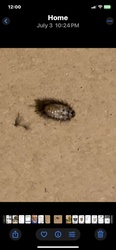
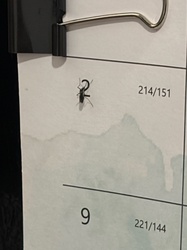
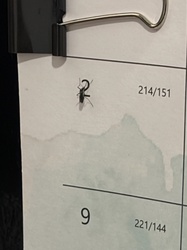
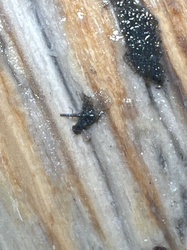
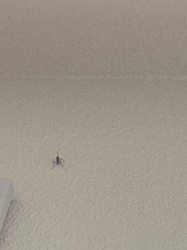
Woodlouse Spider identified by the community
Recent Woodlouse Spider finds identified with Bug Identifier.