
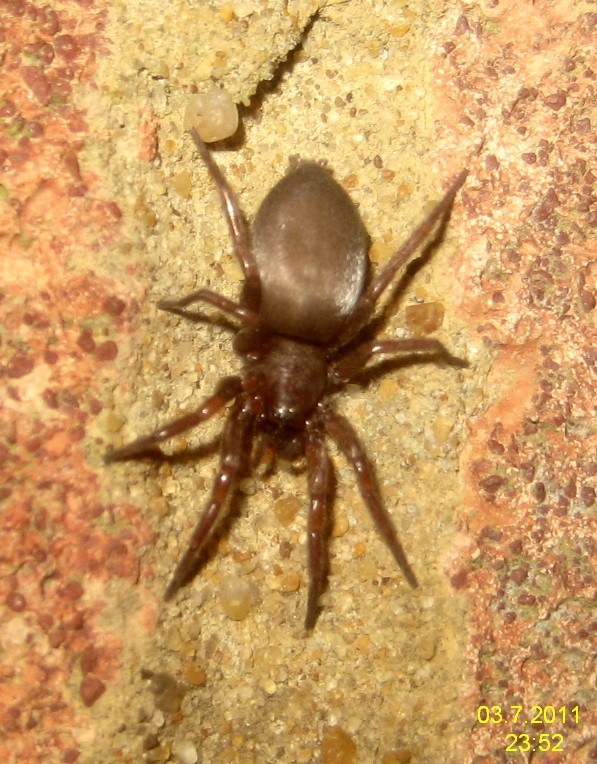
Woodlouse Spider
Dysdera crocata
A reddish-brown spider with oversized forward-pointing jaws specialized for piercing the armored shells of woodlice, often found lurking under damp stones and mulch.
- Size
- 9-15 mm body length
- Habitat
- Damp leaf litter, under logs, stones, and mulch
- Danger
- Bites
Spotted a bug like this?
Identify any bug or insect from a photo, free.
Overview
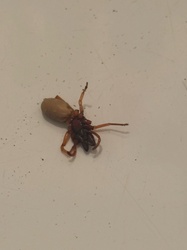
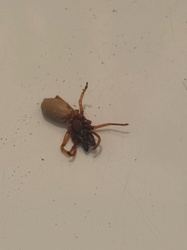
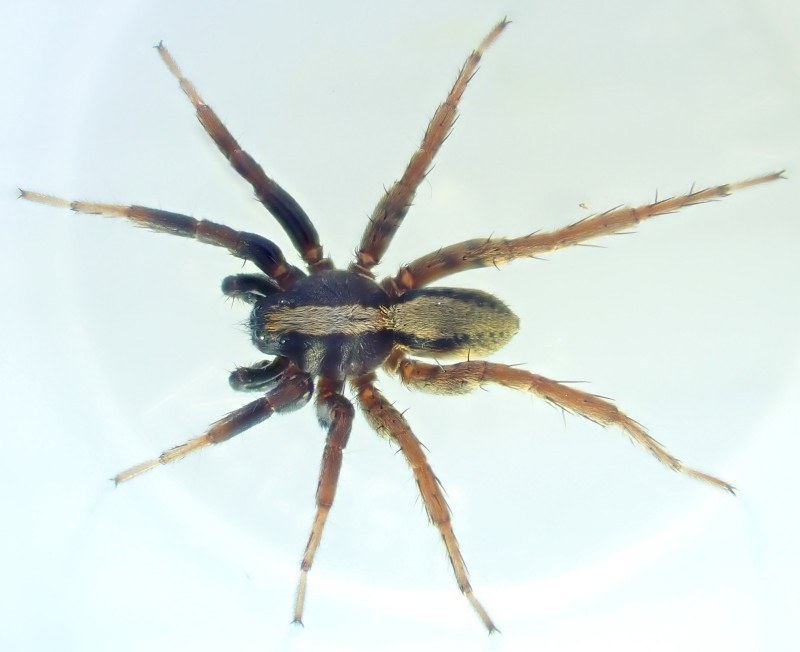
The woodlouse spider is a distinctive ground-dwelling species easily recognized by the sharp contrast between its glossy reddish-orange cephalothorax and legs and its pale, unmarked grayish abdomen. It is best known for its highly specialized diet: this spider is one of the few predators equipped to regularly overcome the armored exoskeleton of woodlice, also known as pillbugs or sowbugs, using unusually large, elongated chelicerae (fangs) that can pierce their prey's tough shell.
Originally native to the Mediterranean region, the woodlouse spider has been introduced widely and is now established across much of Europe and North America, closely tracking the distribution of the woodlice it depends on for food. It spends most of its time hidden away from light, emerging at night to hunt among leaf litter, garden debris, and damp structural crevices.
Despite its large jaws, the woodlouse spider is a reclusive, non-aggressive species that avoids confrontation and is rarely encountered in the open, spending the daylight hours concealed inside a silken retreat.
How to Identify
- Glossy, reddish-orange to orange-brown cephalothorax, legs, and chelicerae contrasting with a pale, dull grayish abdomen lacking obvious markings
- Unusually large, elongated fangs projecting forward, adapted specifically for piercing woodlice
- Six eyes clustered closely together rather than the eight found in many other spiders
- Medium-sized, moderately robust body with relatively long legs
- Distinguished from other spiders by its two-toned coloring and specialized, oversized chelicerae
Habitat & Range
Woodlouse spiders live in damp, dark microhabitats such as leaf litter, under logs and stones, within compost and mulch piles, and in damp corners of basements, garages, and sheds. Native to the Mediterranean region, the species has spread widely across Europe and North America, largely tracking the availability of its woodlice prey. It is most active at night and can be found year-round in mild climates, with peak activity in warmer months.
Behavior & Diet
This spider is a nocturnal, ground-level hunter that does not build a capture web, instead actively searching out and seizing woodlice and other small invertebrates using its powerful, elongated jaws to penetrate their hard exoskeletons. During the day it hides inside a silk-lined retreat under bark, stones, or debris, emerging after dark to forage. Woodlouse spiders are solitary and generally avoid open, exposed areas, making them far less commonly seen than many other garden spiders despite being widespread.
Life Cycle
Females lay eggs within a silk-lined retreat, often under a stone or log, and may remain nearby to guard the developing eggs and young spiderlings. Juveniles resemble smaller versions of the adults and grow through a series of molts over many months as they hunt increasingly larger woodlice. Development can take a year or more to reach maturity, with individuals overwintering in sheltered retreats in cooler climates.
Frequently asked questions
Does the woodlouse spider bite?
It can bite in defense if handled, given its large jaws, but it is a reclusive spider that typically avoids confrontation and stays hidden.
Why does the woodlouse spider have such large jaws?
Its elongated chelicerae are specialized for piercing the hard, armored shells of woodlice, which form the bulk of its diet.
Where do woodlouse spiders hide?
They shelter in damp leaf litter, under logs and stones, in mulch, and in dark corners of basements or sheds during the day.
Does the woodlouse spider spin a web to catch prey?
No, it actively hunts woodlice on the ground rather than trapping prey in a web.
Woodlouse Spider guides
In-depth guides for identifying, understanding, and living alongside Woodlouse Spider.
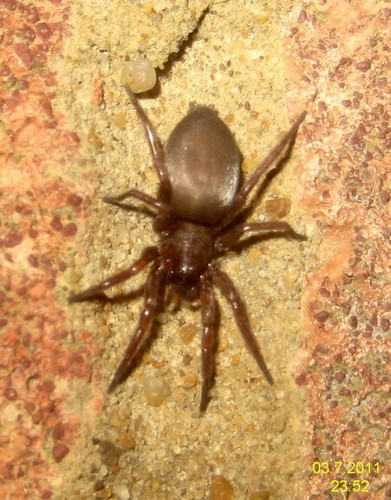
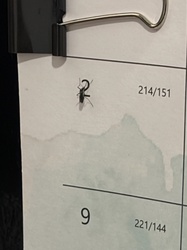
Woodlouse Spider identified by the community
Real finds identified with Bug Identifier.
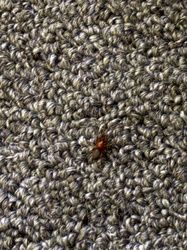
Other bugs you may enjoy
Wolf Spider
Gardens, grasslands, forests, leaf litter, ground burrows
Wandering Spider
Tropical and subtropical forest floor, foliage, and banana plants
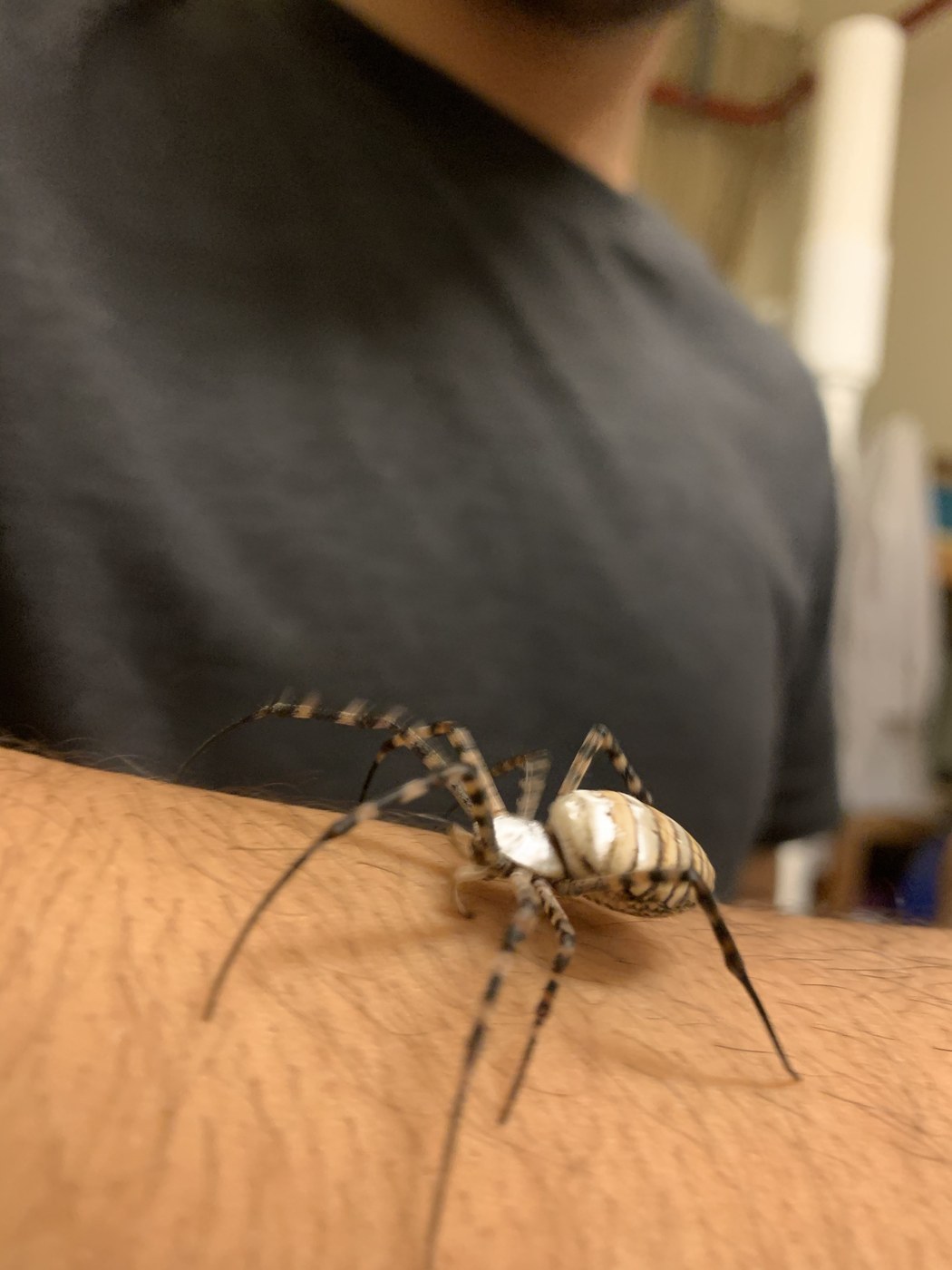
Banded Garden Spider
Tall grass, meadows, and gardens with open sunny vegetation
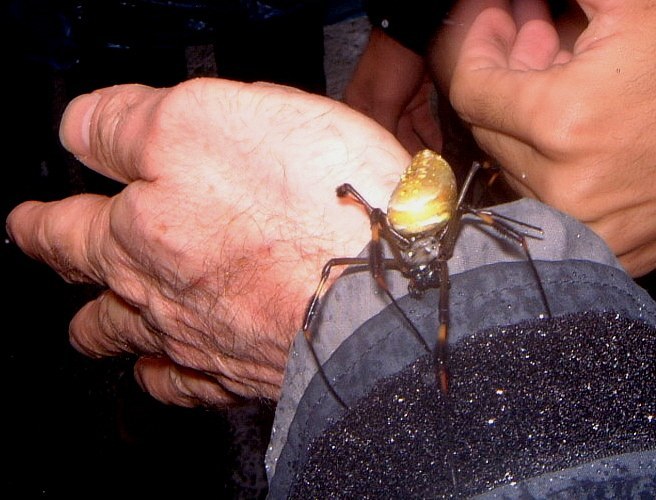
Banana Spider
Wooded trails, forest edges, and gardens across the southeastern U.S. and the American tropics
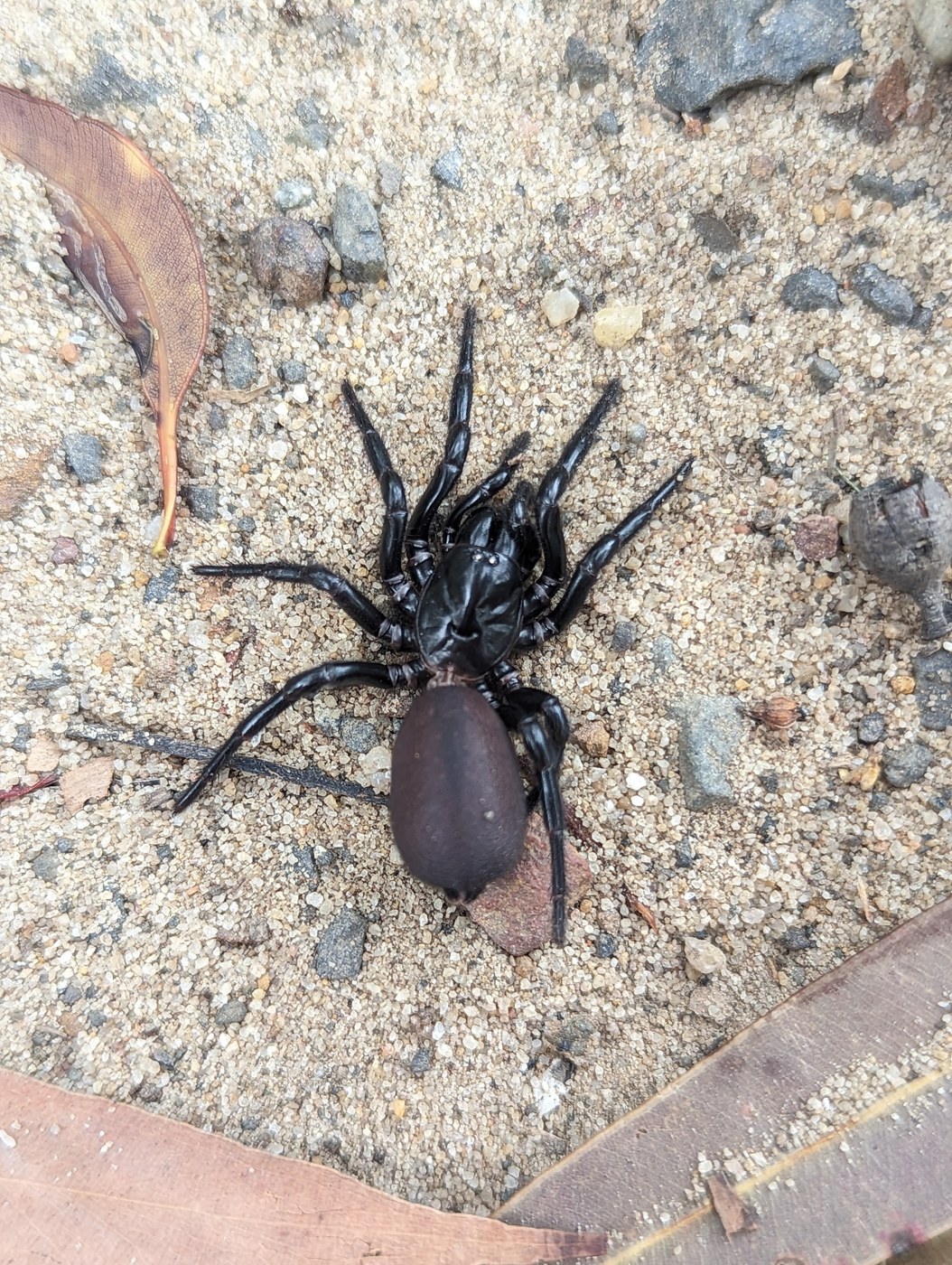
Sydney Funnel-web Spider
Burrows in moist soil, gardens, and forested gullies around the Sydney basin of eastern Australia
Trapdoor Spider
Self-dug silk-lined burrows with a camouflaged door, in dry, well-drained soil worldwide
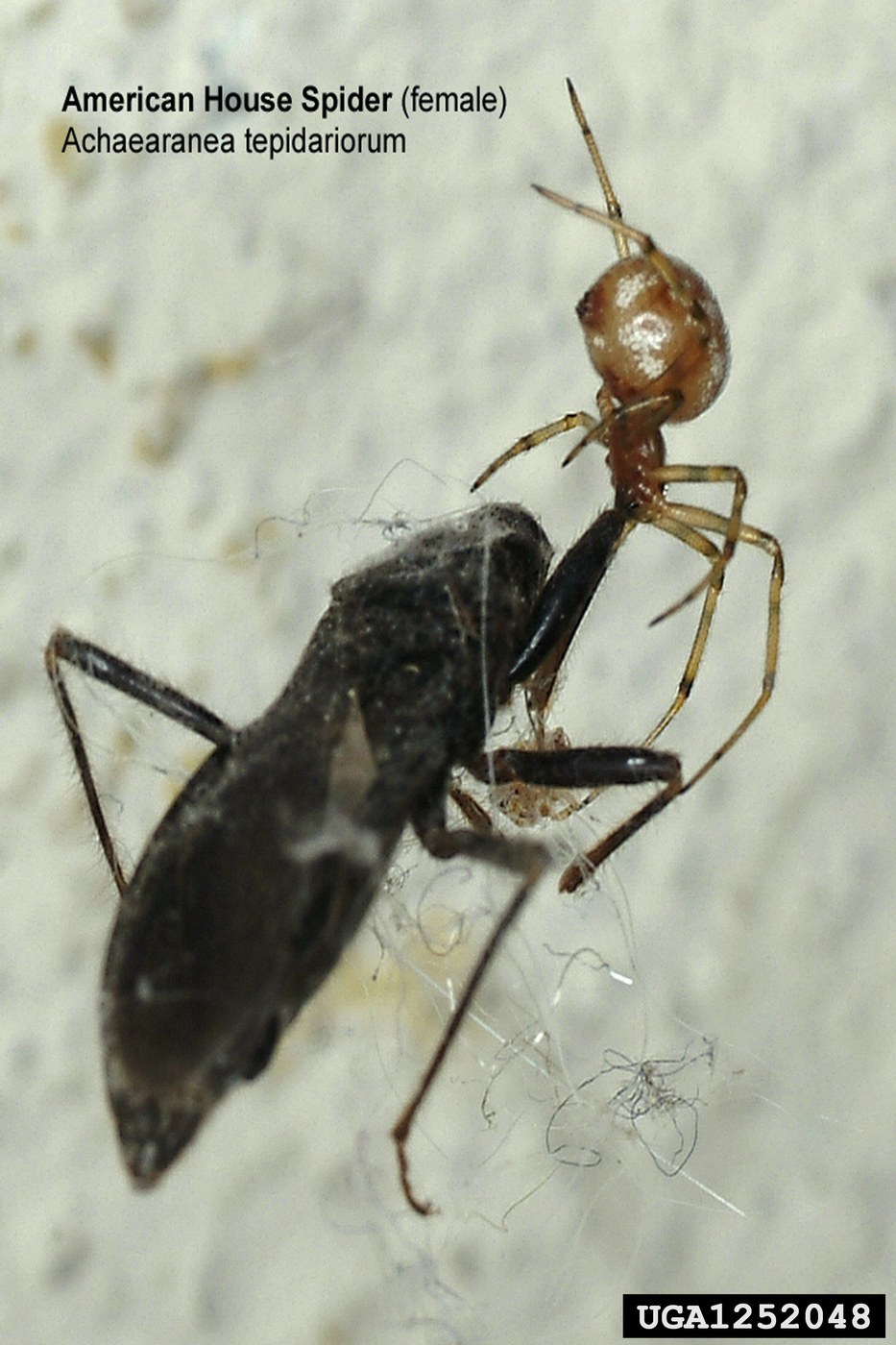
American House Spider
Corners, basements, garages, and outbuildings worldwide
Tube Web Spider
Wall crevices, bark, rockeries, and masonry
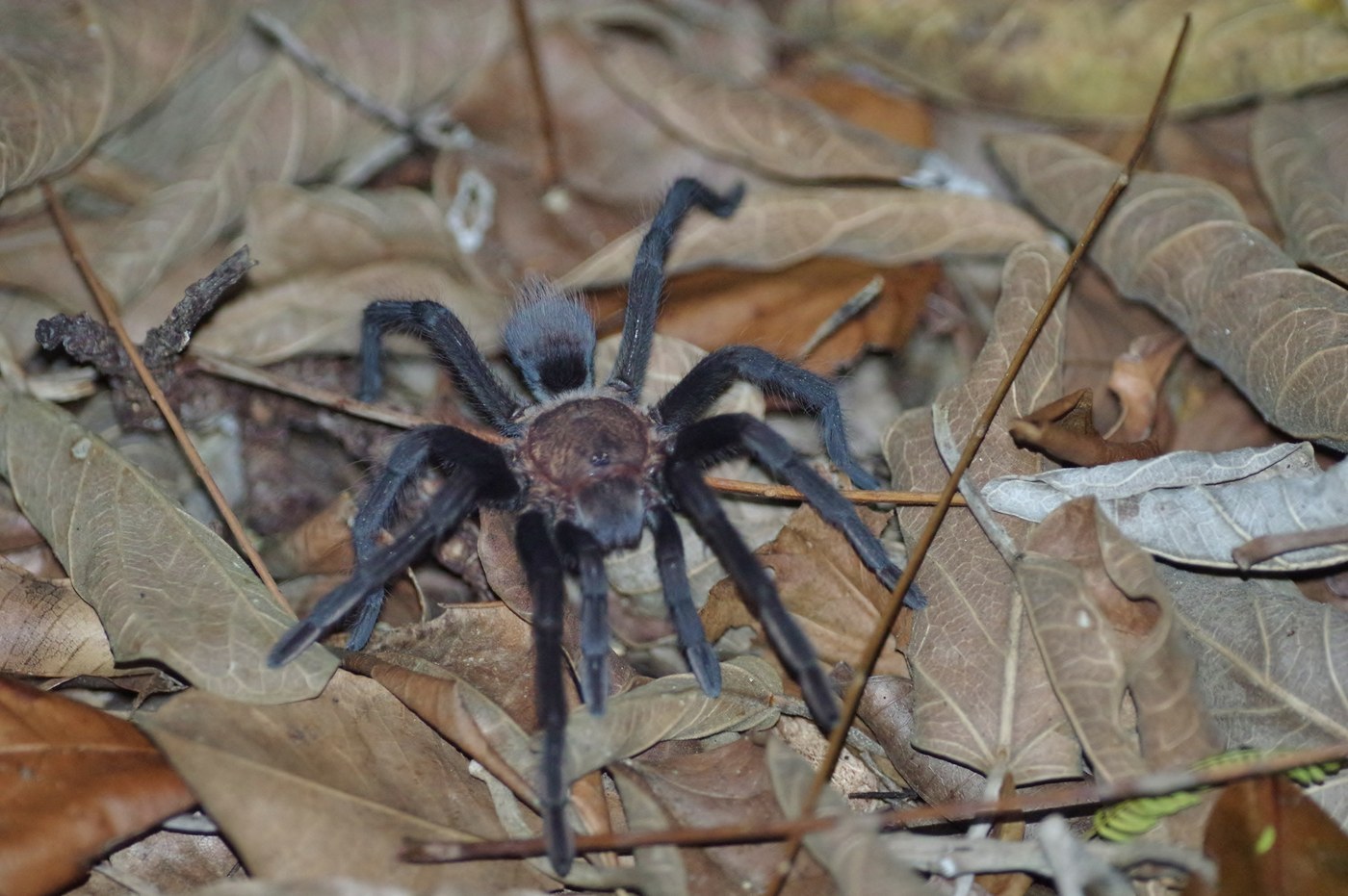
Tarantula
Burrows, rock crevices, and tree hollows in deserts, grasslands, and tropical forests worldwide
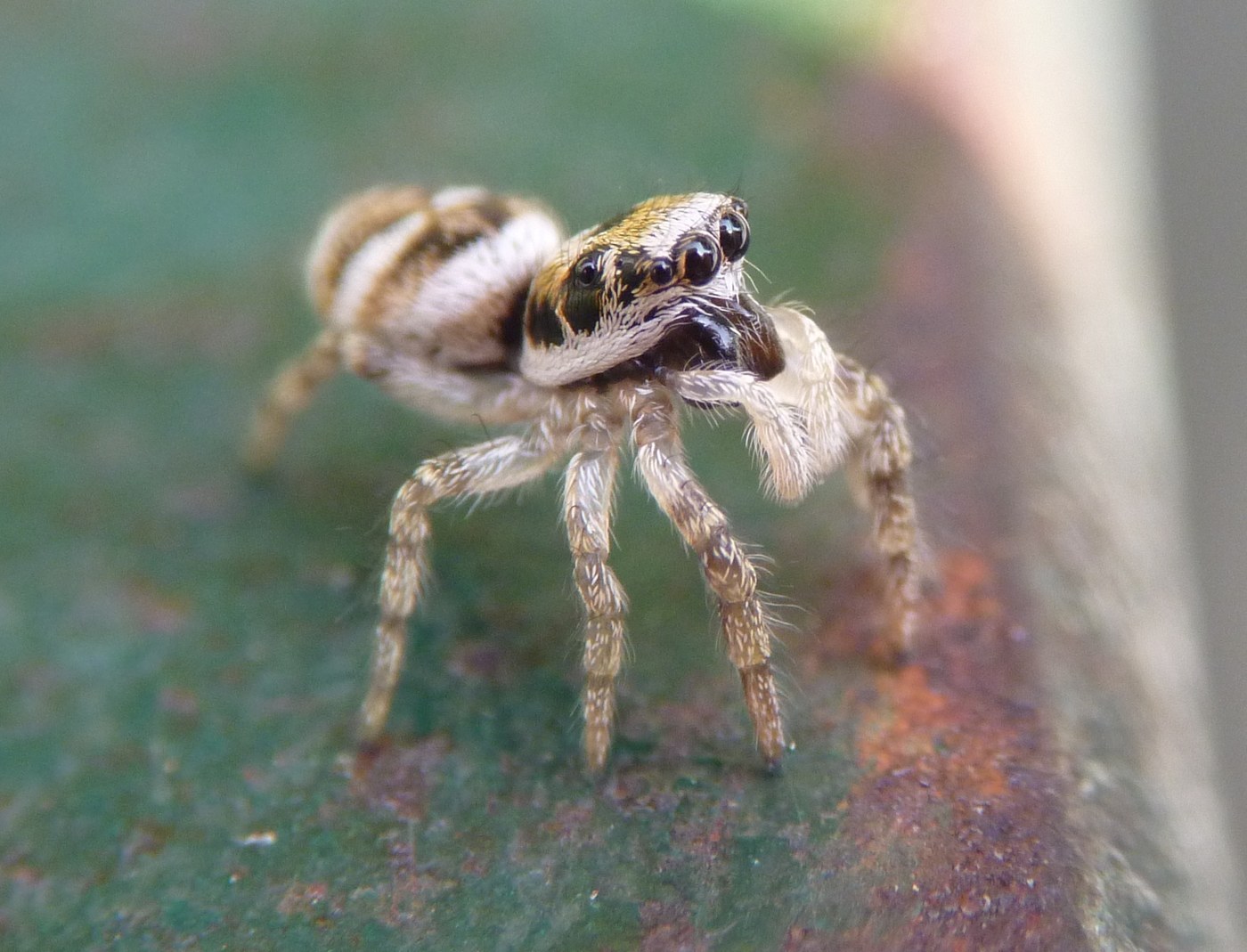
Zebra Jumping Spider
Sunny walls, fences, tree bark, and building exteriors
Wall Spider
Cracks and crevices on exterior and interior walls
Wolf Spiderling
Grasslands, gardens, leaf litter and bare ground