
Bug Encyclopedia
Search and identify bugs & insects — beetles, butterflies, moths, ants, bees, spiders and more — with size, habitat, danger, behavior, and how to tell them apart.
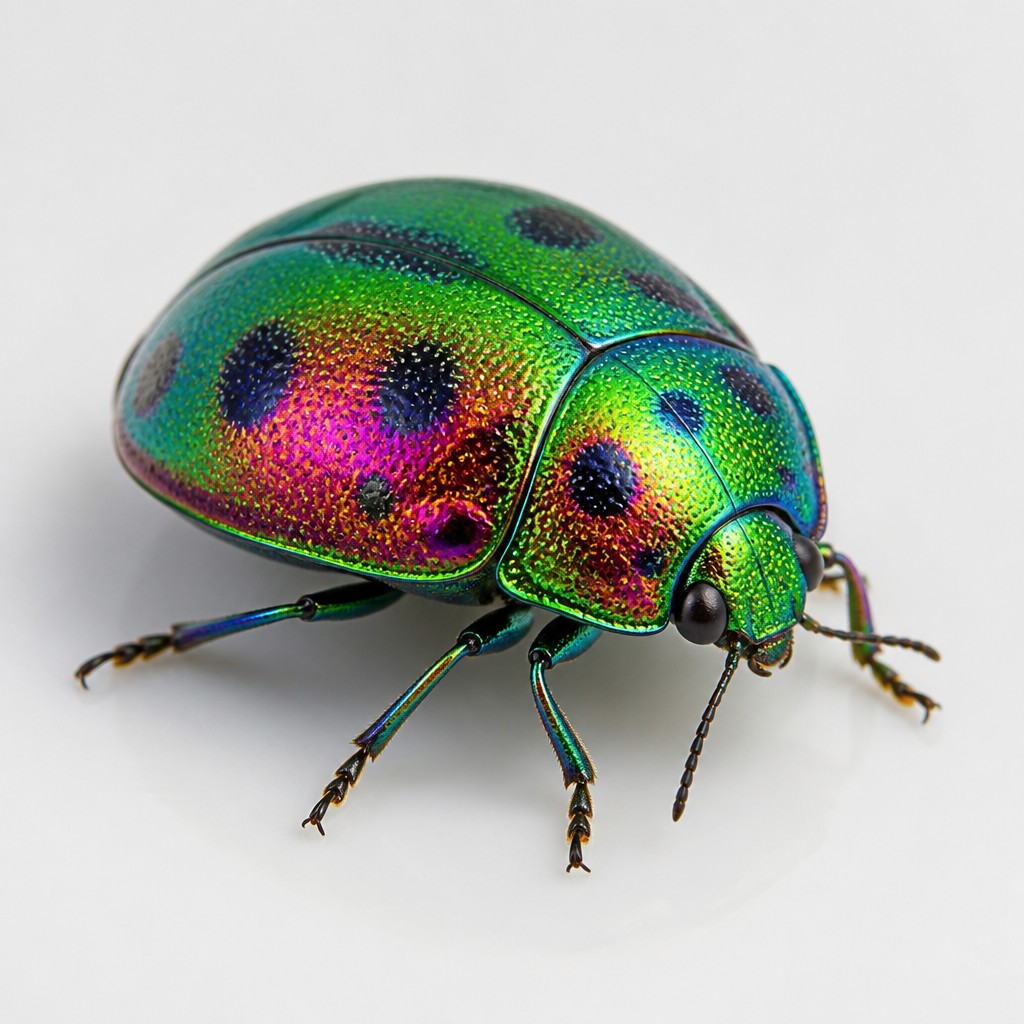
Jewel Bug
A living gemstone of the insect world, the jewel bug shimmers in dazzling metallic greens, blues, reds, and golds. Its enlarged shield-like back covers the entire body, making it look like a polished piece of enamelware.
true-bug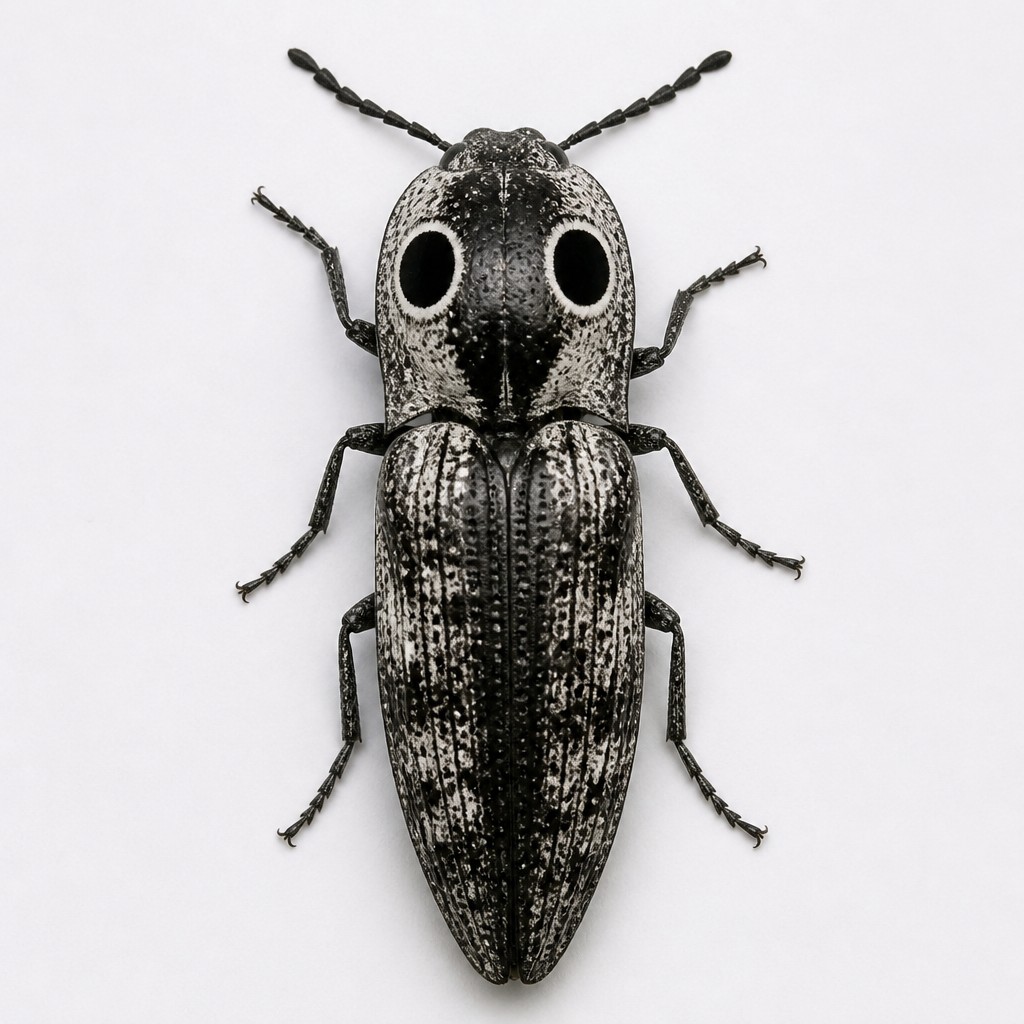
Eyed Click Beetle
A large, mottled black-and-white beetle marked with two prominent false eyespots on its thorax, well known for its ability to snap its body into the air with an audible click when flipped onto its back.
beetle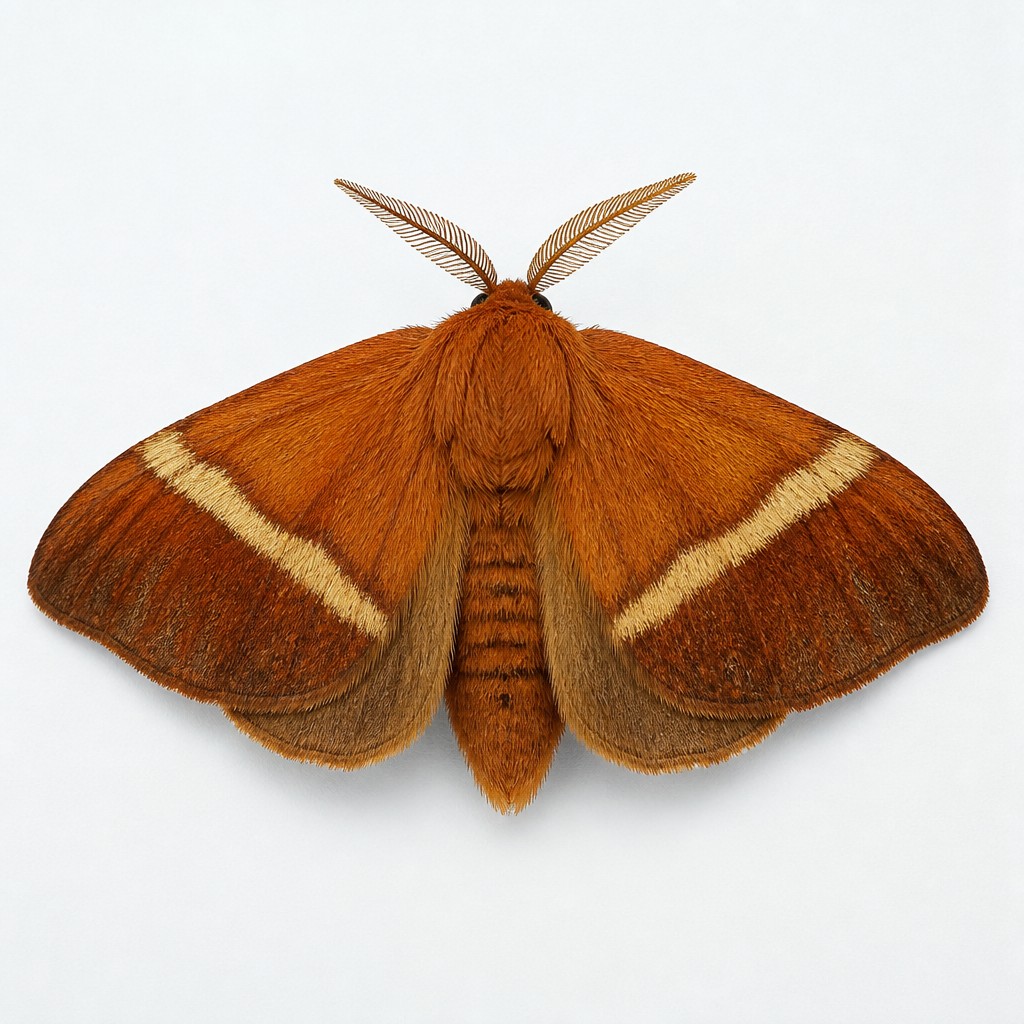
Fox Moth
A stout, reddish-brown moth with a pale diagonal band across each forewing, closely resembling a fox in color, most often noticed as its large, densely furred dark caterpillar basking on open ground in spring.
moth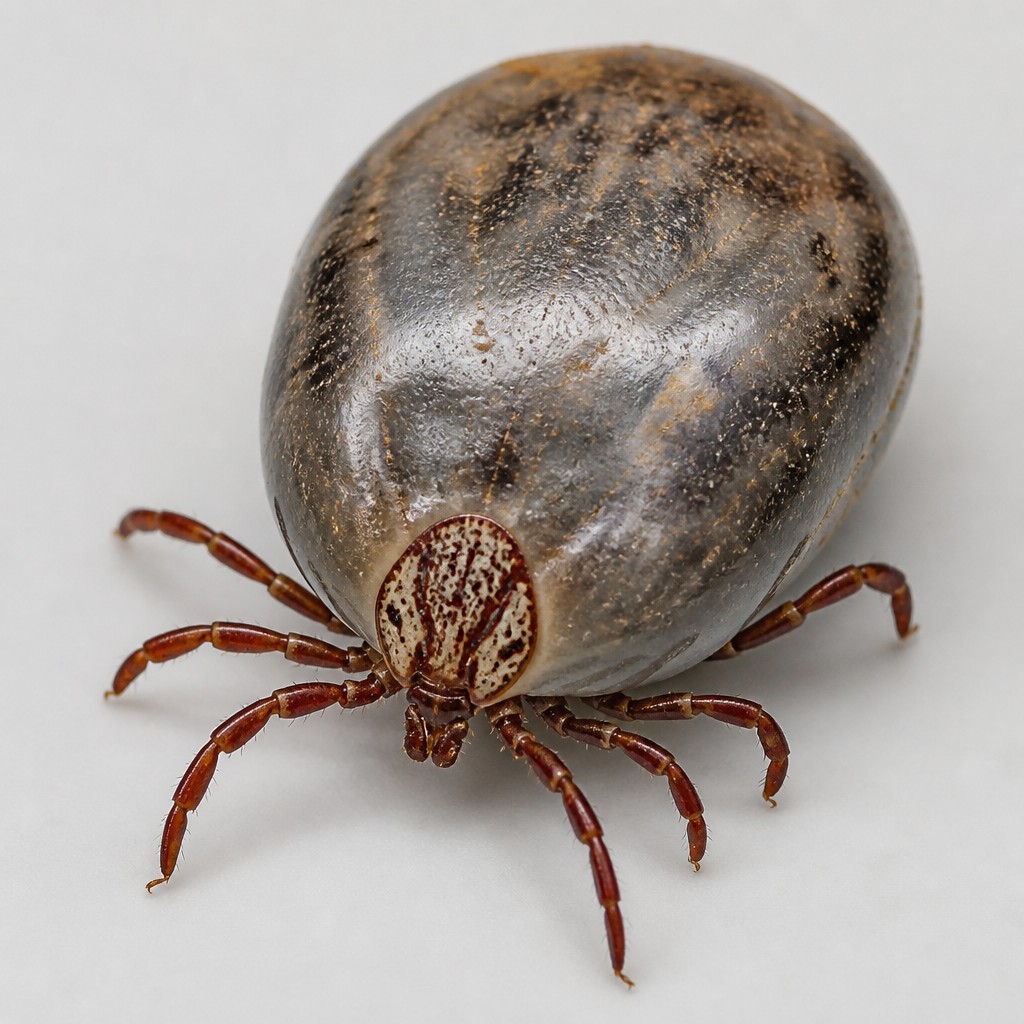
Wood Tick
A flattened, ornately patterned tick that waits on low brush in the Rocky Mountain foothills, ready to grab onto large mammals passing within reach. Its mottled, shield-marked back makes it one of the more distinctive North American ticks to identify.
arachnid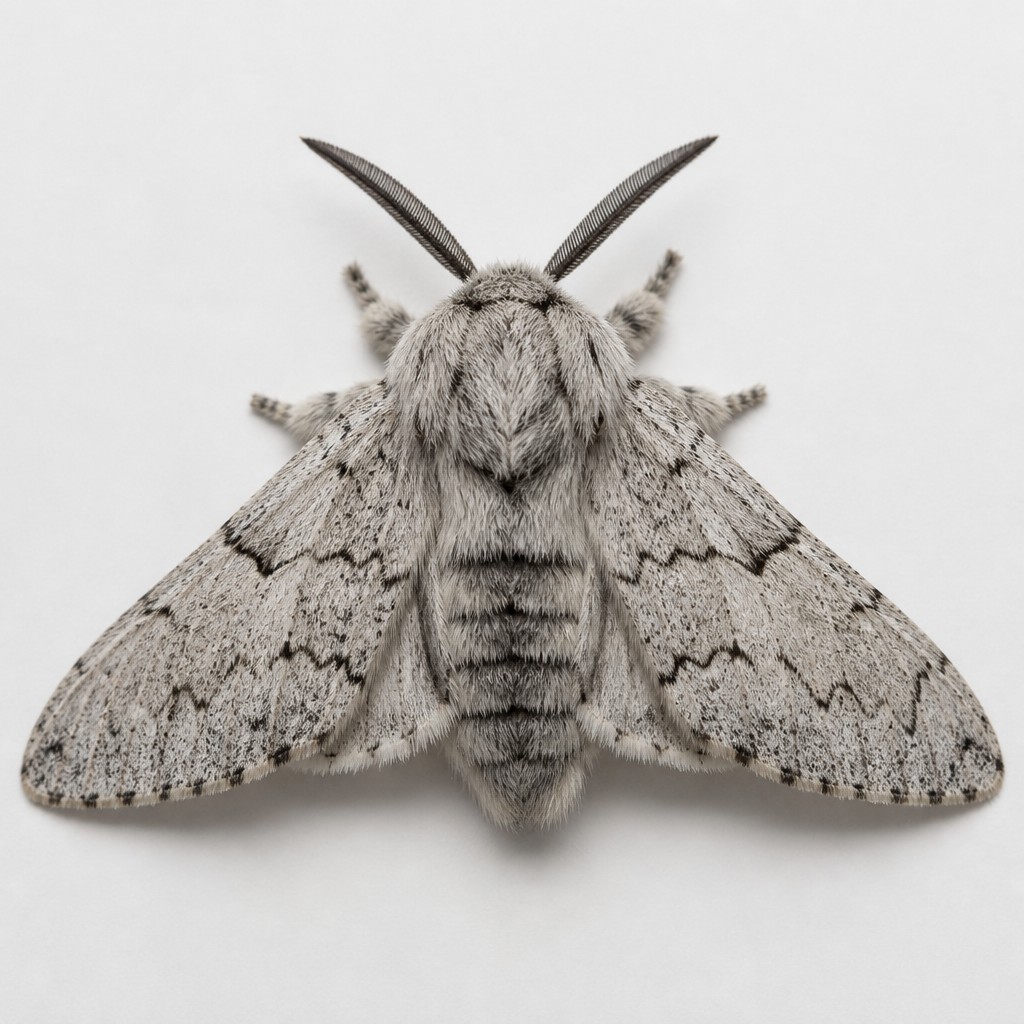
Puss Moth
A stout, furry gray-and-white moth named for its dense, cat-like coat of hair, best known for its bizarre green caterpillar with a hump-backed, face-like front end and forked tail filaments used in defensive displays.
moth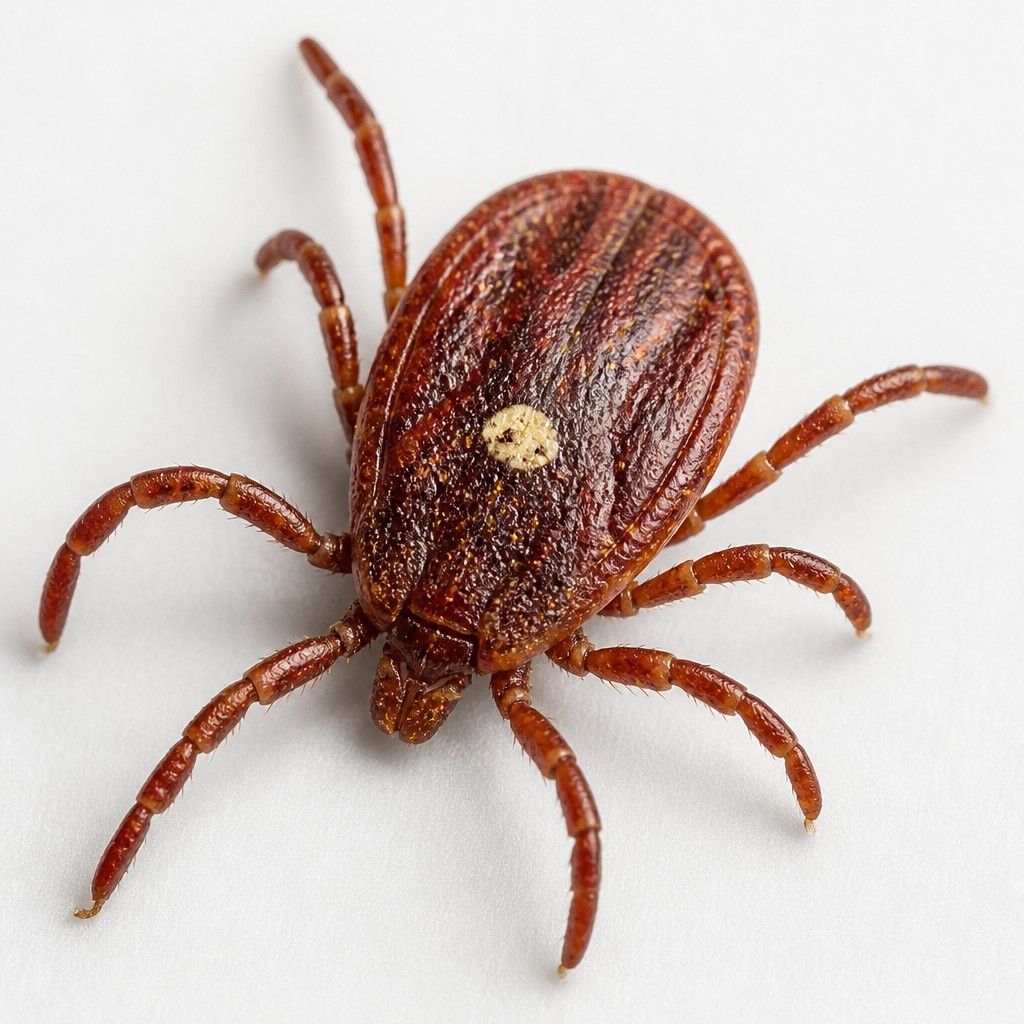
Lone Star Tick
Named for the single silvery-white spot on the back of the adult female, the lone star tick is unusually active for a tick, moving toward hosts rather than simply waiting for them to pass. Its reddish-brown, ornamented body makes it one of the easier North American ticks to identify at a glance.
arachnid