
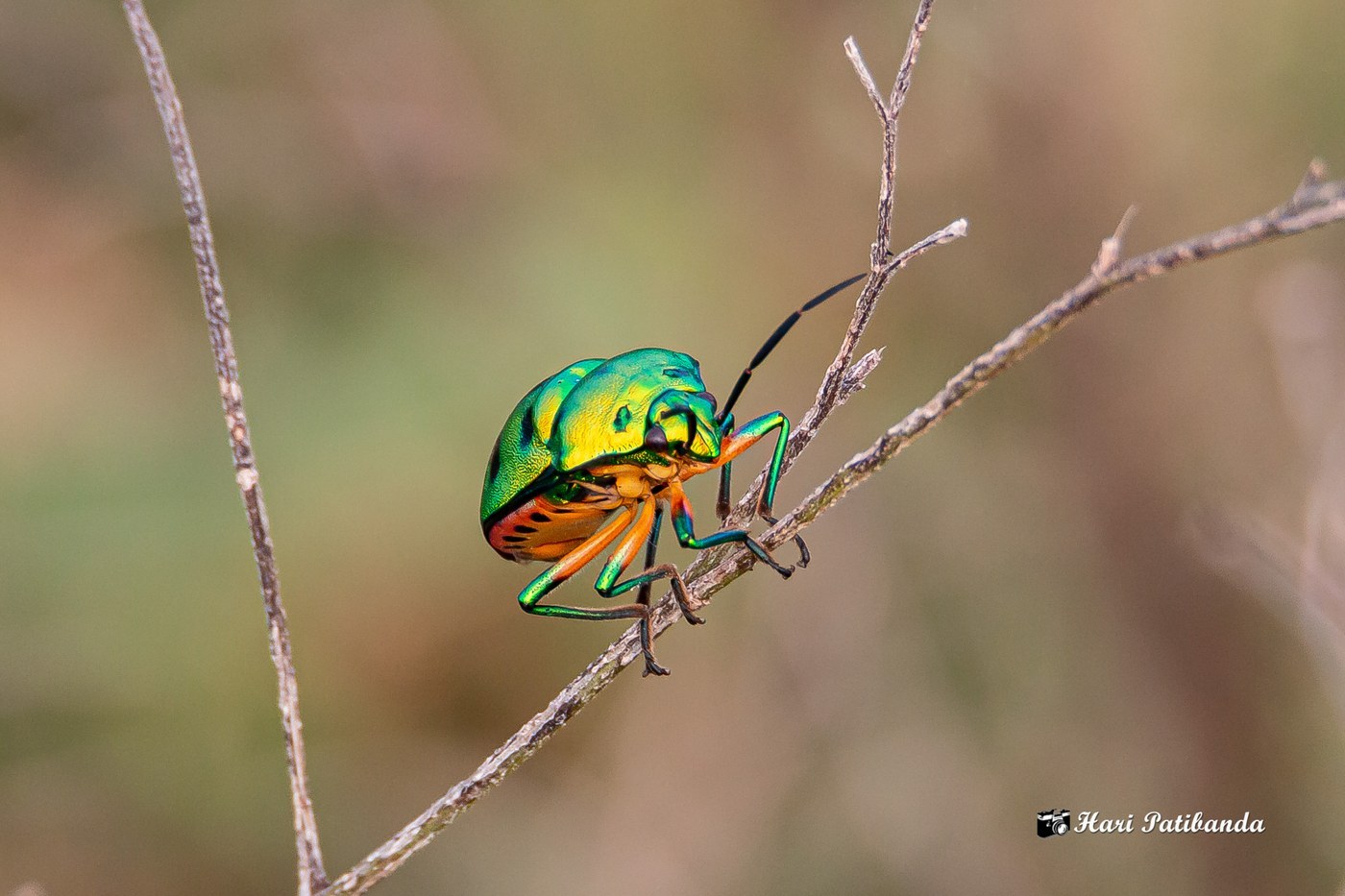
Jewel Bug
Family Scutelleridae
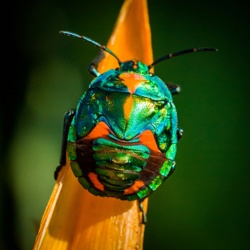
A living gemstone of the insect world, the jewel bug shimmers in dazzling metallic greens, blues, reds, and golds. Its enlarged shield-like back covers the entire body, making it look like a polished piece of enamelware.
- Size
- 5-20 mm
- Habitat
- Tropical and subtropical vegetation
- Danger
- Harmless
Spotted a bug like this?
Identify any bug or insect from a photo, free.
Overview
Jewel bugs belong to the family Scutelleridae, a group of true bugs famous for their brilliant, iridescent coloration. The defining feature is an enormously enlarged scutellum, a plate that extends over the whole abdomen and wings, giving the impression of a hard, gleaming shell like that of a beetle.
These insects are found mostly in warm tropical and subtropical regions around the world, where they feed on plant tissues. Their metallic colors arise from microscopic structures in the cuticle that reflect light, producing shifting rainbow hues that change with viewing angle.
Despite the beetle-like appearance, jewel bugs are true bugs (order Hemiptera) with piercing-sucking mouthparts rather than chewing jaws. The vivid colors are thought to serve as warning signals, since many species can release defensive odors when disturbed.
How to Identify
Look for these features:
- Rounded, dome-shaped body with a metallic sheen in green, blue, red, purple, or gold
- A greatly enlarged scutellum that covers the entire back like a solid shield
- Small size, typically under 20 mm
- Piercing-sucking mouthparts tucked beneath the head
- No visible wing seam down the middle of the back (unlike stink bugs)
Lookalikes include shield bugs (Pentatomidae) and metallic leaf beetles, but the fully covering scutellum and true-bug mouthparts distinguish jewel bugs.
Habitat & Range
Jewel bugs thrive in tropical and subtropical forests, gardens, and scrublands across Asia, Africa, Australia, and the Americas. They are typically found on the leaves, stems, and seed pods of their host plants. Adults and nymphs are most active in warm months and are often seen clustered together on foliage.
Behavior & Diet
Jewel bugs feed by inserting their needle-like mouthparts into plant tissues and sucking sap, seeds, and developing fruits. Some species aggregate in large numbers on host plants. When threatened, they can emit pungent defensive secretions from scent glands. As sap-feeders, they play a role in plant communities and serve as prey for birds and predatory insects.
Life Cycle
Jewel bugs undergo incomplete metamorphosis. Females lay clusters of barrel-shaped eggs on host plants. The emerging nymphs resemble small, wingless, often brightly colored versions of the adults and pass through several molts, gaining size and developing the characteristic scutellum. After the final molt, the winged adult emerges. In tropical climates multiple generations may occur per year.
Frequently asked questions
Is a jewel bug a beetle?
No. Despite the hard, shiny shell it is a true bug (Hemiptera) with piercing-sucking mouthparts, not a beetle with chewing jaws.
Why is it so colorful?
Microscopic structures in its cuticle reflect light to create shifting metallic colors, which likely warn predators of its defensive odor.
What does a jewel bug eat?
It feeds on plant sap, seeds, and developing fruits by piercing tissues with its mouthparts.
Does it bite people?
It is harmless to people and feeds only on plants; it may release a defensive smell if handled.
Jewel Bug guides
In-depth guides for identifying, understanding, and living alongside Jewel Bug.
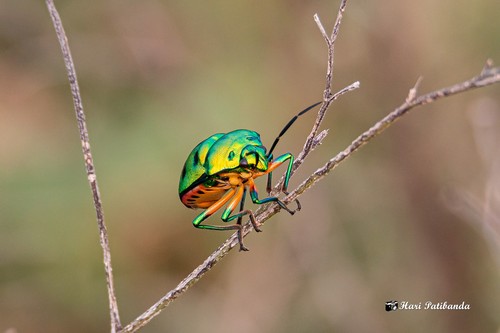
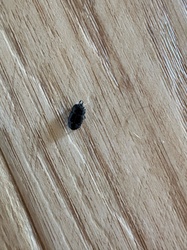
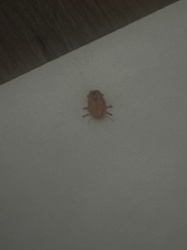
Jewel Bug identified by the community
Real finds identified with Bug Identifier.

Other bugs you may enjoy
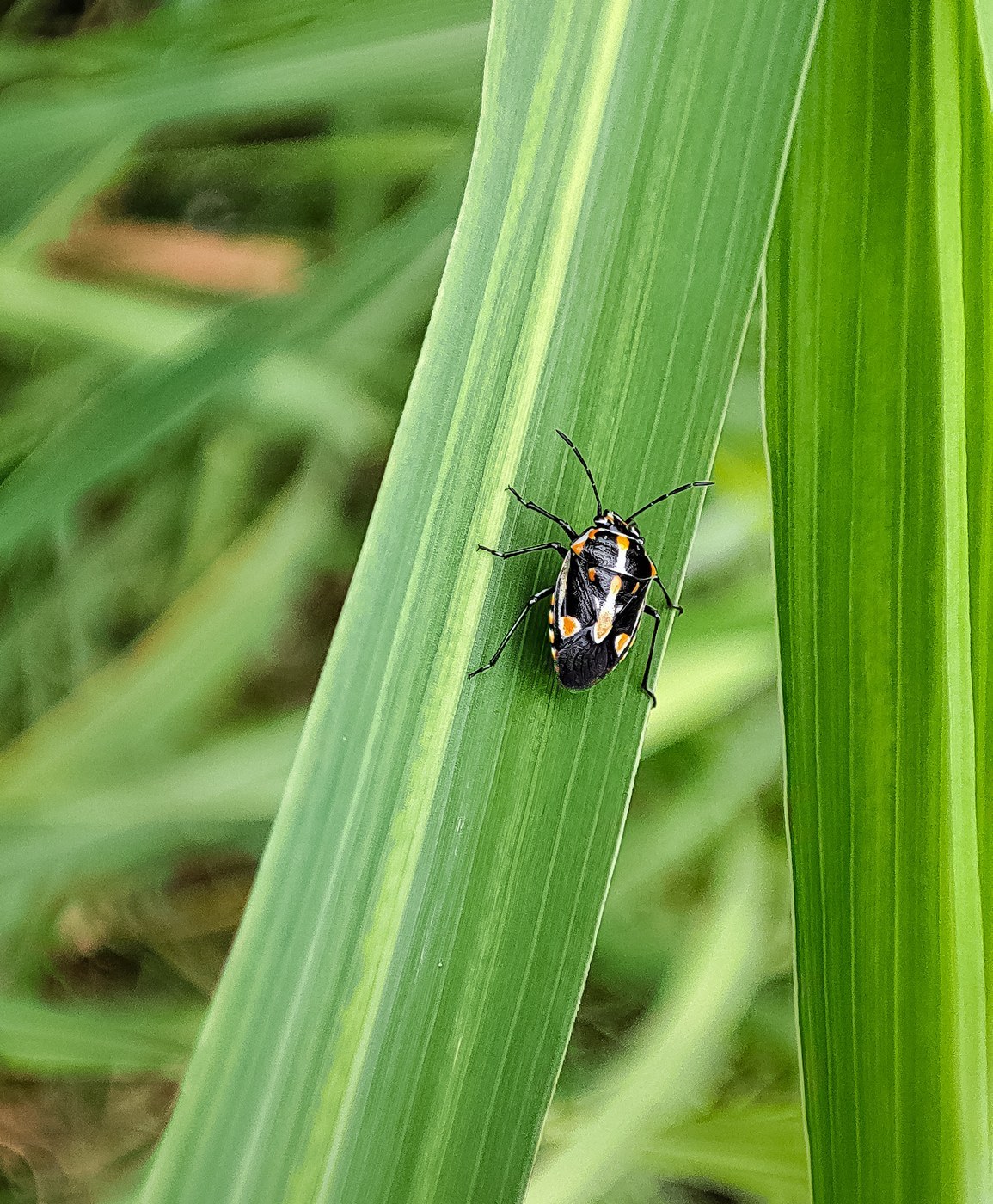
Bagrada Bug
Arid gardens, crucifer fields, desert-adjacent croplands
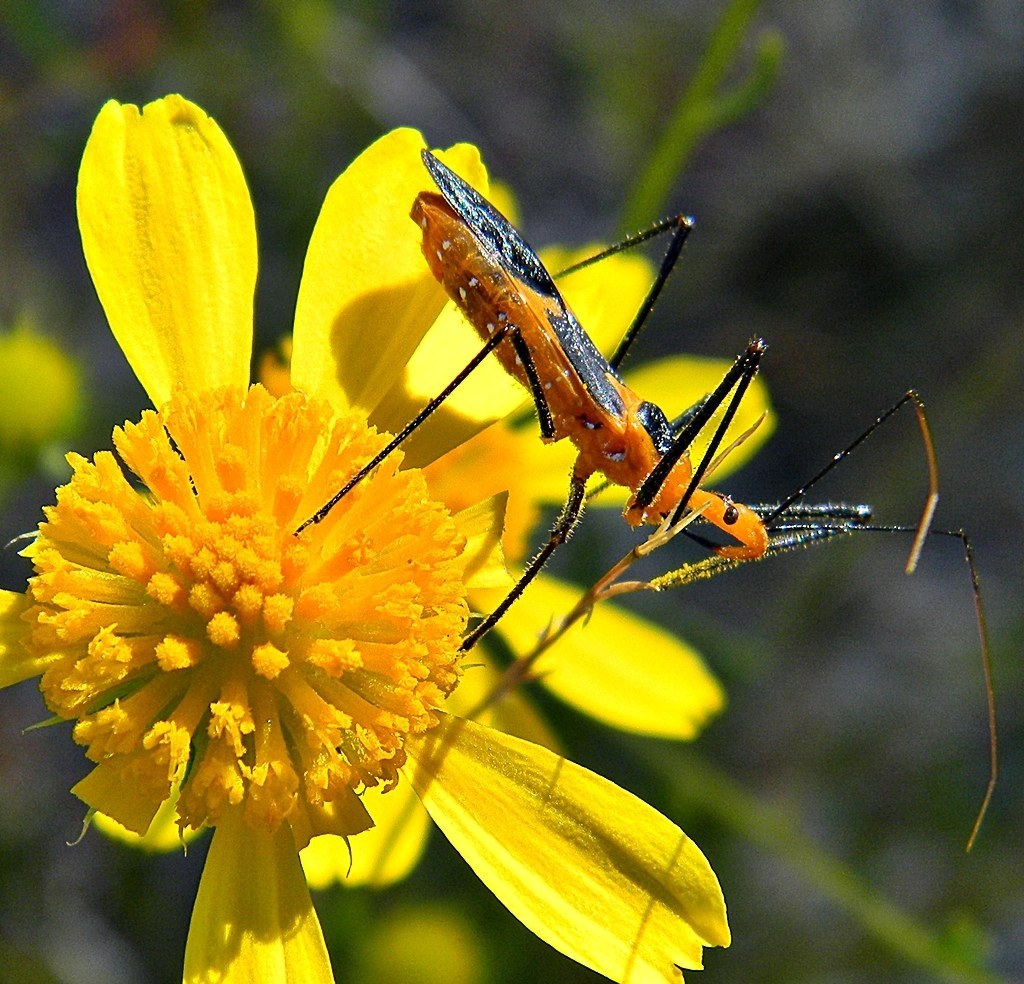
Assassin Bug
Gardens, meadows, and vegetation worldwide
Water Boatman Bug
Ponds, lakes, and slow-moving freshwater
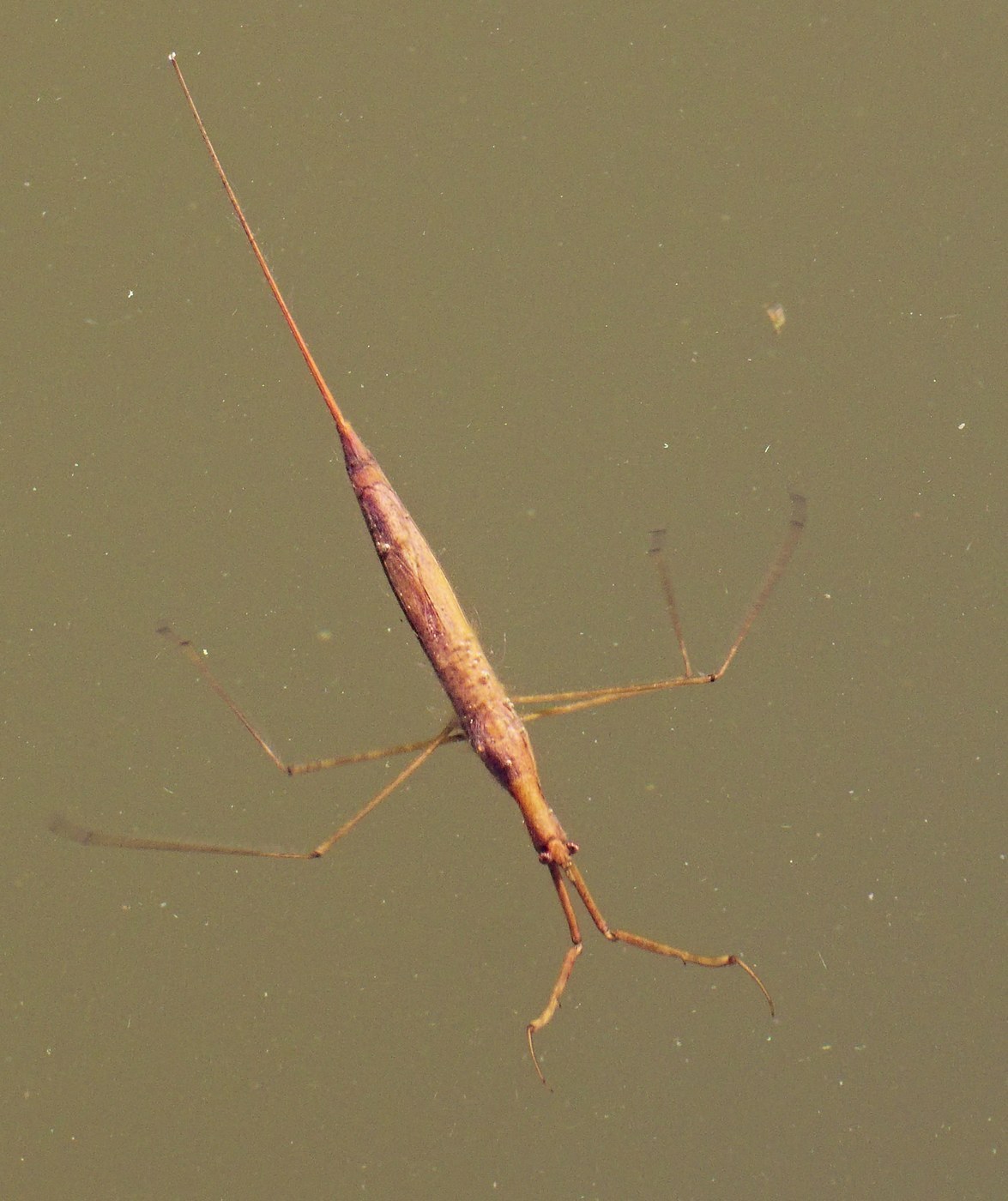
Water Stick Insect
Still and slow-moving water with dense submerged vegetation
Rough Stink Bug
Tree bark, woodlands, orchards, and shrubby vegetation
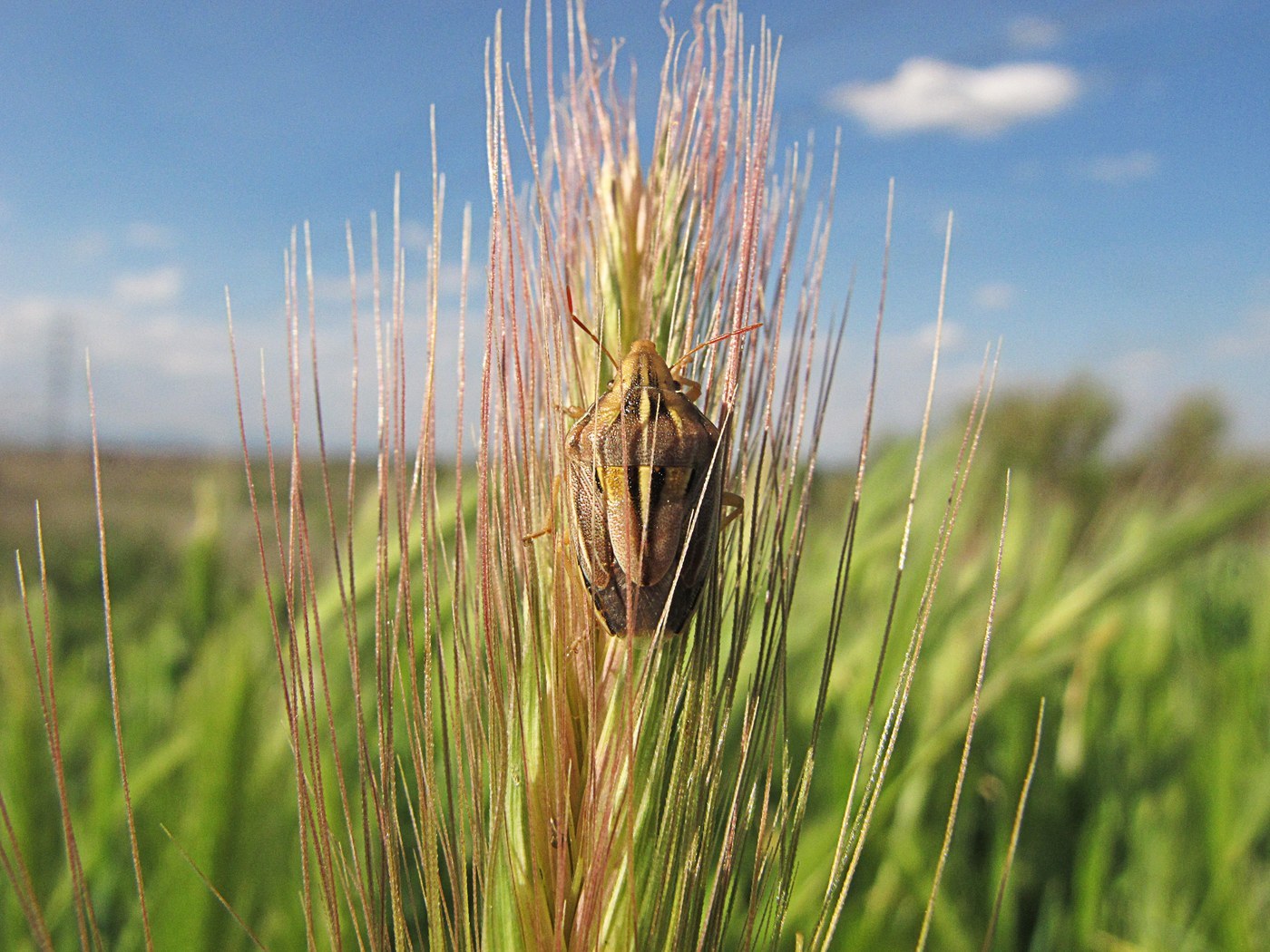
Stink Bug
Gardens, crop fields, and woodlands across temperate and subtropical regions
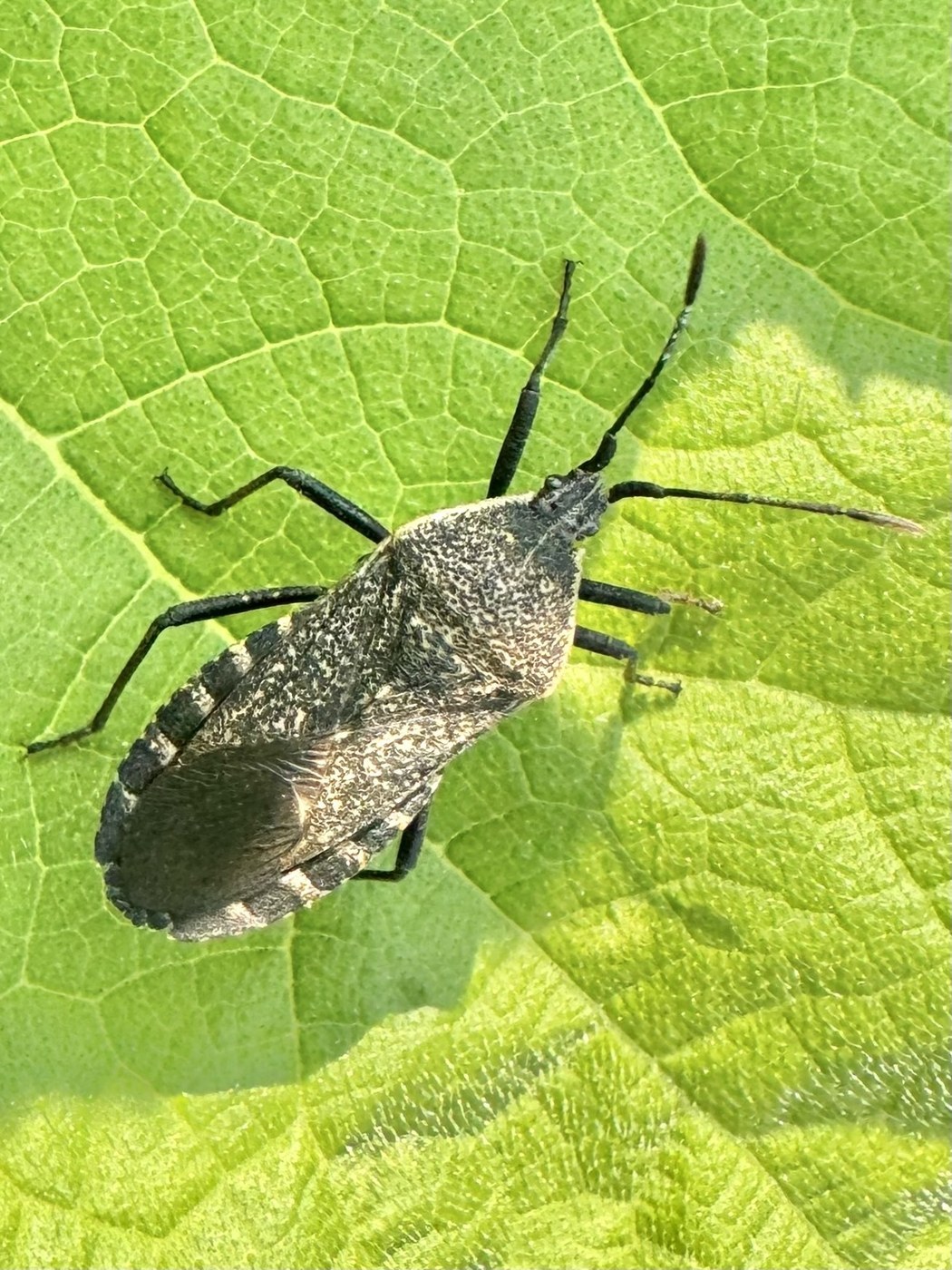
Squash Bug
Vegetable gardens and farm fields growing squash, pumpkin, and other cucurbits
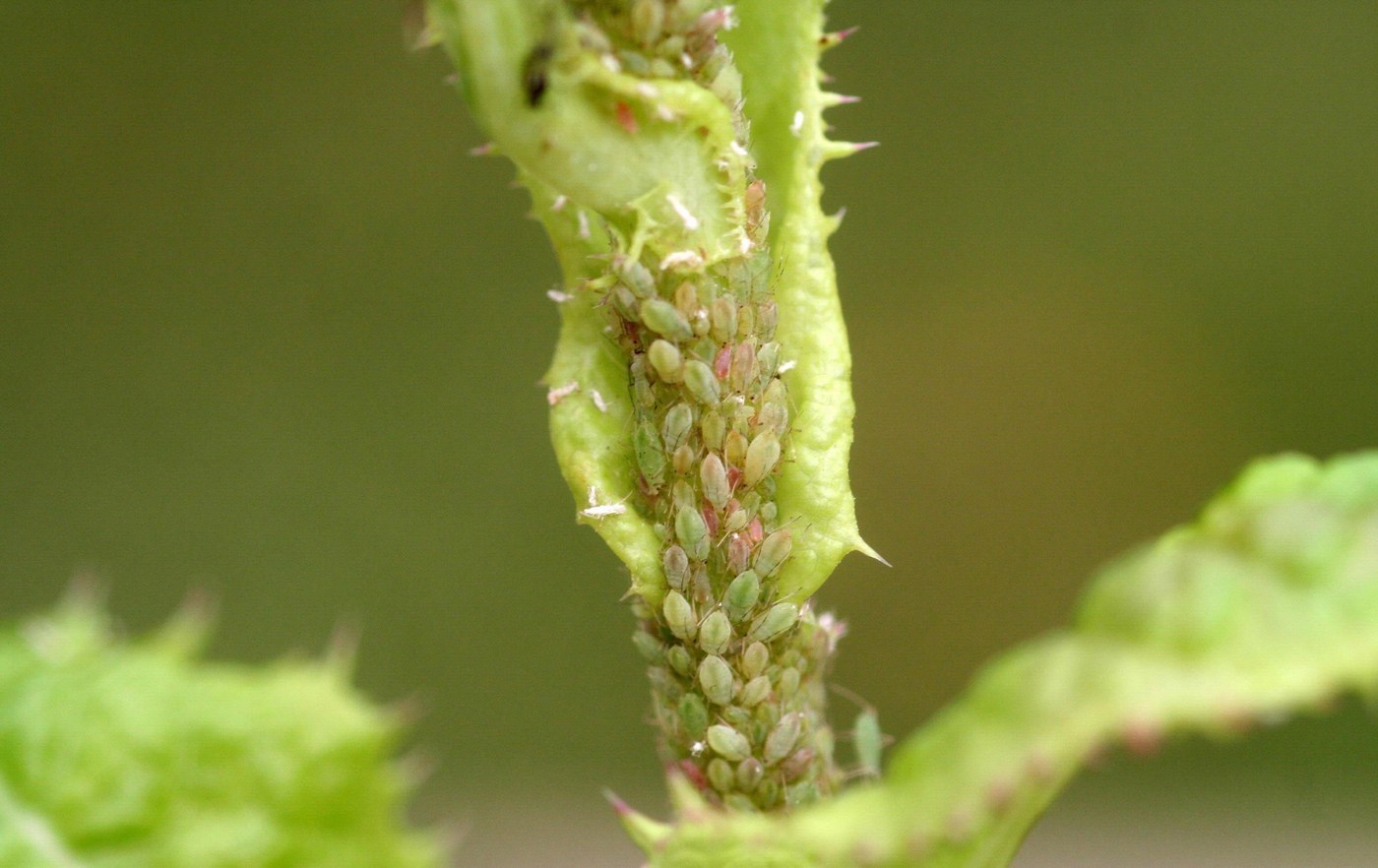
Aphid
On stems, leaves, and buds of a very wide range of host plants
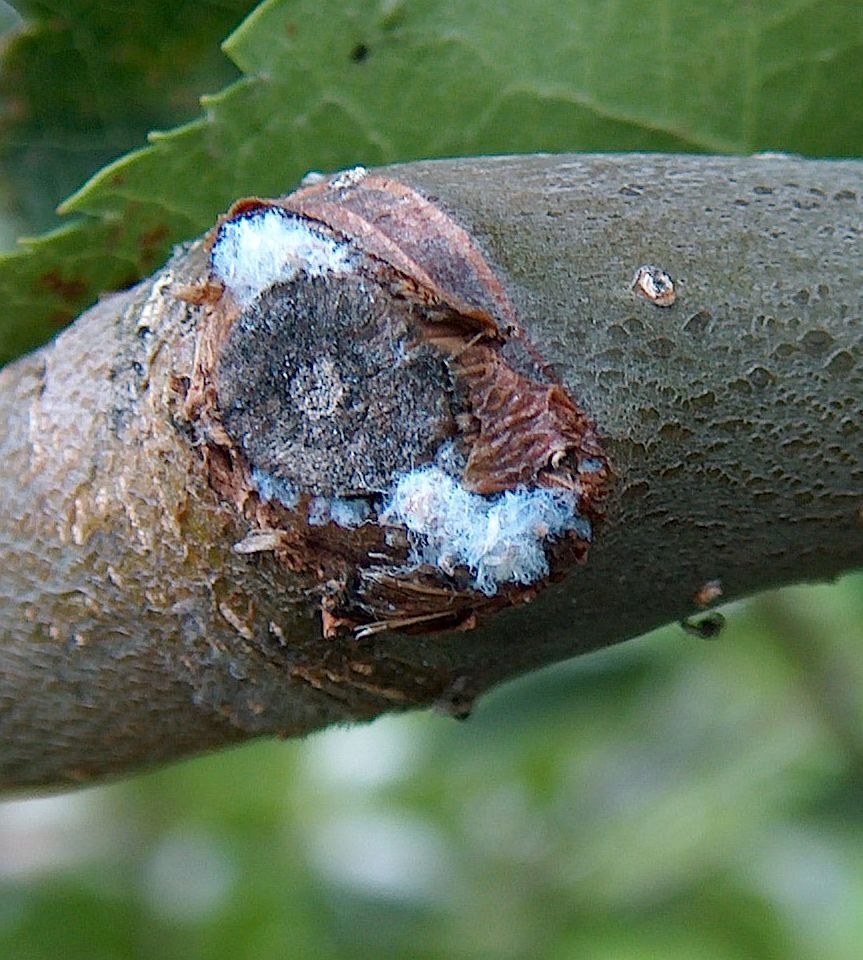
Woolly Aphid
Bark crevices, root collars, and twigs of apple, elm, and alder trees
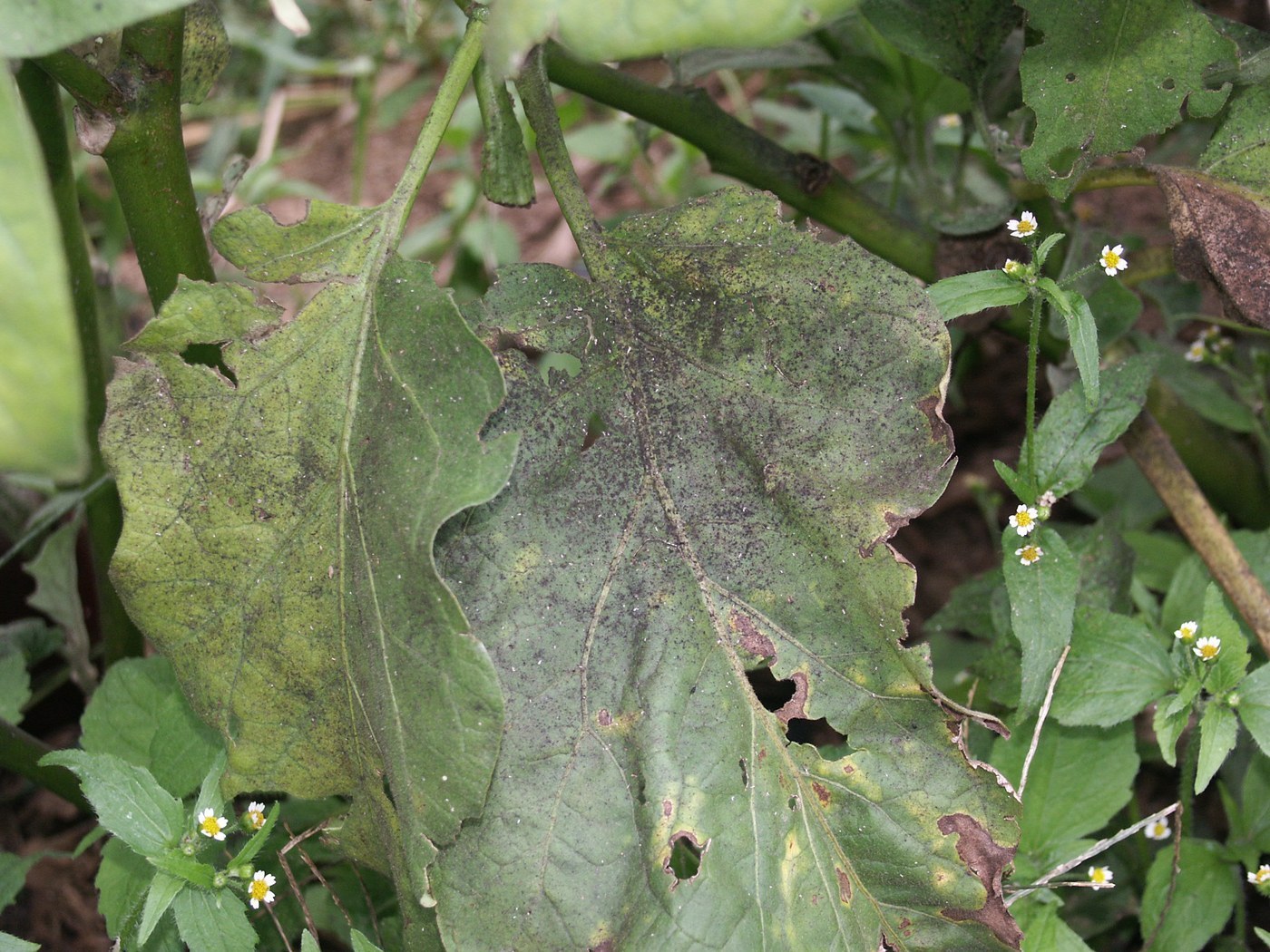
Whitefly
Greenhouses, gardens, and undersides of leaves on host plants
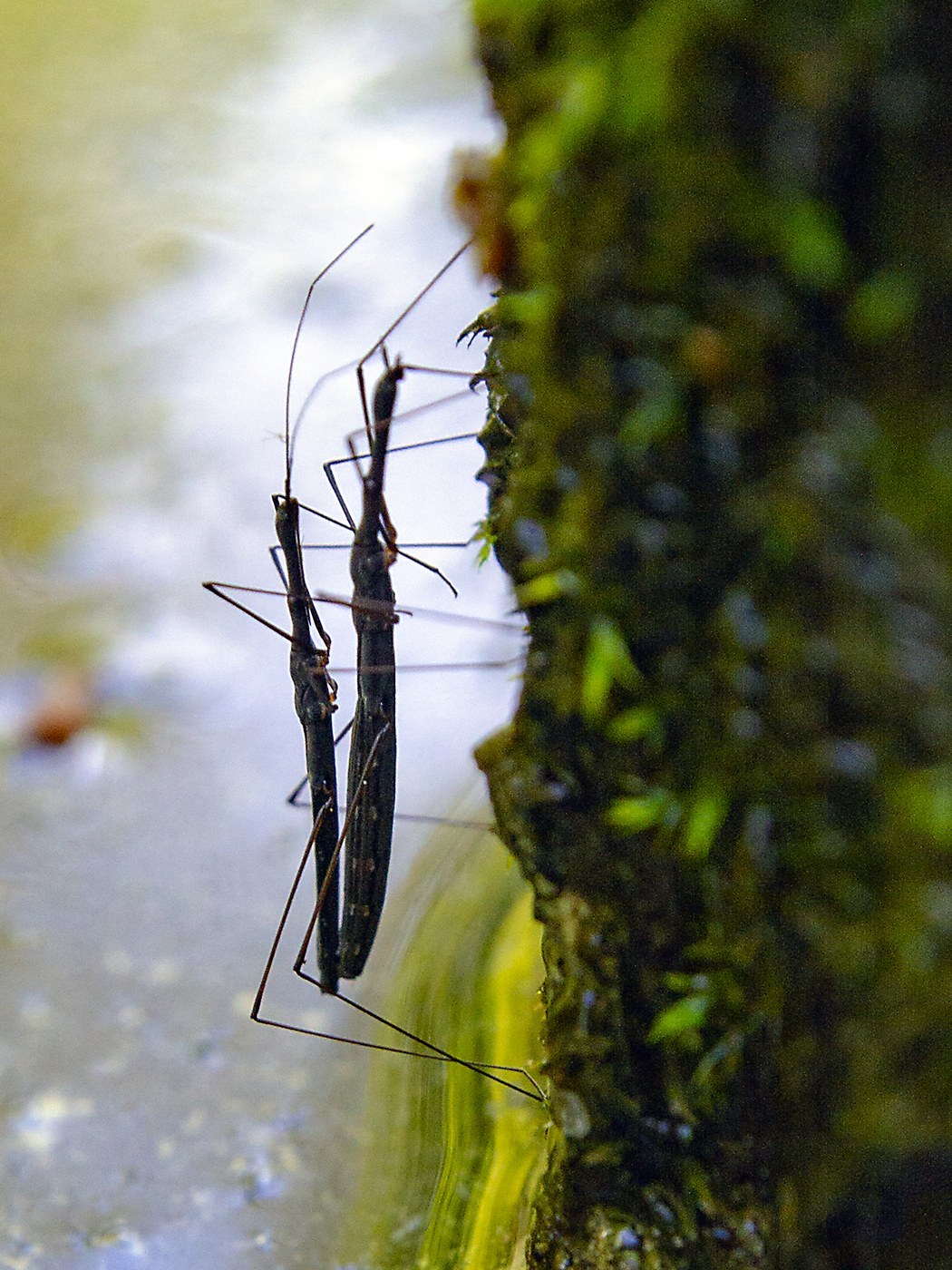
Water Measurer
Quiet edges of ponds, marshes, and slow streams
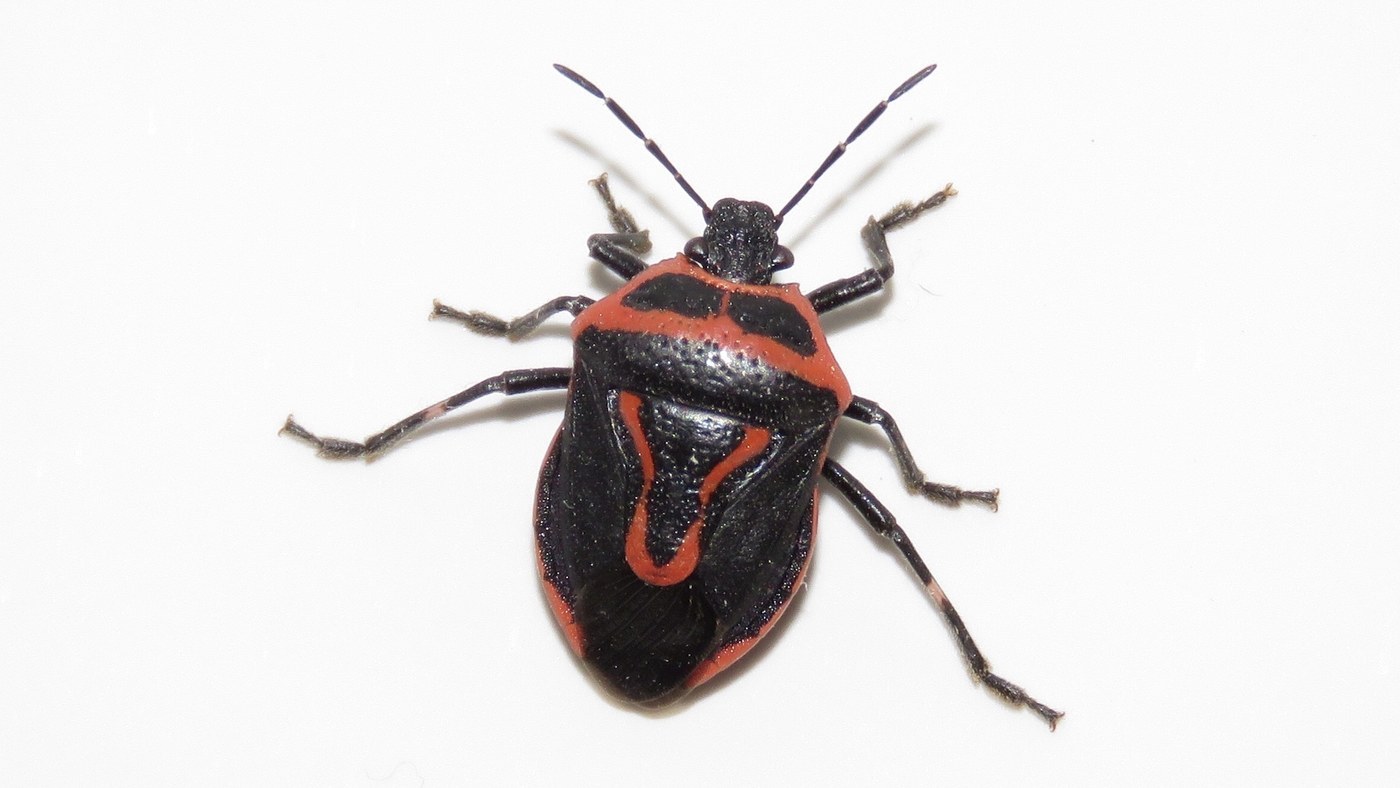
Two-Spotted Stink Bug
Gardens and fields with potato and nightshade-family plants