
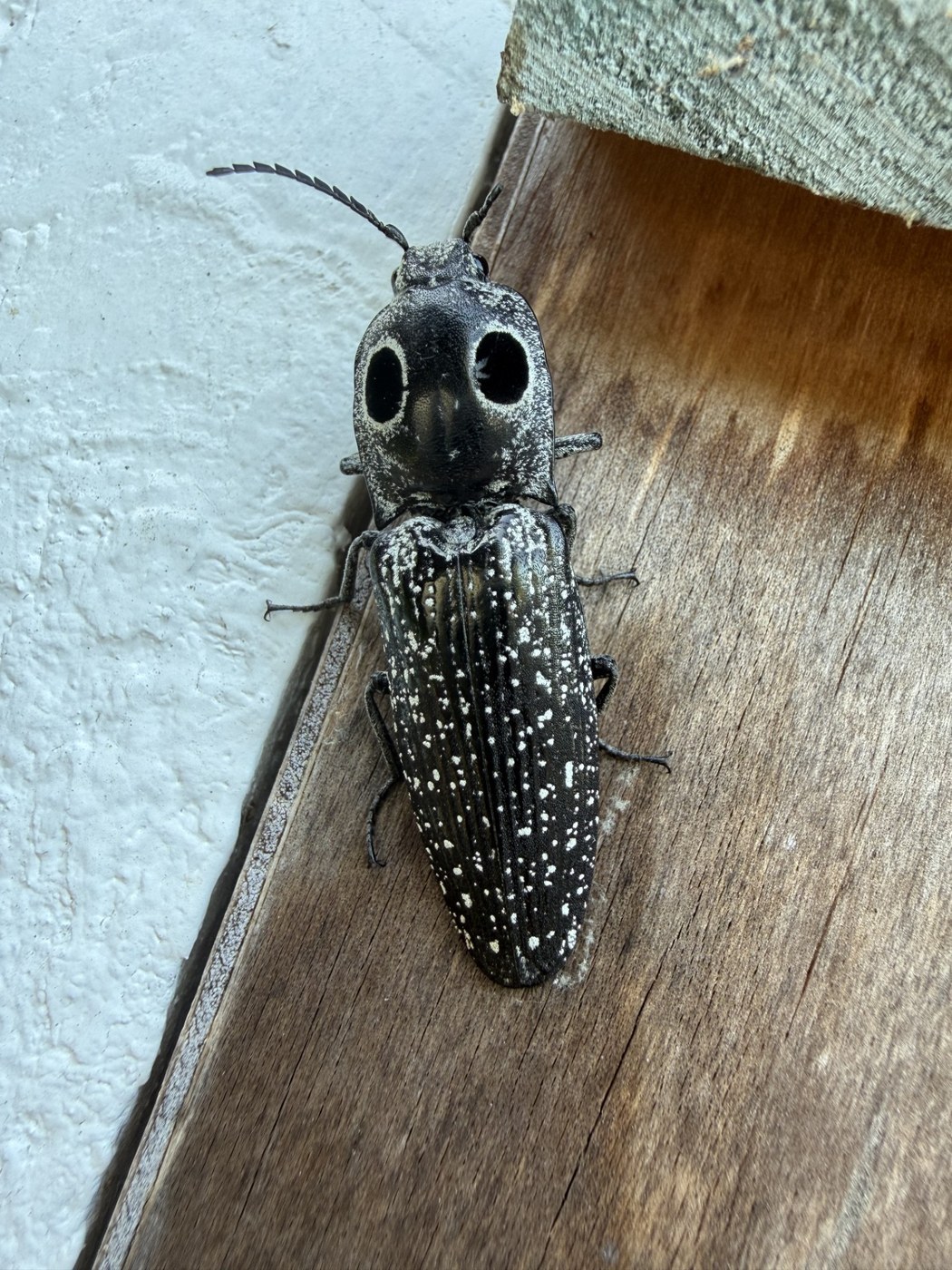
Eyed Click Beetle
Alaus oculatus
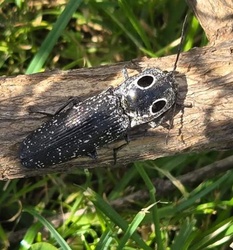
A large, mottled black-and-white beetle marked with two prominent false eyespots on its thorax, well known for its ability to snap its body into the air with an audible click when flipped onto its back.
- Size
- 30–45 mm
- Habitat
- Deciduous forests, decaying logs and stumps, wooded gardens
- Danger
- Harmless
Spotted a bug like this?
Identify any bug or insect from a photo, free.
Overview
The eyed click beetle is one of the largest and most recognizable members of the click beetle family, Elateridae, a group named for the distinctive clicking mechanism many species use to right themselves when overturned. Native to eastern North America, it is a frequently noted beetle among naturalists due to its impressive size and the two large, dark eyespots on its pronotum that give it its common name.
This species is ecologically significant as both predator and decomposer participant during its larval stage, which develops within decaying logs and stumps in deciduous forests. Its larvae, known as wireworms, are elongated, hard-bodied grubs that hunt other insect larvae within rotting wood.
The eyed click beetle's dramatic eyespot pattern is thought to serve as a defensive display, potentially startling or deterring predators by mimicking the appearance of a much larger animal's face.
How to Identify
- Large, elongated body 30–45 mm long, mottled black and white or gray, giving a somewhat speckled appearance.
- Two large, black, ringed false eyespots are prominently displayed on the pronotum (the segment behind the head), the beetle's most distinctive feature.
- Body is elongated with a tapered rear end typical of click beetles, and legs are relatively short.
- When placed on its back, the beetle can snap a spine-and-notch mechanism between its thorax segments, flipping itself into the air with an audible click.
- Lookalikes include other large click beetles, but the size and paired eyespots of Alaus oculatus make it fairly easy to distinguish.
Habitat & Range
Eyed click beetles are found throughout much of eastern North America, in deciduous and mixed forests where decaying logs and stumps are present. They are also occasionally seen in wooded parks, gardens, and near outdoor lighting at night.
Adults are most active from late spring through summer, often observed resting on tree trunks, fence posts, or decaying wood, while larvae remain hidden within rotting logs for extended developmental periods.
Behavior & Diet
Larvae are predatory, hunting other insect larvae, particularly wood-boring beetle grubs, within decaying logs and stumps, making them beneficial contributors to forest insect population balance. Adults feed little, if at all, and are more often observed resting or slowly walking on wood surfaces and tree bark.
The beetle's signature clicking behavior occurs when it is flipped onto its back: a specialized peg-and-groove mechanism between the thorax segments allows it to snap violently, flinging the beetle into the air and often righting it in the process, while also potentially startling predators. The prominent eyespots further contribute to its defensive strategy by creating the illusion of a larger, more formidable animal.
Life Cycle
Development follows complete metamorphosis: egg, larva, pupa, and adult. Eggs are laid in or near decaying wood, and the larvae, known as wireworms, hatch and bore into rotting logs and stumps to begin hunting other insect larvae.
The larval stage is lengthy, often lasting one to several years as the wireworm grows and develops within the decaying wood. After pupating within a chamber inside the wood, adults emerge in late spring or summer, living for a period of weeks to mate and disperse before the cycle continues.
Frequently asked questions
Why does the eyed click beetle have 'eyes' on its back?
The two prominent dark markings on its pronotum are false eyespots, a defensive pattern rather than actual eyes, likely used to startle predators.
What does the clicking sound come from?
A specialized hinge mechanism between the thorax segments allows the beetle to snap its body, producing an audible click and flipping it into the air, particularly useful for righting itself when overturned.
What do the larvae eat?
The larvae, called wireworms, are predatory and hunt other insect larvae within decaying logs and stumps.
How big can an eyed click beetle get?
Adults typically range from about 30 to 45 mm, making it one of the largest click beetles in its range.
Eyed Click Beetle guides
In-depth guides for identifying, understanding, and living alongside Eyed Click Beetle.
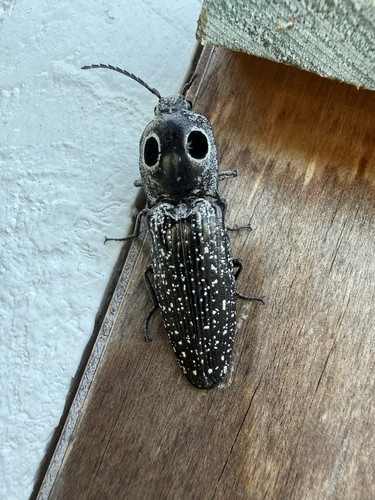
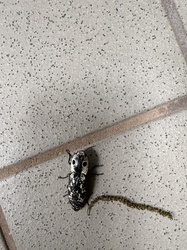
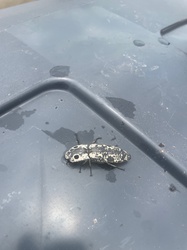
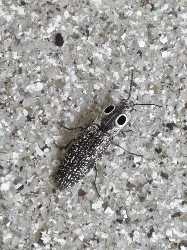
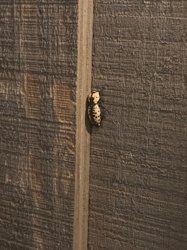
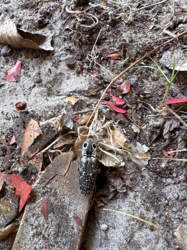
Eyed Click Beetle identified by the community
Real finds identified with Bug Identifier.
Other bugs you may enjoy
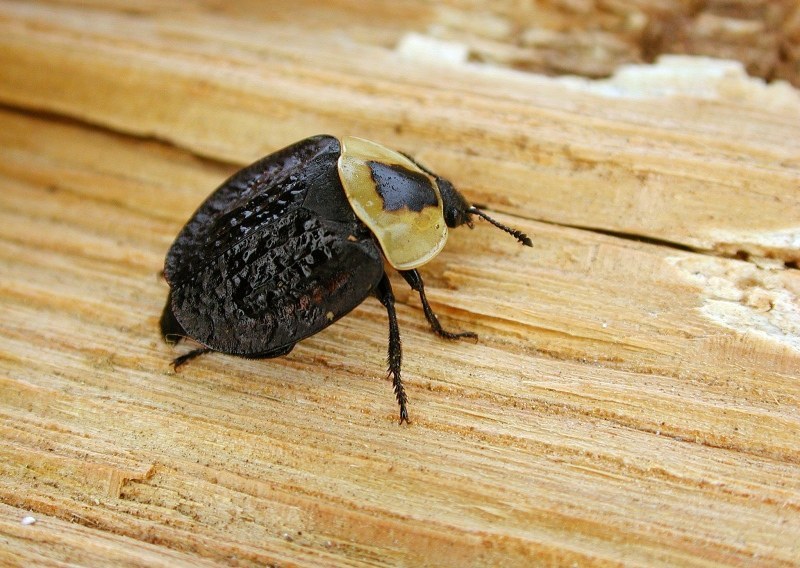
American Carrion Beetle
Forests, fields, and roadsides across North America, near decaying animal carcasses
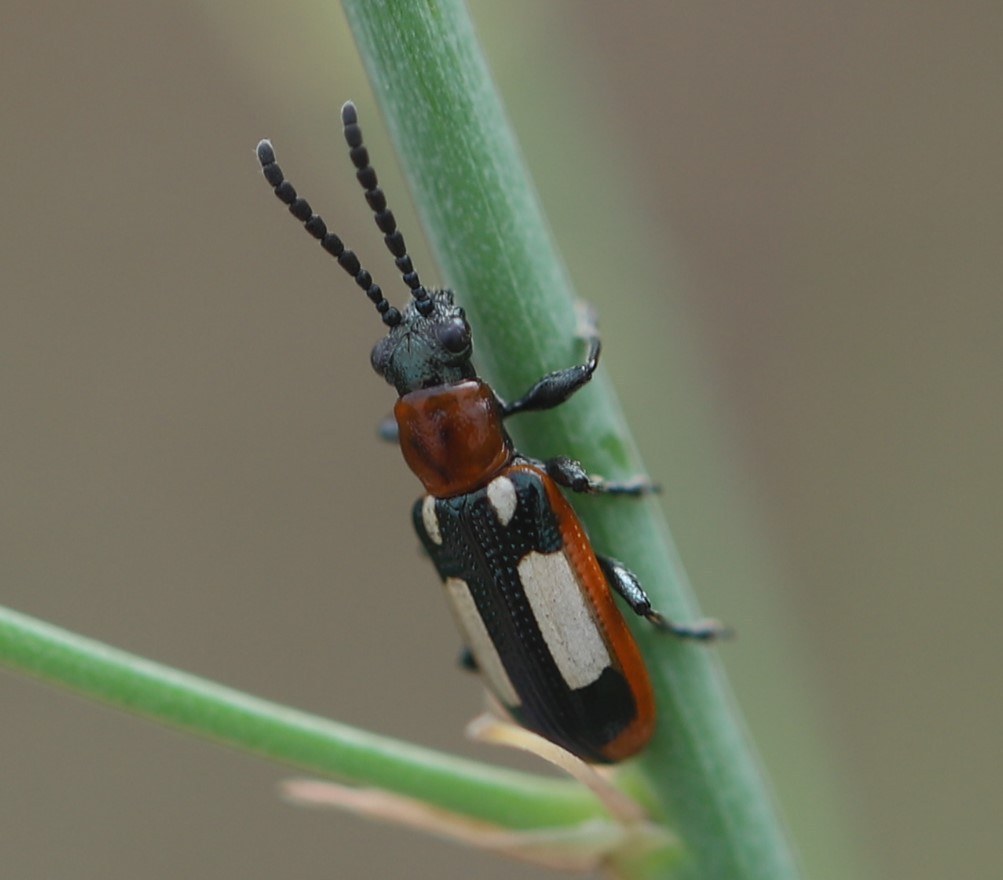
Asparagus Beetle
Asparagus patches, gardens, and farm fields

Asian Lady Beetle
Gardens, crop fields, woodlands, buildings
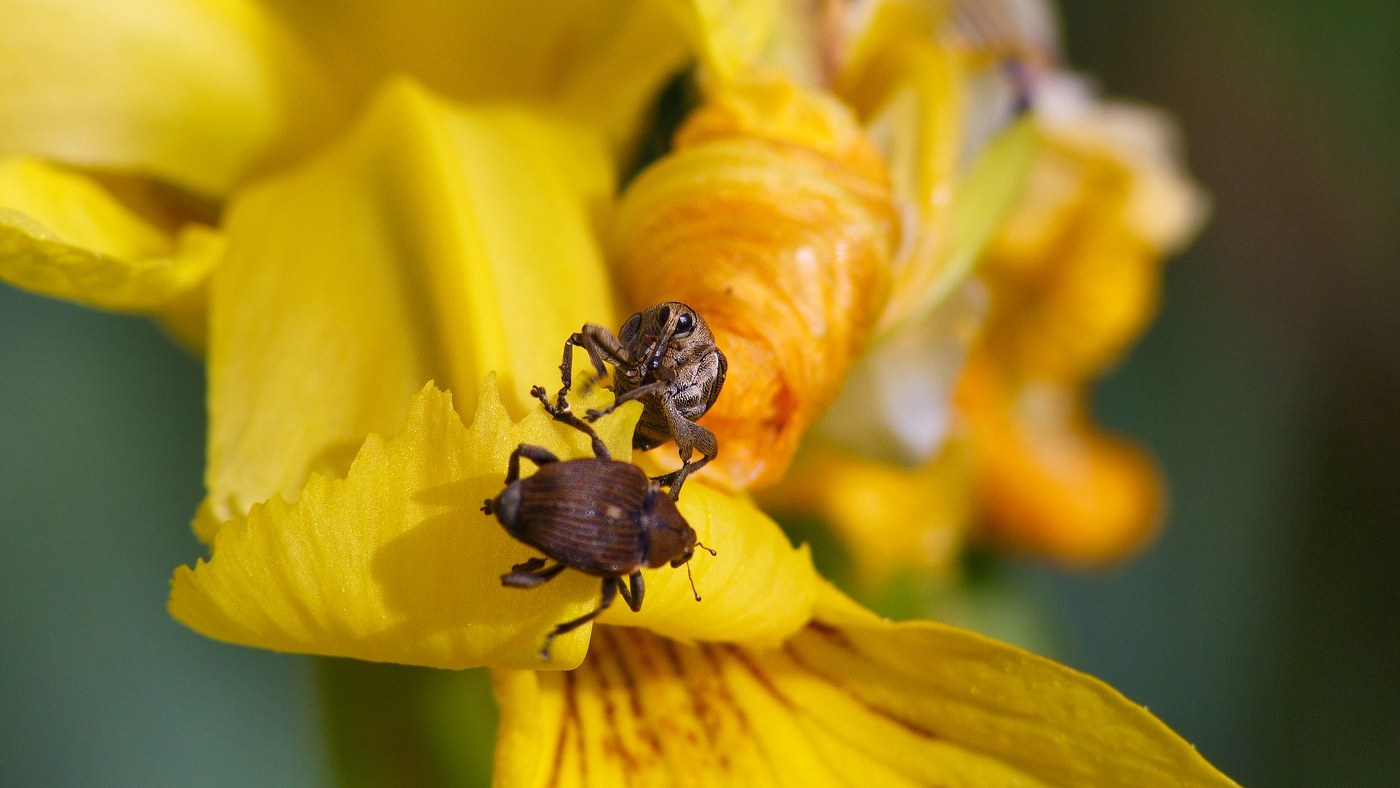
Acorn Weevil
Oak woodlands and forests, on and beneath oak trees
Wireworm
Soil of grasslands, gardens, and cultivated fields worldwide
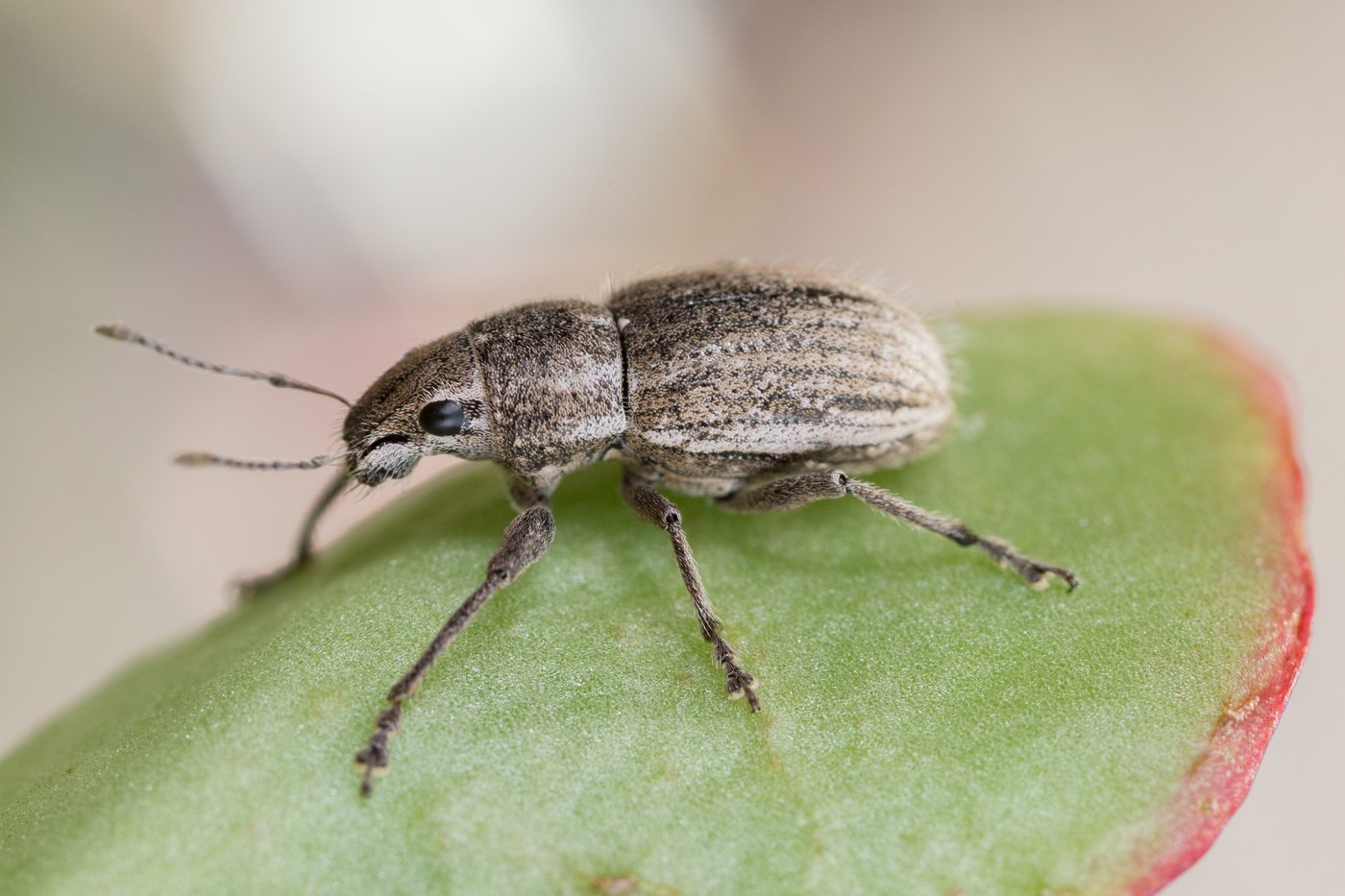
Whitefringed Beetle
Pastures, row crops, lawns, disturbed soils
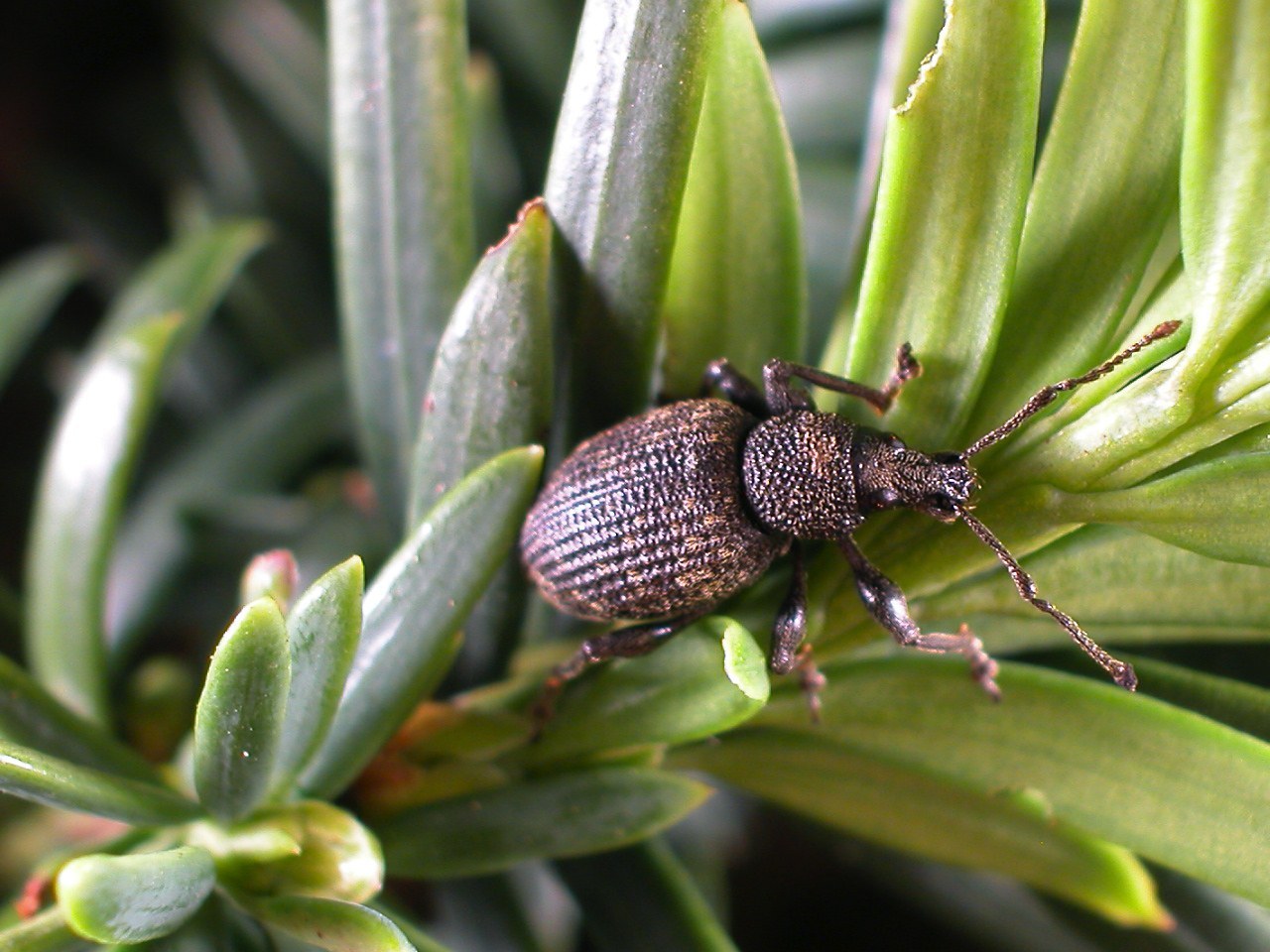
Vine Weevil
Gardens, nurseries, greenhouses, and container plantings
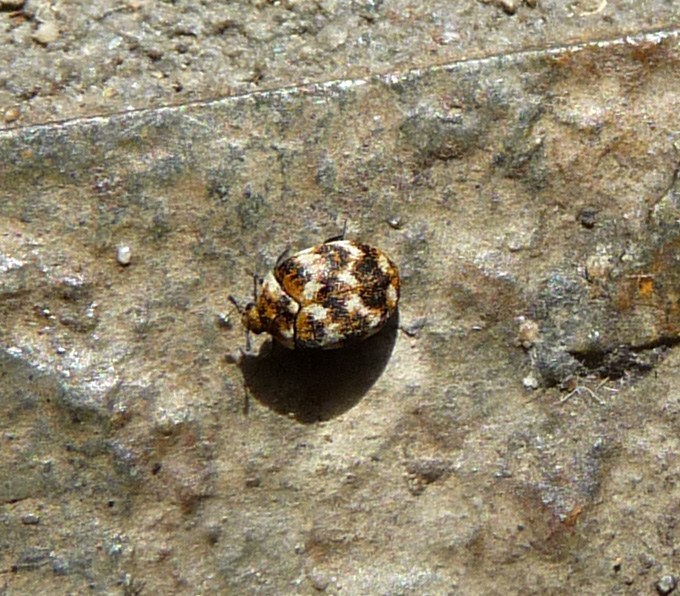
Varied Carpet Beetle
Homes, nests of birds and mammals, and flowers outdoors
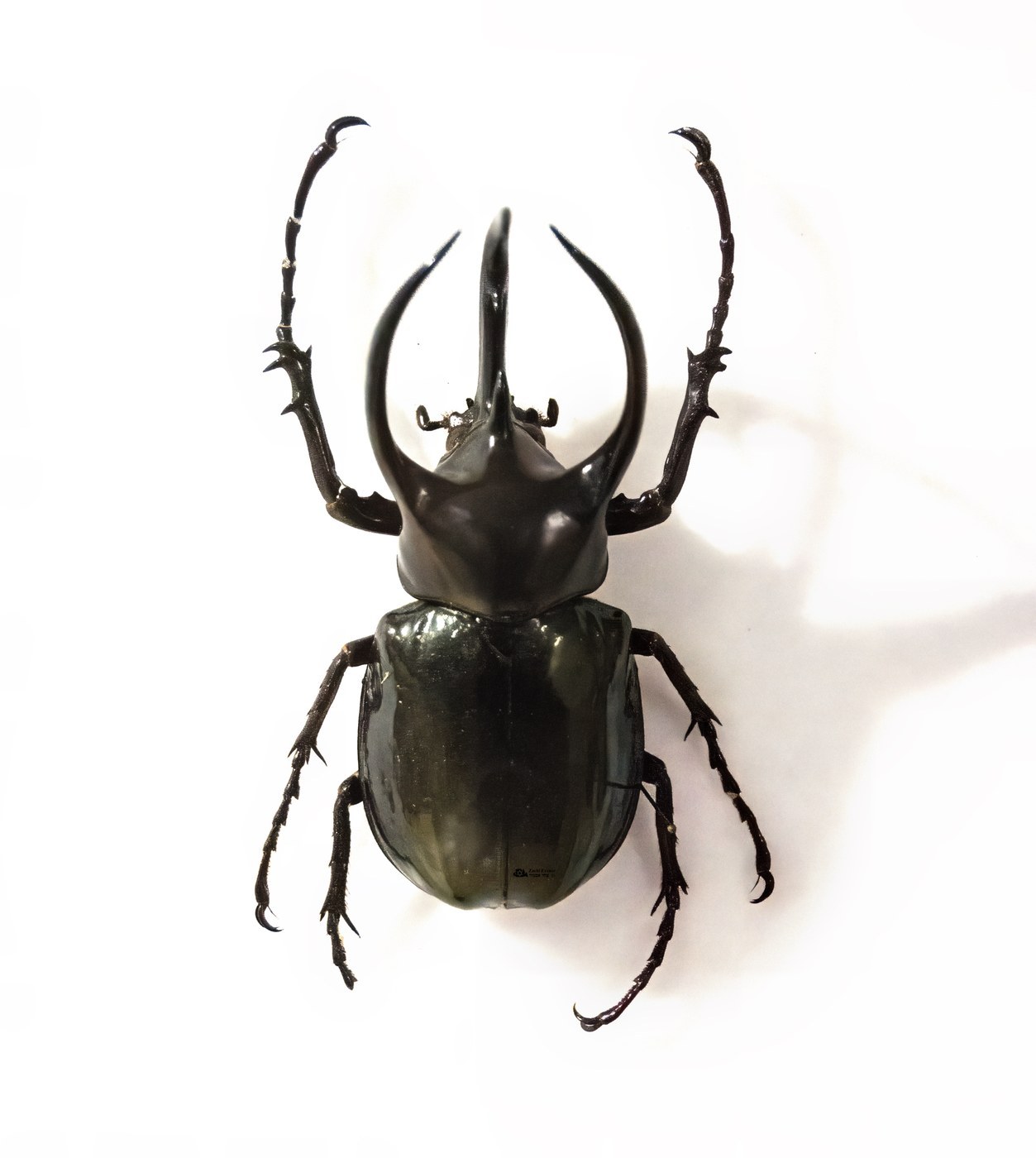
Atlas Beetle
Tropical forests of Southeast Asia
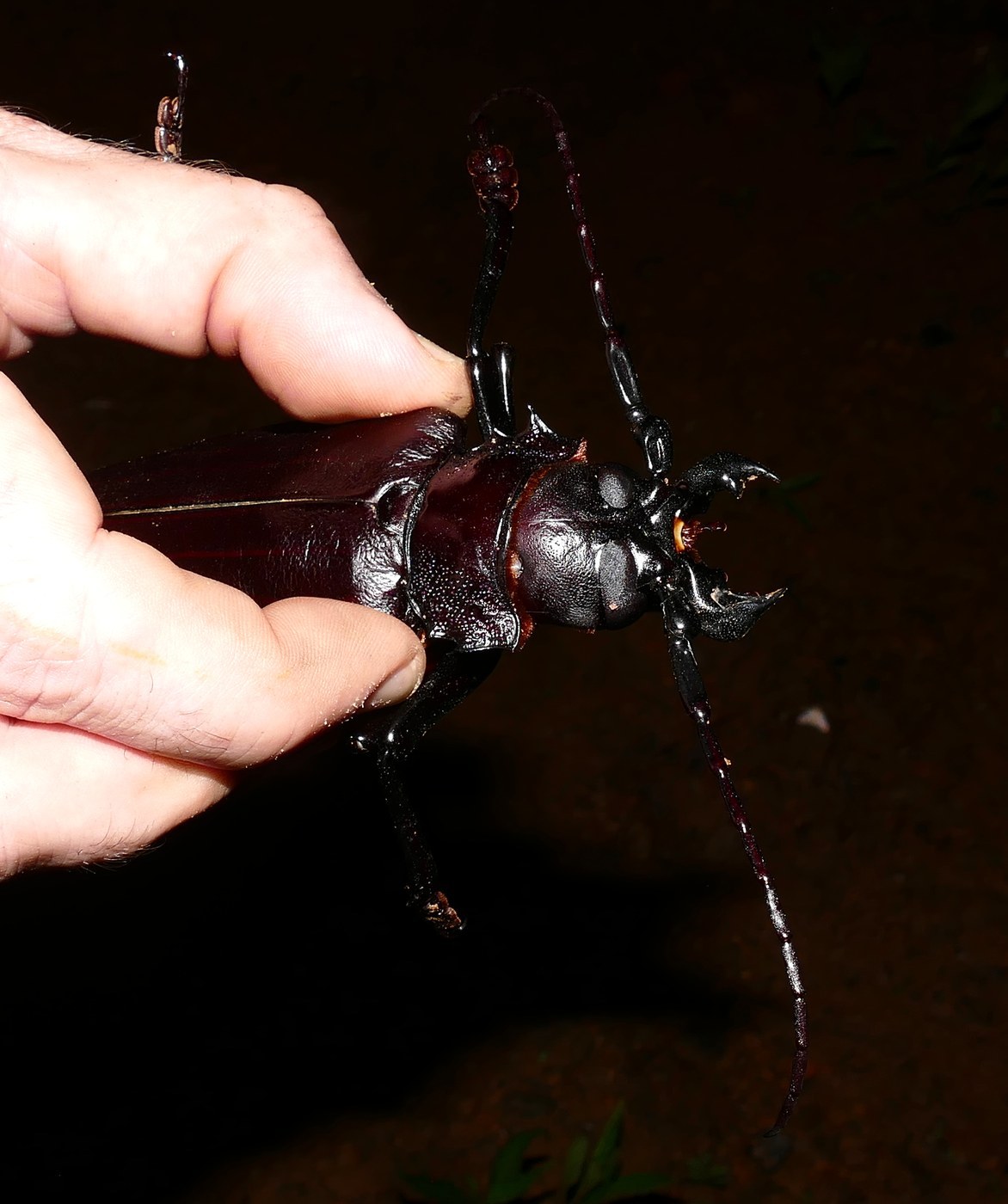
Titan Beetle
Amazon rainforest of South America
Ten-lined June Beetle
Sandy soils, pine forests, and orchards of western North America
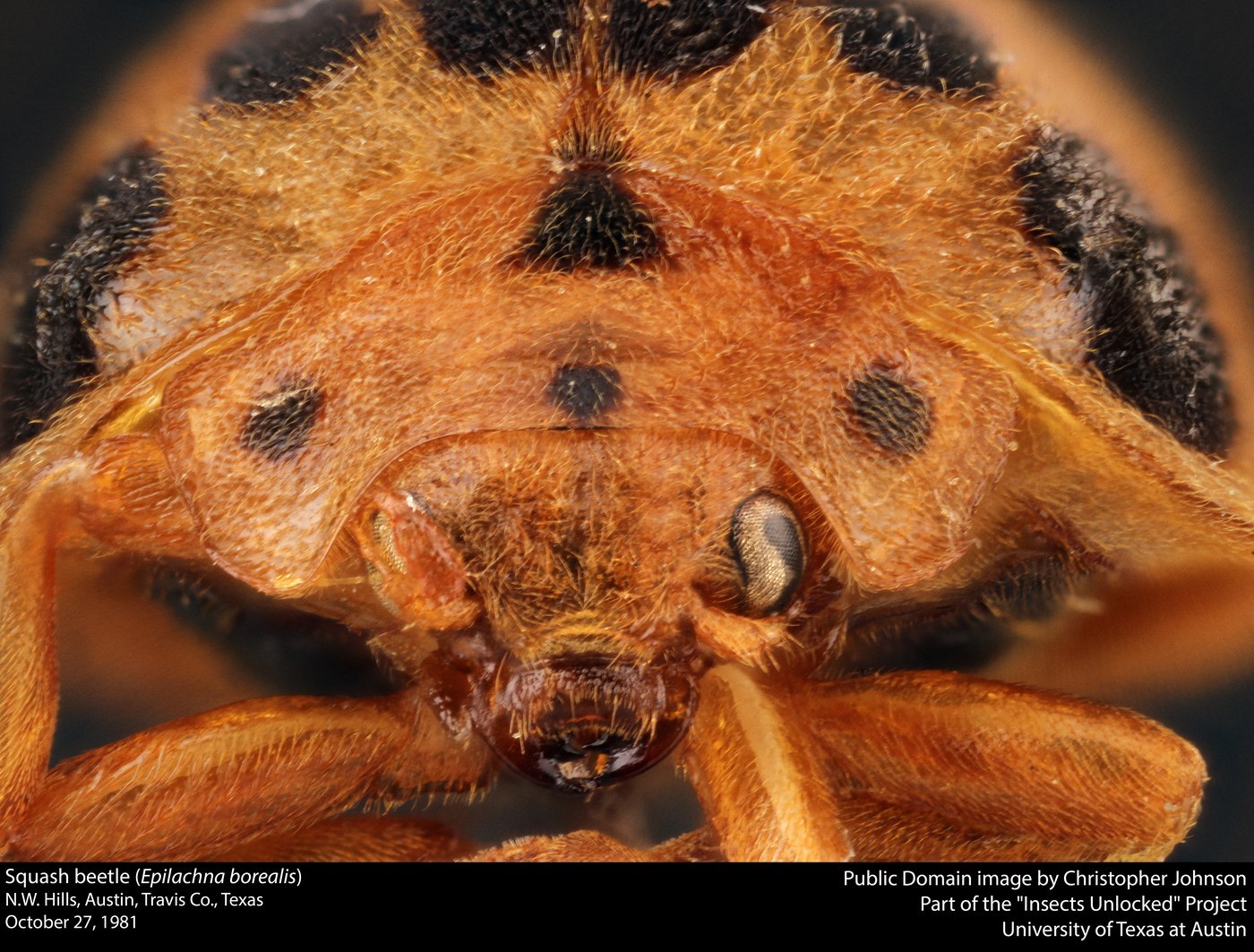
Squash Beetle
Vegetable gardens and fields growing squash, pumpkin, and other cucurbits