
Puss Moth
Cerura vinula
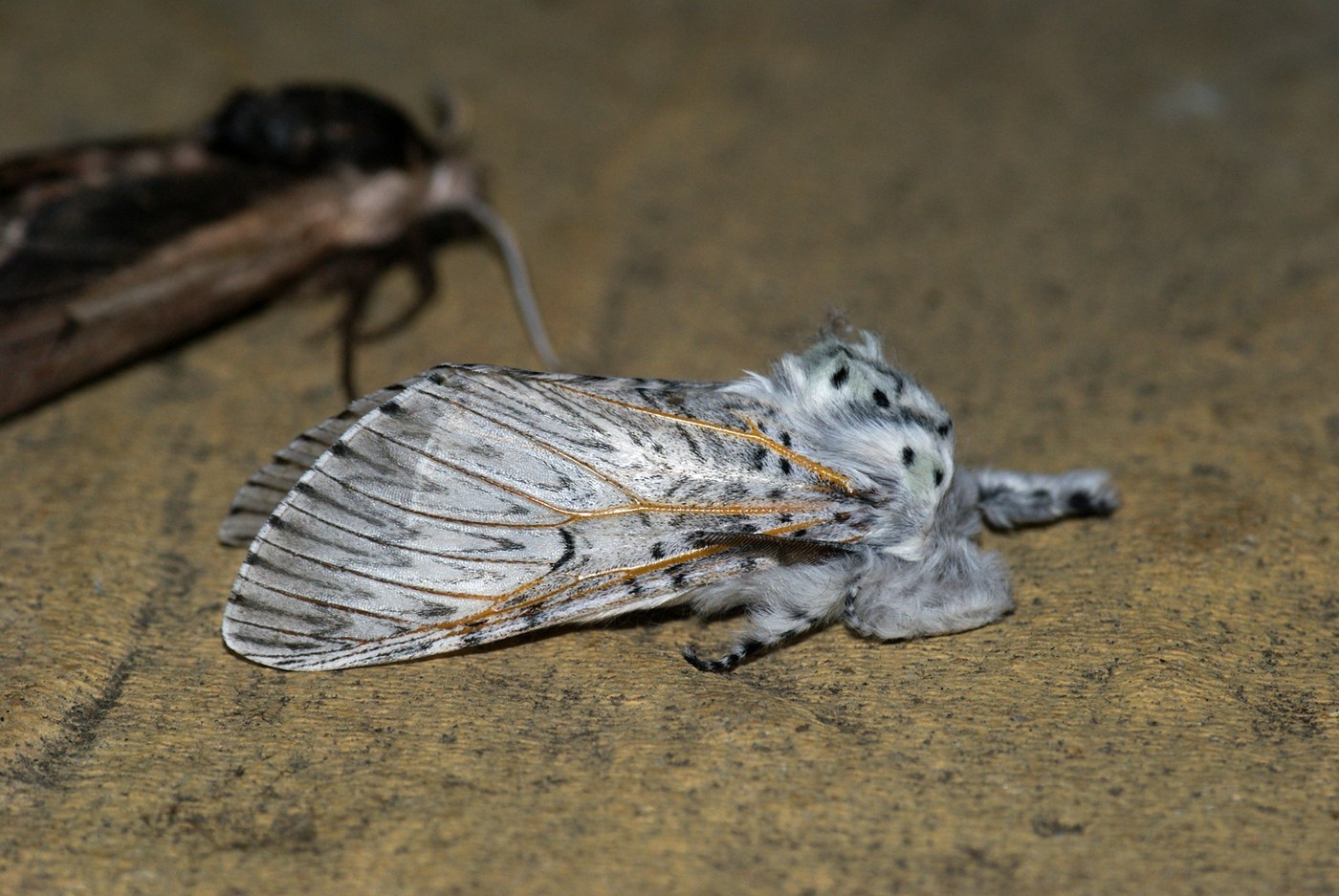
A stout, furry gray-and-white moth named for its dense, cat-like coat of hair, best known for its bizarre green caterpillar with a hump-backed, face-like front end and forked tail filaments used in defensive displays.
- Size
- 2–2.75 in wingspan
- Habitat
- Woodland, riverbanks, parks, gardens with willow or poplar
- Danger
- Harmless
Spotted a bug like this?
Identify any bug or insect from a photo, free.
Overview
The puss moth is a member of the prominent moth family (Notodontidae), a group whose caterpillars are often noted for unusual body shapes and elaborate defensive behaviors. It is native to Europe and temperate Asia, where it is one of the more instantly recognizable moths due to its thick, soft, fur-like body covering, which gives rise to the common name.
While the adult is a fairly plain gray-and-white moth, its caterpillar is one of the most unusual-looking larvae in the region: a plump green caterpillar with a raised, humped thorax, a pattern resembling a face with dark 'eye' markings, and a pair of long, whip-like tail filaments that it can extend and wave when disturbed.
The species is ecologically notable chiefly for this striking larval defense strategy, which combines a startling posture with the filament display to deter predators, making it a frequently photographed and discussed caterpillar among naturalists despite the adult moth's comparatively unremarkable appearance.
How to Identify
- Adult: stout, densely furry body in pale gray and white with fine black speckling and wavy dark lines across the wings, giving an overall soft, plush appearance.
- Wingspan of roughly 2 to 2.75 inches, with a heavy-bodied, rounded silhouette at rest.
- Caterpillar: bright green with a purple-brown saddle-shaped marking across the back, a raised hump behind the head bearing dark eye-like spots, and a forked tail bearing two long red-tipped filaments that can be everted and waved when the caterpillar is disturbed.
- The larva is unmistakable among European caterpillars due to its face-like humped front end and forked tail filaments; the adult is best identified by its thick furry gray coat and heavy build compared to other similarly patterned moths.
Habitat & Range
Found across Europe and temperate Asia, in woodland, riverbanks, parks, and gardens wherever willow and poplar trees, its primary host plants, are present. Adults fly at night during a single flight period in late spring to early summer and are occasionally attracted to lights.
Behavior & Diet
Adults are nocturnal and, like many moths, do relatively little beyond finding mates during their short flight period. The caterpillar, feeding on willow and poplar leaves, shows one of the more elaborate defensive displays among European larvae: when disturbed, it raises and arches its humped thorax, exposing dark eyespot-like markings, while extending its forked tail filaments and waving them in a whip-like motion, a combined visual and mechanical bluff intended to startle or deter predators. It may also rear its front end in a sphinx-like threat posture during this display.
Life Cycle
Eggs are laid singly or in small groups on willow or poplar leaves and hatch into small caterpillars that grow through several instars, developing the full humped, eyespot-marked appearance and forked tail as they mature. Mature larvae spin a remarkably tough cocoon incorporating chewed bark and wood fragments, often fixed to the trunk of the host tree, from which the moth must break free using specialized fluid to soften the casing. The species overwinters as a pupa in this hardened cocoon, with adults emerging the following late spring; there is typically one generation per year in cooler climates.
Frequently asked questions
Why is it called the puss moth?
The name refers to the adult's thick, soft, cat-like fur covering its body, not to any resemblance to a cat in shape.
What are the tail filaments on the caterpillar for?
They are extendable, whip-like defensive structures that the caterpillar waves when disturbed, part of a combined visual and physical display meant to startle potential predators.
Is this the same as the puss caterpillar found in North America?
No, the North American 'puss caterpillar' refers to the larva of the southern flannel moth, a different and unrelated species; the true puss moth described here is a European notodontid.
How tough is its cocoon?
It is unusually hard, reinforced with chewed wood and bark fragments and fixed to the host tree trunk, requiring the emerging adult to soften it with a special fluid in order to break free.
Puss Moth guides
In-depth guides for identifying, understanding, and living alongside Puss Moth.
Other bugs you may enjoy
Bagworm Moth
Coniferous and deciduous trees, shrubs, hedges
Antheraea Silkmoth
Deciduous forests, woodland edges, orchards
Ailanthus Silkmoth (Cynthia Moth)
Urban parks, wastelands, and woodland edges with tree-of-heaven; native to Asia, introduced in North America and Europe
Winter Moth
Deciduous woodland, orchards, gardens, hedgerows
Webbing Clothes Moth
Dark closets, storage areas, and animal nests worldwide
Tussock Moth
Deciduous forests, parks, gardens
Wax Moth
Beehives, apiaries, stored beeswax and comb
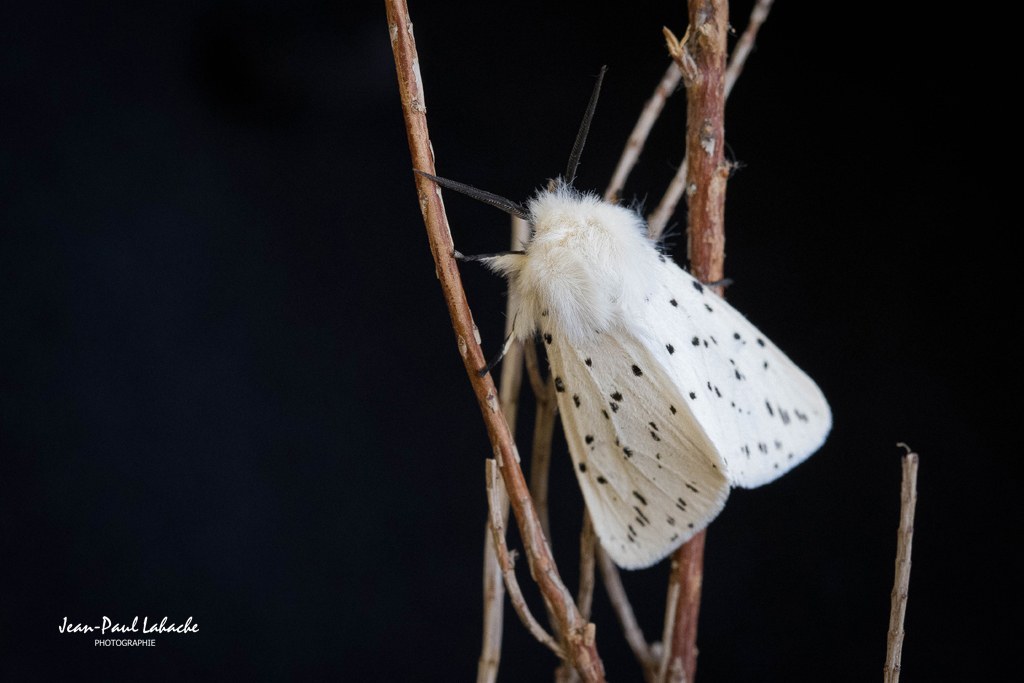
White Ermine Moth
Gardens, meadows, hedgerows
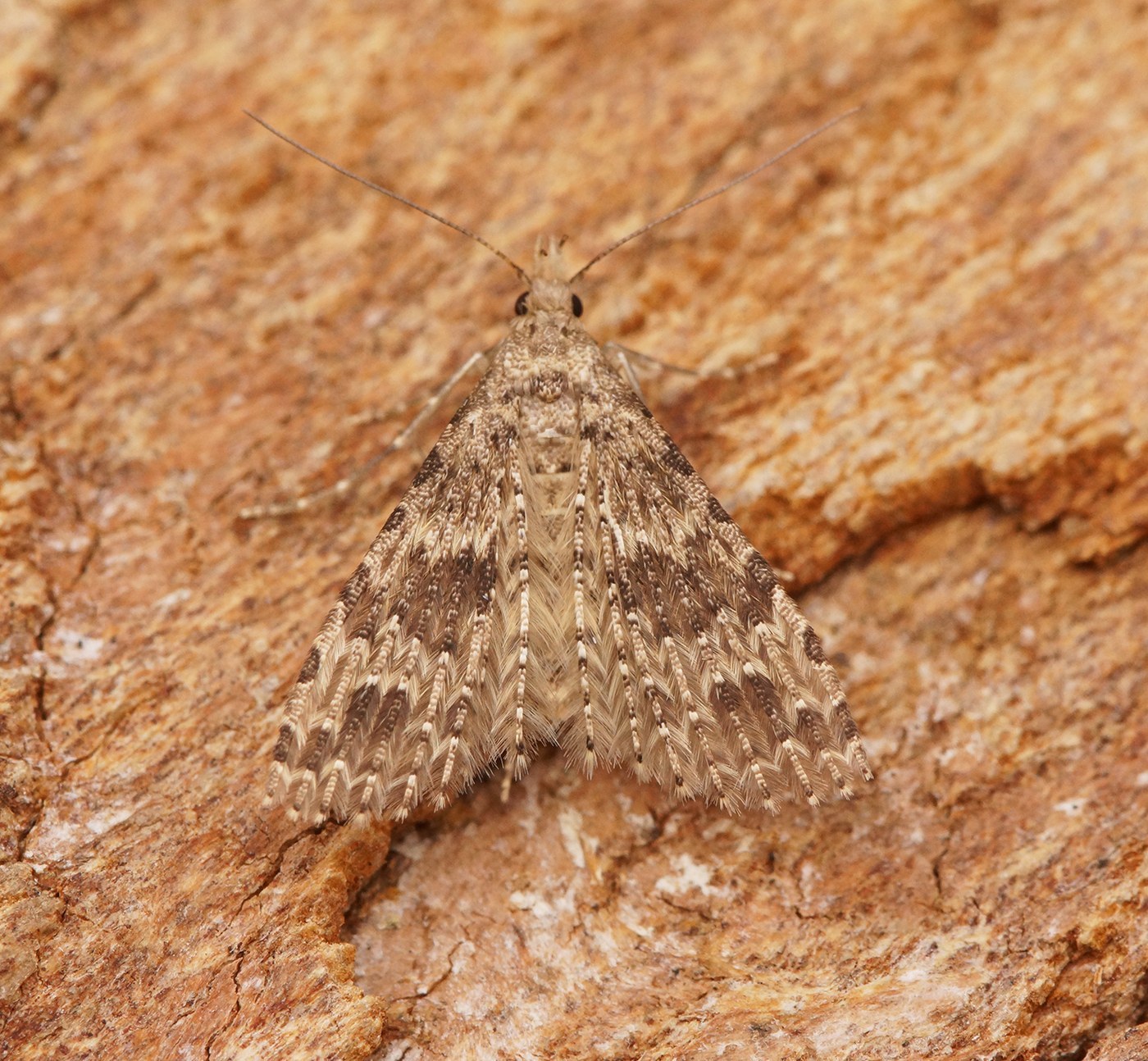
Twenty-plume Moth
Gardens, hedgerows, near honeysuckle
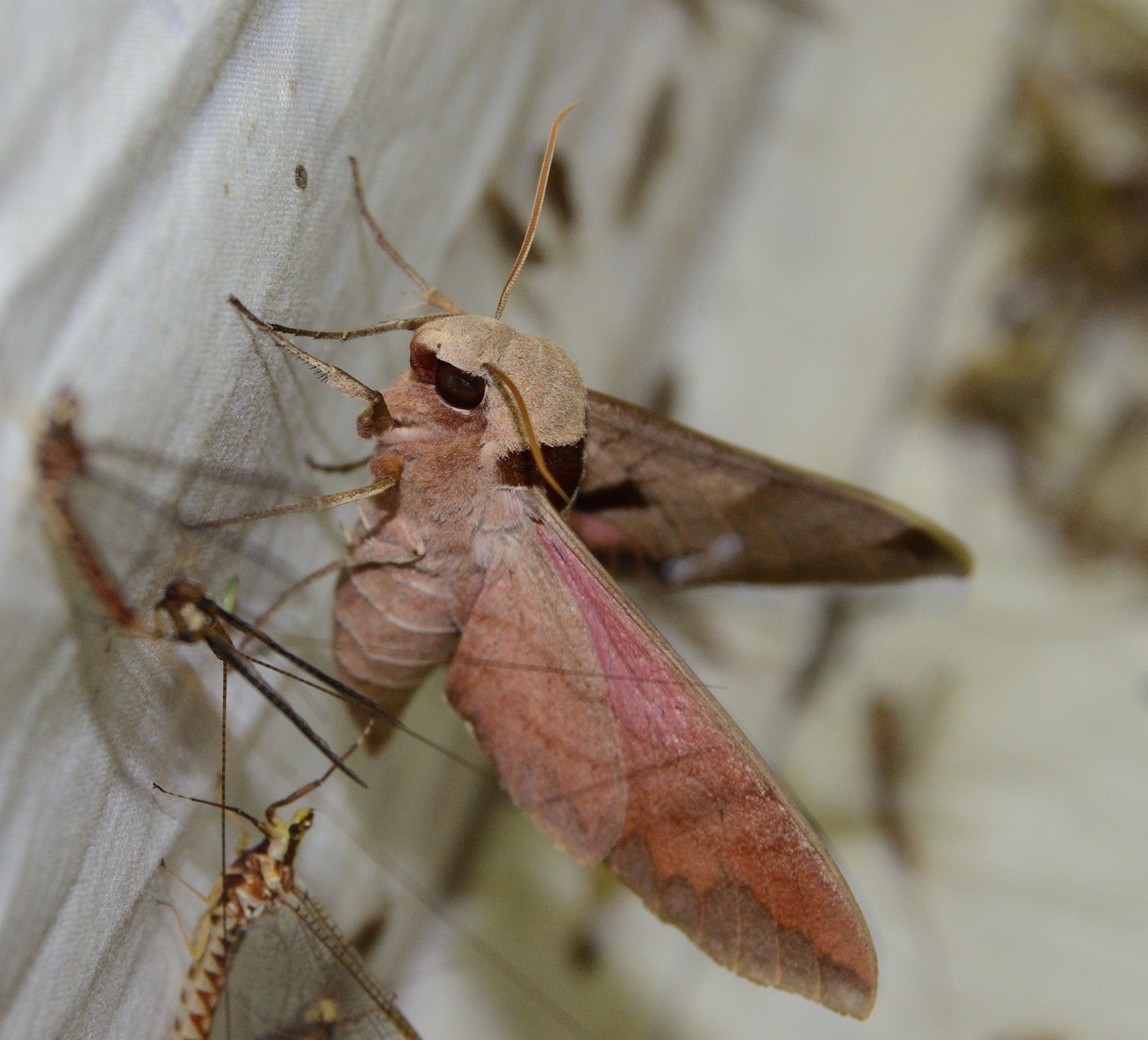
Achemon Sphinx Moth
Vineyards, woodland edges, gardens with wild grape
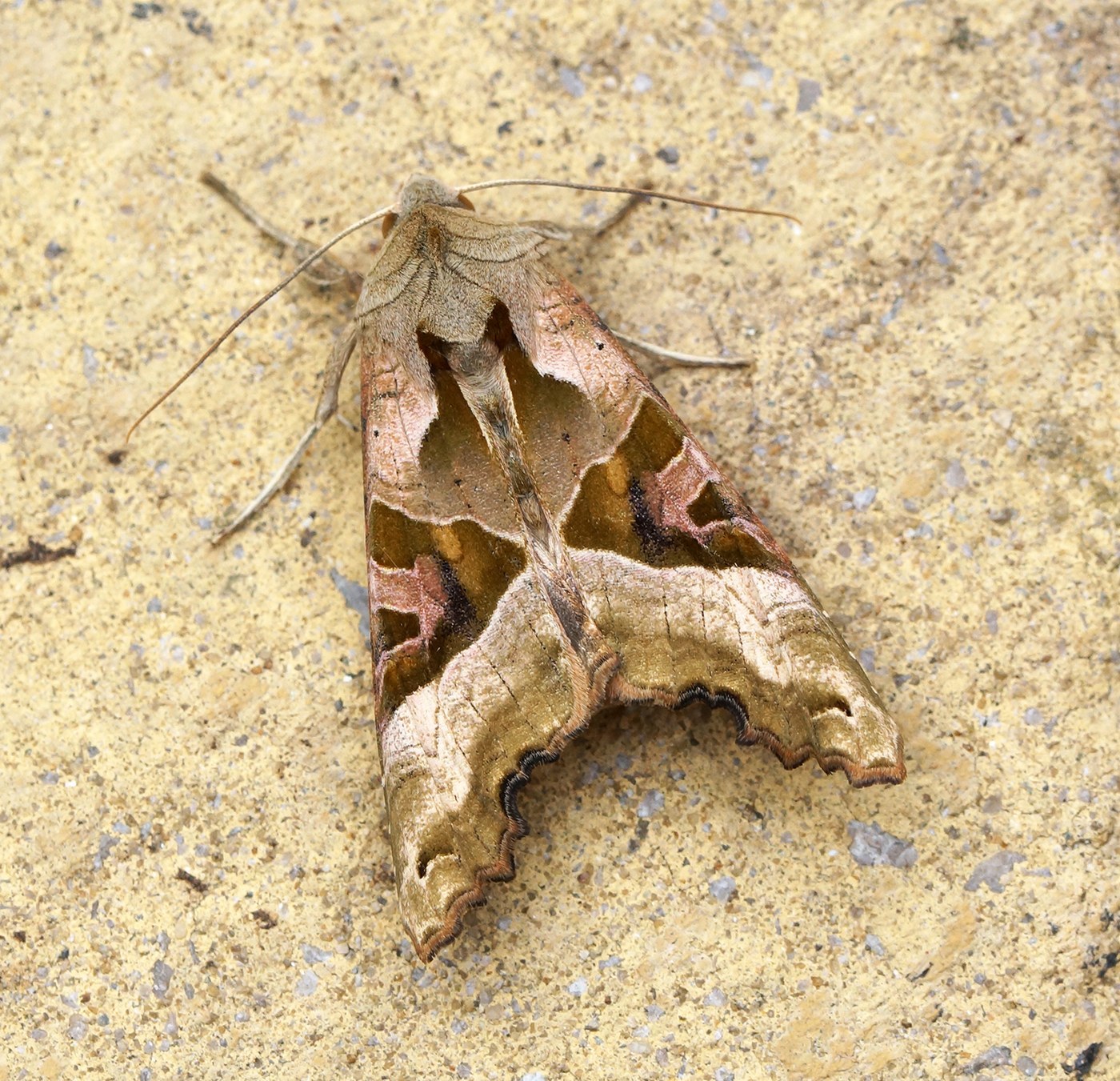
Angle Shades Moth
Gardens, hedgerows, woodland edges, urban parks
Atlas Moth
Tropical and subtropical lowland forests of Southeast Asia