
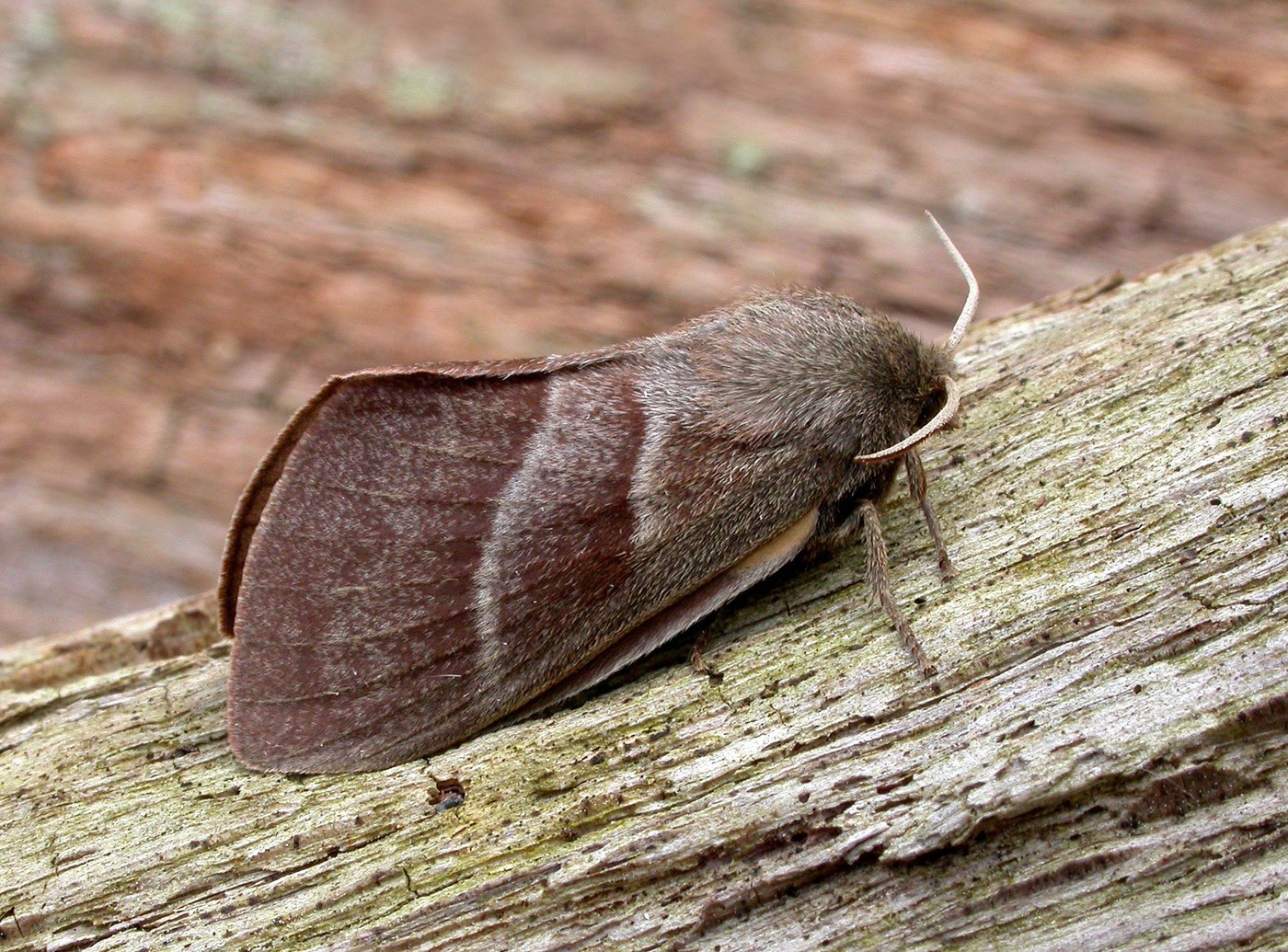
Fox Moth
Macrothylacia rubi
A stout, reddish-brown moth with a pale diagonal band across each forewing, closely resembling a fox in color, most often noticed as its large, densely furred dark caterpillar basking on open ground in spring.
- Size
- 45–70 mm wingspan
- Habitat
- Heathland, moorland, hedgerows, open grassland
- Danger
- Harmless
Spotted a bug like this?
Identify any bug or insect from a photo, free.
Overview
The Fox Moth is a member of the eggar moth family Lasiocampidae, named for its warm reddish-brown coloring reminiscent of a fox's coat. It is a robust, densely furred moth typical of its family, which is known for stout bodies, feathery antennae, and caterpillars that spin tough silken cocoons.
The species shows pronounced sexual dimorphism: males are smaller, more brightly reddish-orange, and fly rapidly by day in search of females, while females are larger, duller grey-brown, and largely nocturnal. This contrast makes the Fox Moth an interesting example of differing behavior and appearance between the sexes within a single species.
Ecologically it is strongly associated with open heath and moorland habitats, where its caterpillars are conspicuous during their basking and overwintering behavior, forming a recognizable part of the seasonal fauna of these landscapes.
How to Identify
- Males have bright reddish-orange to chestnut forewings crossed by a pale cream diagonal band; females are larger and duller greyish-brown with a similar but fainter band.
- Body is stout and densely covered in hair-like scales, typical of eggar moths.
- Antennae are broadly feathery (bipectinate), especially in males.
- Hindwings are plainer, similar in tone to the forewings.
- The caterpillar is large, densely covered in long brown-black hairs with orange-brown bands, and is often seen basking in open sunny spots.
- Lookalikes include other eggar moths, but the reddish-fox coloring and pale diagonal band are distinctive in males.
Habitat & Range
Found across much of Europe including upland and northern regions, favoring open habitats such as heathland, moorland, coastal dunes, and rough grassland with low shrubby vegetation like heather and bramble. Adult males fly by day in spring, typically April to June, in fast, low patrolling flights over open ground, while females fly mainly at dusk and after dark. Caterpillars are conspicuous in late summer and again after overwintering, basking on open ground in sunshine.
Behavior & Diet
Male Fox Moths are strong, fast fliers active during the day, patrolling low over open ground in search of pheromone-emitting females, while females are more sedentary and primarily nocturnal, calling males with scent. The caterpillars feed on a range of low shrubby plants including heather, bramble, and bilberry, and are notable for basking openly in sunlight to raise their body temperature, especially after emerging from hibernation. As both hairy caterpillars and adult moths, they form part of the invertebrate community of heath and moorland, serving as prey for birds and other predators.
Life Cycle
Eggs are laid in batches on low vegetation in early summer. The caterpillars feed through summer, growing to a large size before entering hibernation as nearly full-grown larvae, sheltering low in vegetation or leaf litter over winter. In spring they resume brief feeding and basking before spinning a tough, dense cocoon in which they pupate, typically producing one generation per year with adults emerging in spring.
Frequently asked questions
Why is it called the Fox Moth?
Its reddish-brown coloring, particularly in males, resembles the coat color of a fox.
Are males and females different colors?
Yes, males are smaller and bright reddish-orange, while females are larger and duller grey-brown, a clear example of sexual dimorphism in the species.
When do I see the caterpillars basking?
The large, hairy caterpillars are often seen basking in open sunny spots on heathland or moorland in late summer and again in early spring after overwintering.
Does it fly at night or during the day?
Males fly rapidly during the day searching for mates, while females are mainly active at dusk and after dark.
Fox Moth guides
In-depth guides for identifying, understanding, and living alongside Fox Moth.
Other bugs you may enjoy
Bagworm Moth
Coniferous and deciduous trees, shrubs, hedges
Antheraea Silkmoth
Deciduous forests, woodland edges, orchards
Ailanthus Silkmoth (Cynthia Moth)
Urban parks, wastelands, and woodland edges with tree-of-heaven; native to Asia, introduced in North America and Europe
Winter Moth
Deciduous woodland, orchards, gardens, hedgerows
Webbing Clothes Moth
Dark closets, storage areas, and animal nests worldwide
Tussock Moth
Deciduous forests, parks, gardens
Wax Moth
Beehives, apiaries, stored beeswax and comb
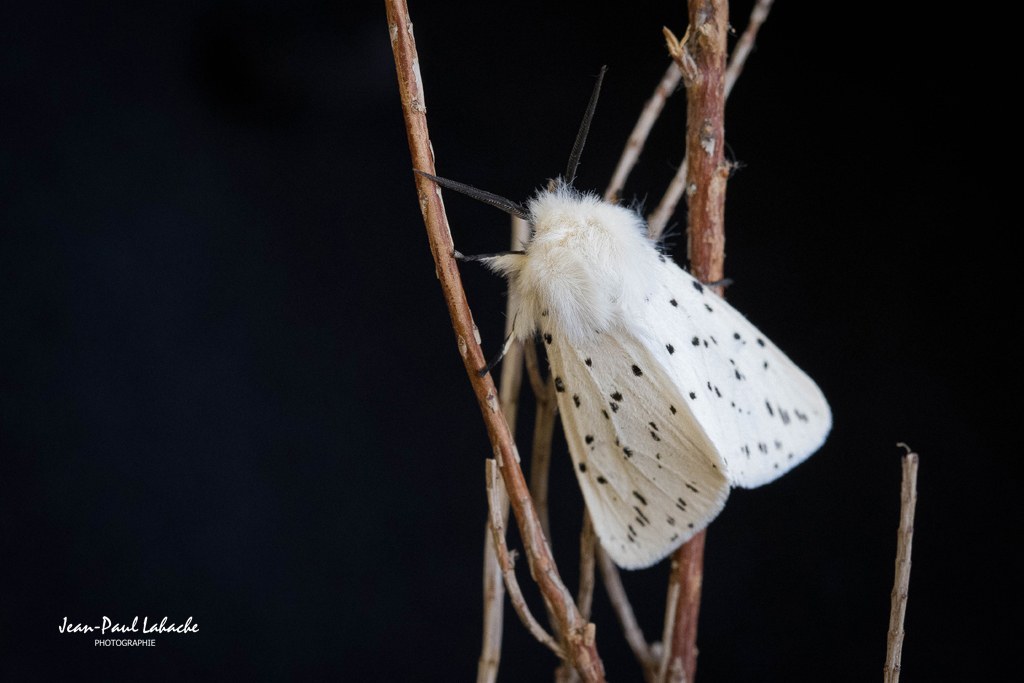
White Ermine Moth
Gardens, meadows, hedgerows
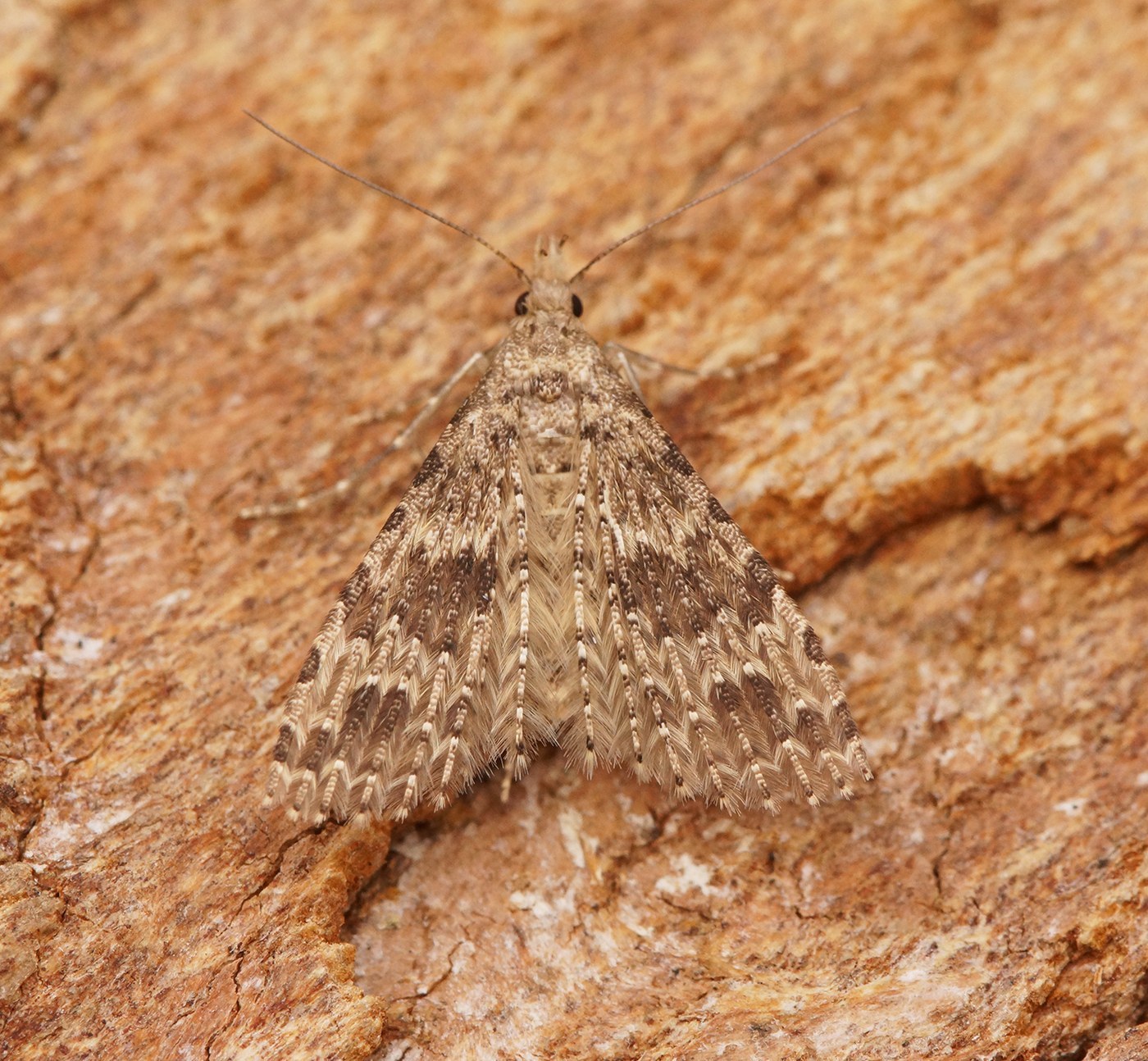
Twenty-plume Moth
Gardens, hedgerows, near honeysuckle
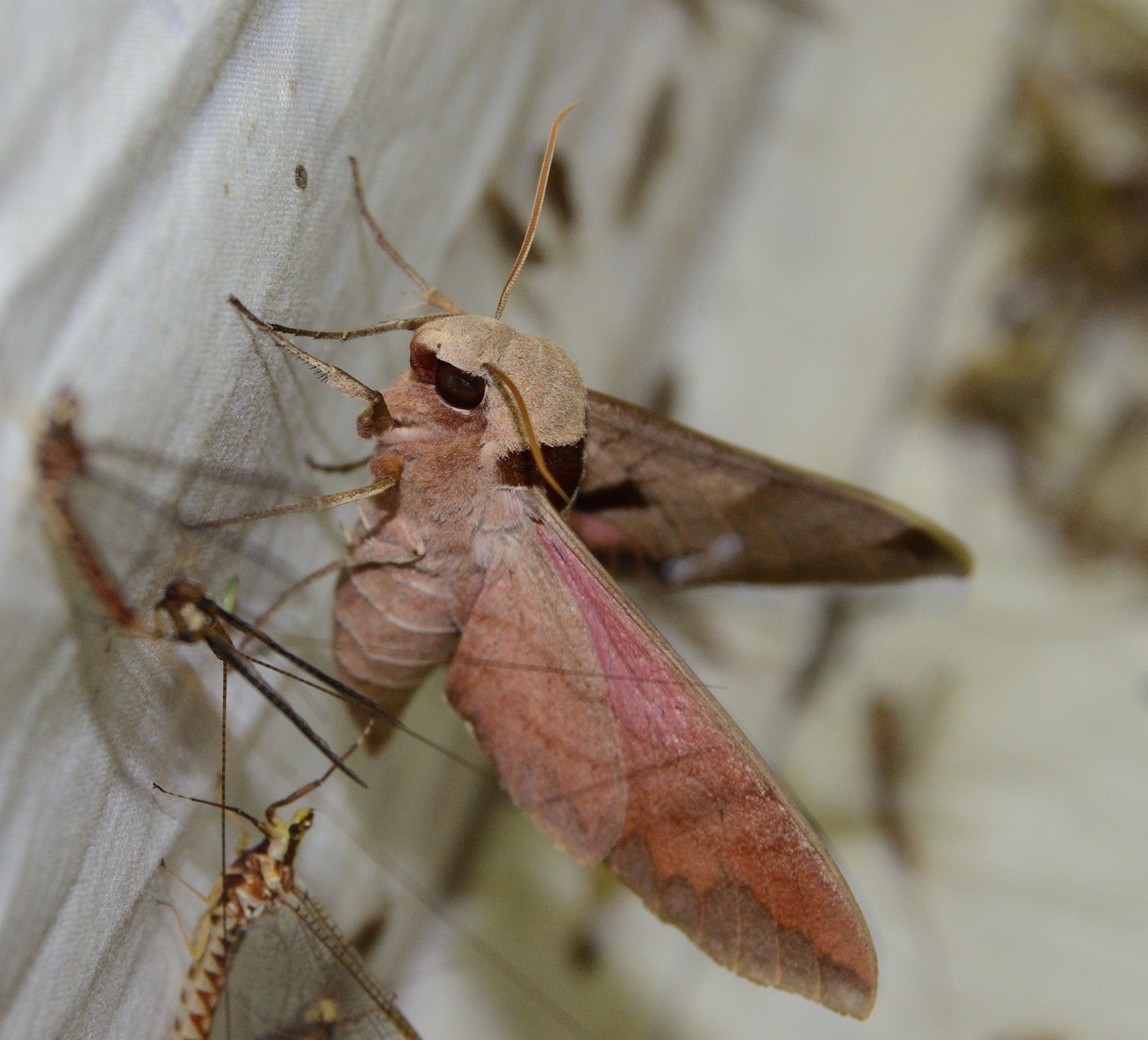
Achemon Sphinx Moth
Vineyards, woodland edges, gardens with wild grape
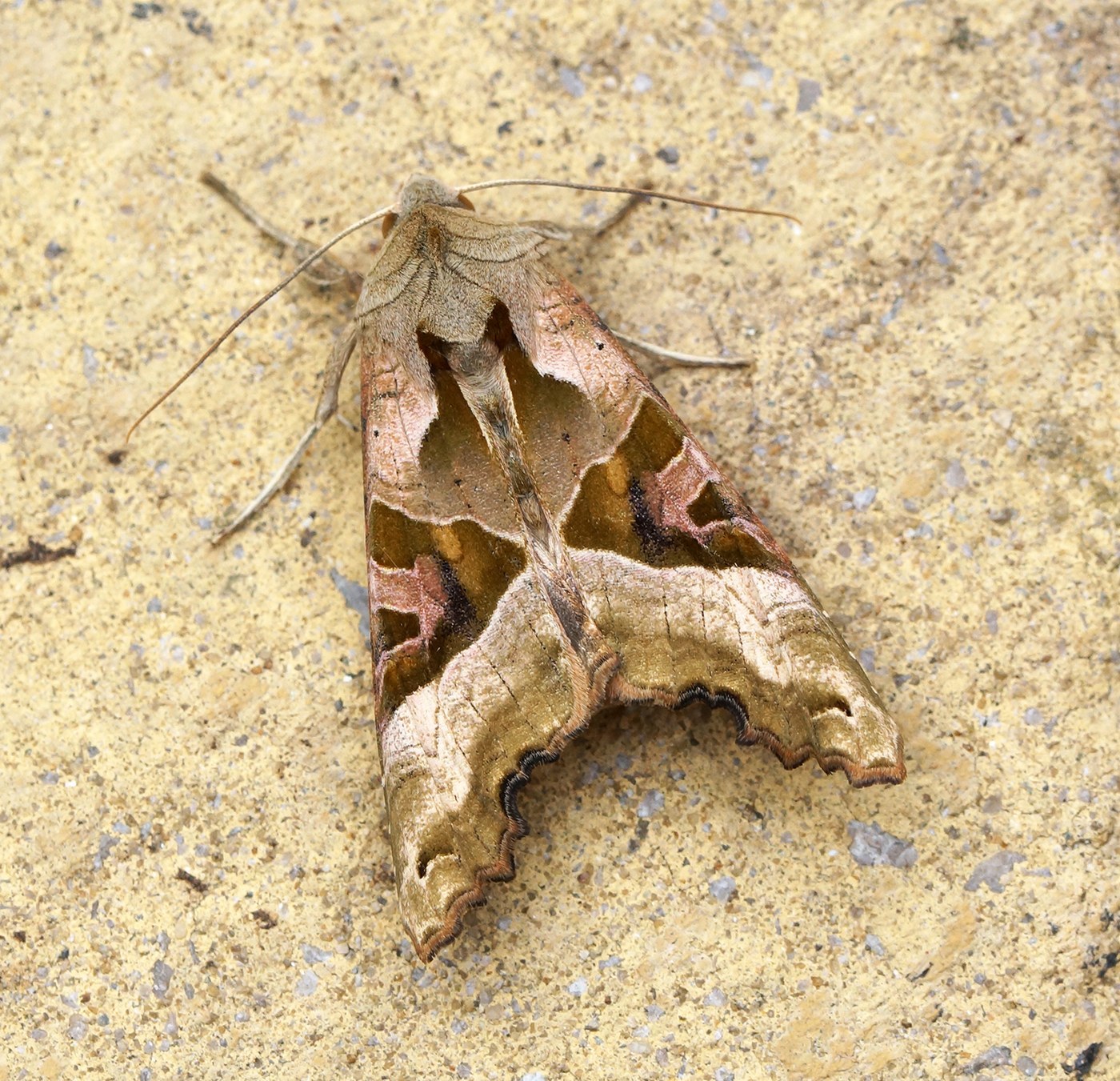
Angle Shades Moth
Gardens, hedgerows, woodland edges, urban parks
Atlas Moth
Tropical and subtropical lowland forests of Southeast Asia