
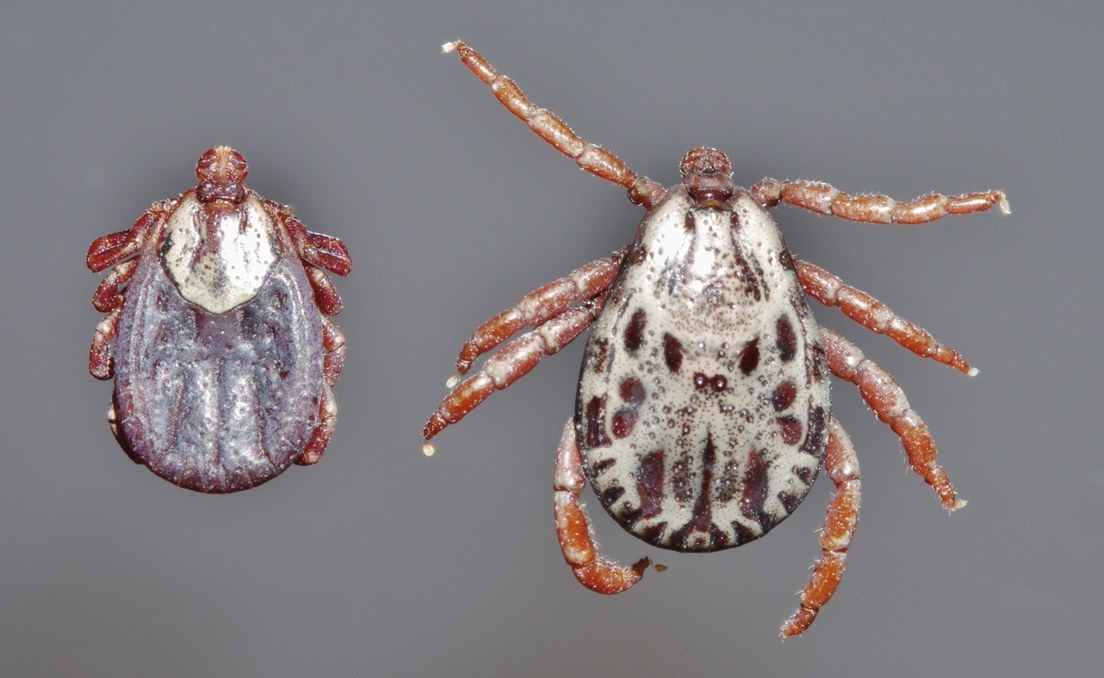
Wood Tick
Dermacentor andersoni
A flattened, ornately patterned tick that waits on low brush in the Rocky Mountain foothills, ready to grab onto large mammals passing within reach. Its mottled, shield-marked back makes it one of the more distinctive North American ticks to identify.
- Size
- Unfed adults 3–5 mm; engorged females up to 12 mm
- Habitat
- Grassland, shrub-steppe, and open woodland of western North America
- Danger
- Bites
Spotted a bug like this?
Identify any bug or insect from a photo, free.
Overview
The wood tick, more precisely called the Rocky Mountain wood tick, is a hard tick native to the mountainous and foothill regions of western North America, from British Columbia and Alberta south through the western United States. The common name "wood tick" is also used regionally for related Dermacentor species such as the American dog tick, so identification should rely on range and markings rather than the name alone.
Like other hard ticks, it spends most of its life off any host, only climbing onto vegetation to seek a blood meal during specific windows tied to each life stage.
How to Identify
- Flattened, oval, reddish-brown body that swells to gray-blue and balloon-like when fully fed
- Males have an ornate, mottled grayish-white shield (scutum) covering nearly their entire back
- Females have a smaller whitish shield confined to the area just behind the head, leaving the rest of the abdomen plain reddish-brown
- Eight legs in the nymph and adult stages; larvae have six
- Distinguished from the similar American dog tick mainly by range (higher elevations of the Rocky Mountain region) and subtle scutal pattern differences
Habitat & Range
This species is found in grassland, sagebrush shrub-steppe, and open, brushy woodland at moderate to high elevations (roughly 1,200–3,000 m) throughout the Rocky Mountain region of western North America. It is most active in spring and early summer when adults quest for large hosts.
Behavior & Diet
Wood ticks use an ambush strategy called questing, climbing to the tip of grass or low brush and extending their front legs to grasp onto a passing host. Once attached, they feed slowly on host blood over several days before dropping off to molt or, in adults, to lay eggs. As external parasites, they play a role in regulating populations of small mammals through predation pressure from the hosts they rely on, and serve as prey themselves for some birds and other predators.
Life Cycle
The Rocky Mountain wood tick follows a three-host life cycle: eggs hatch into six-legged larvae that feed on a small mammal host, molt into eight-legged nymphs that feed on a different (often larger) host, and finally molt into adults that seek a large mammal for a final blood meal before mating and egg-laying. The full cycle can take one to several years depending on host availability and climate, with unfed adults commonly overwintering in leaf litter or soil.
Frequently asked questions
How is a wood tick different from a deer tick?
Wood ticks are larger with an ornate mottled shield and are found in western grassland and foothill habitat, while deer ticks (blacklegged ticks) are smaller, plain dark reddish-brown, and associated with eastern and midwestern woodland.
How can you tell a male from a female wood tick?
Males have a mottled shield covering almost their entire back, while females have a smaller shield only near the head, leaving most of the body plain colored and able to expand when feeding.
Where are wood ticks most commonly found?
They inhabit grassland, sagebrush country, and open brushy woodland at moderate to high elevations across the Rocky Mountain region of western North America.
How many hosts does a wood tick use in its life?
Three separate hosts, one each for the larval, nymphal, and adult stages, a pattern typical of hard ticks.
Wood Tick guides
In-depth guides for identifying, understanding, and living alongside Wood Tick.
Other bugs you may enjoy
Yellow Scorpion
Arid scrubland, rocky slopes, and desert margins
Whip Spider
Tropical caves, rainforest leaf litter, and under bark
Water Mite
Ponds, lakes, streams, and other freshwater bodies
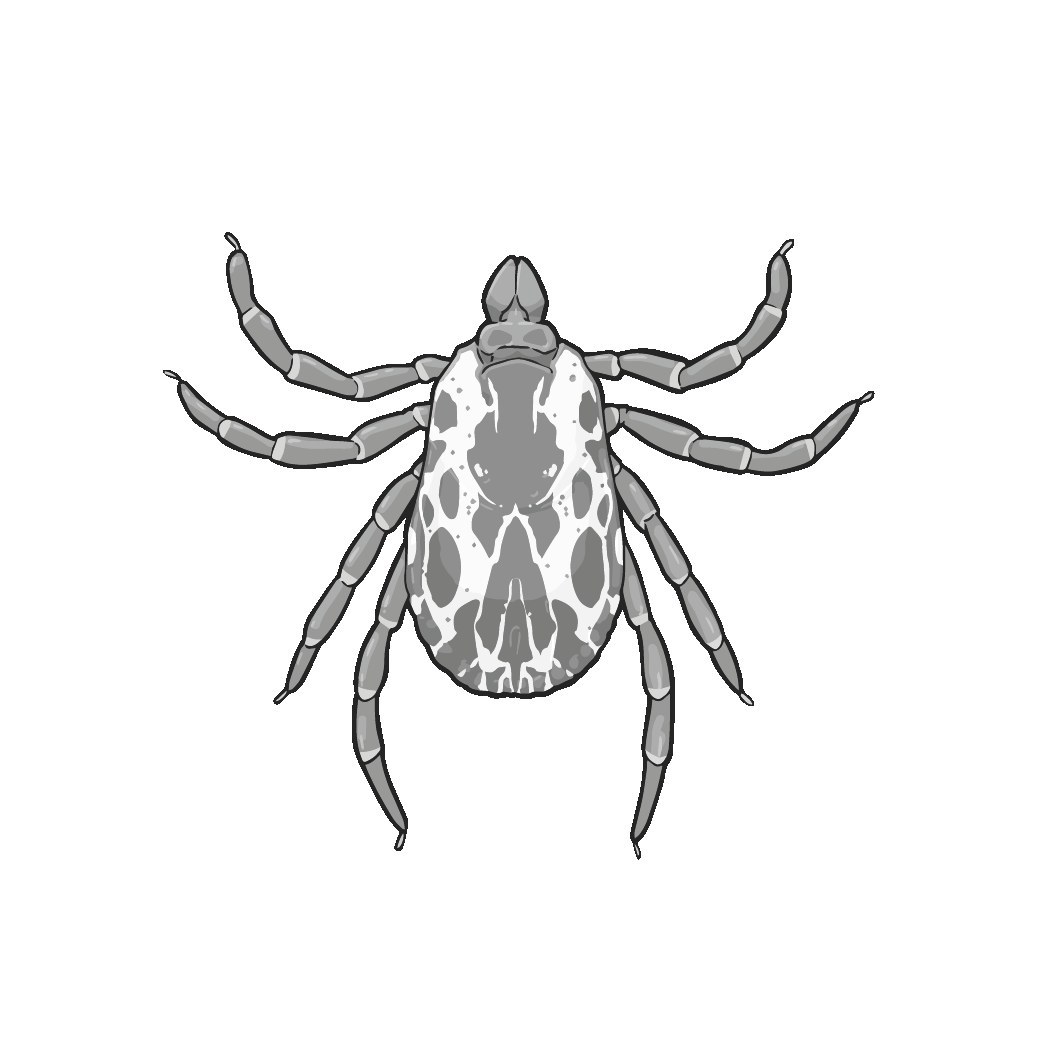
American Dog Tick
Grassy fields, trails, and low vegetation near woodlands
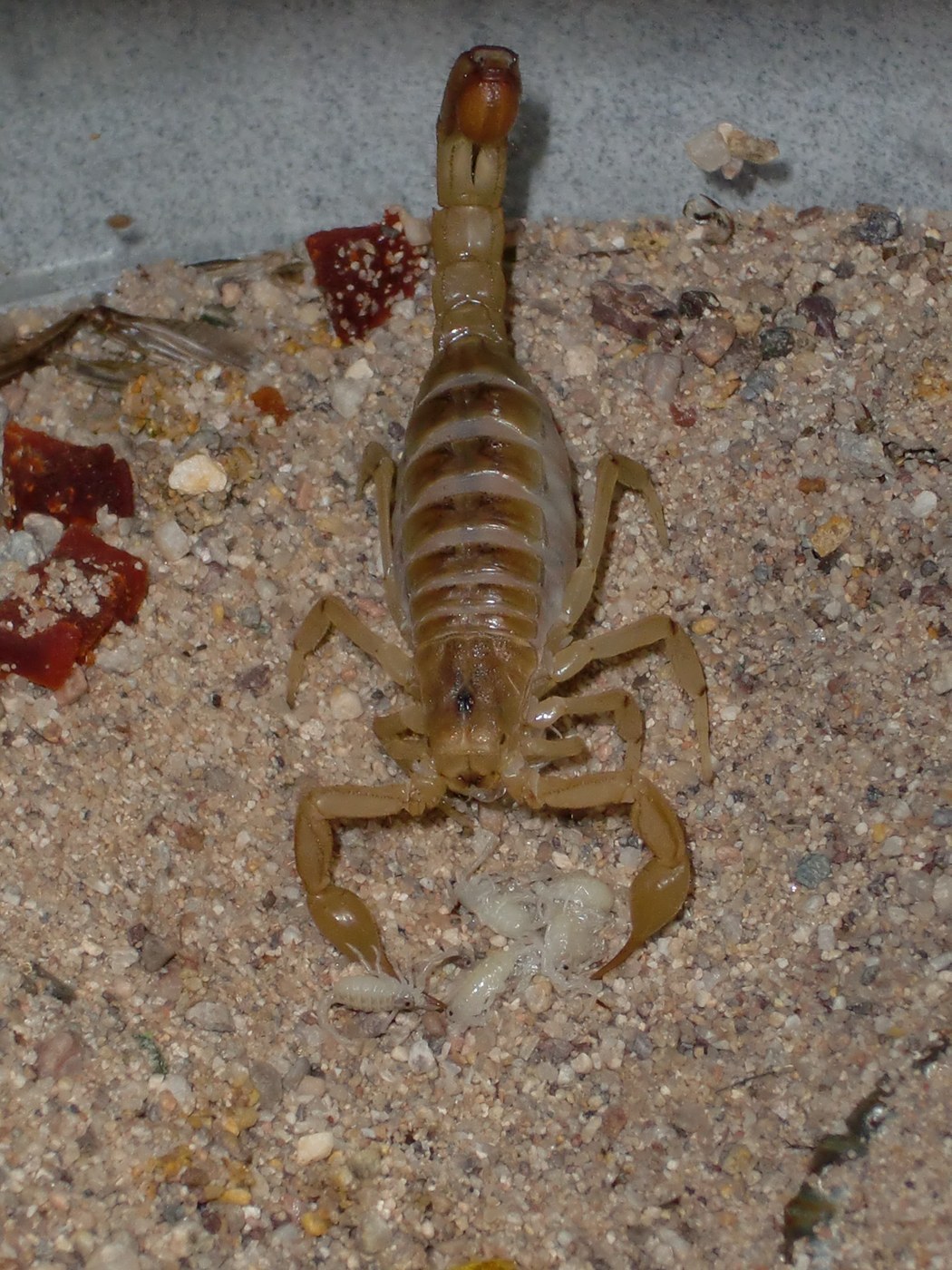
Arizona Bark Scorpion
Rocky desert terrain, tree bark, and structures in the Southwest
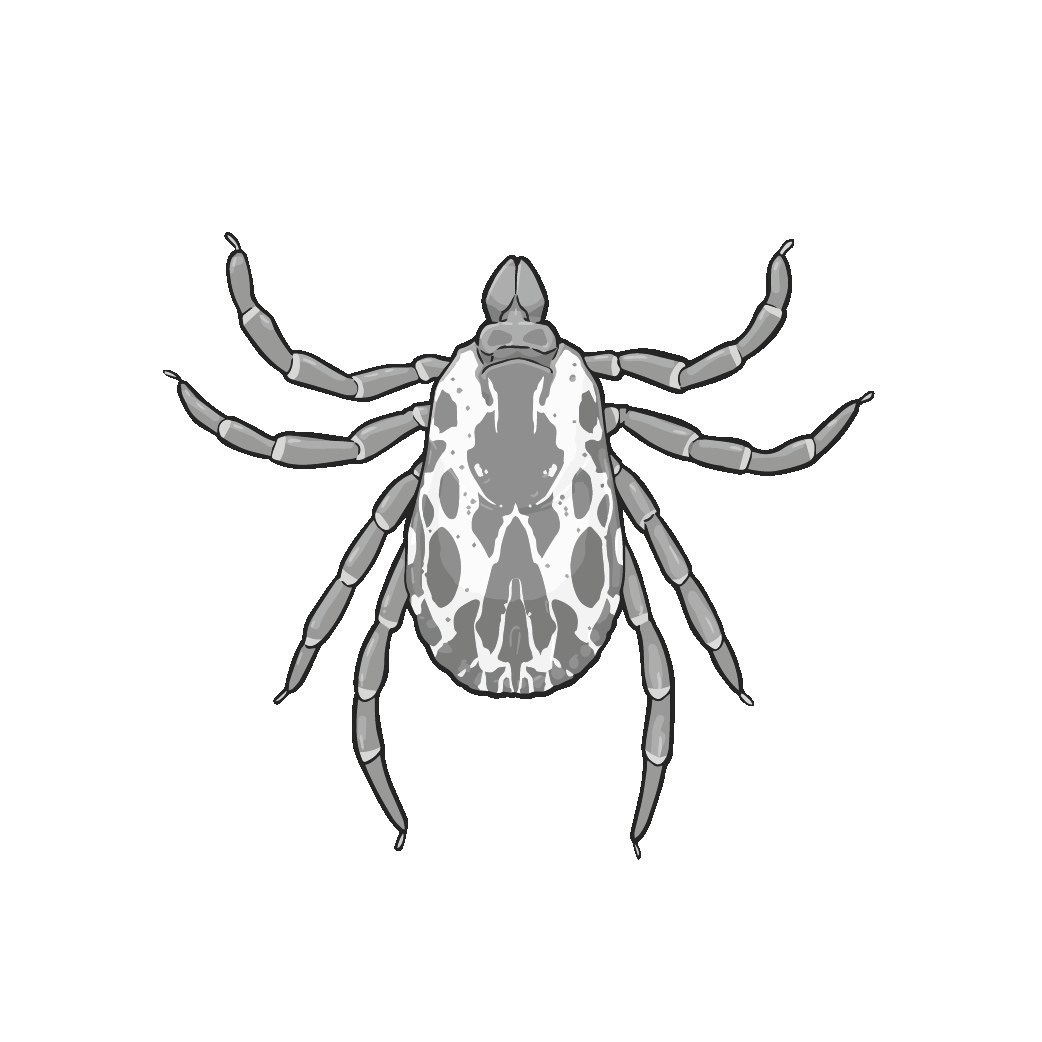
Tick
Tall grass, brush, woodland edges, and animal trails
Soil Mite
Soil, leaf litter, moss, and decaying organic matter worldwide
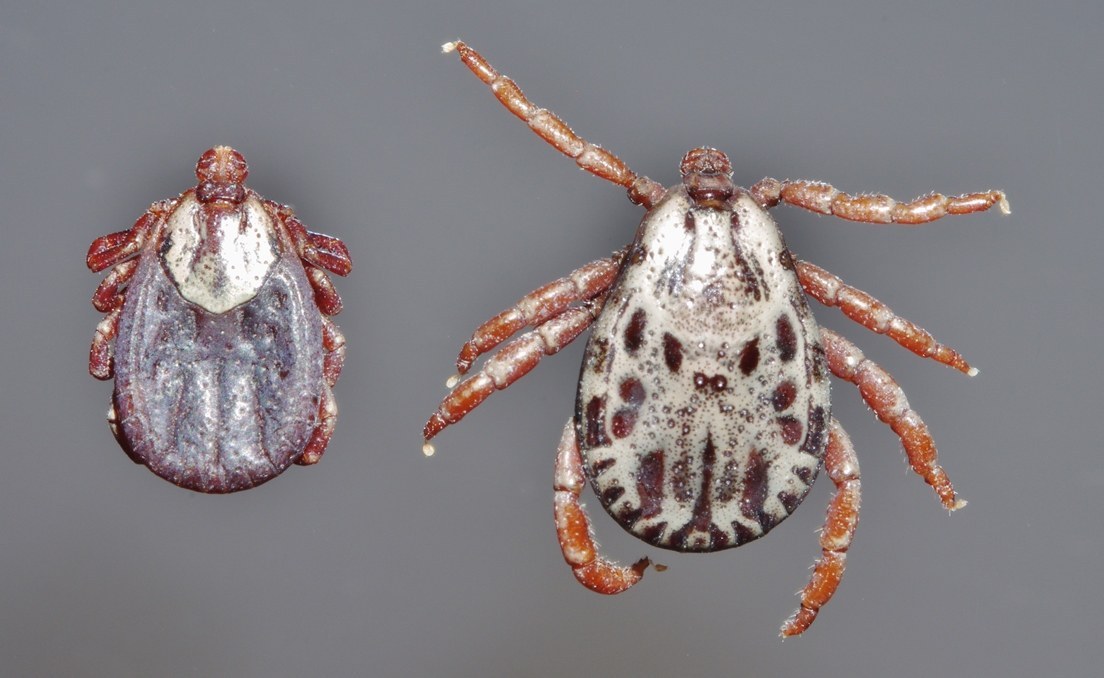
Rocky Mountain Wood Tick
Sagebrush shrublands, grasslands, and montane forest edges
Two-Spotted Spider Mite
Undersides of leaves on garden plants, crops, and houseplants
Spider Mite
Undersides of leaves on garden plants, houseplants, and field and orchard crops worldwide
Whip Scorpion
Tropical and subtropical caves, tree bark, and rock crevices worldwide
Scabies Mite
Within the outer skin layer of mammal hosts; no independent outdoor habitat