Brown Dog Tick Identification Guide
A slender, uniformly reddish-brown hard tick without bold markings, notable for completing its entire life cycle indoors.
Read the full Brown Dog Tick encyclopedia entry →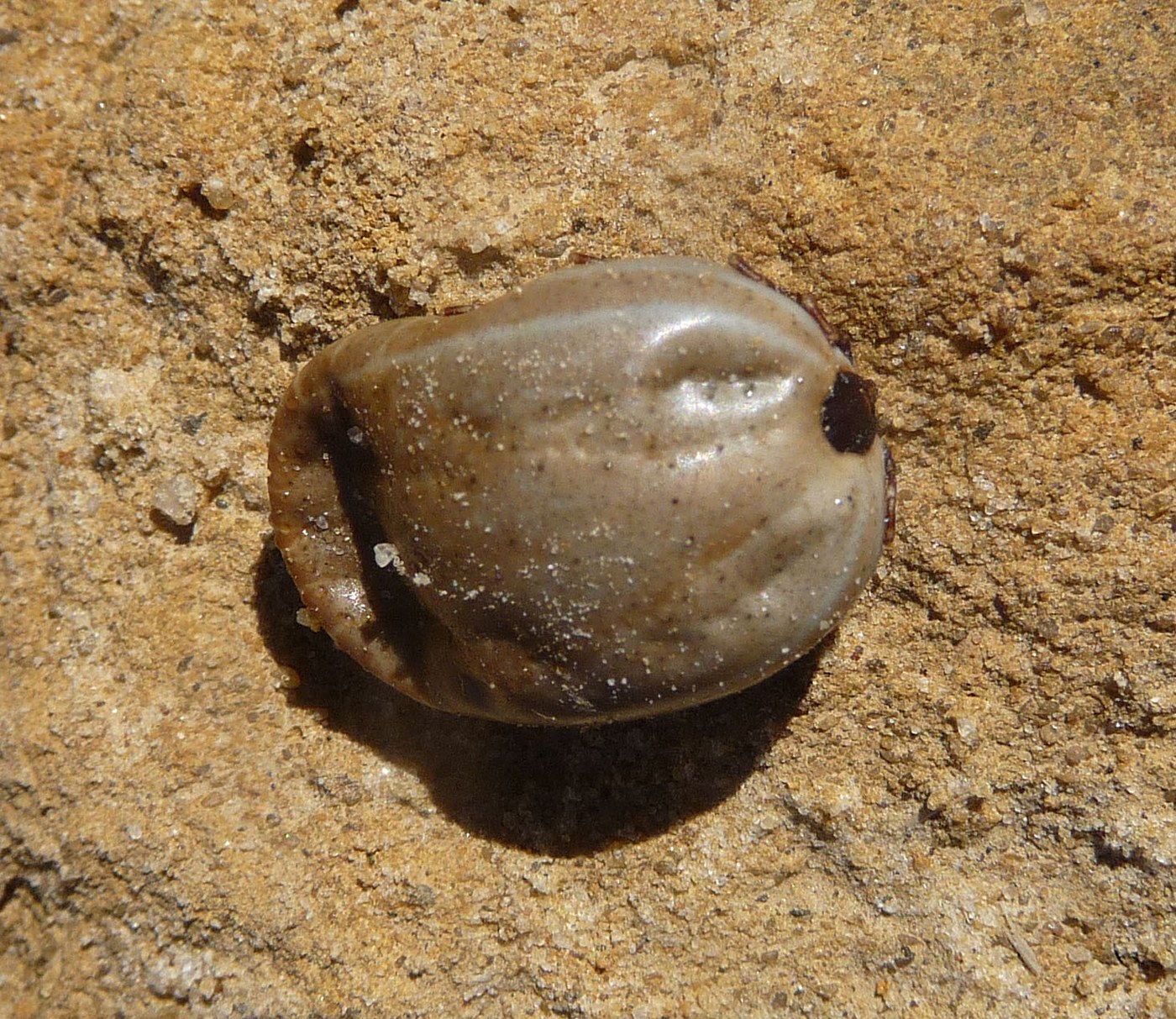
Key Visual Features
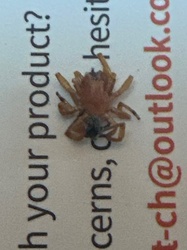
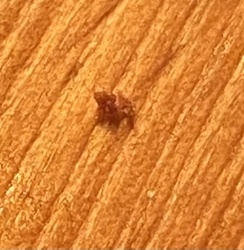
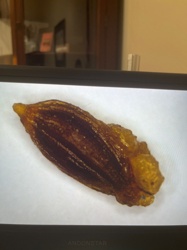
- Adult body is narrow and elongated compared to many other hard ticks, roughly 1/8 to 3/16 inch (3-5 mm) long when unfed, with a more slender, tapered outline rather than a broad oval.
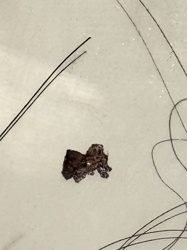
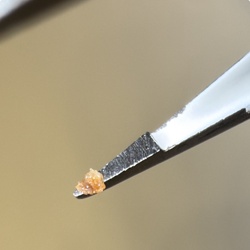
- Coloring is a uniform reddish-brown across the whole body, without the white spots, streaks, or mottled patterns seen on some other common tick species.
- The scutum (back shield) is the same plain reddish-brown as the rest of the body, giving this tick a comparatively plain, unmarked look.
- Mouthparts are visible from above as a short, forward-projecting structure, typical of hard ticks.
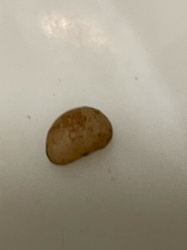
- After a blood meal, the body swells substantially and turns a slate-gray to bluish-gray color, quite different from its slender reddish-brown unfed appearance.
- Legs are reddish-brown and proportionally longer and thinner than in some stockier tick species.
Where and When You'd See It
- Unlike most other common ticks, this species is strongly associated with sheltered, indoor, or semi-sheltered environments as well as outdoor vegetation, and it can complete its entire life cycle without ever going outside.
- Commonly found around baseboards, cracks, crevices, window and door frames, and areas where surfaces meet in structures, as well as kennels and outdoor shelters.
- Can be active year-round indoors in heated spaces, while outdoor populations follow a more seasonal, warm-weather pattern.
- Often noticed climbing walls or crawling along ceiling-wall junctions while seeking a new host or a place to lay eggs, a behavior less commonly seen in other tick species.
Similar-Looking Bugs
- The American dog tick has a similar general size but shows a mottled, marbled whitish-gray pattern on the scutum, unlike the plain reddish-brown of this species.
- Deer (blacklegged) ticks are smaller, darker, and have a more rounded body outline rather than the narrow, elongated shape typical of this species.
- Lone star ticks show a single white dot (females) or light streaking (males), markings absent entirely here.
Quick ID Checklist
- Slender, elongated reddish-brown body with no white spots or mottled markings.
- About 1/8-3/16 inch long when unfed, swelling to slate-gray when fed.
- Often found indoors along baseboards, cracks, and wall-ceiling junctions, not just outdoors.
- Can complete its full life cycle without ever leaving a structure.
- Plain, unmarked scutum distinguishes it from mottled or spotted tick species.
Frequently asked questions
What's the easiest way to tell this tick apart from others by color alone?
It lacks any white spots, streaks, or mottled pattern — the whole body is a uniform, unmarked reddish-brown, unlike several other common hard tick species.
Why might I find this tick indoors far from any yard or woods?
This species is unusual among common ticks in that it can complete its entire life cycle indoors, so it's often found along baseboards, cracks, and wall-ceiling junctions inside structures.
How does the body shape compare to other hard ticks?
It tends to have a narrower, more elongated outline compared to the broader oval shape of ticks like the American dog tick.
Does this tick's color change after feeding?
Yes, an unfed tick is slender and reddish-brown, while a fed individual becomes swollen and takes on a slate-gray to bluish-gray color.
Brown Dog Tick identified by the community
Recent Brown Dog Tick finds identified with Bug Identifier.