
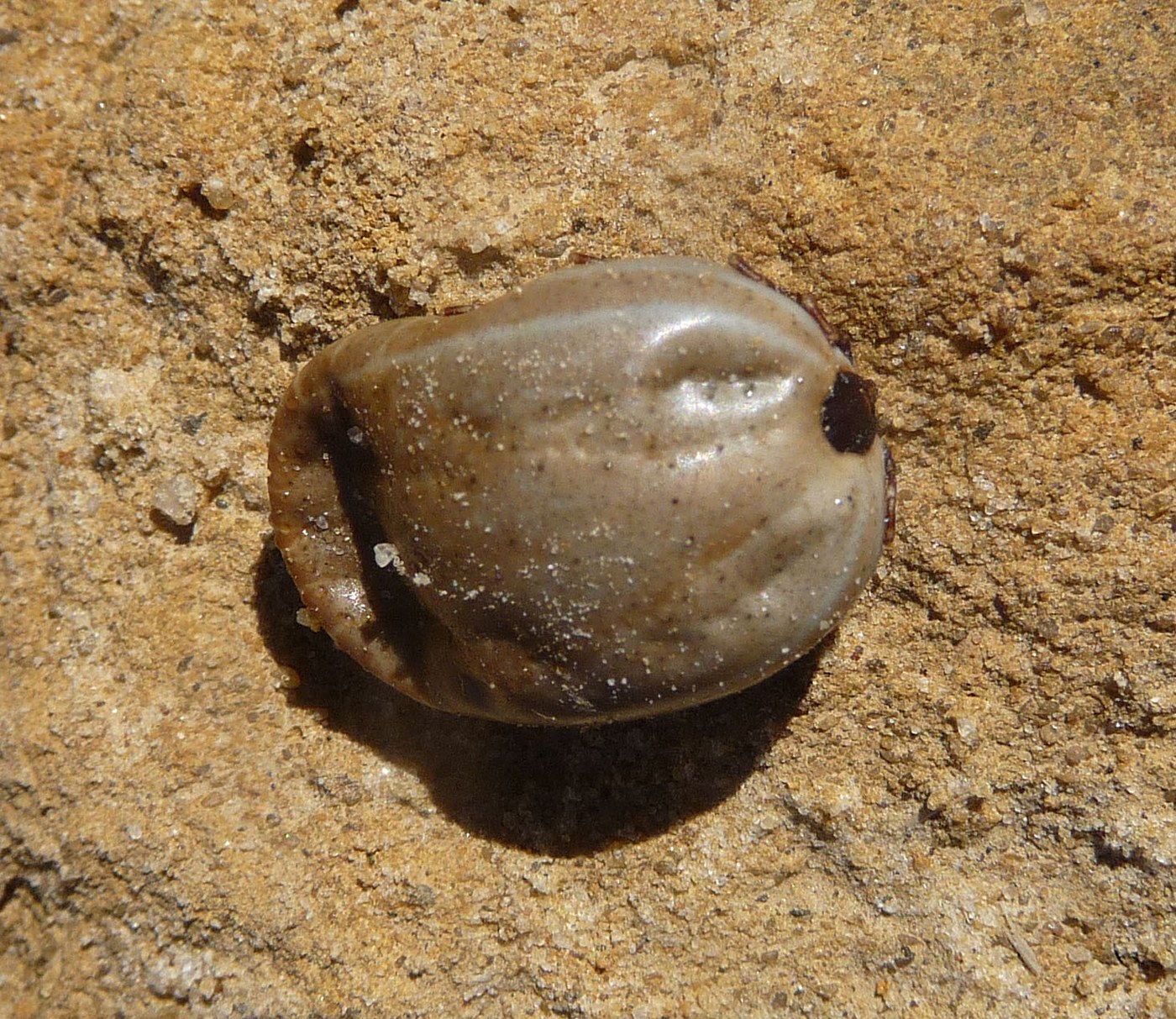
Brown Dog Tick
Rhipicephalus sanguineus
A uniformly reddish-brown tick with an elongated body, the brown dog tick is unusual among ticks for being able to complete its entire life cycle indoors around wherever dogs rest. It has spread to warm regions worldwide largely by traveling with its preferred host.
- Size
- Unfed adults about 3 mm; engorged females swell to over 1 cm
- Habitat
- Kennels, dog resting areas, and cracks in walls in warm climates worldwide
- Danger
- Bites
Spotted a bug like this?
Identify any bug or insect from a photo, free.
Overview
The brown dog tick has one of the widest distributions of any tick species, found in warm climates on nearly every continent, largely because it can complete its entire life cycle in and around human dwellings and kennels rather than depending on outdoor vegetation. It is closely associated with domestic dogs as its primary host at every life stage.
Unlike most hard ticks, which require different outdoor habitats for questing and typically use several different host species, the brown dog tick can thrive indoors, hiding in cracks, baseboards, and bedding between feedings.
How to Identify
- Uniformly reddish-brown coloration without the mottled shield patterns seen in many other hard ticks
- Elongated, narrower hexagonal body shape rather than the broadly oval outline typical of many tick species
- Small mouthparts relative to body size
- Engorged females become blue-gray and balloon-shaped after a full blood meal
- Distinguished from wood ticks and lone star ticks by its plain coloring and narrower, more elongated outline
Habitat & Range
This species occurs in warm temperate to tropical regions worldwide, closely tied to human structures such as kennels, homes, and other buildings where dogs rest. It hides in cracks in walls, floors, and furniture, as well as bedding, between feedings, allowing it to persist indoors year-round even in climates too cold for other ticks to survive outside.
Behavior & Diet
The brown dog tick feeds primarily on domestic dogs at every life stage, though it will occasionally bite other mammals. Its ability to complete its entire life cycle within a single structure, without needing to move between different outdoor host species, sets it apart from most other hard ticks and allows it to build up large indoor populations in favorable conditions.
Life Cycle
It follows a three-host life cycle, but unlike many ticks all three hosts are commonly the same species (typically dogs), and all life stages, egg to adult, can occur within the same building or kennel. In warm conditions the full cycle from egg to egg-laying adult can be completed in as little as two months, allowing several generations to occur in a single year.
Frequently asked questions
Why is the brown dog tick able to live indoors?
Unlike most ticks, it can complete its entire life cycle, egg through adult, within a single structure, hiding in cracks and bedding between feedings on dogs.
How does the brown dog tick differ in appearance from other common ticks?
It is uniformly reddish-brown without a mottled shield pattern, and has a narrower, more elongated body shape than species like the wood tick or lone star tick.
What is the brown dog tick's primary host?
Domestic dogs, which it relies on at every stage of its life cycle, though it will occasionally feed on other mammals.
Where in the world is the brown dog tick found?
It has one of the widest distributions of any tick, occurring in warm climates on nearly every continent due to its association with dogs and human dwellings.
Brown Dog Tick guides
In-depth guides for identifying, understanding, and living alongside Brown Dog Tick.
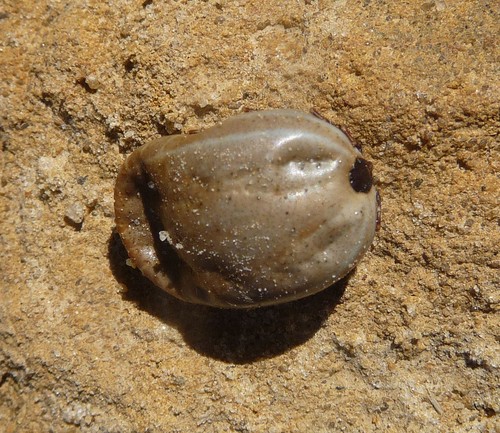
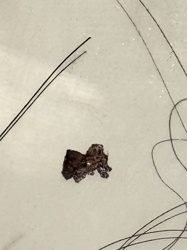
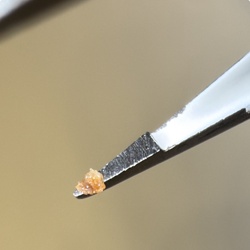
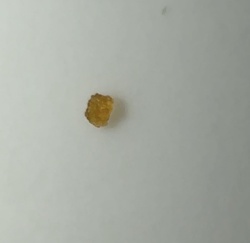
Brown Dog Tick identified by the community
Real finds identified with Bug Identifier.



Other bugs you may enjoy
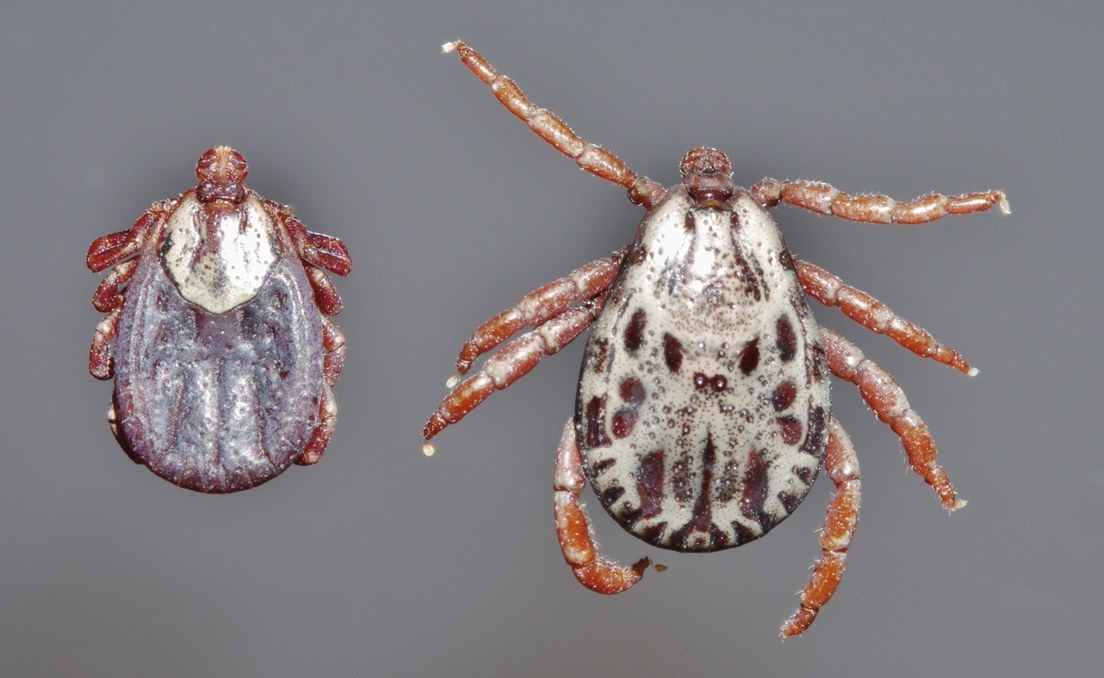
Wood Tick
Grassland, shrub-steppe, and open woodland of western North America
Yellow Scorpion
Arid scrubland, rocky slopes, and desert margins
Whip Spider
Tropical caves, rainforest leaf litter, and under bark
Water Mite
Ponds, lakes, streams, and other freshwater bodies
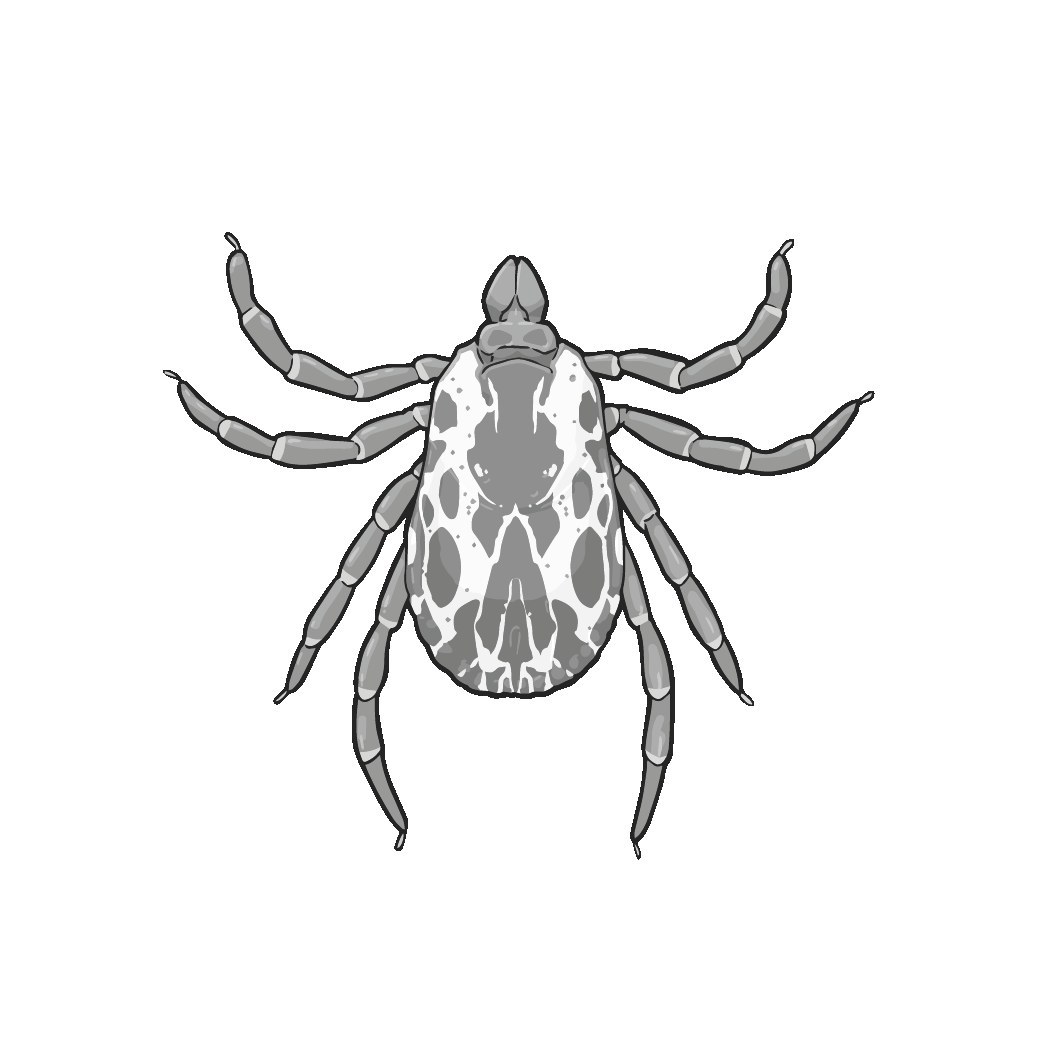
American Dog Tick
Grassy fields, trails, and low vegetation near woodlands
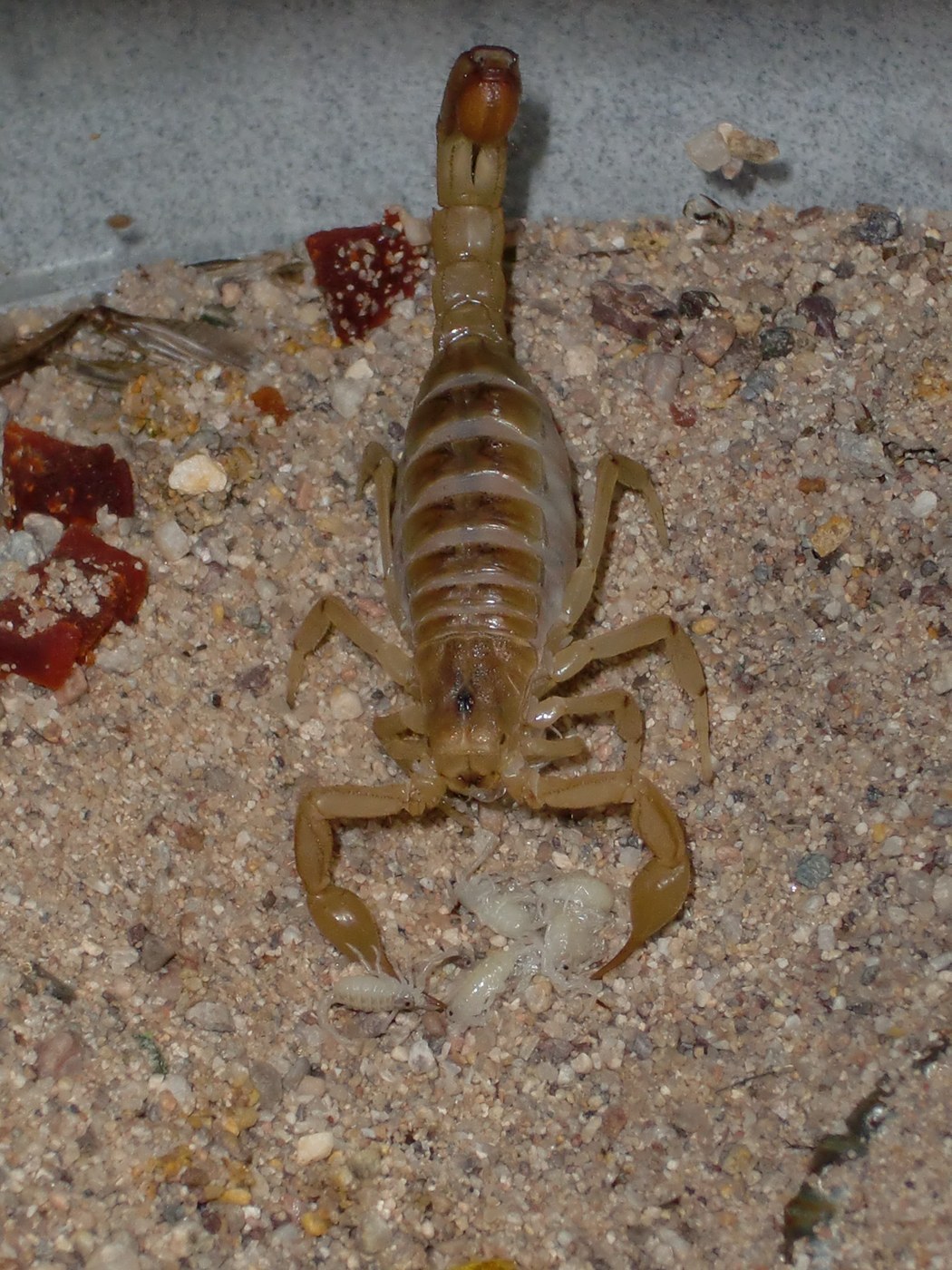
Arizona Bark Scorpion
Rocky desert terrain, tree bark, and structures in the Southwest
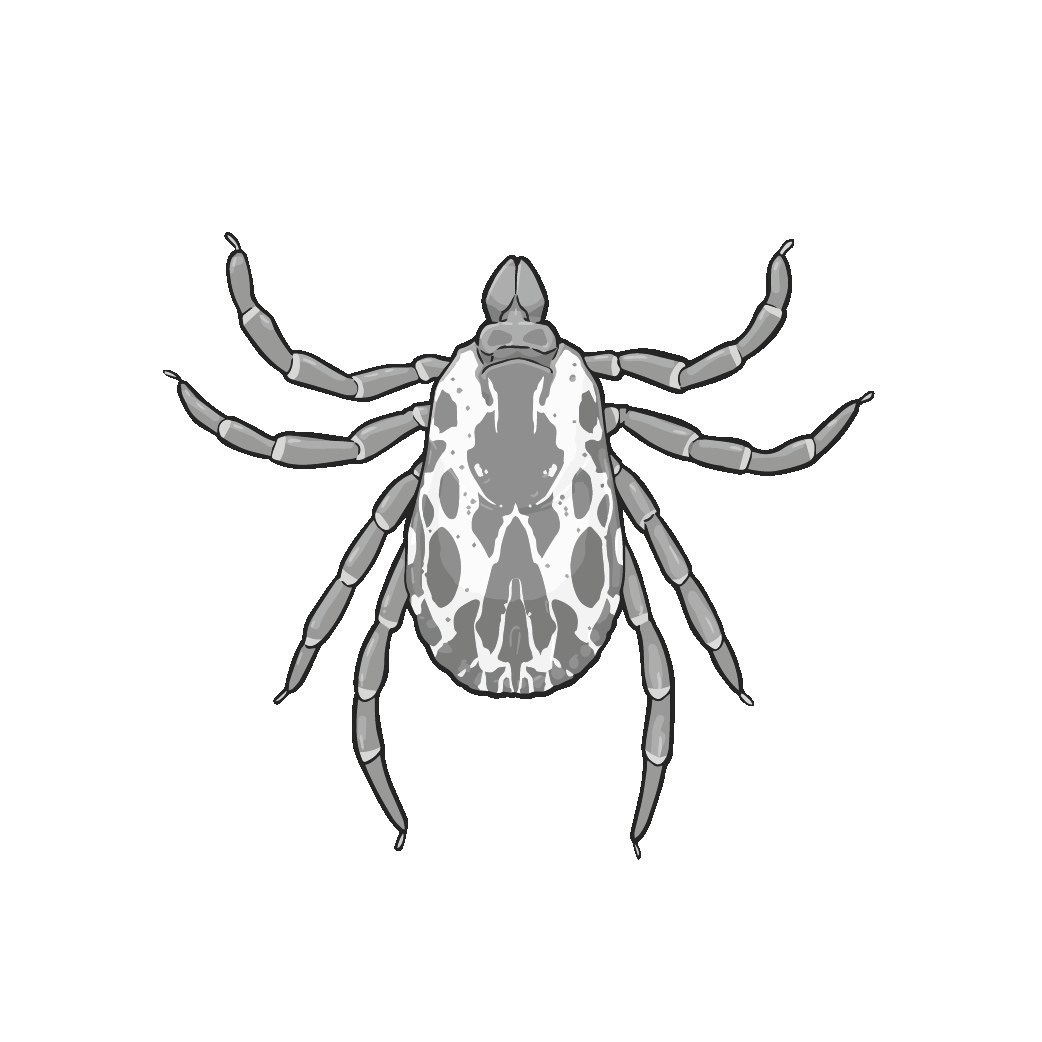
Tick
Tall grass, brush, woodland edges, and animal trails
Soil Mite
Soil, leaf litter, moss, and decaying organic matter worldwide
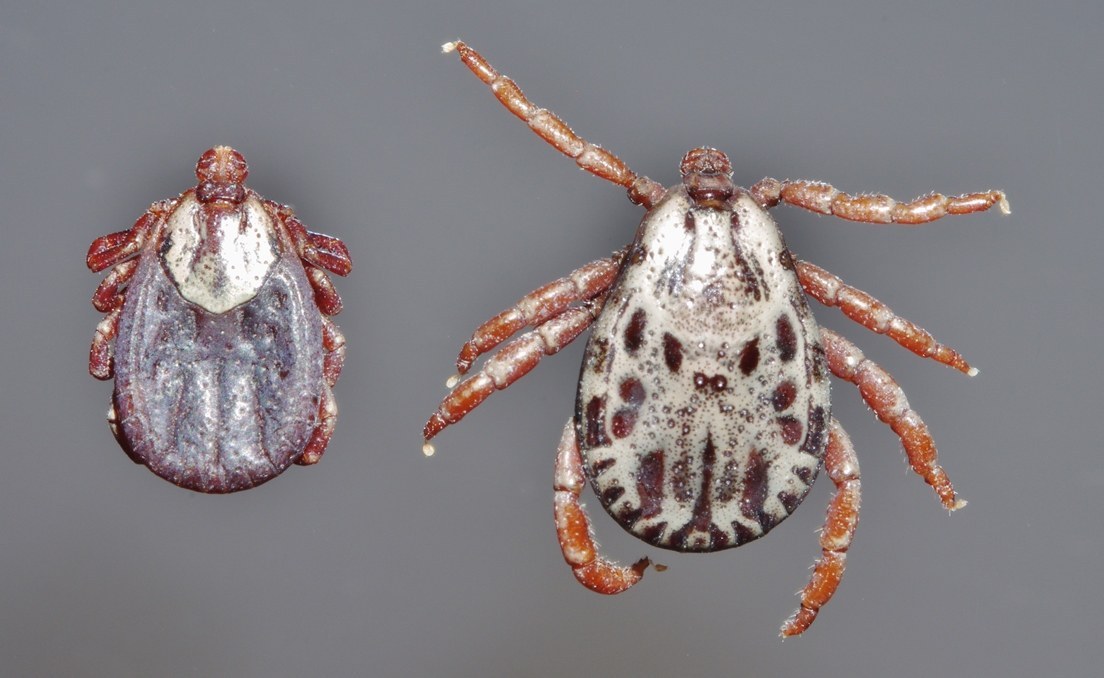
Rocky Mountain Wood Tick
Sagebrush shrublands, grasslands, and montane forest edges
Two-Spotted Spider Mite
Undersides of leaves on garden plants, crops, and houseplants
Spider Mite
Undersides of leaves on garden plants, houseplants, and field and orchard crops worldwide
Whip Scorpion
Tropical and subtropical caves, tree bark, and rock crevices worldwide