Cave Cricket Identification Guide
Recognize this humpbacked, wingless cricket that thrives in dark, damp hiding spots.
Read the full Cave Cricket encyclopedia entry →Key Visual Features
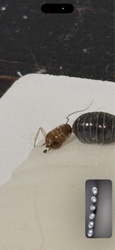
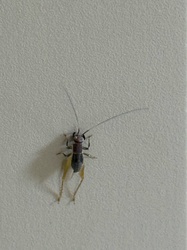
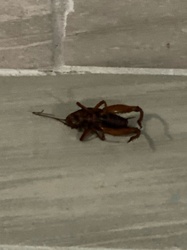
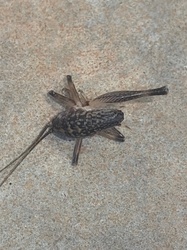
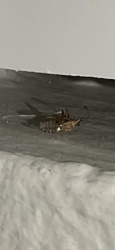
Cave crickets (family Rhaphidophoridae), also known as camel crickets or spider crickets, have a distinctive silhouette shaped by life in dark, sheltered spaces:
- Humpbacked body shape, with the thorax and abdomen arched noticeably higher than the head, giving a camel-like profile
- No wings, unlike many other cricket relatives, leaving the abdomen fully exposed and segmented
- Long, thin legs, especially the hind legs, which are strongly built for powerful jumping
- Extremely long, thread-like antennae, often two to three times the length of the body
- Light to dark brown mottled coloring, sometimes with faint banding on the legs
- Medium size, typically 1.5–5 cm (0.6–2 inches) in body length depending on species, with legs adding significant additional reach
Where and When You'd See It
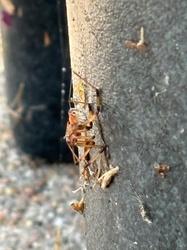
Cave crickets are found in dark, damp, and sheltered environments, including caves, rock crevices, hollow logs, tree stumps, and human structures such as basements, crawl spaces, and garages. They avoid light and are most active at night, when they emerge to forage on organic debris, fungi, and other small food sources. Because they lack sound-producing structures found in true crickets, cave crickets are silent — they do not chirp — so identification relies entirely on sight rather than sound.
Similar-Looking Bugs
- True crickets (Gryllidae): have wings and produce a chirping song, unlike the silent, wingless cave cricket
- Spiders: the long legs and jumping habit of cave crickets sometimes cause them to be mistaken for spiders at a glance, but cave crickets have six legs, two antennae, and a segmented insect body, while spiders have eight legs and no antennae
- Camel crickets vs. true cave crickets: within the family, species vary slightly in leg length and body proportions, but all share the humpbacked, wingless silhouette
Quick ID Checklist
- Humpbacked, arched body profile
- No wings visible on the abdomen
- Very long antennae, far exceeding body length
- Long, powerful hind legs adapted for jumping
- Found in dark, damp places like caves, basements, and hollow logs
Frequently asked questions
How can I tell a cave cricket from a spider?
Despite its long legs and jumping habit, a cave cricket has six legs, two long antennae, and a segmented insect body, while spiders have eight legs and no antennae.
Does the cave cricket chirp like other crickets?
No, cave crickets lack the sound-producing structures found in true crickets, so they are silent and must be identified visually.
Why does the cave cricket have such a humped back?
Its arched, humpbacked body shape is characteristic of the Rhaphidophoridae family and gives it the camel-like profile that leads to its other common name, camel cricket.
Where indoors might a cave cricket be found?
It favors dark, damp, sheltered spots such as basements, crawl spaces, and garages, similar to the caves and hollow logs it inhabits outdoors.
Cave Cricket identified by the community
Recent Cave Cricket finds identified with Bug Identifier.