
Cave Cricket
Rhaphidophoridae spp.
Humpbacked and wingless with absurdly long legs and antennae, this pale, silent insect thrives in the total darkness of caves, basements, and damp crawl spaces.
- Size
- Body 1.5-5 cm, with legs and antennae extending well beyond
- Habitat
- Caves, damp basements, crawl spaces, and leaf litter
- Danger
- Nuisance pest
Spotted a bug like this?
Identify any bug or insect from a photo, free.
Overview
Cave crickets are a family of wingless, humpbacked insects adapted to life in dark, damp environments, most notably caves, but also basements, crawl spaces, and other sheltered, moist habitats. Their arched, camel-like back gives rise to the common alternate name camel cricket, while their extremely long legs and antennae, used to feel out their surroundings in total darkness, contribute to their sometimes startling appearance.
Found across many regions worldwide, different species of cave crickets occupy true cave systems as well as human-made structures with similarly dark, humid conditions. Lacking wings and unable to produce the songs typical of other crickets, they rely on their long antennae and sensitive legs to navigate and locate food. While generally harmless to people, they are sometimes considered a household nuisance pest when found in large numbers in basements or crawl spaces.
How to Identify
- Humpbacked, arched body profile, giving rise to the alternate name camel cricket
- Entirely wingless in both sexes, unlike many other cricket species
- Extremely long, thin legs, particularly the hind pair, adapted for jumping
- Very long, thread-like antennae, often exceeding the length of the body
- Coloration typically light to dark brown, sometimes mottled, lacking the bright colors seen in some other insects
- Distinguished from true crickets by the absence of wings and the lack of any audible calling song
Habitat & Range
Cave crickets are found worldwide, occupying true cave systems, animal burrows, and similarly dark, damp natural habitats, as well as human structures such as basements, crawl spaces, garages, and woodpiles that offer comparable cool, humid, dark conditions. They are most frequently encountered in late summer and fall, when populations often peak and individuals may wander into buildings while seeking moisture and shelter.
Behavior & Diet
These insects are nocturnal scavengers and omnivores, feeding on a range of organic material including fungi, decaying plant matter, other small invertebrates, and various debris found in their damp habitats. Lacking wings, they move primarily by walking and by powerful jumps triggered when disturbed, often leaping erratically away from a perceived threat, which can startle people encountering them indoors. They rely on their long antennae and legs to detect food, obstacles, and predators in the absence of light, and within cave and soil ecosystems they play a role as decomposers and as a food source for other cave-dwelling and surface predators.
Life Cycle
Females use a needle-like ovipositor to lay eggs in soil or damp substrate, where they typically overwinter before hatching the following season. Nymphs resemble smaller versions of the adults and develop through a series of molts in damp, sheltered habitats, gradually increasing in size without ever developing wings. There is no pupal stage, consistent with incomplete metamorphosis typical of crickets. Most species complete one generation per year, though development time can vary depending on temperature and habitat conditions.
Frequently asked questions
Why are they sometimes called camel crickets?
Their arched, humpbacked body profile resembles a camel's back, giving rise to this common alternate name.
Do cave crickets chirp like other crickets?
No, cave crickets are wingless and do not produce the audible calling songs typical of many other cricket species.
What do cave crickets eat?
They are omnivorous scavengers, feeding on fungi, decaying organic matter, and other small invertebrates found in their damp habitats.
Why do cave crickets sometimes appear in basements?
Basements and crawl spaces offer the cool, damp, dark conditions similar to their natural cave and burrow habitats, which is why they are occasionally found indoors, sometimes in numbers considered a nuisance.
Cave Cricket guides
In-depth guides for identifying, understanding, and living alongside Cave Cricket.
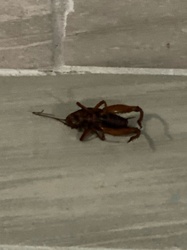
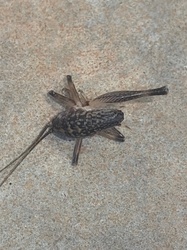
Cave Cricket identified by the community
Real finds identified with Bug Identifier.

Other bugs you may enjoy
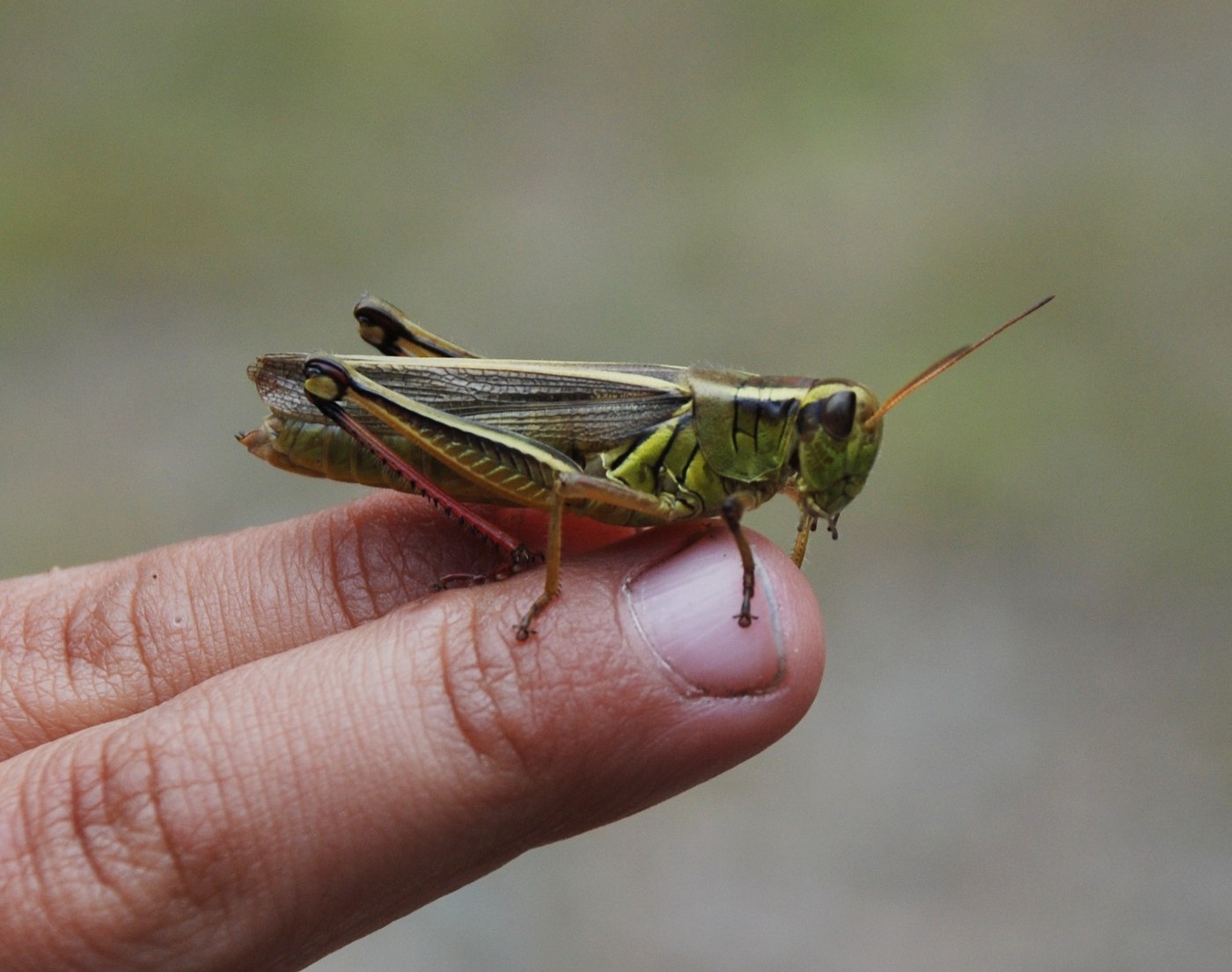
Two-striped Grasshopper
Meadows, pastures, riverbanks, and agricultural fields across North America
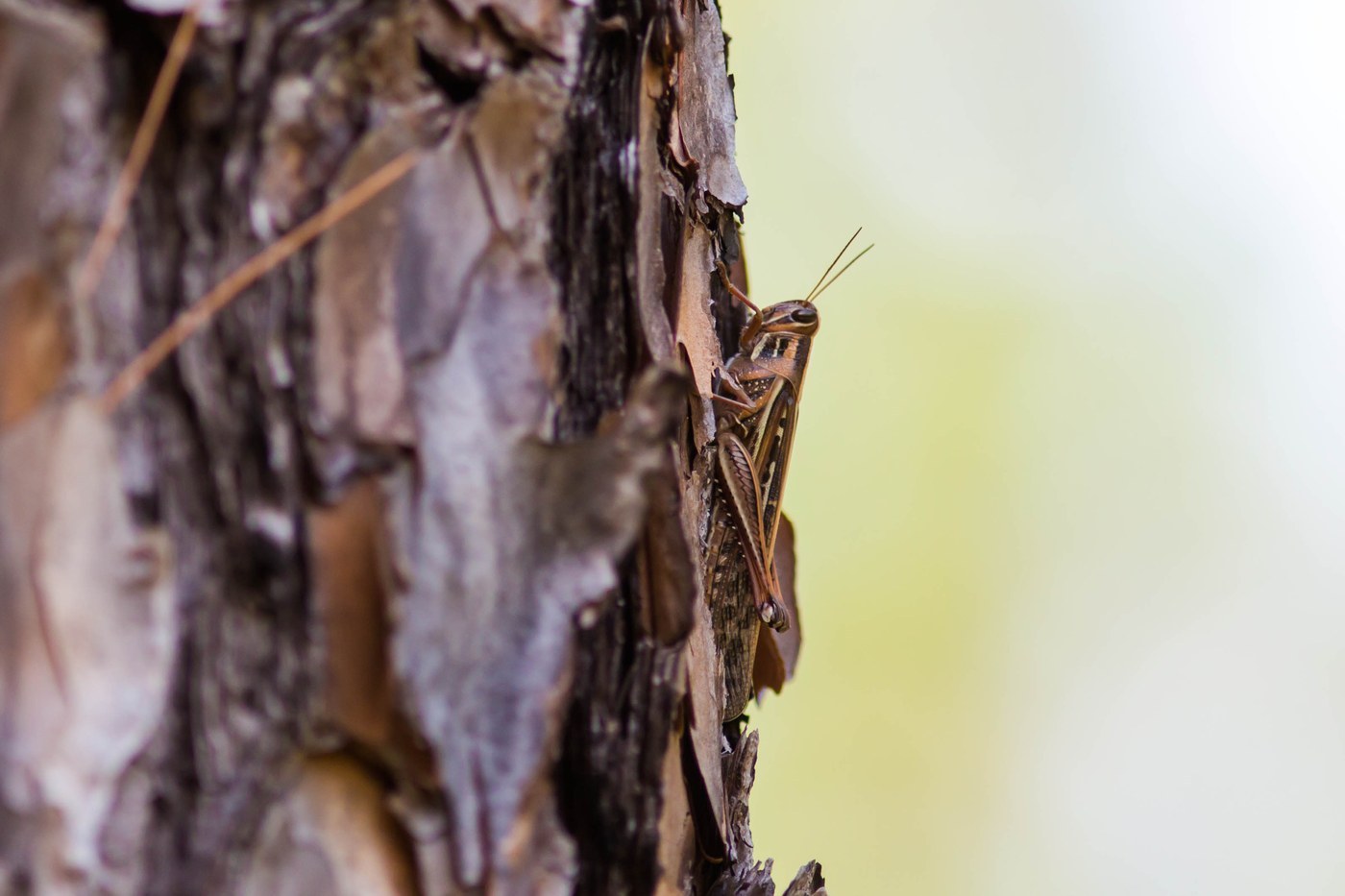
American Grasshopper
Woodland edges, citrus groves, gardens, and open fields across the southern and southeastern United States
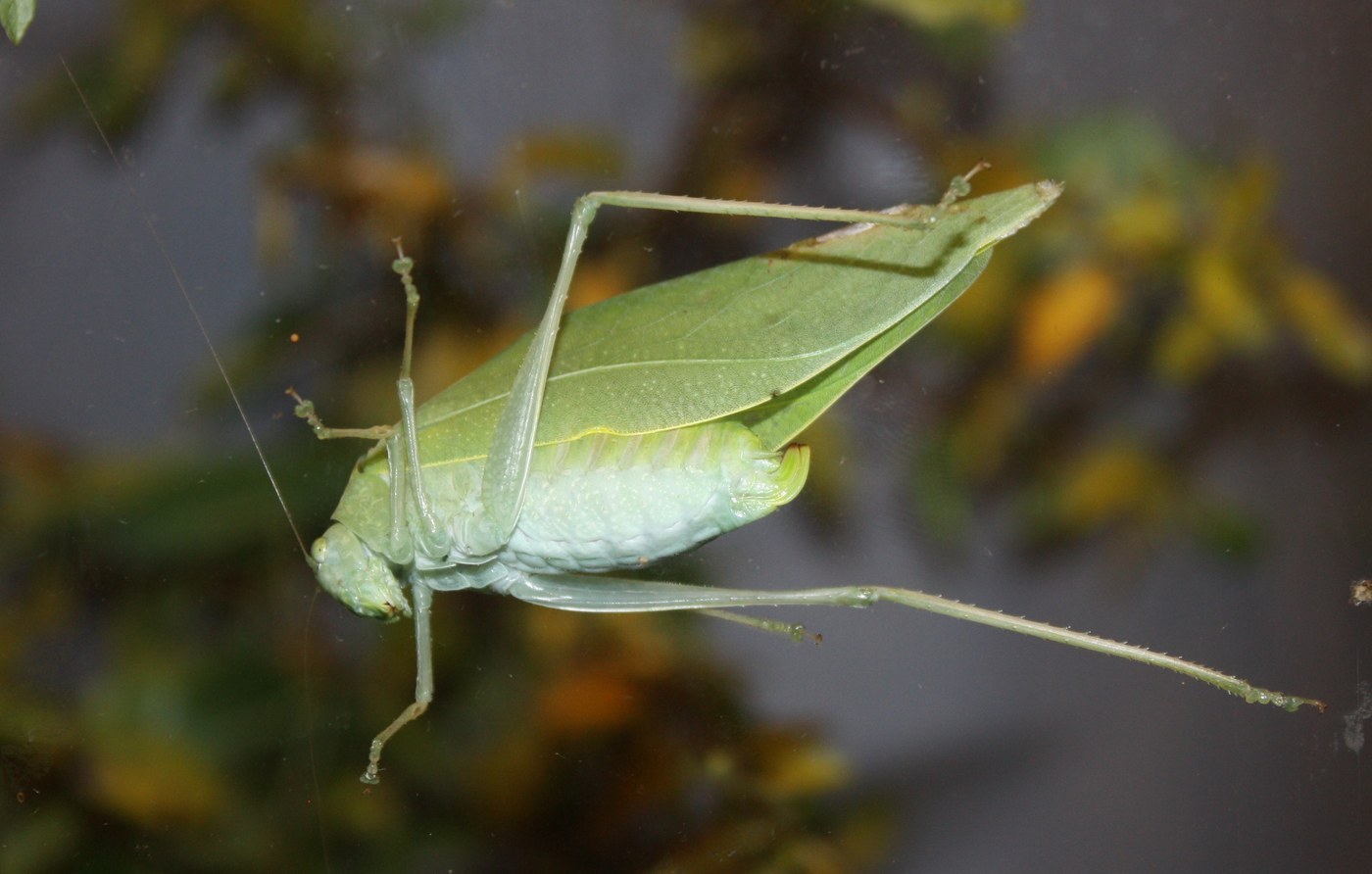
Angular-winged Katydid
deciduous trees, shrubs, and hedgerows across eastern and central North America
Spur-throated Grasshopper
grasslands, meadows, croplands, and roadsides across North America
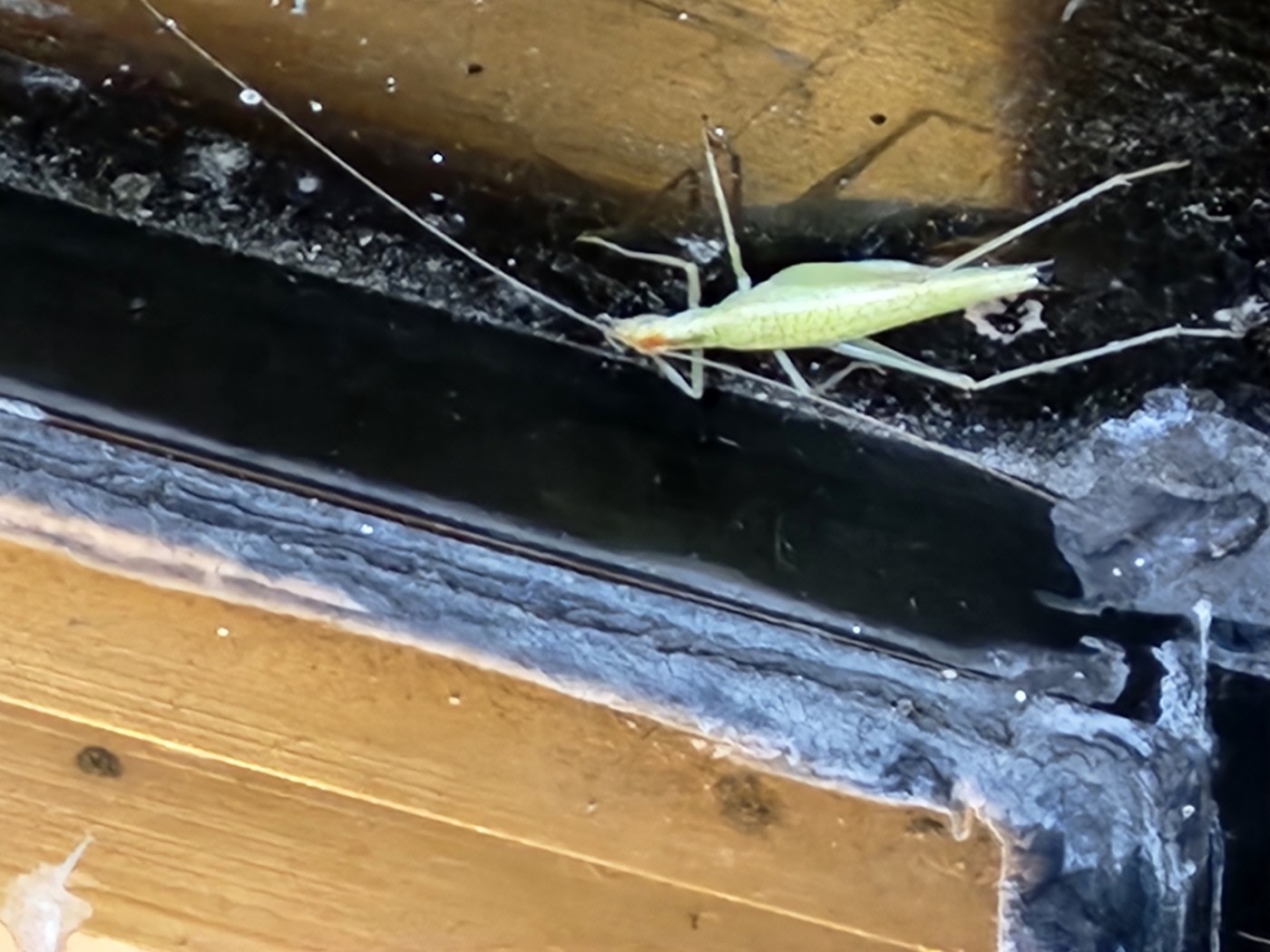
Snowy Tree Cricket
Shrubs, trees, and tall vegetation across North America
Rocky Mountain Locust
historically open grasslands and river valleys of the Rocky Mountains and Great Plains (now believed extinct)
Spotted Camel Cricket
damp caves, crawl spaces, basements, leaf litter, and rotting logs in eastern North America
Pygmy Grasshopper
damp soil, mud, and low vegetation near ponds, streams, and marshes
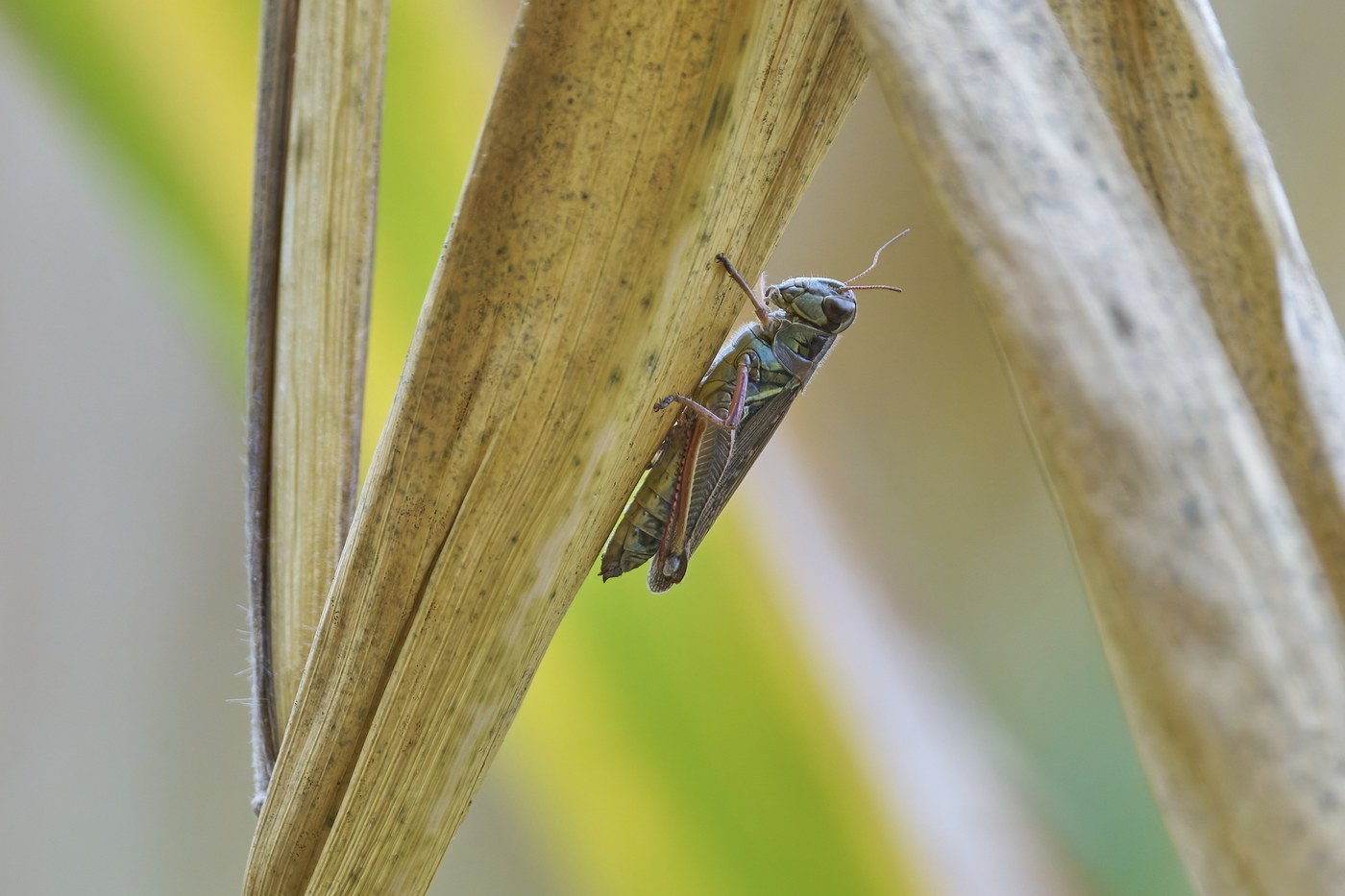
Red-legged Grasshopper
Meadows, pastures, field edges, and gardens across North America
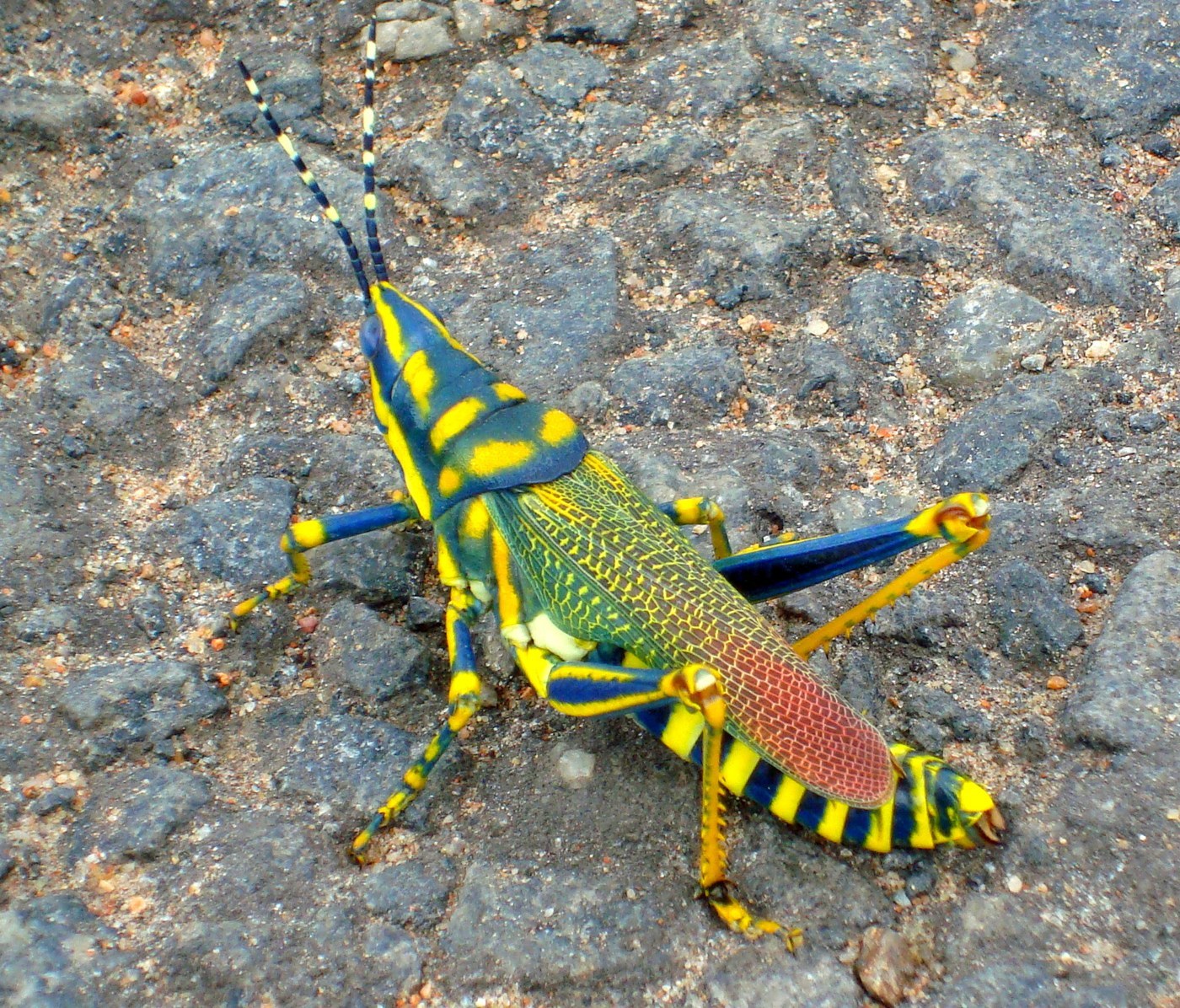
Painted Grasshopper
arid scrub, wastelands, and gardens of the Indian subcontinent, especially near milkweed plants
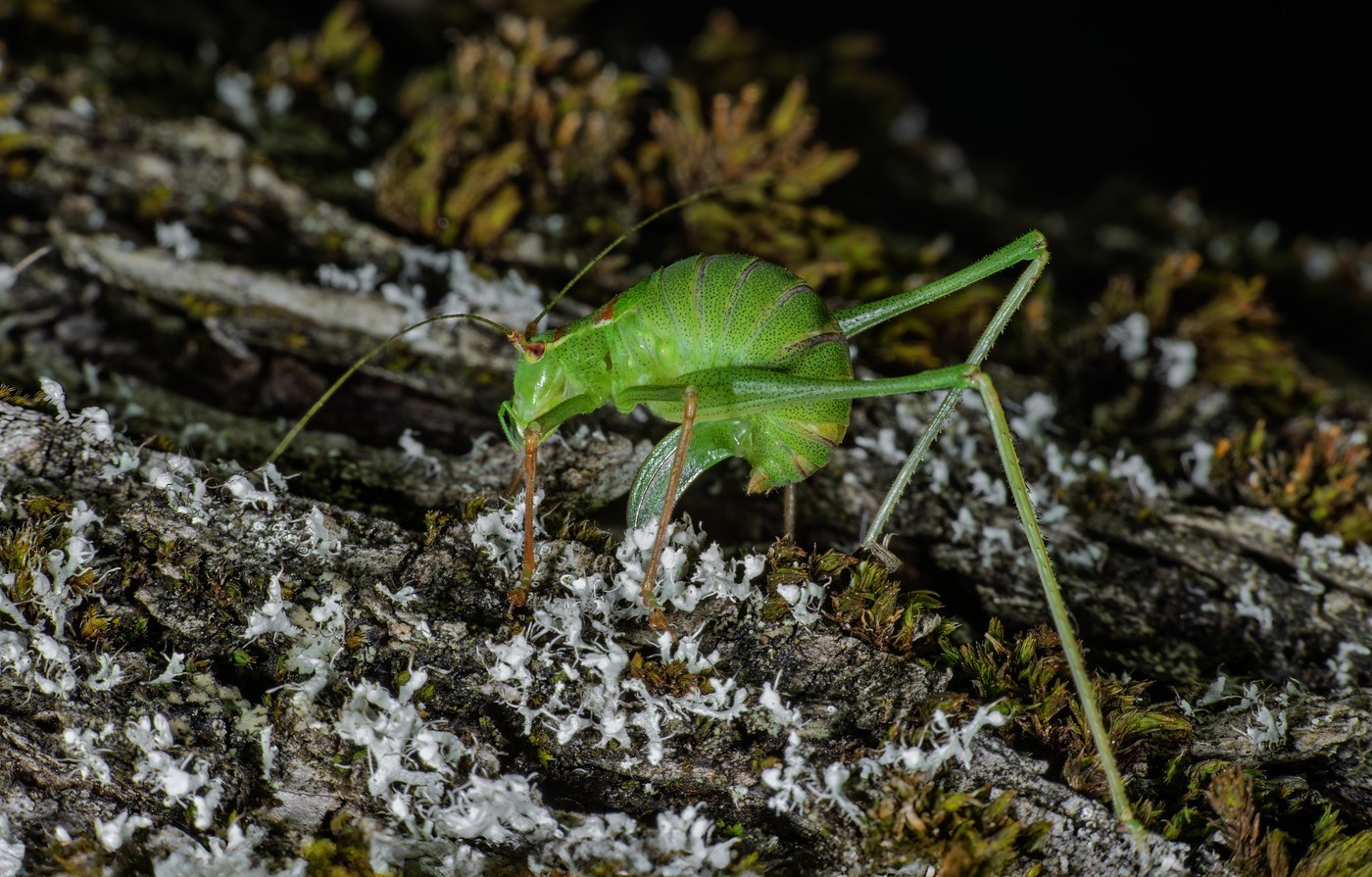
Speckled Bush Cricket
Brambles, hedgerows, nettles, and shrubby vegetation
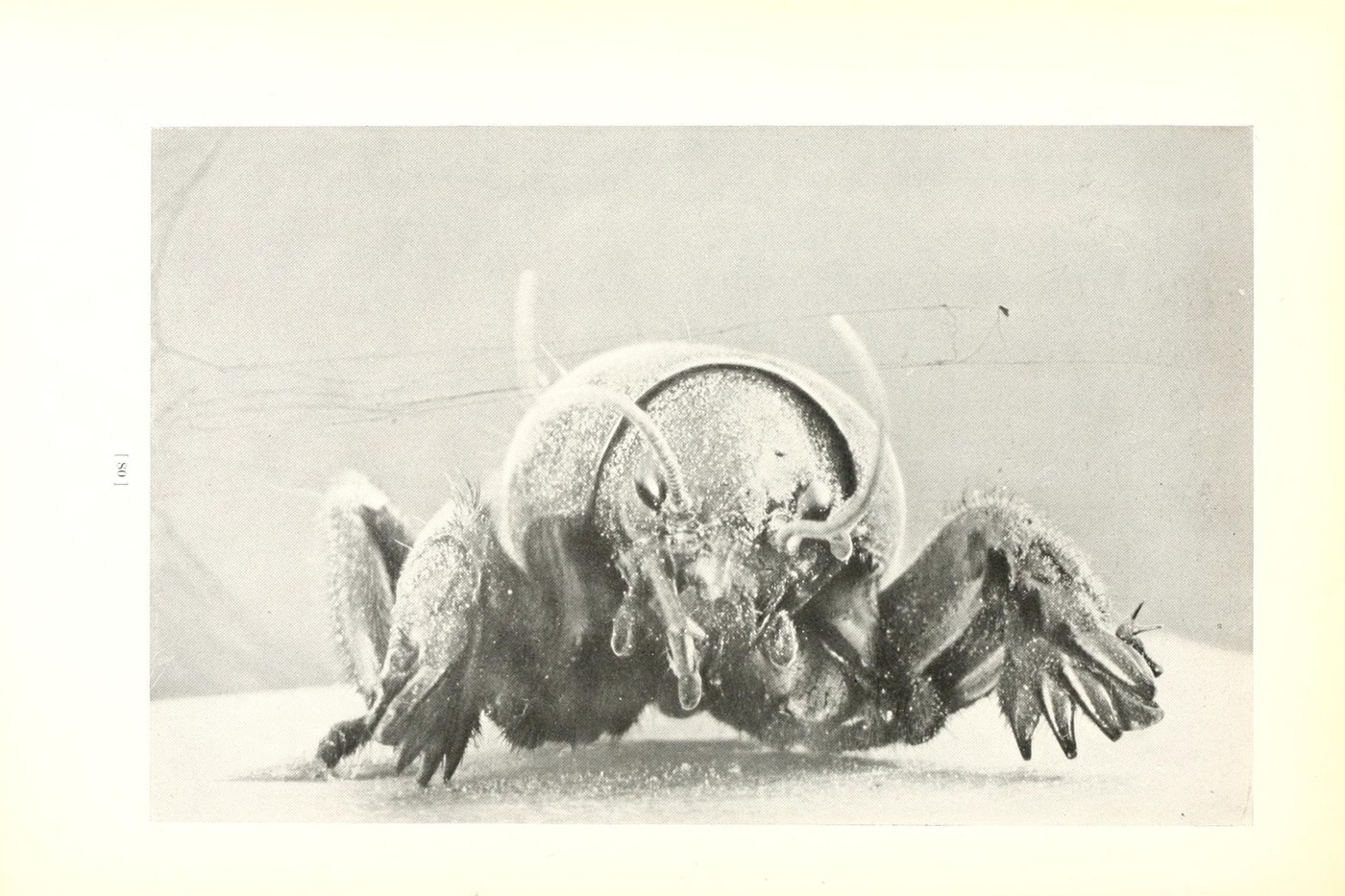
Northern Mole Cricket
wet soil, pond margins, and marshy ground across eastern and central North America