Fireflies Larvae Glowworm Identification Guide
Recognize the flattened, armored, glowing larval stage of fireflies often called glowworms.
Read the full Fireflies Larvae Glowworm encyclopedia entry →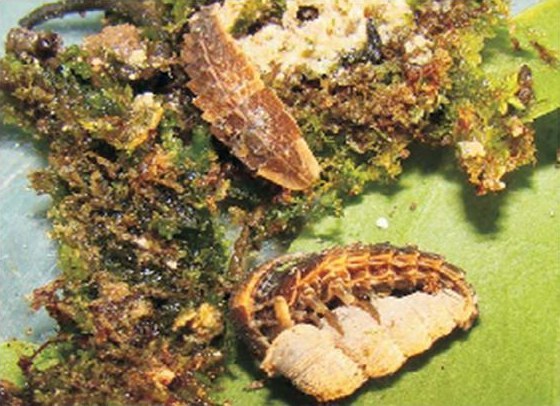
Key Visual Features
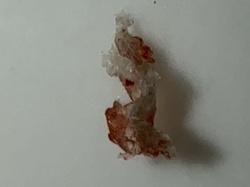
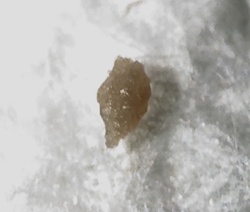
The firefly larva, commonly nicknamed a "glowworm," looks nothing like the winged adult beetle it will become. It is the immature stage of a firefly (family Lampyridae) and can be found crawling on soil and leaf litter rather than flying.
- Size: Ranges from about 1 to 2.5 centimeters long depending on species and age, growing larger with each molt.
- Body shape: Elongated, flattened, and segmented, giving it an armored, plated appearance similar to a tiny alligator or trilobite.
- Color: Typically dark brown, gray, or black, sometimes with pale or orange markings along the sides of each segment.
- Legs: Six short legs clustered near the head end; no wings at this stage.
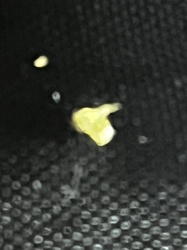
- Light organ: A small light-producing organ near the rear of the abdomen that can glow a soft, steady greenish light, especially when the larva is disturbed.
- Head: Small and often retractable into the first body segment, with short antennae and sickle-shaped mouthparts.
Where and When You'd See Them
Firefly larvae live in damp soil, leaf litter, under bark, and along the edges of ponds and streams, where their prey is abundant. Unlike the adult beetles, which are seen flashing in open air at dusk in summer, larvae are active mostly at night year-round in milder climates, or during warm months elsewhere, and are usually found by turning over logs, bark, or leaf litter rather than in flight.
Similar-Looking Bugs
- Adult fireflies: Have wings, a soft-bodied beetle shape, and a shield-like pronotum covering the head — very different from the flattened, wingless larva.
- Millipedes: Also elongated and segmented but have many more legs (two pairs per segment) and lack a glowing light organ.
- Ground beetle larvae: Similarly flattened and armored but generally lack any bioluminescence and have longer, more prominent pincer-like mouthparts.
- Centipede larvae: Move faster, have one pair of legs per segment, and long antennae, but no glow.
Quick ID Checklist
- Flattened, segmented, armor-plated body, 1–2.5 cm long
- Dark brown, gray, or black with pale side markings
- Six legs near the head; no wings
- Small glowing organ near the tail end, visible at night
- Found in soil, leaf litter, and under bark rather than flying
Frequently asked questions
Is a glowworm a different species from a firefly?
No — in most regions, a glowworm is simply the larval (immature) stage of a firefly, the winged beetle it later becomes.
Do all firefly larvae glow?
Most species have some light-producing ability as larvae, though the glow can be faint and is easiest to see in complete darkness.
How do I tell a firefly larva from a millipede?
Count the legs per segment: a firefly larva has six legs total near the head, while a millipede has many legs, two pairs on most body segments.
Where is the best place to look for firefly larvae?
Check damp soil, leaf litter, and the underside of logs or loose bark, particularly near gardens, woodlands, or the edges of ponds.
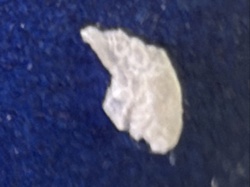
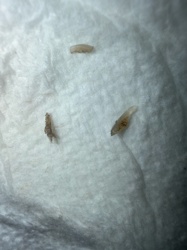
Fireflies Larvae Glowworm identified by the community
Recent Fireflies Larvae Glowworm finds identified with Bug Identifier.