
Fireflies Larvae Glowworm
Family Lampyridae (larval stage)
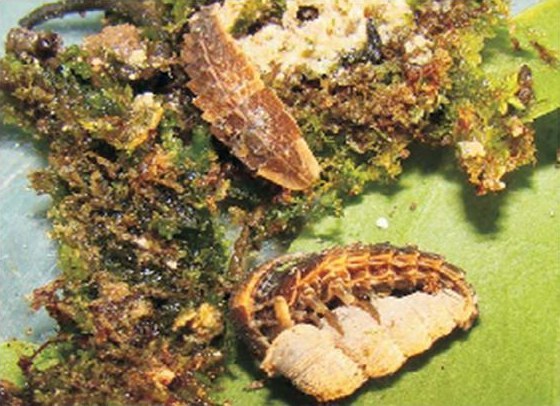
The larval form of fireflies, often called glowworms, are flattened, segmented crawlers that glow with a steady greenish light. These little predators hunt slugs, snails, and worms in damp ground.
- Size
- Larva up to 2-3 cm
- Habitat
- Moist soil, leaf litter, and vegetation
- Danger
- Harmless
Spotted a bug like this?
Identify any bug or insect from a photo, free.
Overview
The term glowworm often refers to the luminous larvae of fireflies, beetles of the family Lampyridae, as well as the flightless glowing females of some species. Unlike the flashing adult fireflies of summer nights, larval glowworms produce a more constant glow from light organs near the rear of the body.
These larvae are elongated and flattened, with overlapping plates along the back that give them an armored, segmented look. They live in moist environments such as leaf litter, rotting wood, and damp soil, where they hunt soft-bodied prey.
Firefly larvae are voracious predators, specializing in slugs, snails, and earthworms. Their bioluminescence is thought to serve as a warning to predators that they contain distasteful defensive chemicals, a signal that carries over into the flashing displays of the adults.
How to Identify
Look for these features:
- Elongated, flattened body up to about 2-3 cm long
- Overlapping segmented plates along the back, giving an armored look
- A steady greenish glow from light organs near the tail
- Small head that can retract under the first body segment
- Found crawling in damp litter or on the ground at night
Lookalikes include some other beetle larvae, but the flattened plated body combined with a steady glow is distinctive of firefly larvae.
Habitat & Range
Firefly larvae live in moist habitats worldwide where fireflies occur, including forest floors, meadows, streamsides, marsh edges, and gardens. They favor damp leaf litter, rotting wood, and soft soil rich in their prey. They are most often noticed glowing on humid nights during warm months.
Behavior & Diet
Firefly larvae are active predators that track slugs, snails, and earthworms, subduing prey and feeding on it. Their glow is thought to warn nocturnal predators of unpalatable defensive compounds. By preying on snails and slugs, they help regulate populations of these soft-bodied animals and form part of the soil and litter food web.
Life Cycle
Fireflies undergo complete metamorphosis, and the glowworm is the larval stage. Eggs, which may themselves glow faintly, are laid in moist soil or litter. The predatory larvae feed and grow over one or more seasons, sometimes overwintering, and pass through several molts. They then pupate in soil or under bark and emerge as adult fireflies, which in many species produce the familiar flashing courtship signals.
Frequently asked questions
Is a glowworm the same as a firefly?
Often yes; glowworm usually refers to the larva of a firefly, or to the glowing flightless female of some firefly species.
Why do the larvae glow?
Their steady glow is thought to warn predators that they contain distasteful defensive chemicals.
What do firefly larvae eat?
They are predators of slugs, snails, and earthworms in damp soil and leaf litter.
How long do they stay larvae?
Firefly larvae can take one or more seasons to develop, often overwintering before pupating into adults.
Fireflies Larvae Glowworm guides
In-depth guides for identifying, understanding, and living alongside Fireflies Larvae Glowworm.
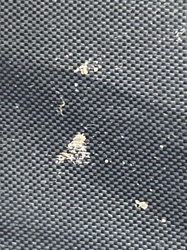
Fireflies Larvae Glowworm identified by the community
Real finds identified with Bug Identifier.
Other bugs you may enjoy
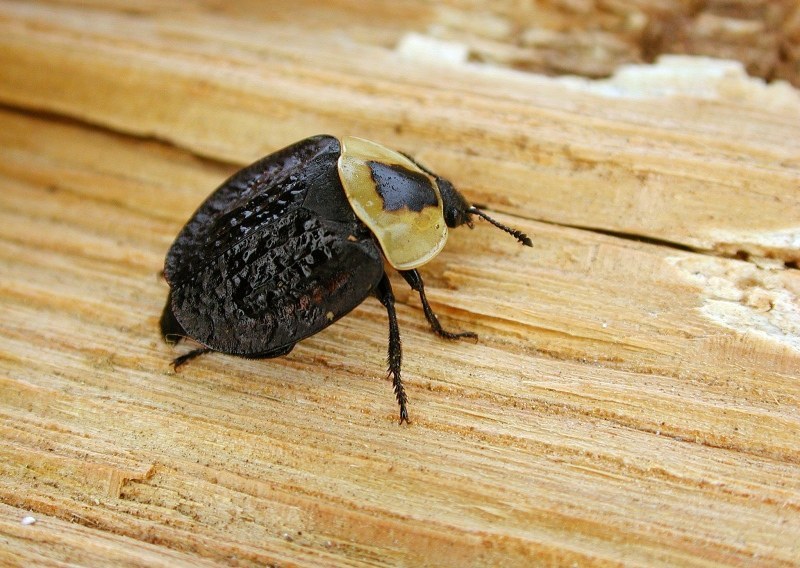
American Carrion Beetle
Forests, fields, and roadsides across North America, near decaying animal carcasses
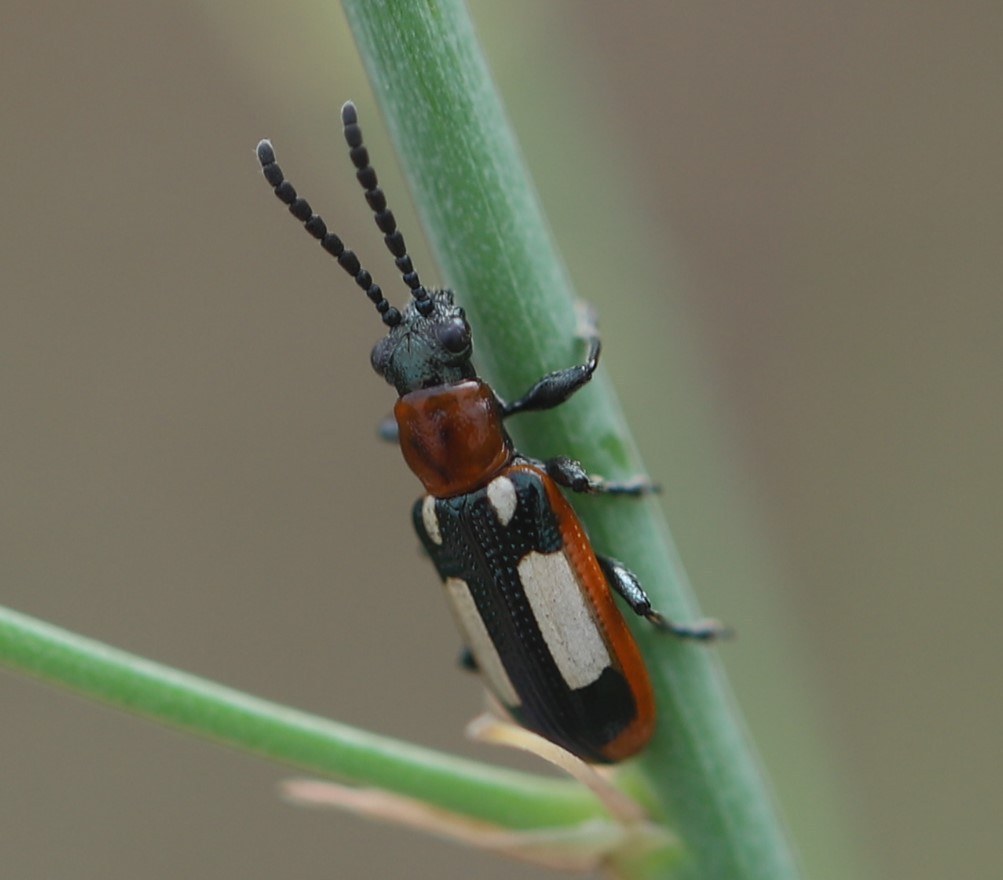
Asparagus Beetle
Asparagus patches, gardens, and farm fields
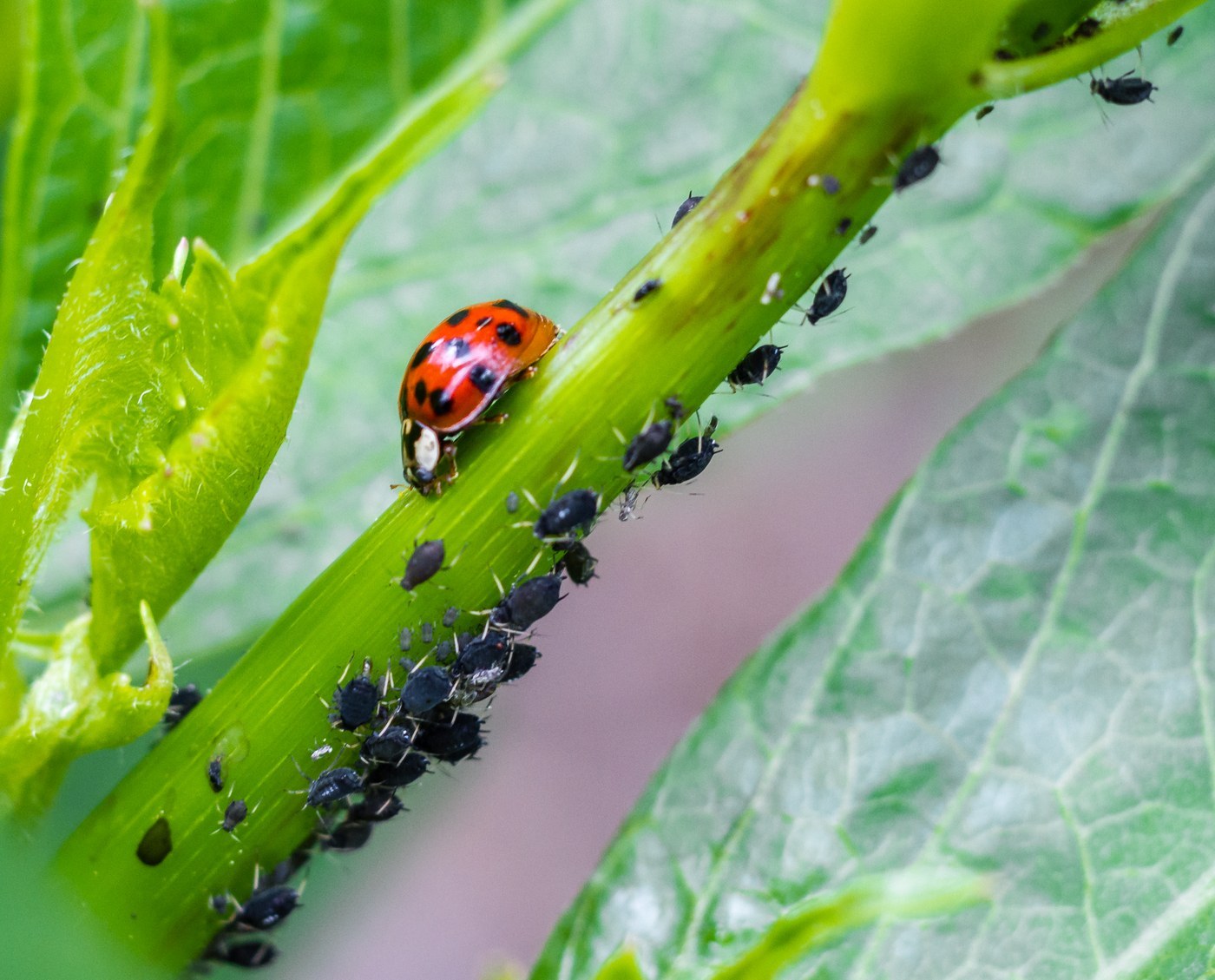
Asian Lady Beetle
Gardens, crop fields, woodlands, buildings
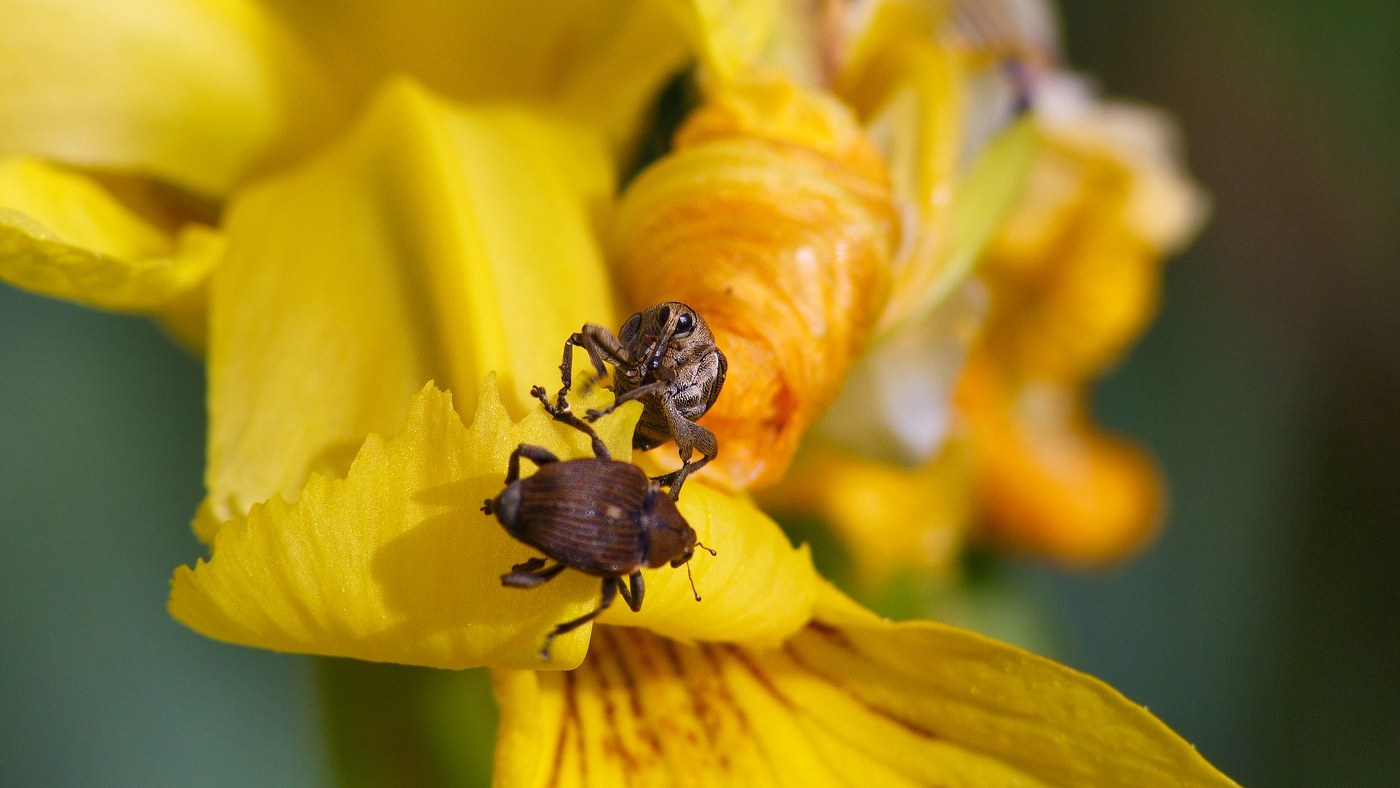
Acorn Weevil
Oak woodlands and forests, on and beneath oak trees
Wireworm
Soil of grasslands, gardens, and cultivated fields worldwide
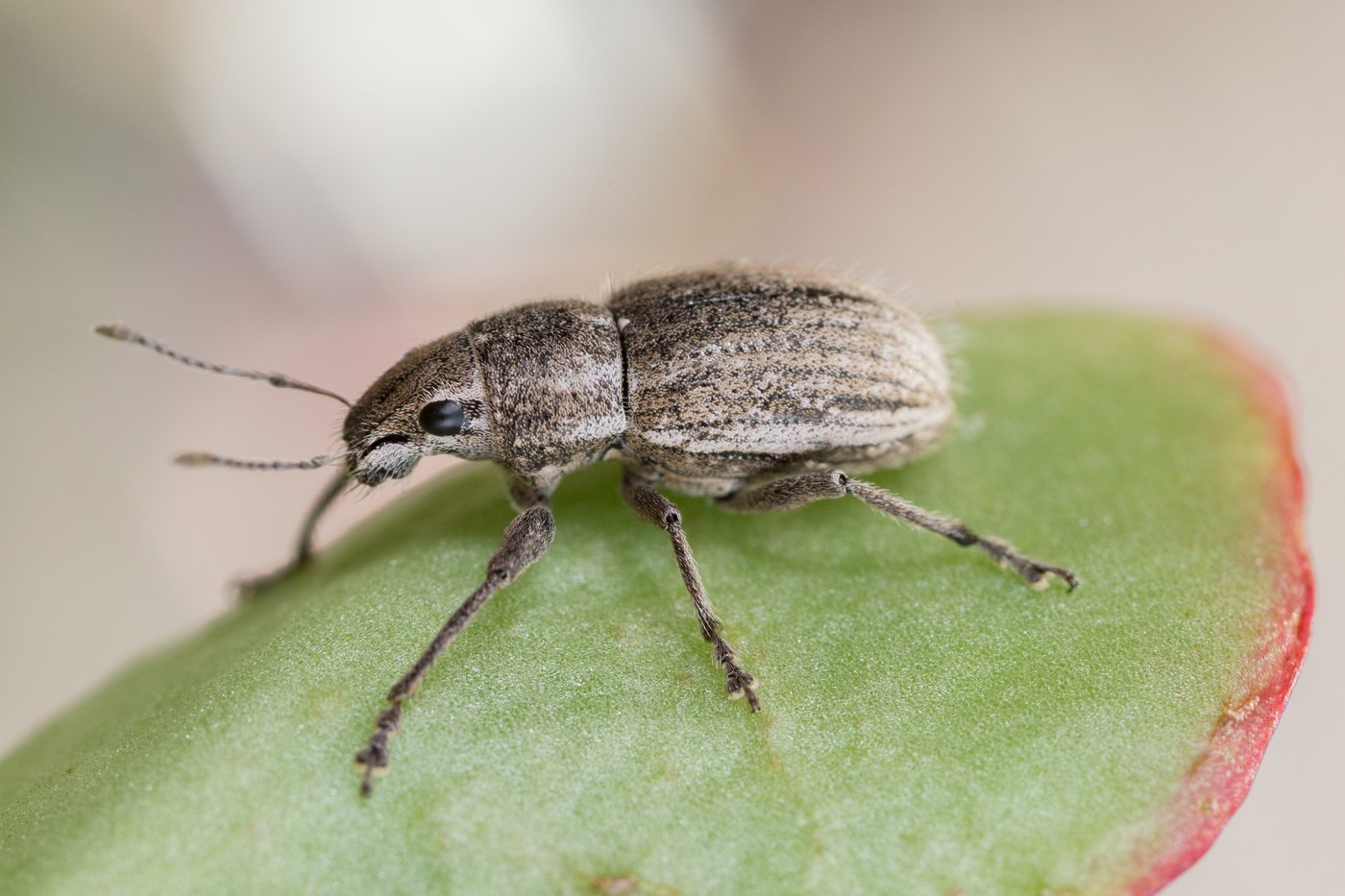
Whitefringed Beetle
Pastures, row crops, lawns, disturbed soils
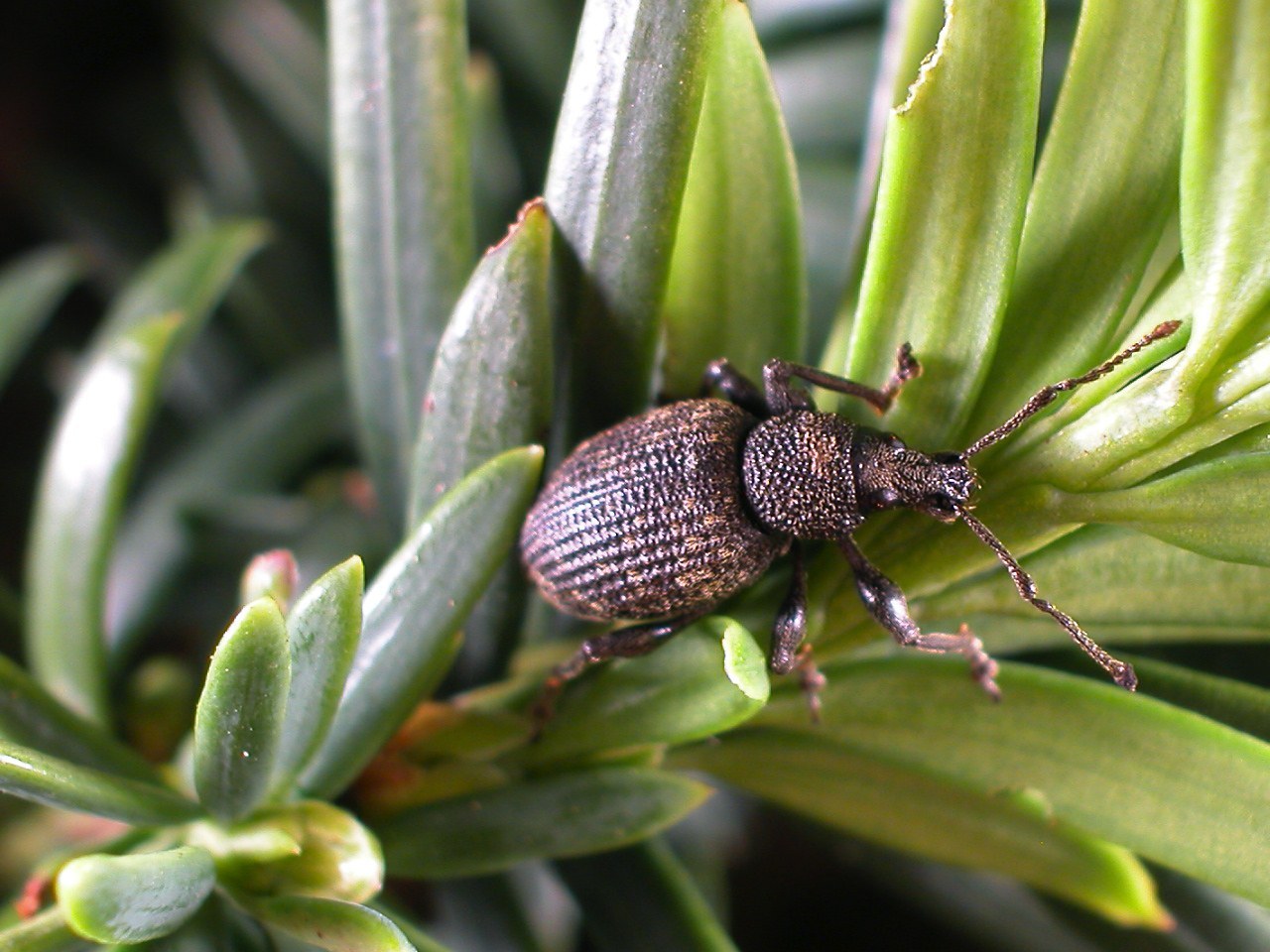
Vine Weevil
Gardens, nurseries, greenhouses, and container plantings
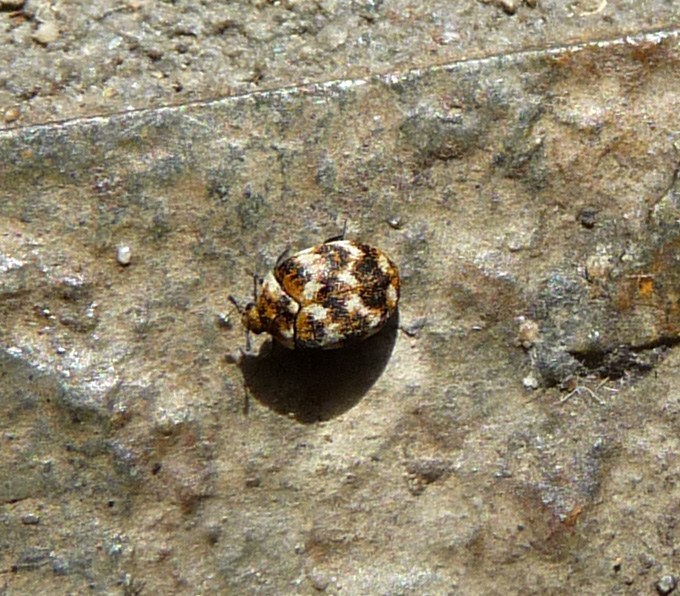
Varied Carpet Beetle
Homes, nests of birds and mammals, and flowers outdoors
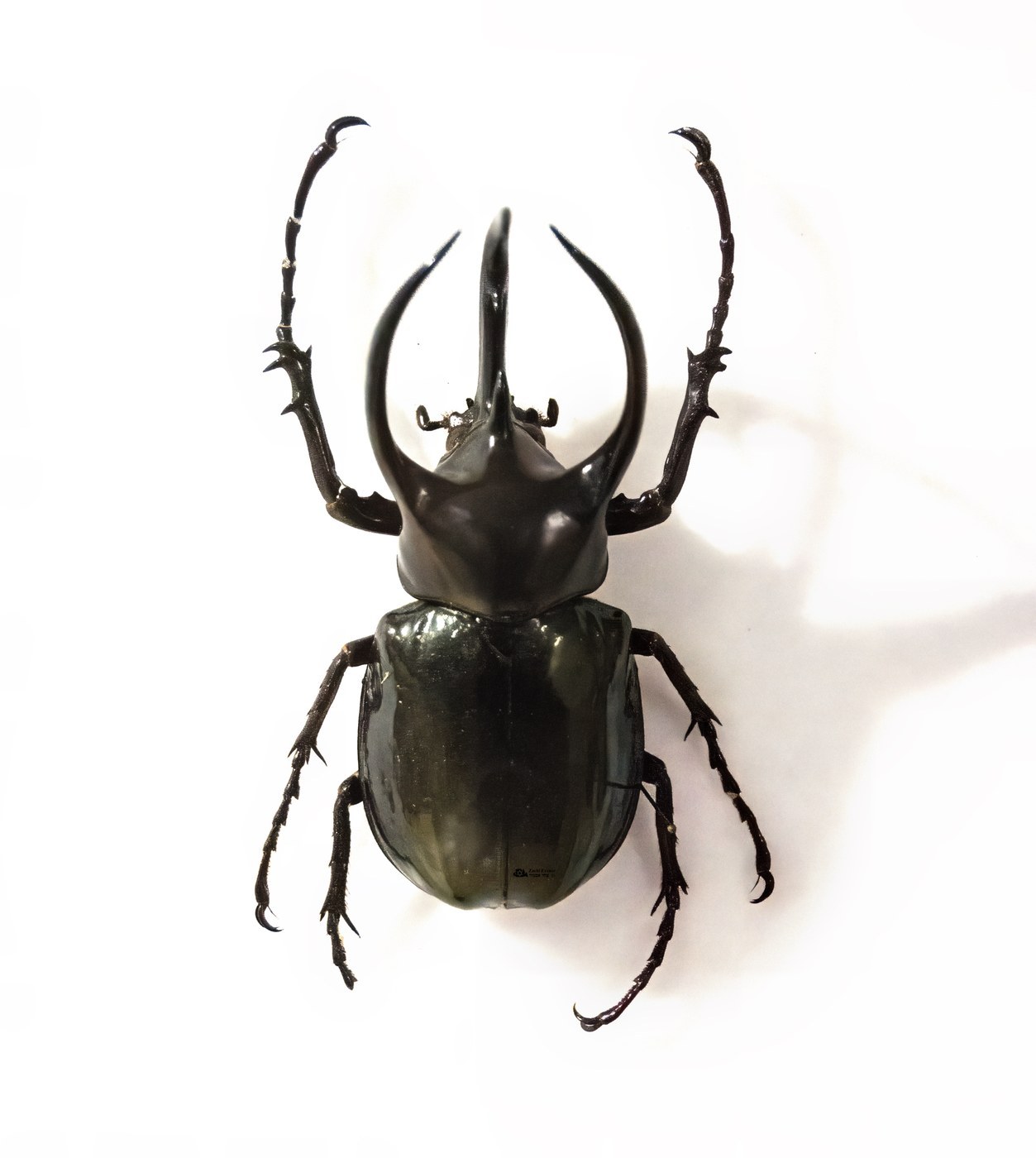
Atlas Beetle
Tropical forests of Southeast Asia
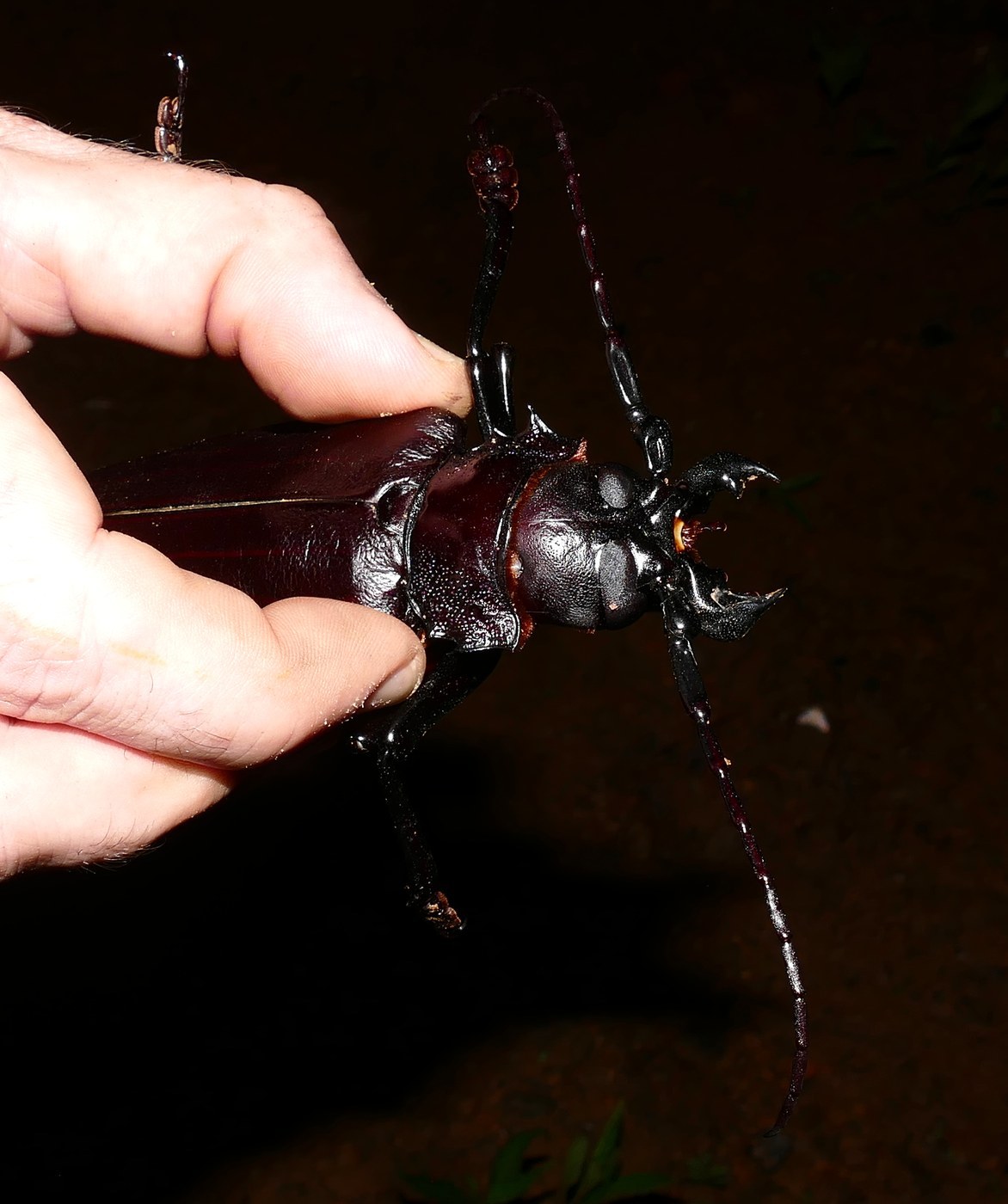
Titan Beetle
Amazon rainforest of South America
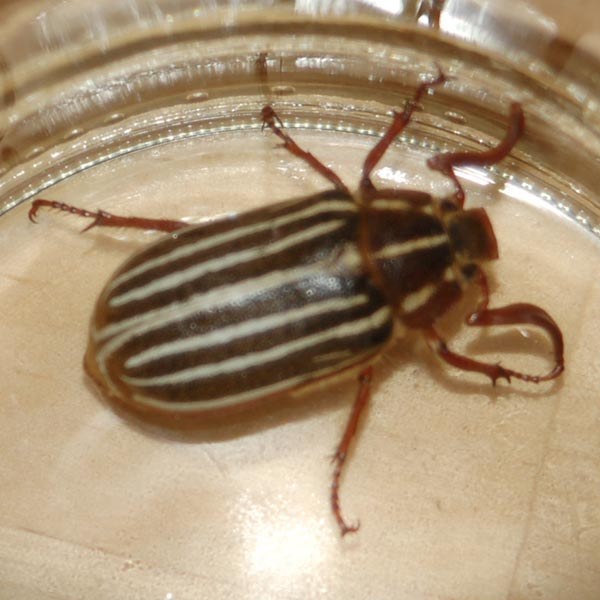
Ten-lined June Beetle
Sandy soils, pine forests, and orchards of western North America
Squash Beetle
Vegetable gardens and fields growing squash, pumpkin, and other cucurbits