Green Lacewing Identification Guide
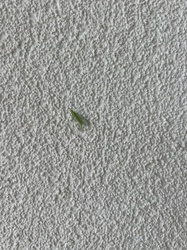
A delicate pale-green insect with lacy, transparent wings, often seen fluttering near porch lights on summer nights.
Read the full Green Lacewing encyclopedia entry →Key Visual Features
The Green Lacewing is a small, delicate insect, typically about 0.5 to 0.75 inches (12 to 20 mm) in body length, easily recognized by its fine, netted wings.
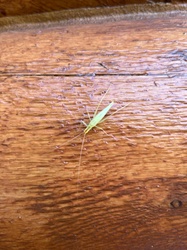
- Color: The body is generally pale green to yellow-green, sometimes with a faint golden or bronze sheen, and the wings share a very light green or clear-green tint.
- Wings: Two pairs of large, membranous wings held roof-like over the body at rest, each crossed by a fine, lace-like network of veins that gives the group its common name. The wings are often slightly longer than the body.
- Eyes: Large, prominent, often coppery or golden-colored compound eyes that can appear almost metallic in certain light.
- Antennae: Long, thin, thread-like antennae extending forward from the head, often as long as or longer than the body.
- Legs and body shape: Slender legs and a soft, elongated body with a somewhat weak, fluttery flight style.
Where and When You'd See It
Green Lacewings are found in gardens, meadows, woodland edges, and agricultural areas across most of North America, wherever small soft-bodied insects (their typical prey as both larvae and adults of many species) are present on plants. They are active from spring through fall in most regions and are frequently drawn to outdoor lights at night, making porch lights and windows a common place to spot them after dark. During the day, adults tend to rest quietly on the undersides of leaves.
Similar-Looking Species
- Brown Lacewing: Smaller overall, with a brown or tan body and wings rather than green, and generally less delicate-looking veining.
- Antlions (adult form): Some adult antlions have a superficially similar lacy-winged look, but they usually have longer, more club-tipped or hooked antennae and a more elongated body.
- Mayflies: Share a delicate look but hold their wings upright rather than roof-like, and have long tail filaments that lacewings lack.
The combination of pale green coloring, lacy wing venation, long thread-like antennae, and golden eyes is usually enough to separate the Green Lacewing from these look-alikes.
Quick ID Checklist
- Pale green body with a light greenish tint to the wings
- Wings held roof-like over the body, densely netted with fine veins
- Long, thread-like antennae
- Prominent golden or coppery eyes
- Often seen at outdoor lights after dark or resting on leaf undersides by day
Frequently asked questions
Why do Green Lacewings show up at porch lights at night?
Like many night-flying insects, adult Green Lacewings are attracted to artificial light sources, so they are commonly spotted fluttering around porch lights, windows, and other outdoor lighting after dusk.
How can I tell a Green Lacewing from a Brown Lacewing?
The most obvious difference is color. Green Lacewings have a pale green body and wings, while Brown Lacewings are smaller and colored in brown or tan tones.
What is distinctive about a lacewing's wings?
Lacewing wings are large, membranous, and crossed with a fine network of veins that creates a lace-like pattern, which is where the common name comes from.
Do Green Lacewings fly strongly or weakly?
They tend to have a soft, somewhat weak and fluttery flight style rather than fast, direct flight, which can help distinguish them in the air from sturdier-flying insects.
Green Lacewing identified by the community
Recent Green Lacewing finds identified with Bug Identifier.