Ground Beetle Identification Guide
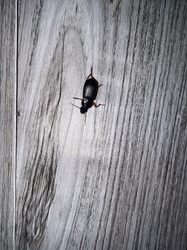
Recognize the shiny, fast-running ground beetle by its ridged wing covers and long running legs.
Read the full Ground Beetle encyclopedia entry →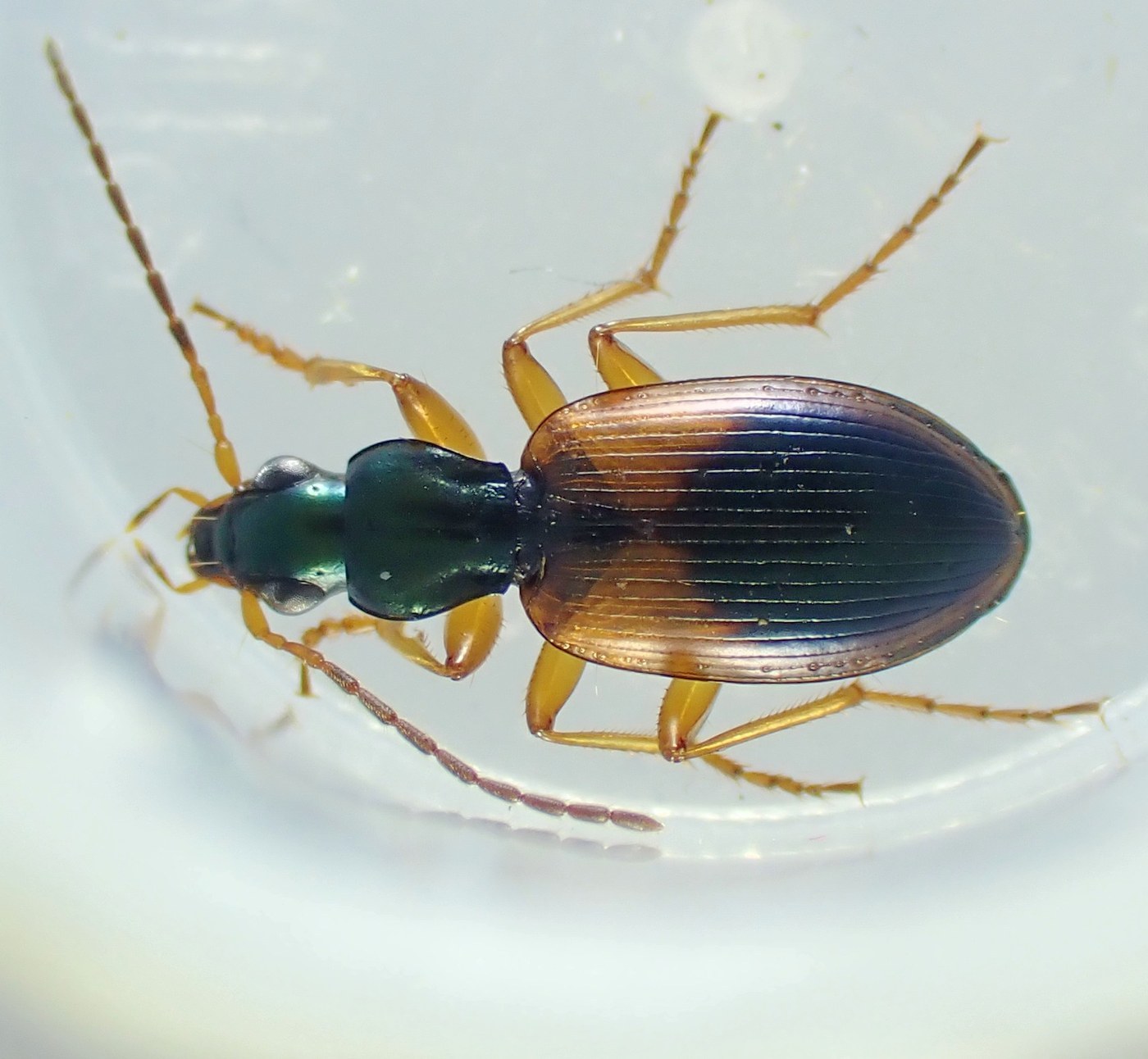
Key Visual Features
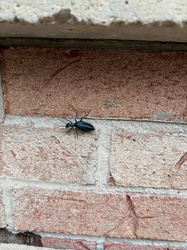
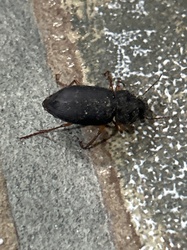
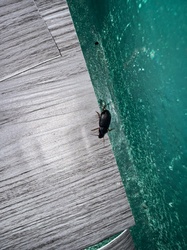
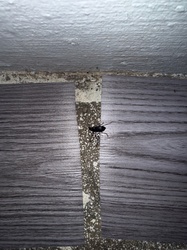
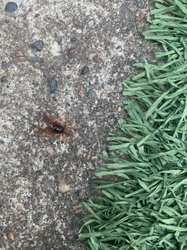
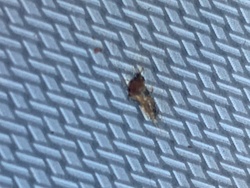
Ground beetles (family Carabidae) are a huge and varied group, but most share a recognizable body plan: an elongated oval shape, a hardened pair of wing covers (elytra) often marked with fine parallel grooves or ridges, and long, slender, spiny legs built for fast running rather than jumping. Size ranges widely from about 1/4 inch to over an inch depending on species. Many are shiny black, but a good number show metallic blue, green, purple, or bronze sheens in bright light. The head bears prominent, often sickle-shaped mandibles used for grasping prey, along with long, thread-like antennae. The pronotum (segment behind the head) is typically narrower than the wing covers, giving the body a slightly "waisted" outline.
Where and When You'll See It
Ground beetles are largely nocturnal and spend daylight hours hidden under rocks, logs, bark, leaf litter, mulch, or garden debris. Flip over a stone or log in a garden, woodland, or field and you'll often find one scurrying for new cover. They're active from spring through fall in temperate climates, with peak activity on warm, humid nights. Many species are strong, fast runners on the ground and rarely fly, though some do have functional wings beneath the elytra.
Similar-Looking Bugs
- Darkling beetles: Similarly dark and oval, but with a duller, less glossy surface and a more rounded, humped body shape.
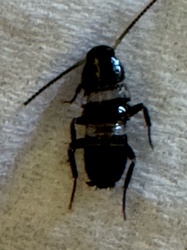
- Cockroaches: Flatter overall, with longer, more flexible antennae and a distinctly different leg posture (splayed to the sides rather than tucked for running).
- Stink bugs: Shield-shaped with a triangular scutellum on the back, quite different from the elongated, parallel-sided ground beetle body.
- Rove beetles: Have short wing covers that leave much of the abdomen exposed, unlike the ground beetle's fully covered abdomen.
Quick ID Checklist
- Elongated oval body with hardened, ridged or grooved wing covers
- Long, spiny legs adapted for fast running
- Shiny black or metallic (blue, green, bronze) sheen
- Prominent mandibles and long thread-like antennae
- Found hiding under rocks, logs, or leaf litter by day, active at night
Frequently asked questions
Why are ground beetles so hard to catch?
Their long, spiny legs are built for speed, allowing them to sprint away quickly across the ground the moment their cover is disturbed.
Do all ground beetles have the same color?
No, while many are matte or shiny black, plenty of species show iridescent blue, green, or bronze tones on their wing covers.
Where is the best place to look for a ground beetle?
Check under rocks, logs, bark, mulch, and leaf litter during the day, since most species hide from light and become active after dark.
How can I tell a ground beetle from a cockroach?
Ground beetles have hardened, ridged wing covers and running legs tucked more directly beneath the body, while cockroaches are flatter with longer flexible antennae and legs splayed outward.
Ground Beetle identified by the community
Recent Ground Beetle finds identified with Bug Identifier.