
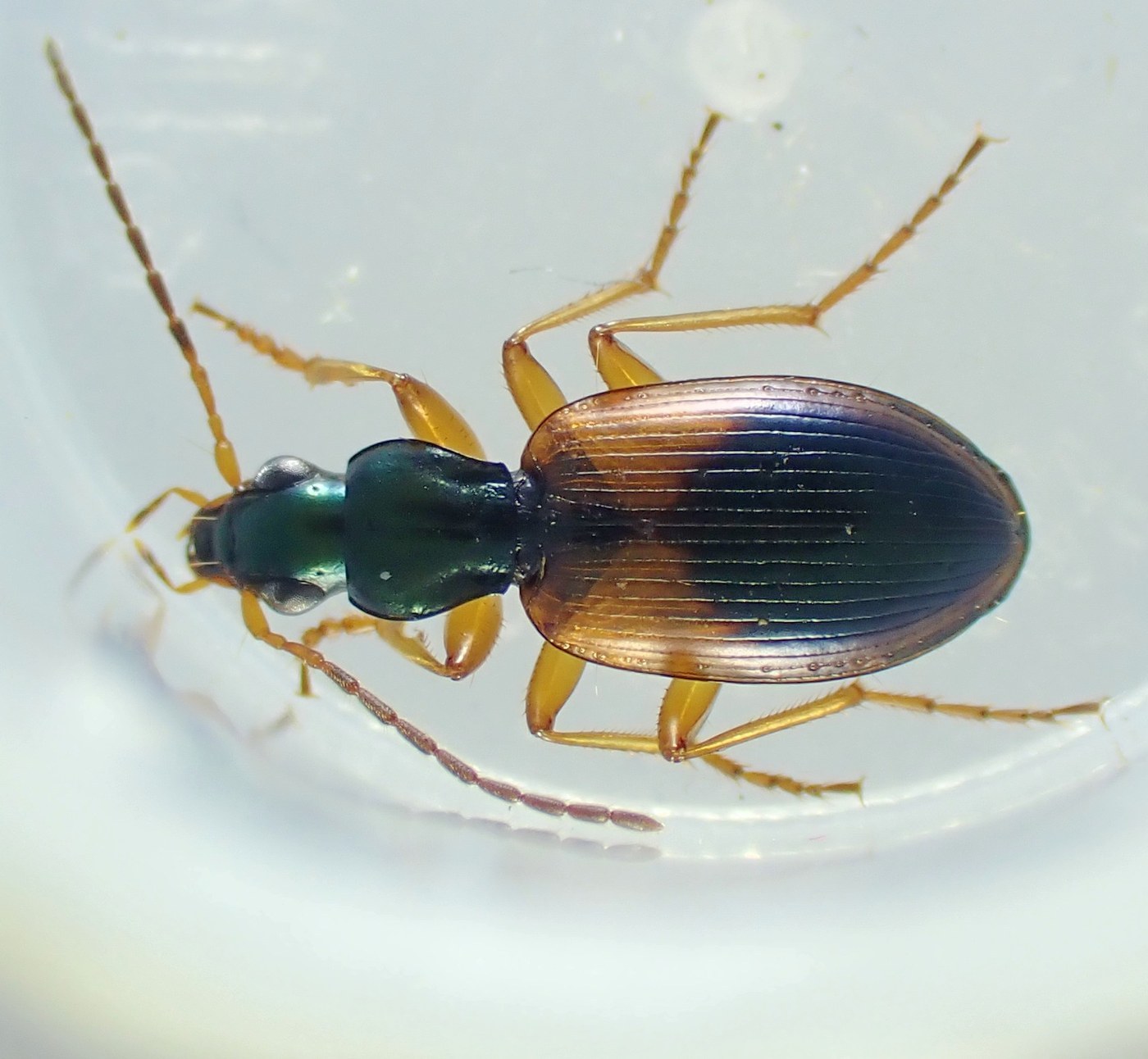
Ground Beetle
Carabidae spp.
A fast-moving, shiny black or metallic beetle with long legs and prominent jaws, usually found scurrying under rocks and debris where it hunts other small invertebrates.
- Size
- 5–35 mm
- Habitat
- Under rocks, logs, leaf litter, and garden soil
- Danger
- Bites
Spotted a bug like this?
Identify any bug or insect from a photo, free.
Overview
Ground beetles make up the family Carabidae, one of the largest beetle families in the world with more than 40,000 described species, order Coleoptera. They are found on every continent except Antarctica.
The family is notable for its ecological role as generalist ground-dwelling predators, helping to naturally regulate populations of caterpillars, slugs, and other invertebrates in gardens, fields, and forests. A well-known subgroup, the bombardier beetles, is famous for its defensive chemical spray.
Most species are largely nocturnal and secretive, spending daylight hours hidden beneath surface debris, which makes them a familiar find when turning over rocks or logs.
How to Identify
- Elongated, somewhat flattened body with long, slender legs built for running
- Prominent, sickle-shaped mandibles
- Often shiny black, dark brown, or metallic blue, green, or bronze
- Ridged or pitted wing covers (elytra); threadlike antennae
- Body length ranges widely from about 5–35 mm depending on species; distinguished from rove beetles and click beetles by the combination of long running legs, large visible mandibles, and grooved elytra
Habitat & Range
Found worldwide in nearly every terrestrial habitat, from gardens and fields to forests and stream banks. Most species are nocturnal, spending daylight hours hidden under rocks, logs, bark, or leaf litter, and becoming active after dark.
Behavior & Diet
Primarily predatory, hunting caterpillars, slugs, snails, other insects, and invertebrate eggs on the ground surface. Fast runners that rely on speed to catch prey and evade threats. Some species can bite defensively if handled, and a well-known subset — bombardier beetles — can eject a hot, defensive chemical spray from the abdomen. Widely considered beneficial predators within garden and agricultural ecosystems.
Life Cycle
Complete metamorphosis. Eggs are laid in soil; larvae are elongated, dark, and predatory like the adults, with the larval stage typically lasting weeks to months depending on species. Pupation occurs in the soil. Most species produce one generation per year, with adults overwintering in sheltered ground sites.
Frequently asked questions
Are ground beetles harmful to gardens?
No, most are beneficial predators that feed on pest insects, slugs, and snails.
Why do ground beetles run so fast?
Their long legs are adapted for quickly pursuing prey and rapidly escaping predators.
What is a bombardier beetle?
A type of ground beetle known for ejecting a hot, defensive chemical spray from its abdomen when threatened.
Where can I find ground beetles?
Under rocks, logs, mulch, and leaf litter, especially at night when they are most active.
Ground Beetle guides
In-depth guides for identifying, understanding, and living alongside Ground Beetle.
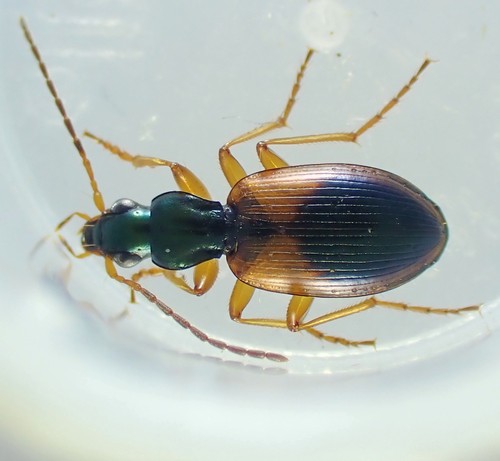
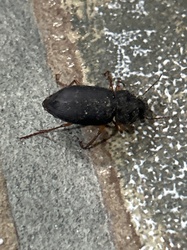
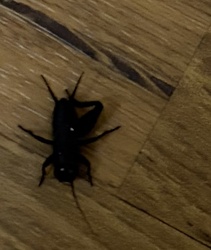
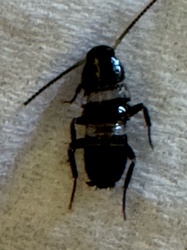
Ground Beetle identified by the community
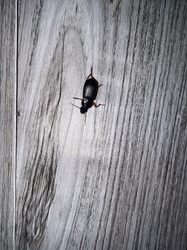
Real finds identified with Bug Identifier.

Other bugs you may enjoy
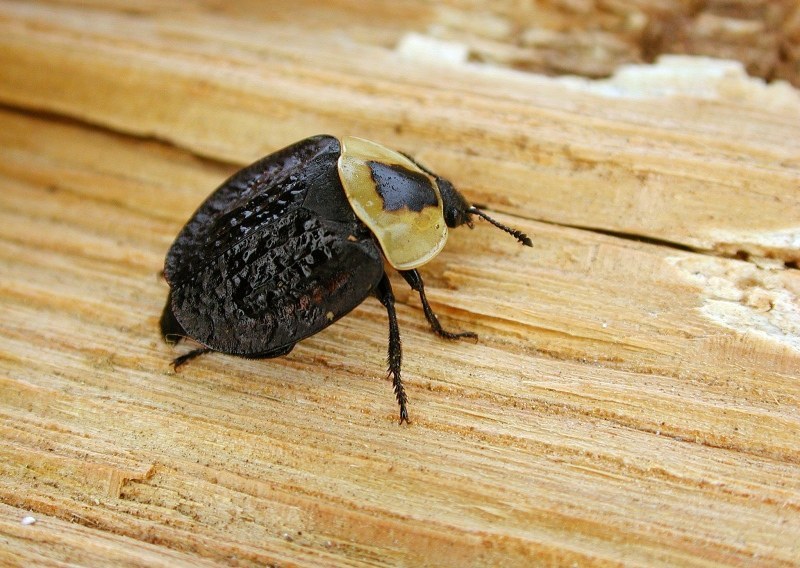
American Carrion Beetle
Forests, fields, and roadsides across North America, near decaying animal carcasses
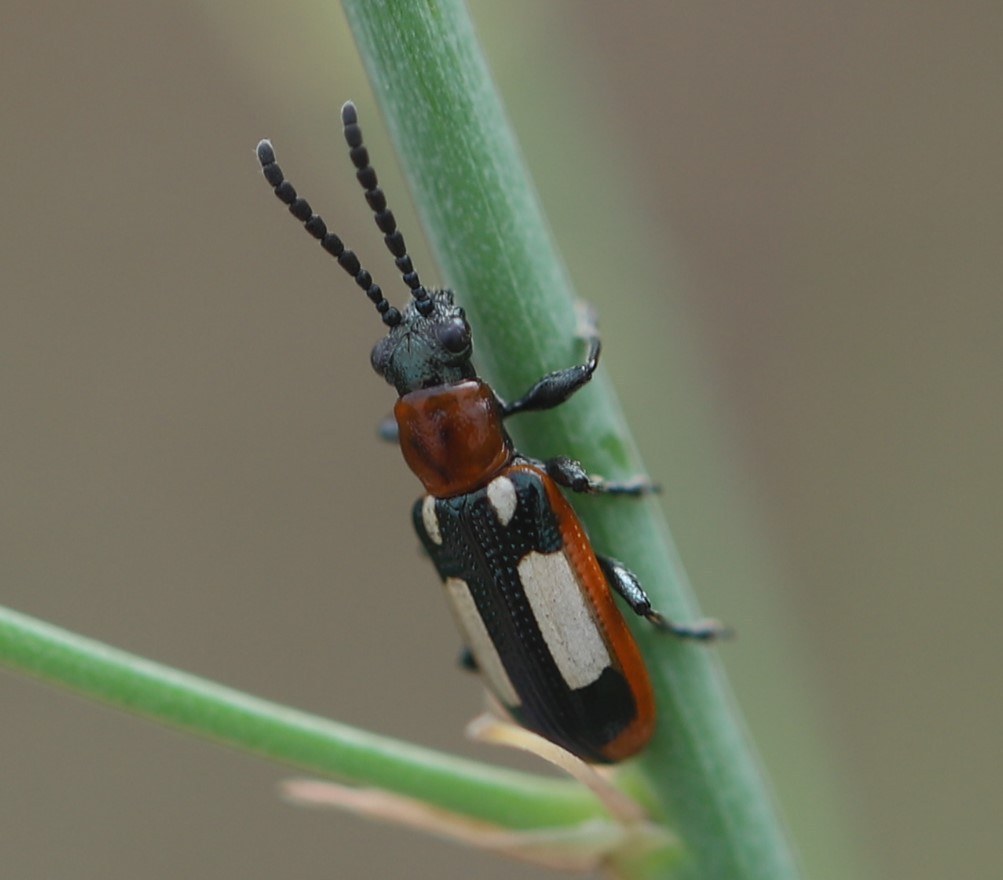
Asparagus Beetle
Asparagus patches, gardens, and farm fields
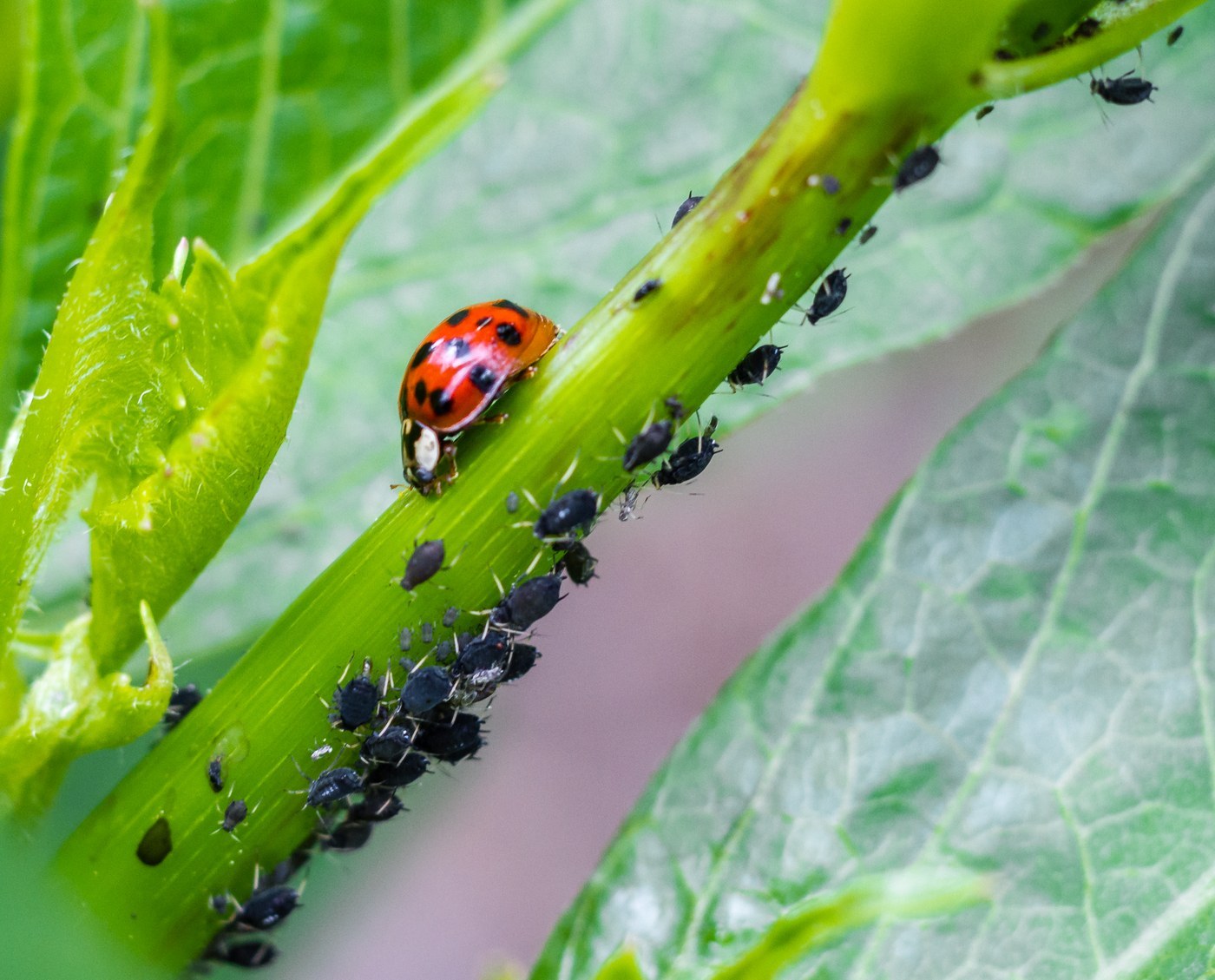
Asian Lady Beetle
Gardens, crop fields, woodlands, buildings
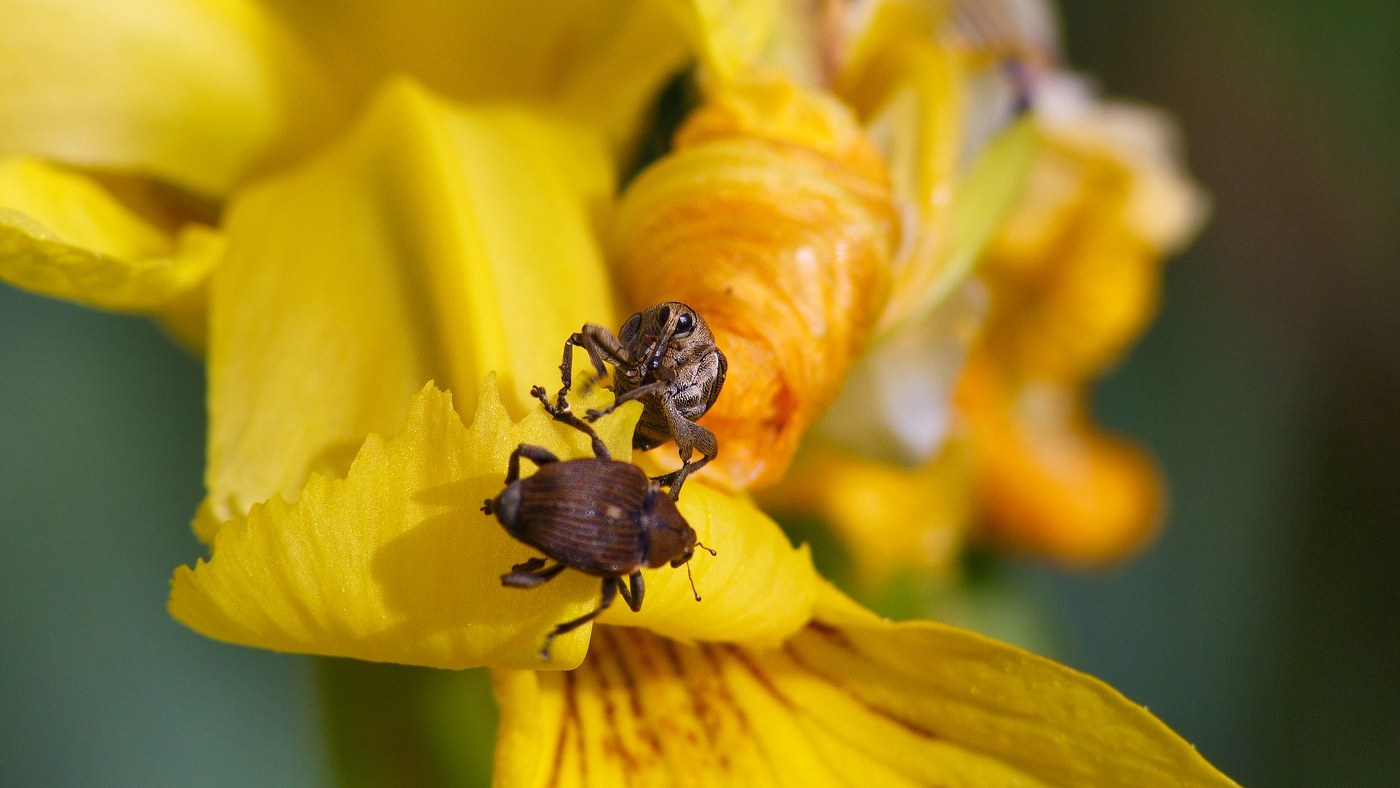
Acorn Weevil
Oak woodlands and forests, on and beneath oak trees
Wireworm
Soil of grasslands, gardens, and cultivated fields worldwide
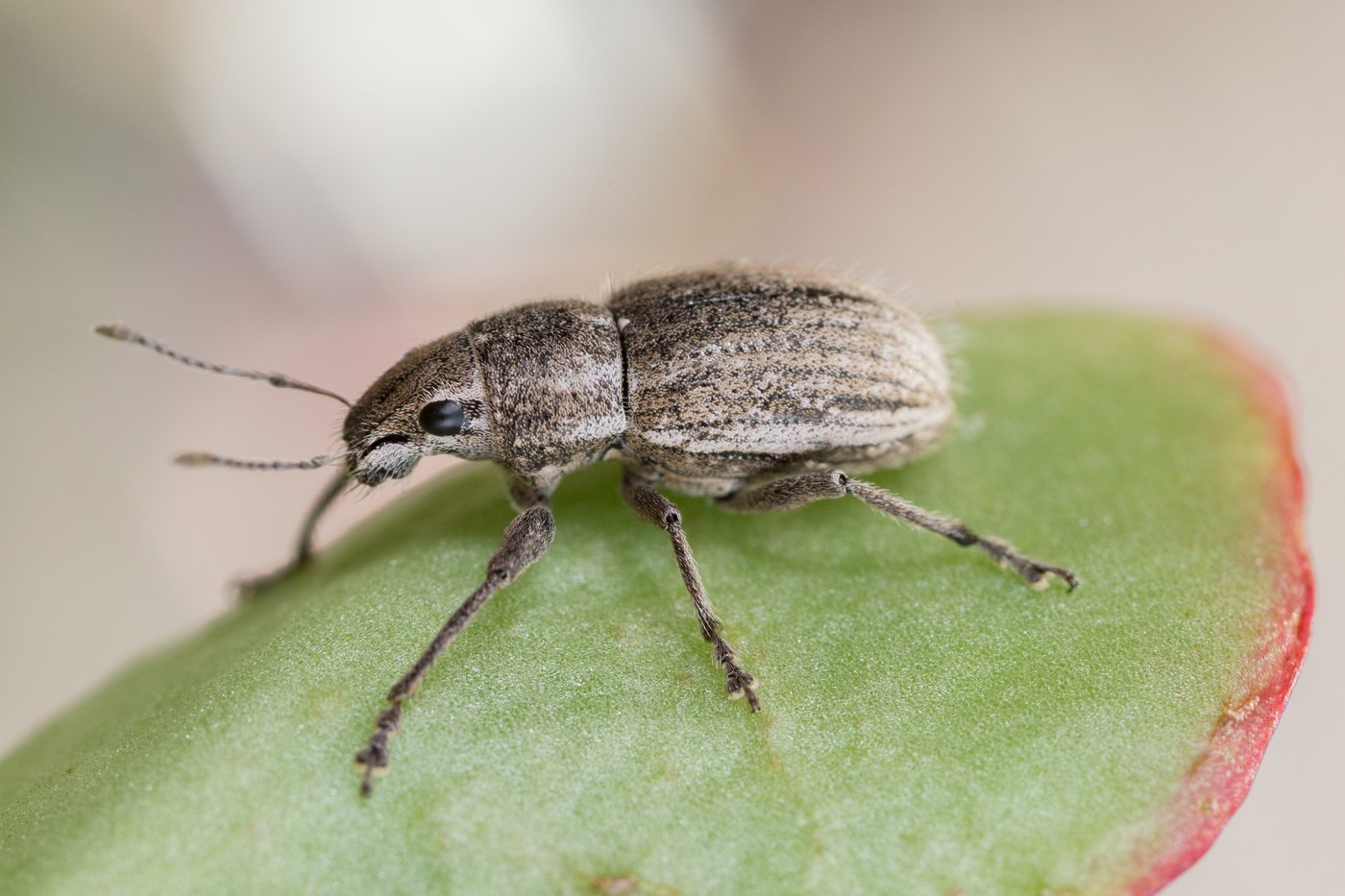
Whitefringed Beetle
Pastures, row crops, lawns, disturbed soils
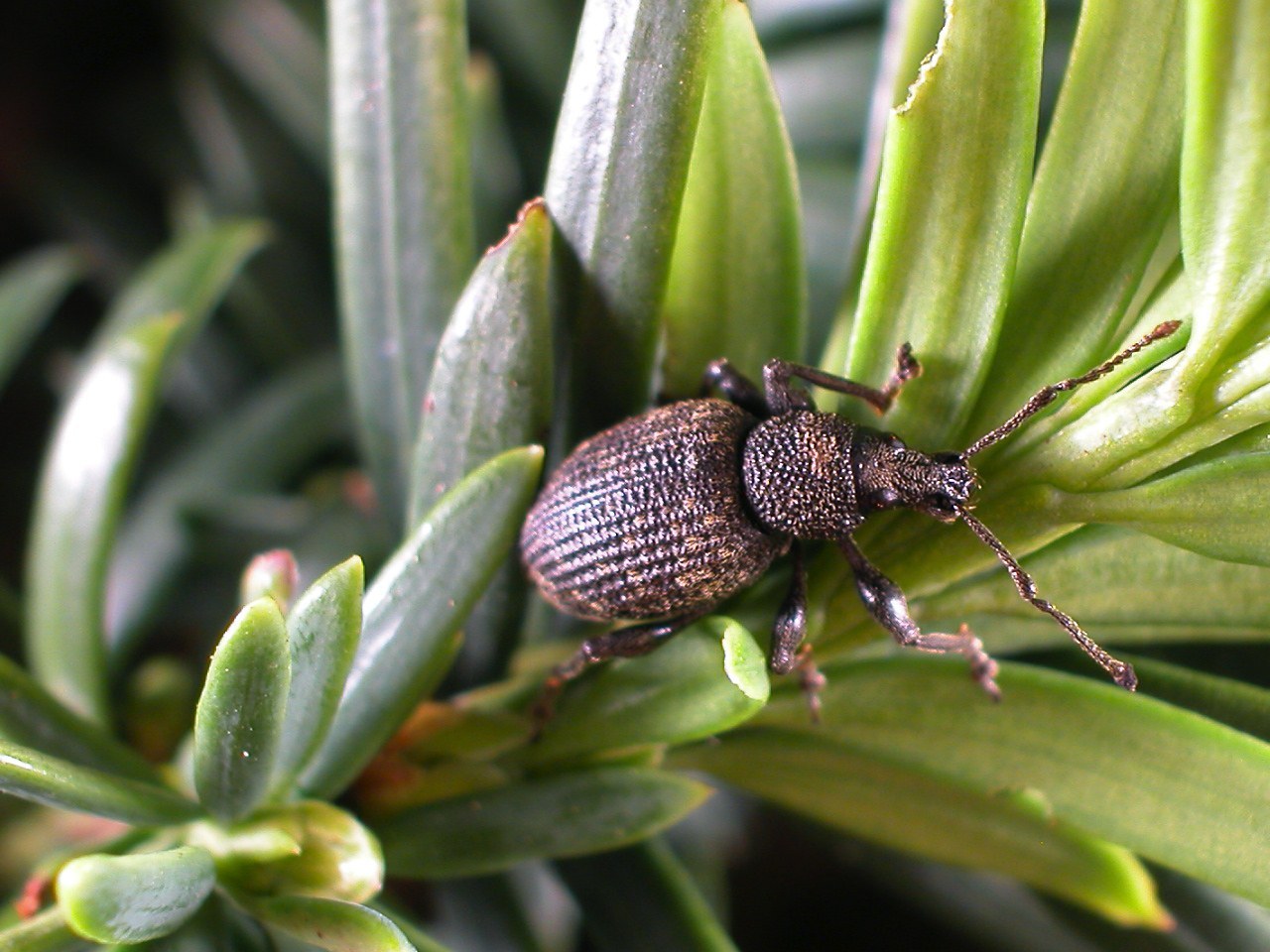
Vine Weevil
Gardens, nurseries, greenhouses, and container plantings
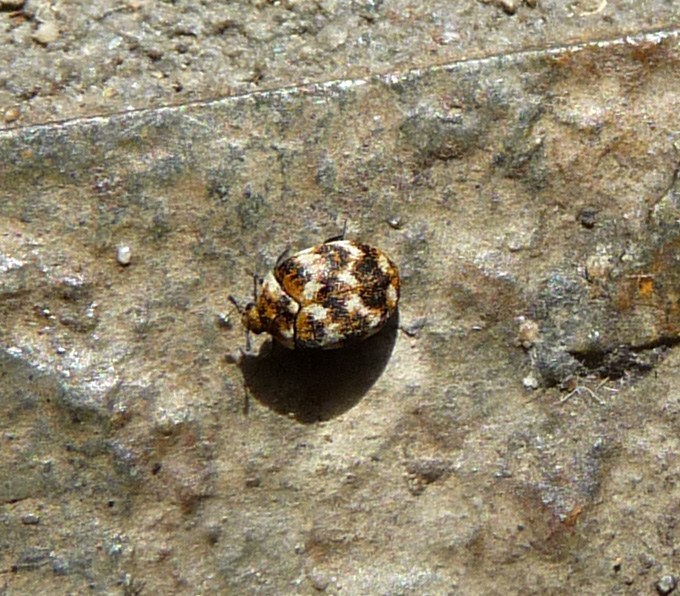
Varied Carpet Beetle
Homes, nests of birds and mammals, and flowers outdoors
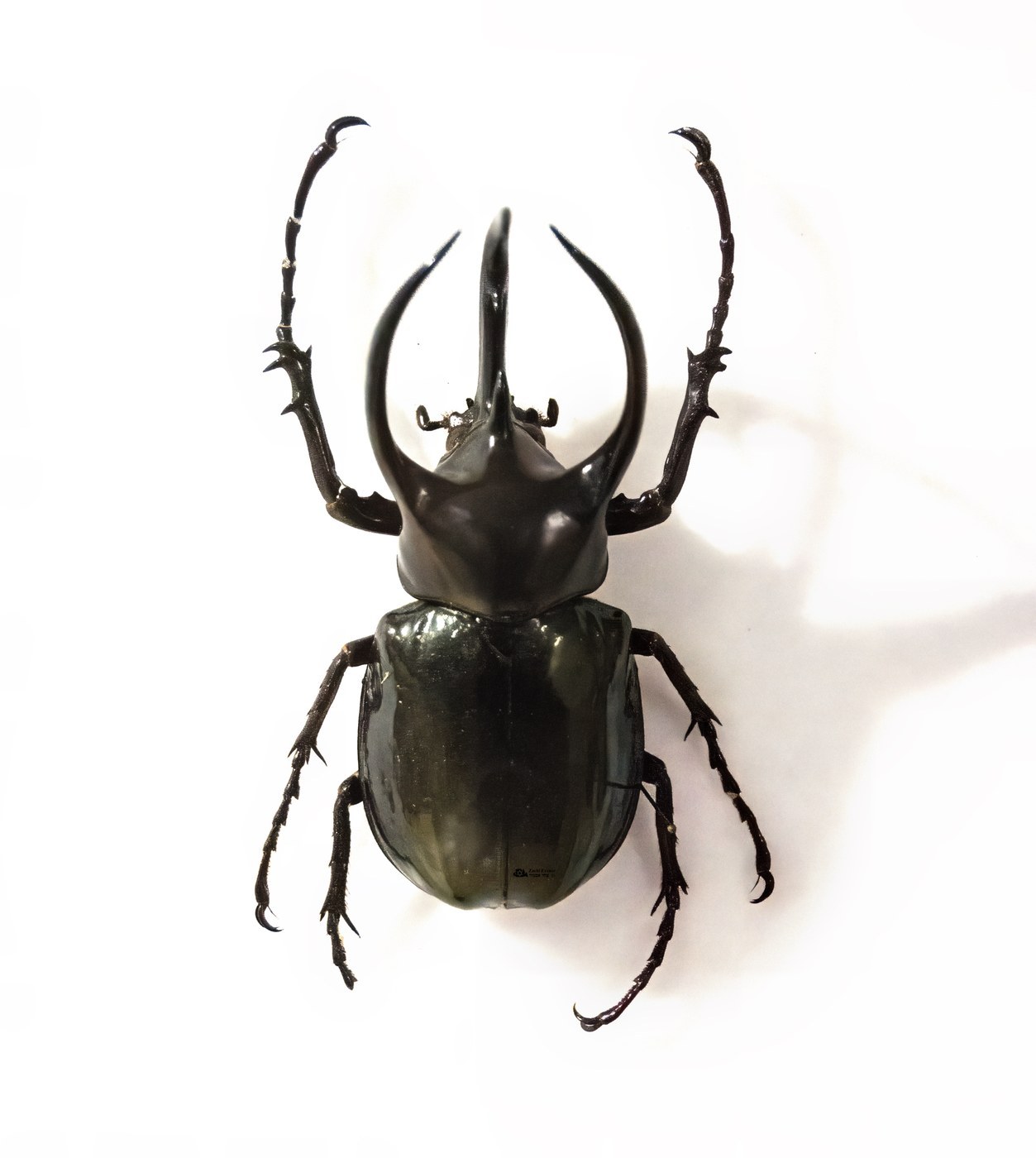
Atlas Beetle
Tropical forests of Southeast Asia
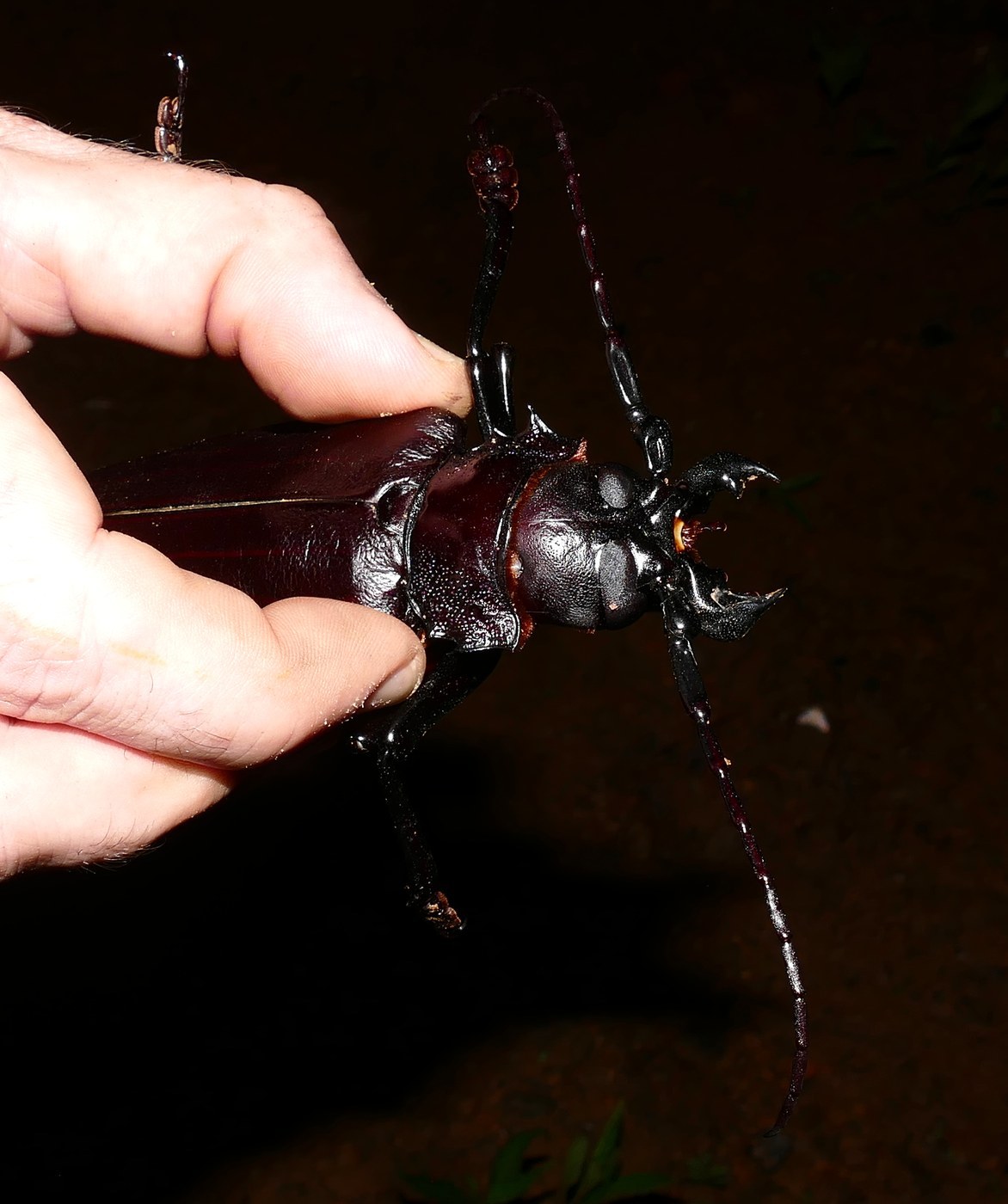
Titan Beetle
Amazon rainforest of South America
Ten-lined June Beetle
Sandy soils, pine forests, and orchards of western North America
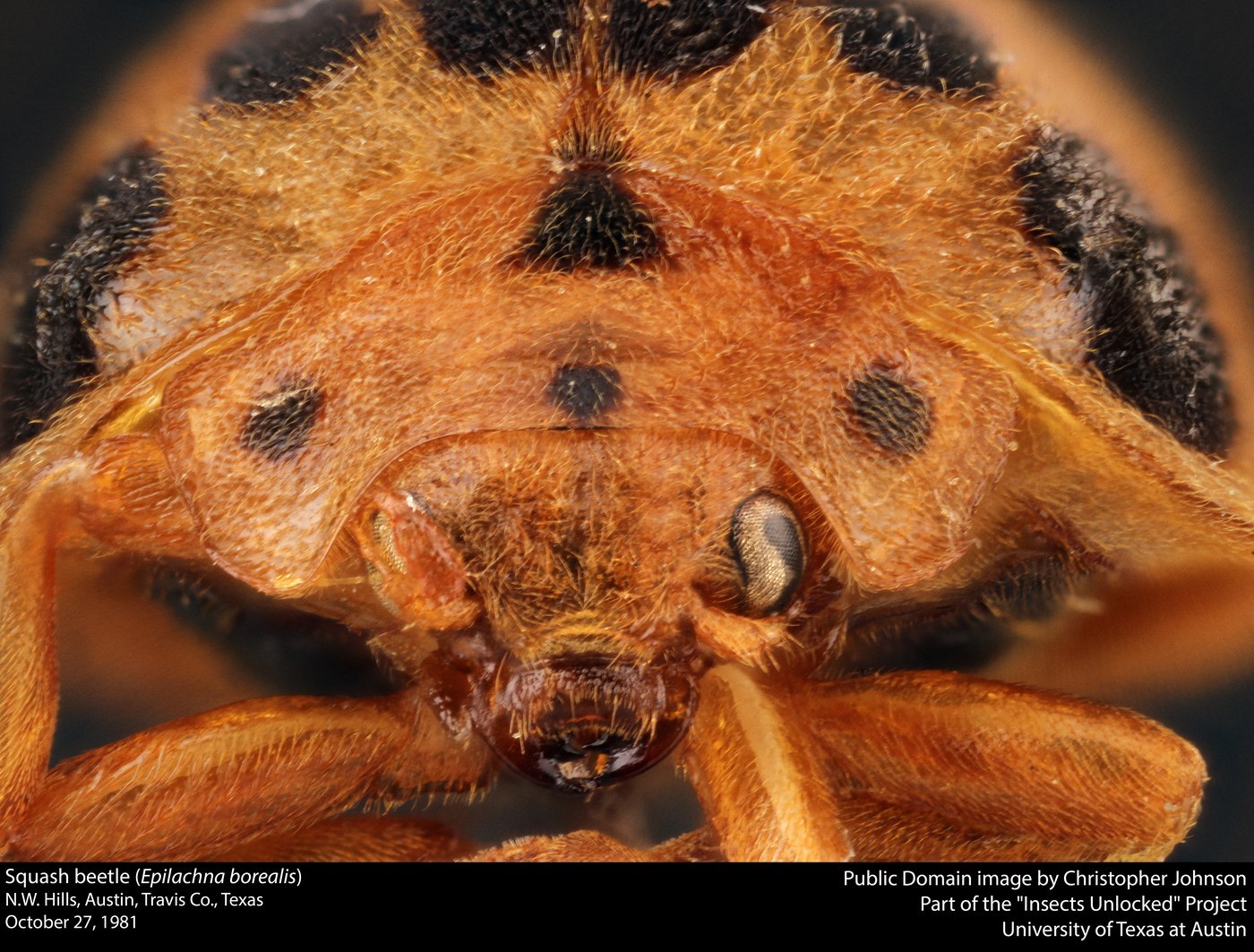
Squash Beetle
Vegetable gardens and fields growing squash, pumpkin, and other cucurbits