June Beetle Identification Guide
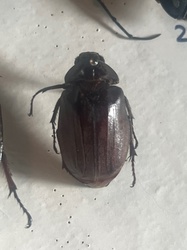
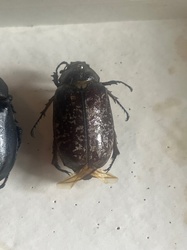
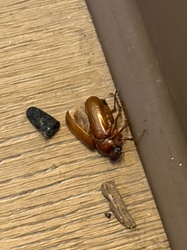
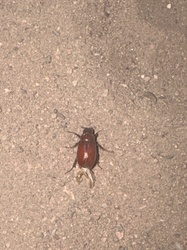
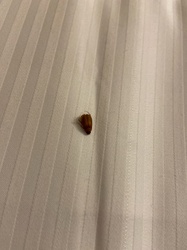
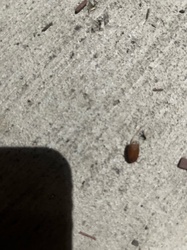
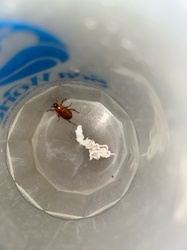
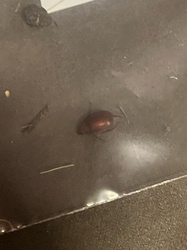
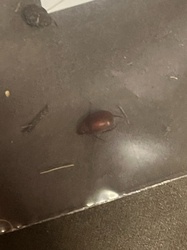
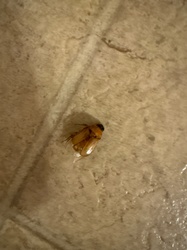
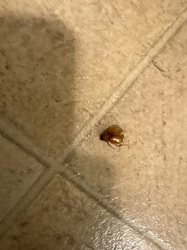
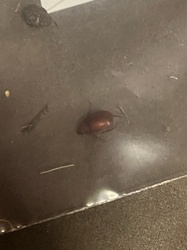
Recognize the June beetle by its stout, shiny reddish-brown body and clumsy nighttime flights toward lights.
Read the full June Beetle encyclopedia entry →Key Visual Features
- Body shape: Broad, oval, and stout with a domed back, roughly 0.5 to 1 inch long.
- Color: Typically shiny reddish-brown, tan, or chestnut, sometimes with a slight glossy or velvety sheen.
- Wings: Hardened wing covers (elytra) conceal a pair of membranous flight wings; flight tends to look heavy and clumsy, often accompanied by an audible buzzing or bumbling sound.
- Legs: Six spiny legs adapted for digging, with claws on the feet that help them cling to surfaces such as screens or bark.
- Antennae: Short, clubbed antennae that fan out into small lamellae (leaf-like segments) at the tip, typical of scarab beetles.
- Head and thorax: Rounded head partly tucked beneath a broad pronotum (the plate behind the head).
- Underside: Paler, sometimes lighter brown belly compared to the darker, glossier upper surface.
Where and When You'd See One
June beetles (a group of scarab beetles) are most often seen at dusk and after dark in late spring and early summer, drawn strongly to porch lights, streetlights, and lit windows. During the day they rest in soil, turf, or under leaf litter, and their grub-like larvae live underground in lawns and garden soil. Adults are commonly found near grassy areas, gardens, and trees where they feed on foliage at night.
Similar-Looking Creatures
- Japanese beetle: Smaller, with a metallic green body and coppery-brown wing covers, unlike the more uniform reddish-brown June beetle.
- Dung beetles: Similar rounded scarab shape but often darker, more matte, and lack the June beetle's typical reddish-brown gloss.
- Ground beetles: Usually flatter, faster-moving, and darker (often black), and are active on the ground rather than flying clumsily at night.
- Other scarab species: May look similar in shape but differ in color pattern, size, or the presence of horns (as in some related beetles).
Quick ID Checklist
- Stout, oval body about 0.5-1 inch long, shiny reddish-brown to tan.
- Clumsy, buzzing flight toward lights at dusk or night.
- Short, clubbed antennae with fan-like tips.
- Spiny, digging-adapted legs.
- Seen in late spring/early summer near lawns, gardens, and outdoor lighting.
Frequently asked questions
Why do June beetles gather around outdoor lights at night?
Like many night-flying insects, June beetles are drawn to artificial light sources, which is why they are commonly seen bumping into porch lights, windows, and streetlights after dusk in late spring and early summer.
How can I tell a June beetle from a Japanese beetle?
June beetles are a fairly uniform shiny reddish-brown or tan color, while Japanese beetles are smaller and show a distinct metallic green head and thorax paired with coppery-brown wing covers.
What time of year are June beetles most commonly seen?
As their name suggests, adult June beetles are most active in late spring through early summer, appearing at night and often flying erratically toward light.
What do the antennae of a June beetle look like up close?
Their antennae are short and end in a club-like cluster of flat, leaf-shaped segments called lamellae, a feature typical of scarab beetles that helps distinguish them from other beetle families.
June Beetle identified by the community
Recent June Beetle finds identified with Bug Identifier.