
June Beetle
Phyllophaga spp.
A stout, reddish-brown scarab beetle that emerges in late spring and early summer, famous for clumsily bumping into porch lights and window screens at night.
- Size
- 12–25 mm
- Habitat
- Lawns, gardens, deciduous woodland edges
- Danger
- Nuisance pest
Spotted a bug like this?
Identify any bug or insect from a photo, free.
Overview
The June beetle, also called a May beetle, refers to a large group of scarab beetles in the genus Phyllophaga, family Scarabaeidae, order Coleoptera. Dozens of species across North America share the common name, all recognizable by their stout, rounded bodies and their habit of appearing in large numbers around porch lights in late spring and early summer.
These beetles are notable for their two-part life cycle: the adults are relatively short-lived nocturnal fliers, while the larvae, known as white grubs, spend one to several years underground feeding on plant roots, particularly grass roots in lawns and turf.
June beetles are a familiar seasonal sight across temperate regions and are often the beetle people encounter bumping clumsily against window screens or porch lights on warm nights.
How to Identify
- Stout, oval, robust body typically 12–25 mm long
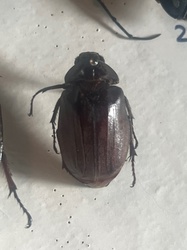
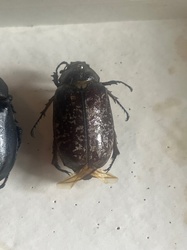
- Coloration usually reddish-brown, chestnut, or nearly black, with a glossy or slightly velvety sheen
- Short clubbed antennae that fan open into flat lamellae, typical of scarab beetles
- Clumsy, buzzing flight, often colliding with lit windows and screens at night
- Larvae (white grubs) are C-shaped, cream-colored, with a distinct brown head capsule, found in soil rather than above ground
Habitat & Range
June beetles are found throughout North America, particularly in regions with grassy lawns, pastures, agricultural fields, and deciduous woodland edges where their root-feeding larvae can develop in soil. Adults emerge from the soil in late spring through early summer, generally from May into July depending on latitude.
Adults are strongly nocturnal and attracted to artificial lights, while larvae remain hidden below ground in turf, garden beds, and open fields year-round.
Behavior & Diet
Adult June beetles are active fliers at dusk and after dark, feeding on the foliage of trees and shrubs such as oak, walnut, and birch, though adult feeding damage is usually minor. Their heavy-bodied, erratic flight and tendency to bump into lit surfaces make them a familiar nighttime presence in early summer.
The larvae, or white grubs, live underground and feed on the roots of grasses and other plants, making them a recognized presence in lawns and pastures. In the wider ecosystem, both larvae and adults serve as a food source for birds, skunks, moles, and other insectivorous animals.
Life Cycle
June beetles undergo complete metamorphosis: egg, larva (grub), pupa, and adult. Females lay eggs in the soil in early summer, and the larvae hatch to begin feeding on plant roots, molting through three instars over the course of one to three years depending on species and climate.
Mature larvae pupate in an earthen cell in the soil, typically in late summer or fall, and the adult beetle either emerges that season or overwinters below ground before emerging the following spring. This extended underground developmental period explains why the same lawn can experience sporadic, multi-year population fluctuations.
Frequently asked questions
Is a June beetle the same as a May beetle?
Yes, 'June beetle' and 'May beetle' are common names used interchangeably for species in the genus Phyllophaga, with the name used varying by region and the month adults tend to emerge.
What are the white grubs found in lawns?
They are the underground larval stage of June beetles (and related scarab beetles), living in soil and feeding on grass and other plant roots before eventually pupating into adults.
Why do June beetles fly into windows and lights at night?
Adults are strongly nocturnal and attracted to artificial light sources, and their heavy, clumsy flight style often causes them to bump into lit windows and screens.
How long does a June beetle live underground as a larva?
Depending on the species and local climate, the larval stage can last anywhere from about one to three years before the beetle pupates and emerges as an adult.
June Beetle guides
In-depth guides for identifying, understanding, and living alongside June Beetle.
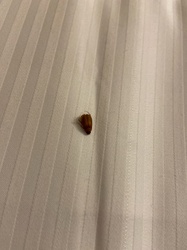
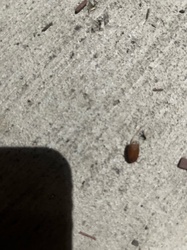
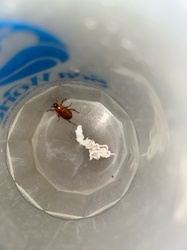
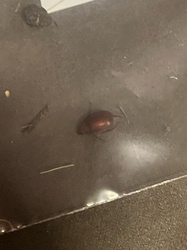
June Beetle identified by the community
Real finds identified with Bug Identifier.
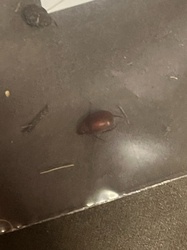
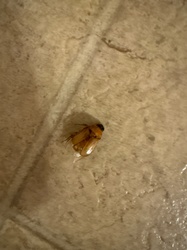
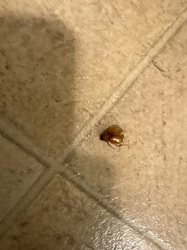
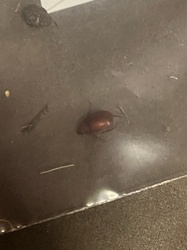
Other bugs you may enjoy
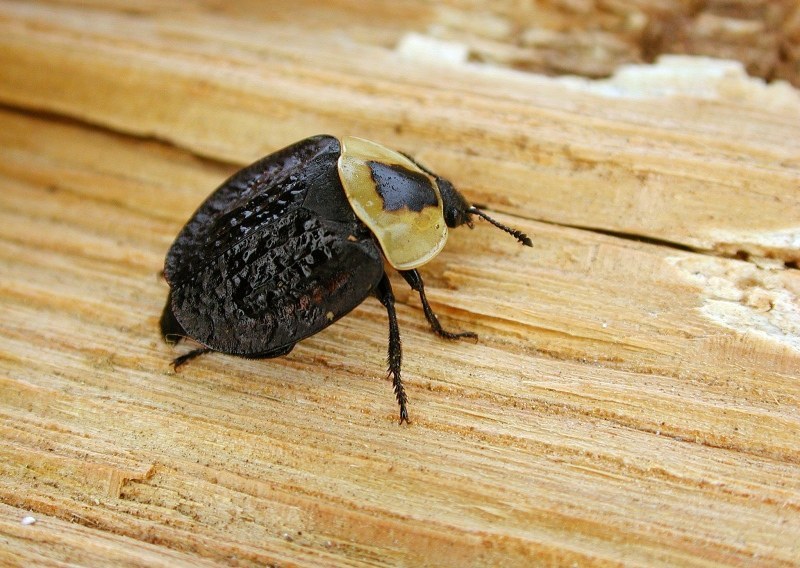
American Carrion Beetle
Forests, fields, and roadsides across North America, near decaying animal carcasses
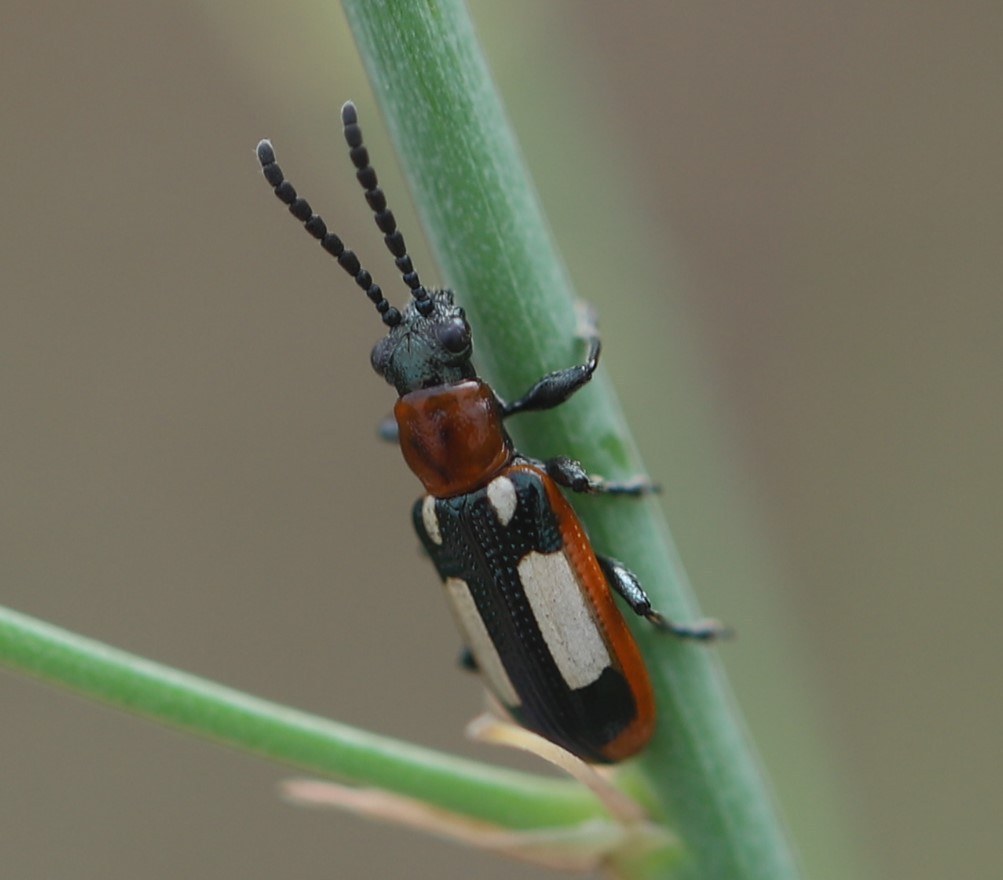
Asparagus Beetle
Asparagus patches, gardens, and farm fields
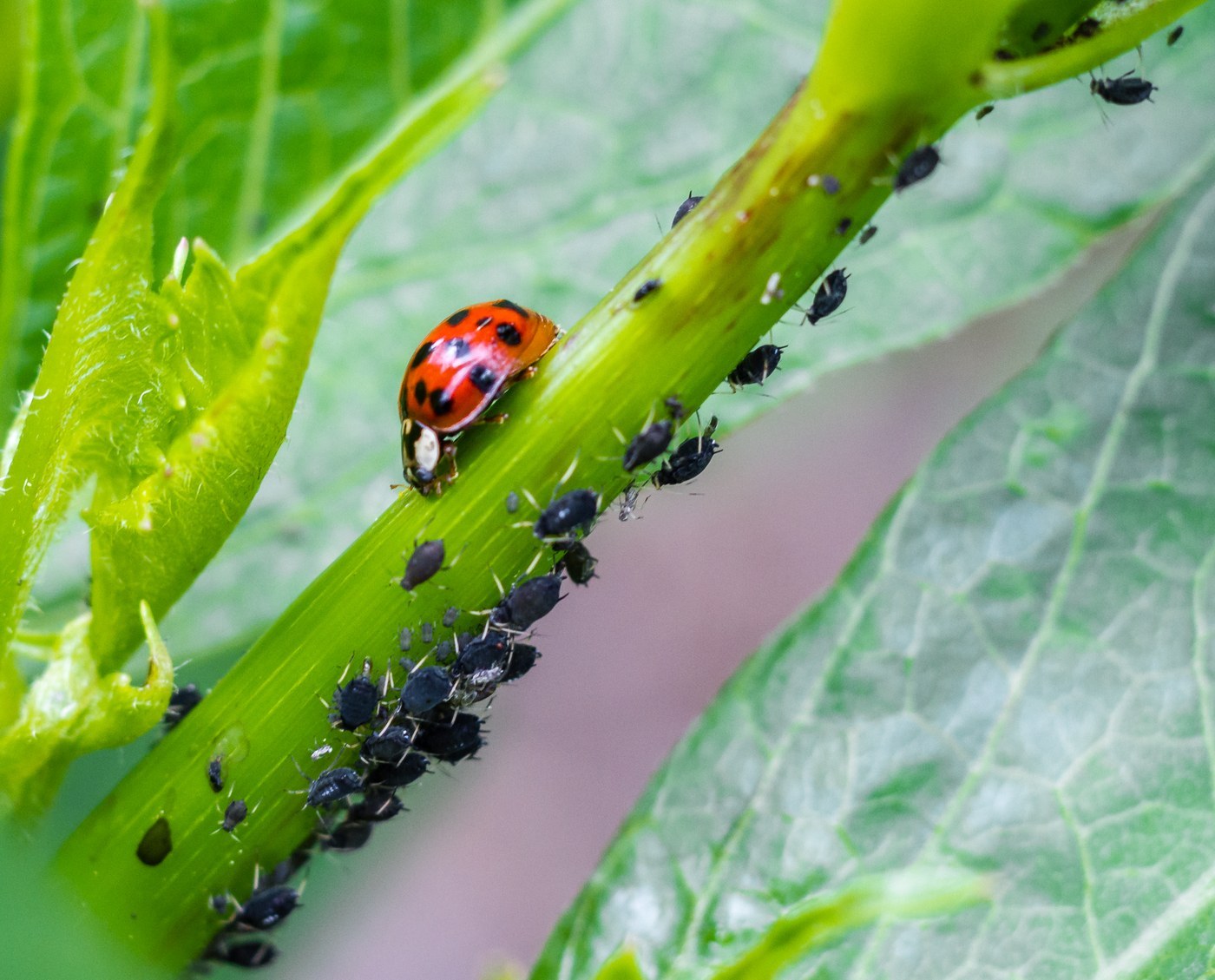
Asian Lady Beetle
Gardens, crop fields, woodlands, buildings
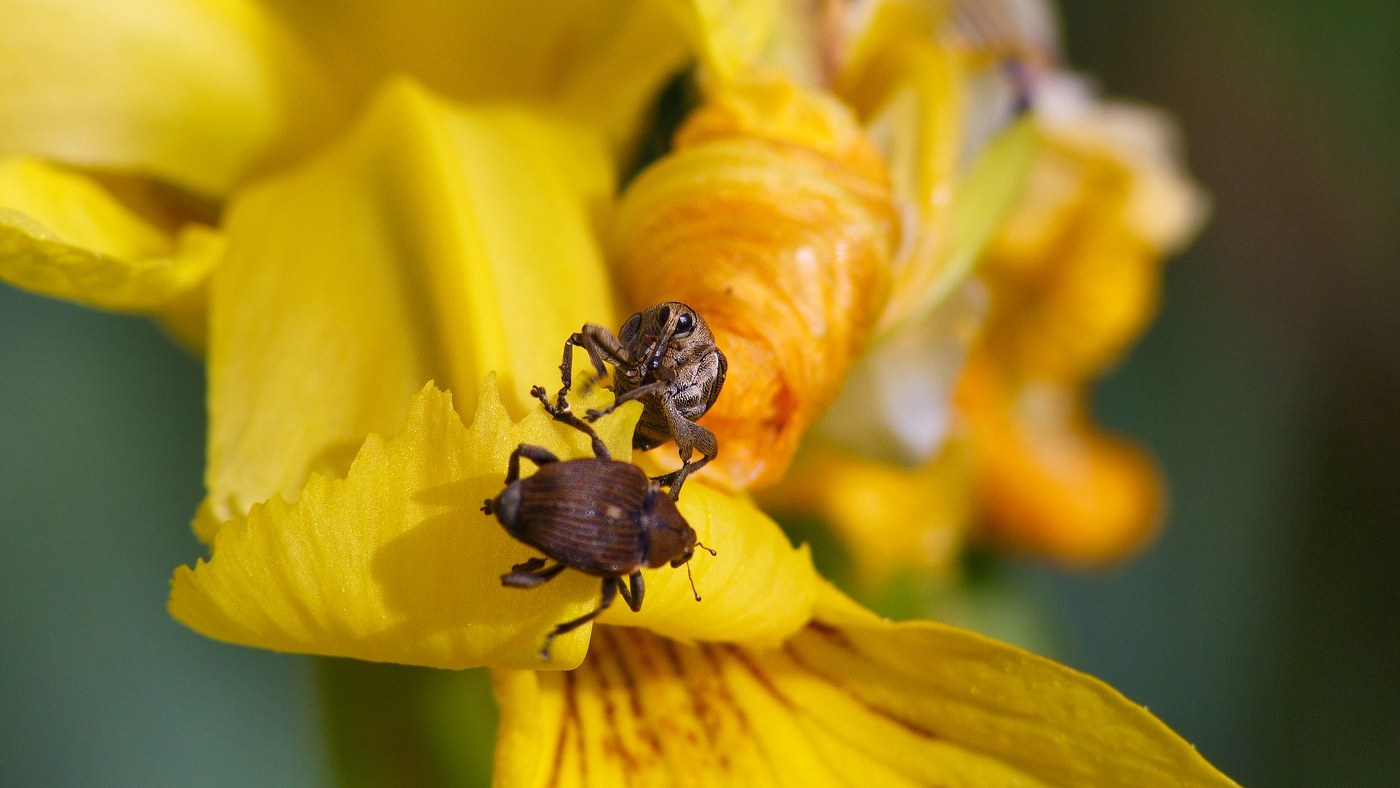
Acorn Weevil
Oak woodlands and forests, on and beneath oak trees
Wireworm
Soil of grasslands, gardens, and cultivated fields worldwide
Whitefringed Beetle
Pastures, row crops, lawns, disturbed soils
Vine Weevil
Gardens, nurseries, greenhouses, and container plantings
Varied Carpet Beetle
Homes, nests of birds and mammals, and flowers outdoors
Atlas Beetle
Tropical forests of Southeast Asia
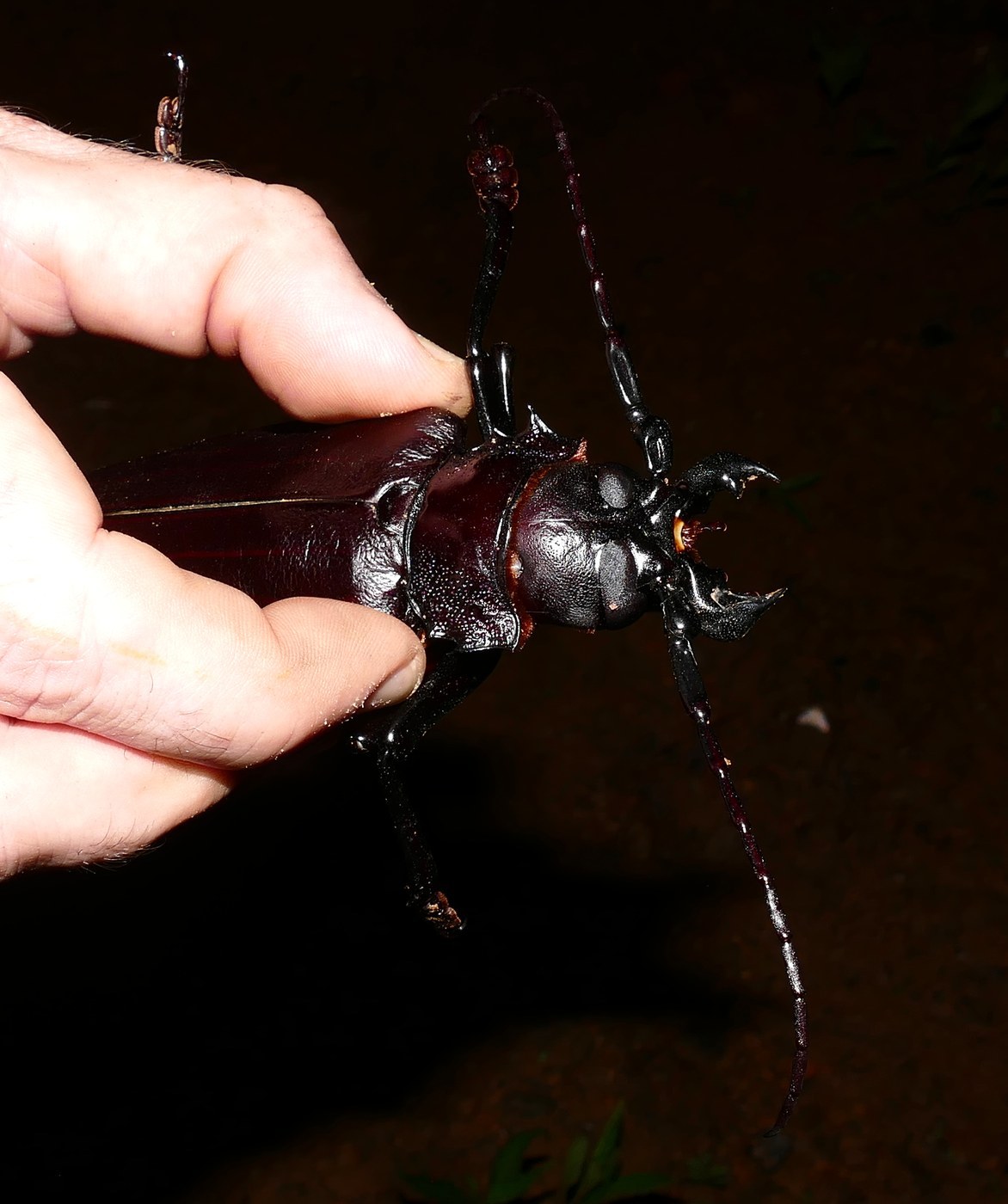
Titan Beetle
Amazon rainforest of South America
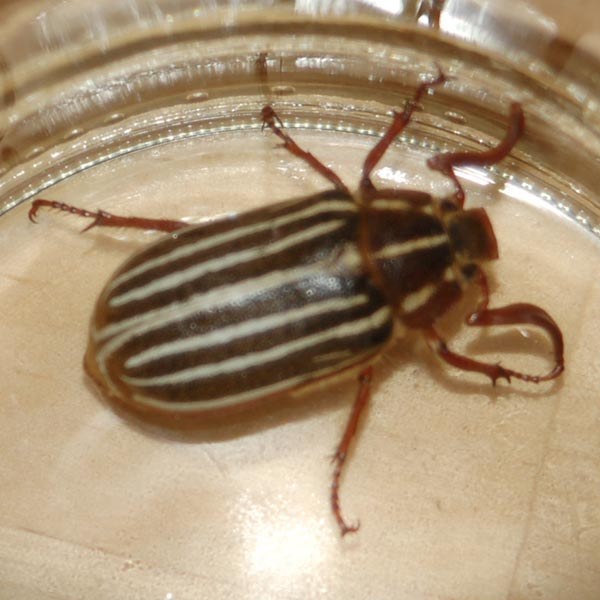
Ten-lined June Beetle
Sandy soils, pine forests, and orchards of western North America
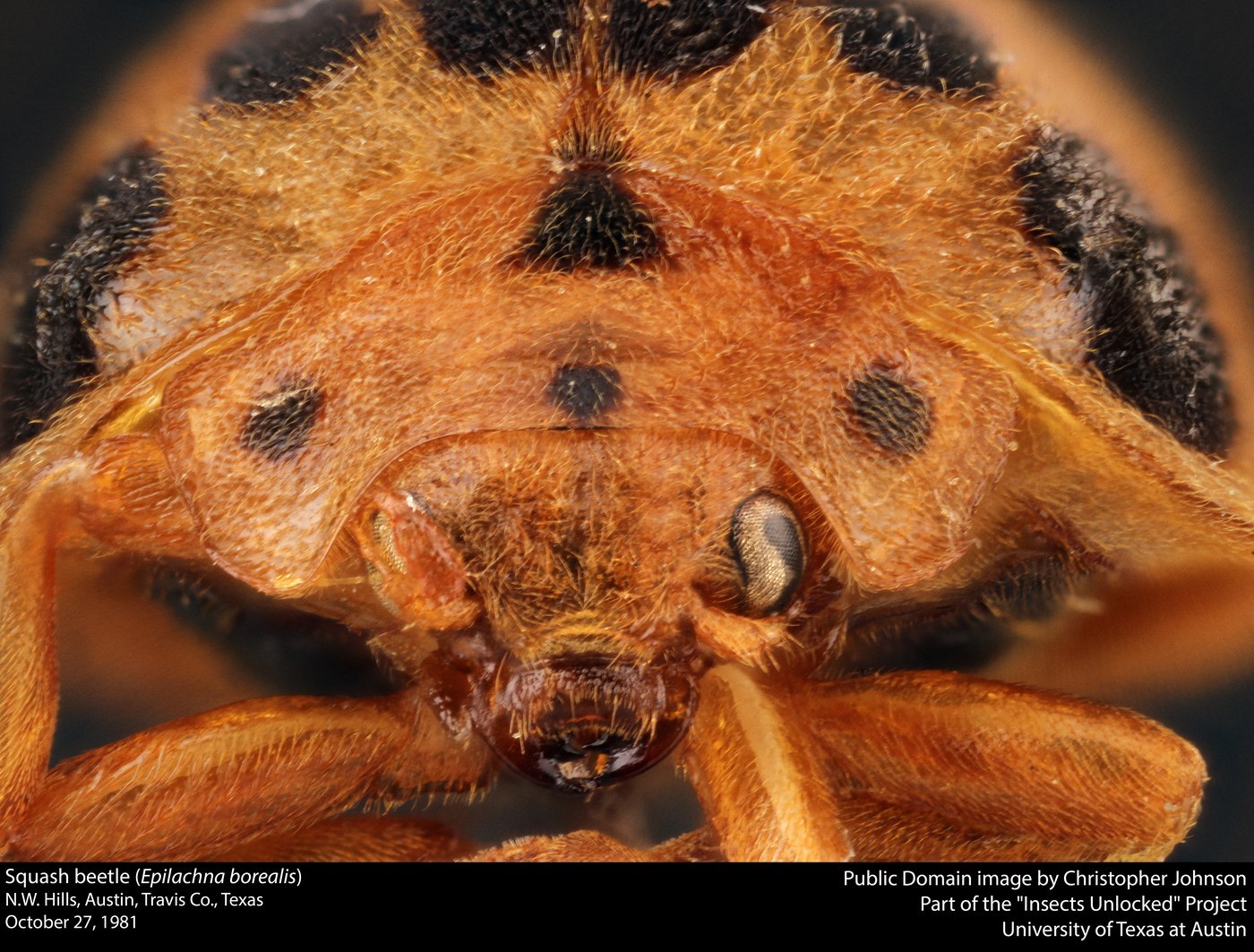
Squash Beetle
Vegetable gardens and fields growing squash, pumpkin, and other cucurbits