Meadow Spittlebug Identification Guide
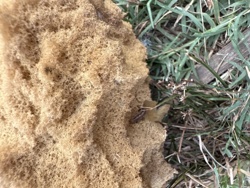
Spot the meadow spittlebug by the frothy white spittle masses its nymphs produce and the stout, frog-faced adult that follows.
Read the full Meadow Spittlebug encyclopedia entry →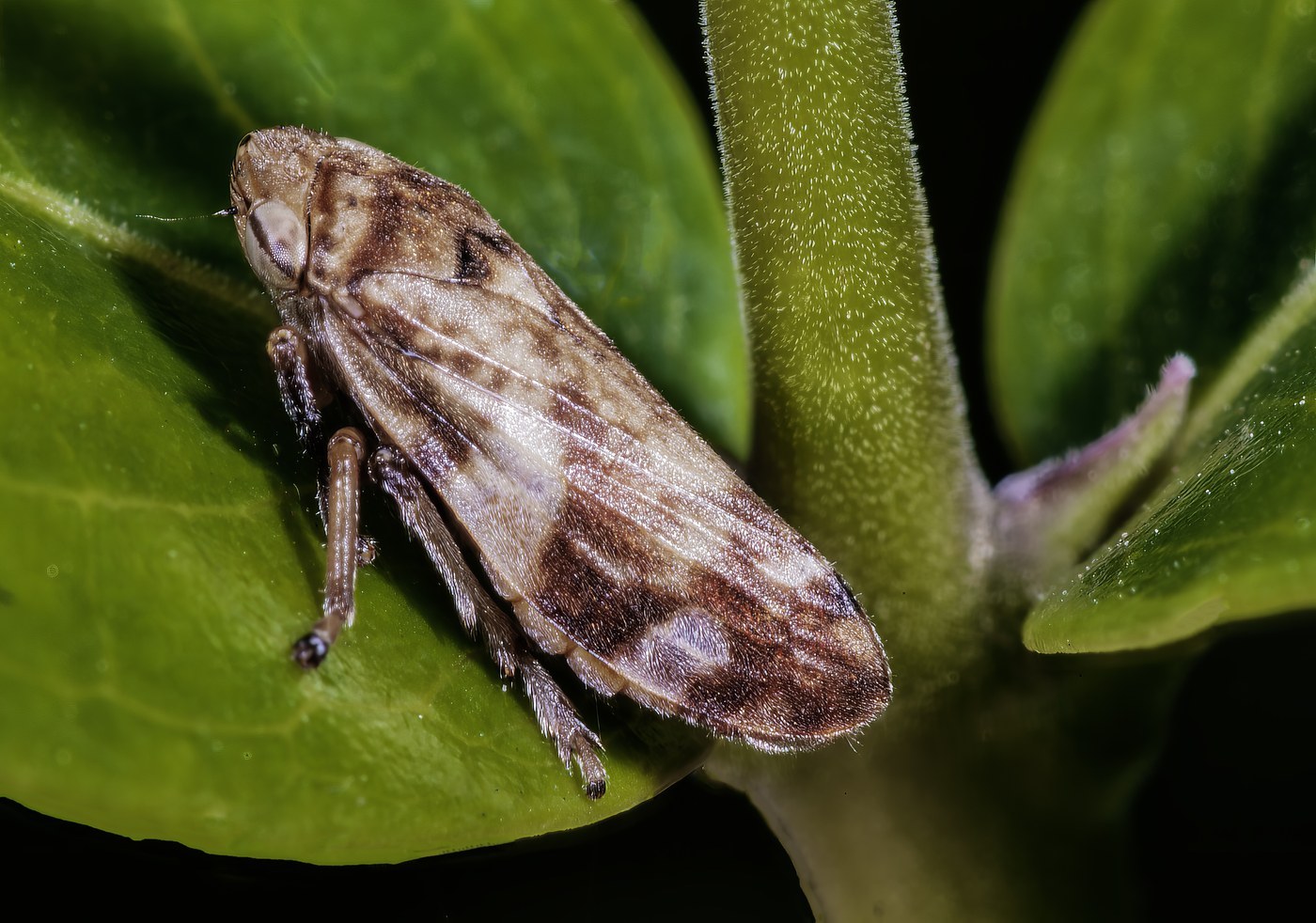
Key Features
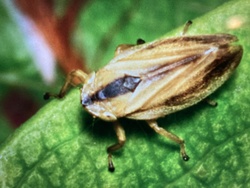
- Adult (froghopper) is small, about 5-7mm long, with a stout, wedge-shaped body and a distinctly frog-like face
- Coloring is highly variable, ranging from mottled brown and tan to grayish or nearly black, often with irregular light patches
- Large hind legs adapted for powerful jumping, much like a tiny frog or leafhopper
- Head is broad and rounded, with the eyes set wide apart
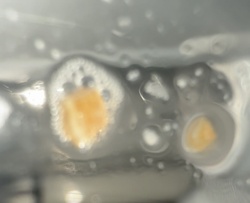
- Nymphs are pale yellow-green and soft-bodied, but are rarely seen directly because they hide inside a mass of white frothy "spittle"
- Wings, when present on adults, are held rooflike over the body and are often mottled to match the body color
Where and When to Look
- Nymphs are most conspicuous in late spring and early summer, when their foamy spittle masses appear on the stems and leaf axils of a wide variety of grasses, herbs, and garden plants
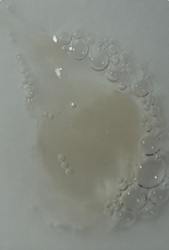
- The frothy spittle mass itself, resembling a blob of foam on a plant stem, is often the first and easiest sign to spot
- Adults emerge by mid-summer and can be found hopping among grasses and low vegetation in meadows, lawns, and gardens
- Common in open, sunny areas with abundant herbaceous plant growth
Similar-Looking Bugs
- Other spittlebug species produce similar foam masses and very similar-looking adults; the meadow spittlebug is best distinguished by its broad host range and the mottled, variable adult coloring rather than a fixed pattern
- Leafhoppers can resemble spittlebug adults in general shape but are usually more slender and elongated, without producing spittle masses as nymphs
- Planthoppers can also look similar as adults but typically have a more angular or pointed head shape compared to the rounded, frog-like head of a spittlebug
Quick ID Checklist
- White, frothy spittle mass on plant stems (nymph stage)
- Stout, frog-faced adult with strong jumping hind legs
- Mottled brown-tan-gray coloring that varies between individuals
- Found on grasses and herbaceous plants in meadows, lawns, and gardens
- Spittle masses most visible in late spring to early summer
Frequently asked questions
What is the white foam I see on plant stems?
That foam is produced by meadow spittlebug nymphs as a protective covering while they feed and develop on the stem.
What does the adult meadow spittlebug look like?
It's a small, stout, frog-faced insect with strong jumping hind legs and mottled brown, tan, or gray coloring.
When is the best time to spot spittle masses?
Late spring through early summer, when nymphs are actively feeding and producing foam on plant stems.
How is a spittlebug different from a leafhopper?
Spittlebugs have a broader, more frog-like head and produce foam as nymphs, while leafhoppers are more slender and elongated and don't produce spittle masses.
Meadow Spittlebug identified by the community
Recent Meadow Spittlebug finds identified with Bug Identifier.