
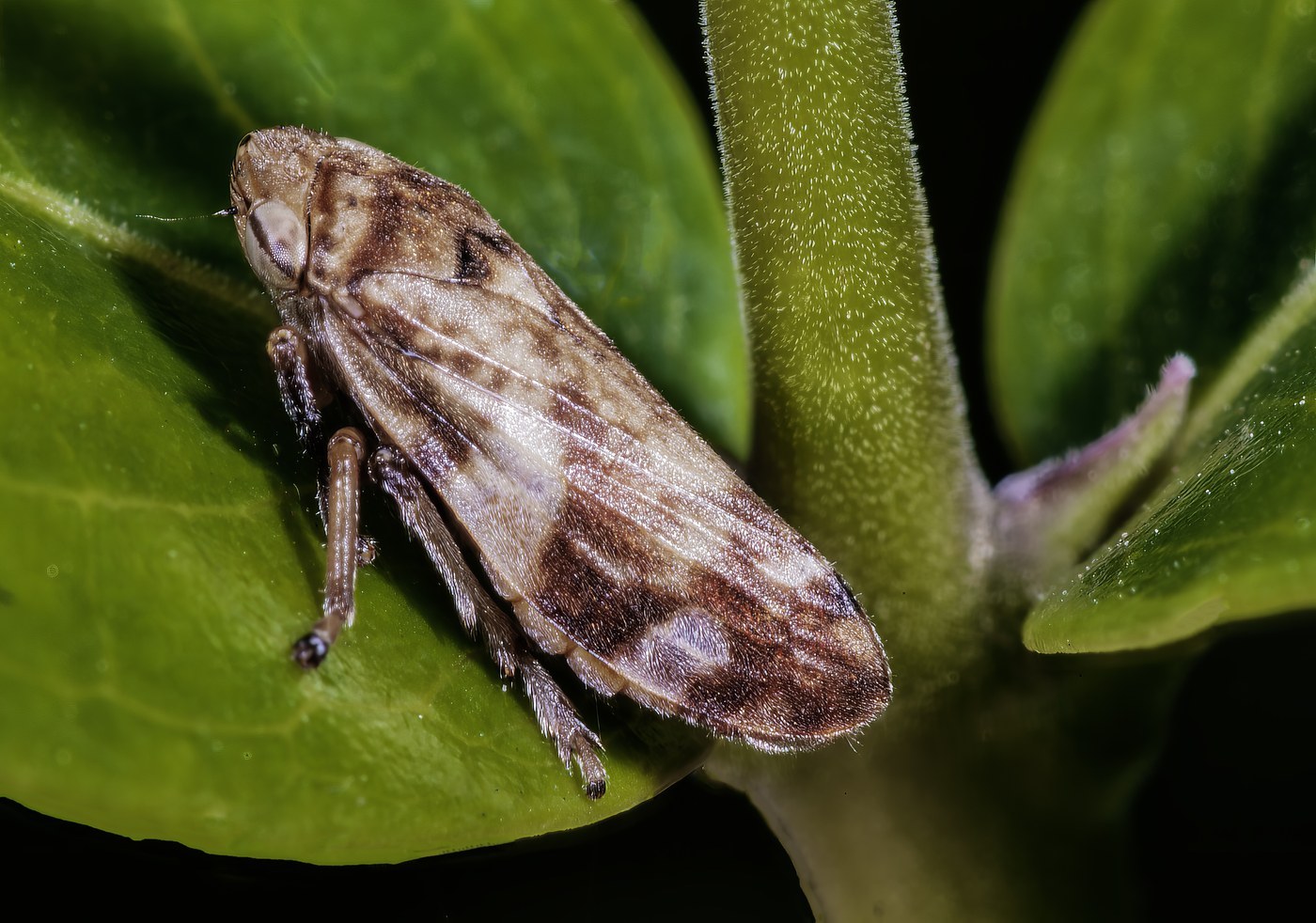
Meadow Spittlebug
Philaenus spumarius
A small, mottled hopping true bug whose immature nymphs are far more often noticed than the adults, hidden inside frothy blobs of white foam known as cuckoo spit on plant stems.
- Size
- 5–6 mm
- Habitat
- Meadows, grasslands, and herbaceous garden plants
- Danger
- Harmless
Spotted a bug like this?
Identify any bug or insect from a photo, free.
Overview
The meadow spittlebug is a sap-feeding true bug in the family Aphrophoridae, part of a group commonly known as spittlebugs or froghoppers for the jumping ability of the adults and the foamy protective covering produced by nymphs. It is one of the most widespread and frequently encountered spittlebug species in temperate regions.
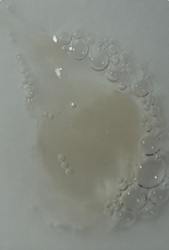
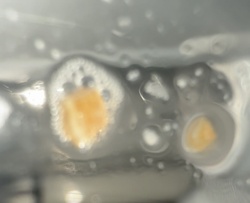
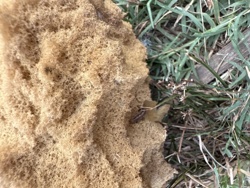
Its most recognizable feature is not the insect itself but the nymphal stage's distinctive foam mass, sometimes called cuckoo spit, which the young nymphs produce around themselves on plant stems as they feed, using it as camouflage, moisture retention, and physical protection from predators and desiccation.
Adults, by contrast, are small, mottled, wedge-shaped insects capable of powerful jumps, giving rise to the alternate name froghopper. The species feeds on a very broad range of herbaceous plants and is considered ecologically notable both for its unusual nymphal defense strategy and its role in plant sap-feeding communities.
How to Identify
- Adults are small, robust, wedge-shaped insects about 5–6 mm long, with a rounded head and stout body tapering toward folded, tent-like wings.
- Coloring is highly variable, ranging from pale tan and gray to dark brown or nearly black, often with mottled or striped patterns across the wings.
- Strong hind legs allow adults to jump considerable distances relative to their size when disturbed, a behavior that gives the group its froghopper nickname.
- Nymphs are pale yellow-green and soft-bodied, but are rarely seen directly since they remain hidden within a mass of white, frothy foam on plant stems.
- Distinguished from leafhoppers by their stouter, more rounded body shape and powerful jumping hind legs, and identified in the nymphal stage almost entirely by the presence of the characteristic foam.
Habitat & Range
Meadow spittlebugs are found across much of North America, Europe, and other temperate regions, inhabiting meadows, grasslands, pastures, roadsides, and garden plantings with abundant herbaceous vegetation.
Nymphs are most conspicuous in late spring and early summer, when their foam masses appear on the stems of a wide variety of plants, including clover, alfalfa, goldenrod, and many garden ornamentals. Adults are active through summer, found on similar low vegetation in open, sunny habitats.
Behavior & Diet
Nymphs feed by piercing plant stems and drawing xylem fluid, and they generate their protective foam by combining excreted fluid with air through specialized abdominal movements, forming the frothy mass that surrounds and hides them while they feed in place. This foam helps regulate humidity around the nymph and provides some protection from predators and parasites.
Adults are mobile and feed similarly on plant sap but lack the foam covering, relying instead on their strong jumping ability and cryptic coloring to evade predators. Both nymphs and adults contribute to the broader plant-insect food web, serving as prey for various predatory insects, spiders, and birds, while their feeding has only a minor impact on the health of most host plants.
Life Cycle
Meadow spittlebugs undergo incomplete metamorphosis, developing through egg, several nymphal instars enclosed in foam, and adult stages without a pupal phase. Eggs are laid in late summer or fall in plant stem tissue or leaf litter and overwinter before hatching in spring.
Nymphs hatch in spring and begin feeding and producing their foam coverings, progressing through several instars over a period of weeks before emerging as winged adults by early to mid-summer. There is typically one generation per year, with adults active through summer and into fall before the cycle restarts with overwintering eggs.
Frequently asked questions
What is the foamy white blob on my plant stems?
This is the protective foam produced by spittlebug nymphs as they feed, sometimes called cuckoo spit, which hides and protects the soft-bodied young insect within.
Is the foam harmful to my plants?
The nymph's feeding causes only minor sap loss for most plants, and the foam itself is simply a byproduct of the nymph's feeding and defense behavior rather than a sign of disease.
Why is it also called a froghopper?
Adult spittlebugs have strong hind legs that allow them to jump powerfully when disturbed, a frog-like leaping ability that gives the group its alternate common name.
Do adult spittlebugs also make foam?
No, the foam-producing behavior is limited to the nymphal stage; adults are mobile, winged insects that rely on jumping and camouflage rather than foam for protection.
Meadow Spittlebug guides
In-depth guides for identifying, understanding, and living alongside Meadow Spittlebug.
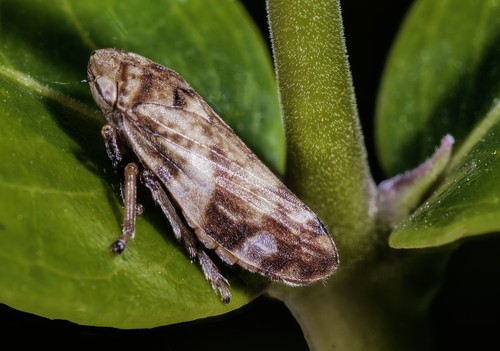
Meadow Spittlebug identified by the community
Real finds identified with Bug Identifier.


Other bugs you may enjoy
Bagrada Bug
Arid gardens, crucifer fields, desert-adjacent croplands
Assassin Bug
Gardens, meadows, and vegetation worldwide
Water Boatman Bug
Ponds, lakes, and slow-moving freshwater
Water Stick Insect
Still and slow-moving water with dense submerged vegetation
Rough Stink Bug
Tree bark, woodlands, orchards, and shrubby vegetation
Stink Bug
Gardens, crop fields, and woodlands across temperate and subtropical regions
Squash Bug
Vegetable gardens and farm fields growing squash, pumpkin, and other cucurbits
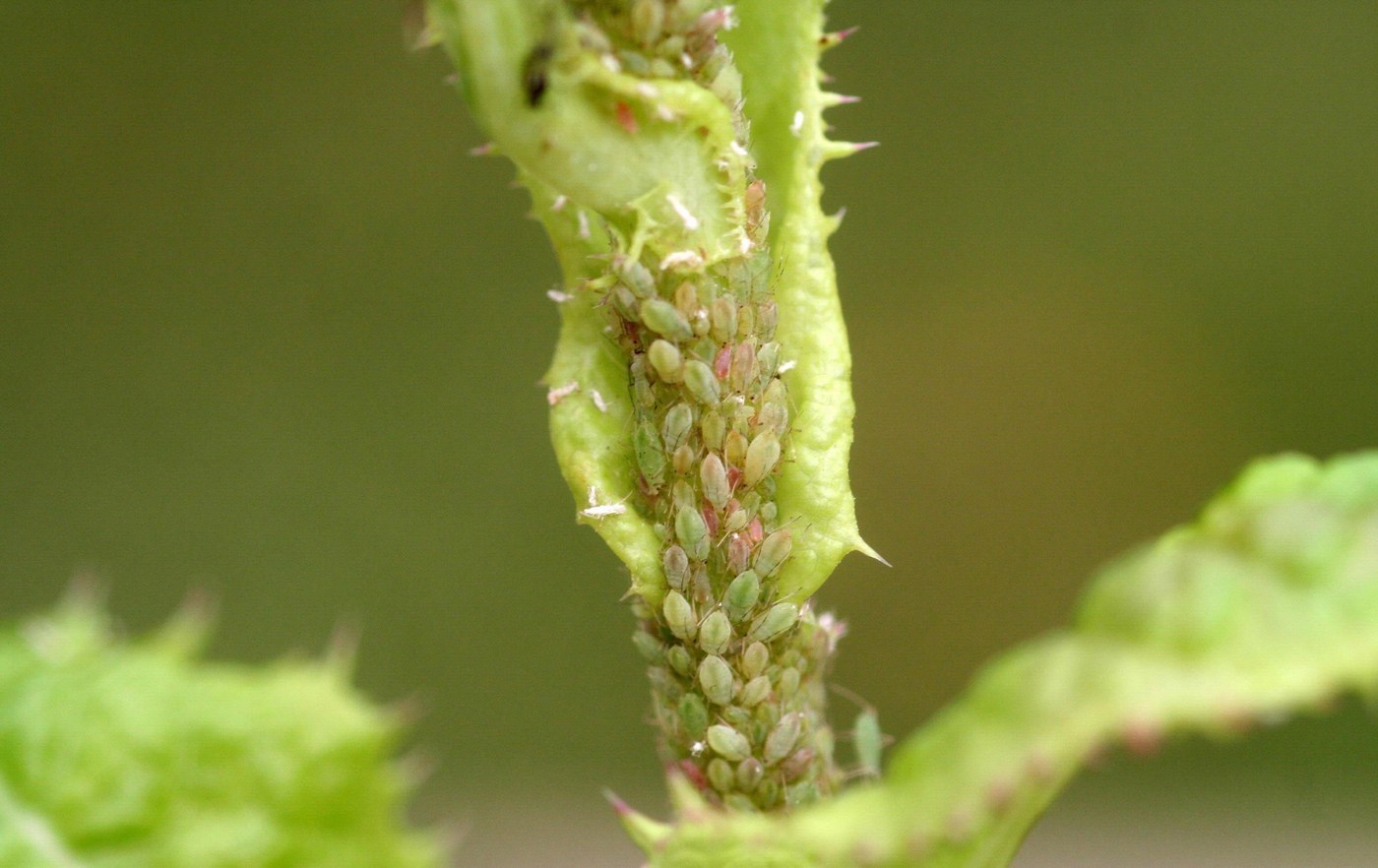
Aphid
On stems, leaves, and buds of a very wide range of host plants
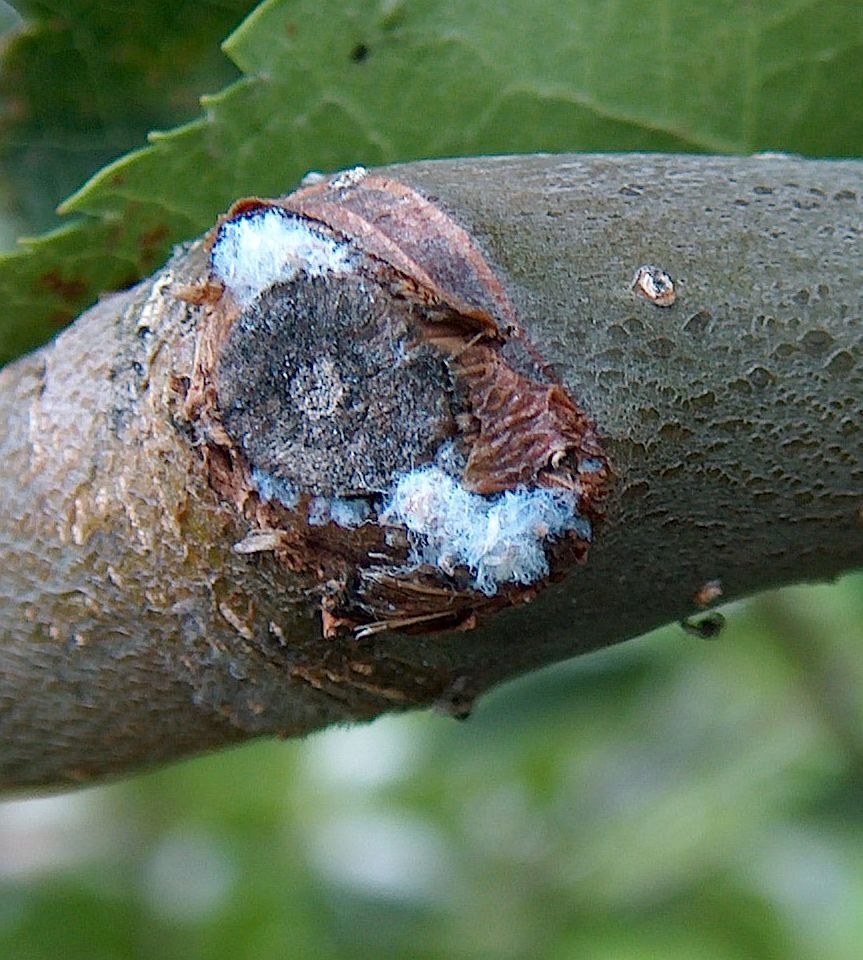
Woolly Aphid
Bark crevices, root collars, and twigs of apple, elm, and alder trees
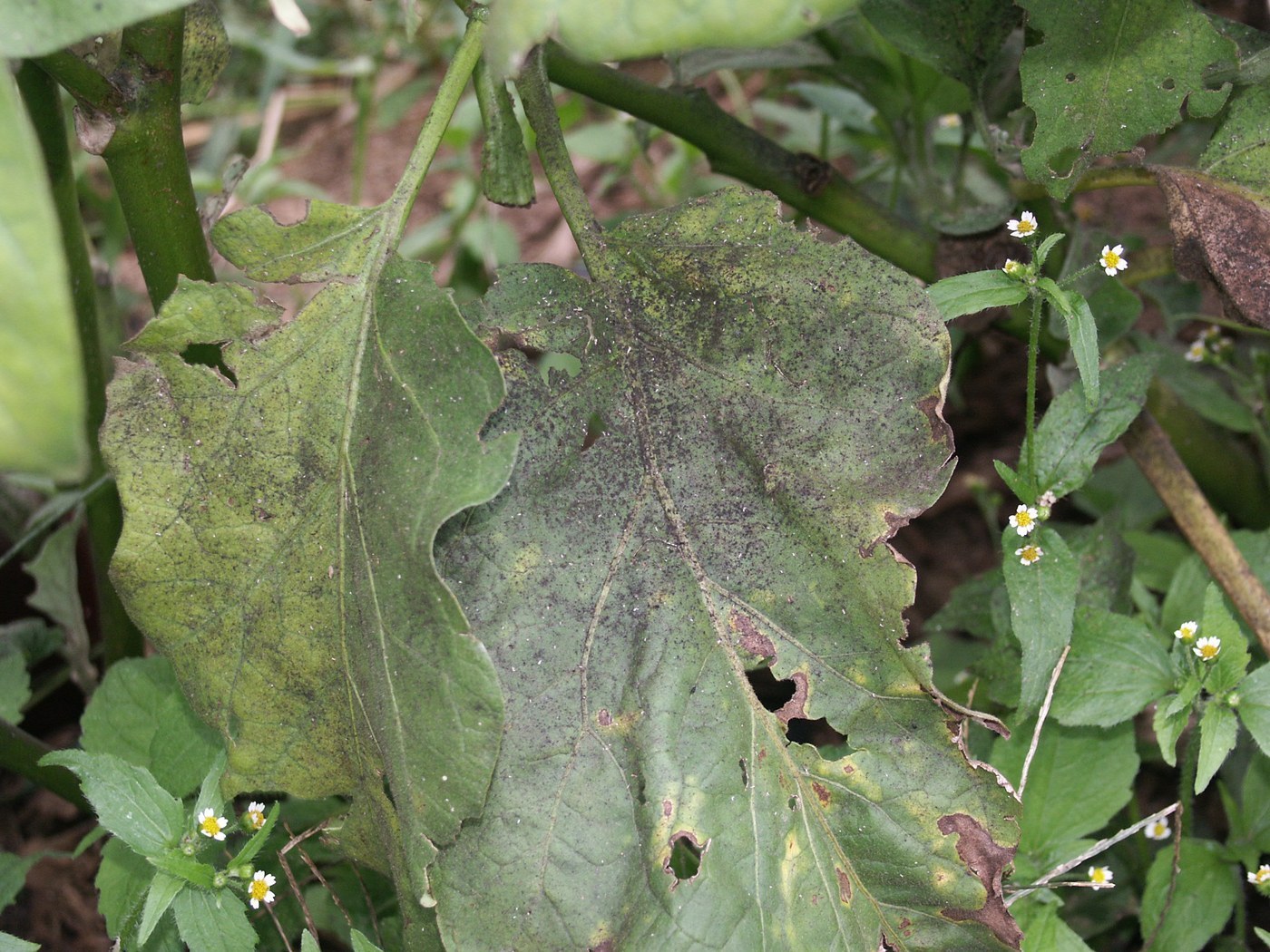
Whitefly
Greenhouses, gardens, and undersides of leaves on host plants
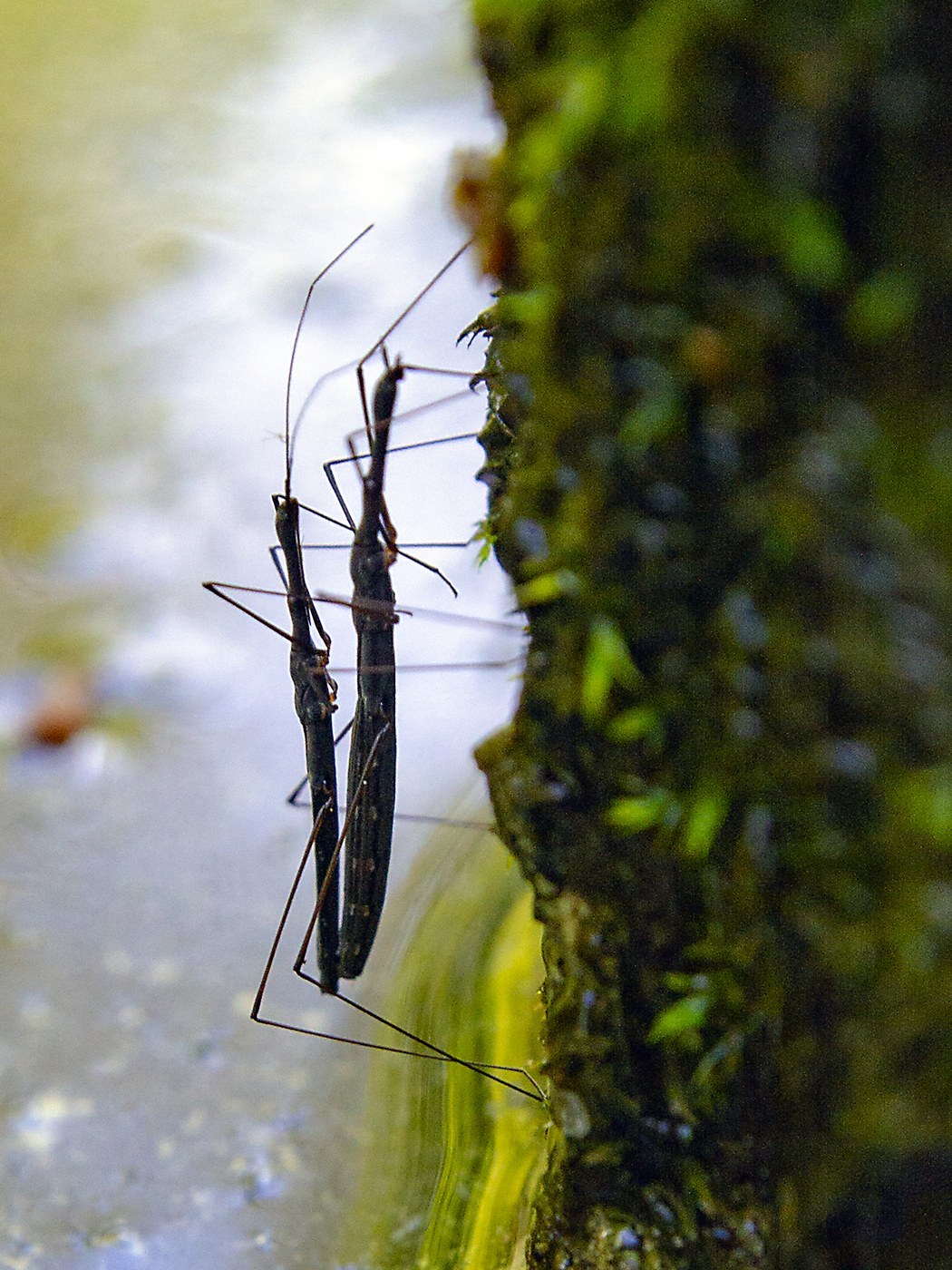
Water Measurer
Quiet edges of ponds, marshes, and slow streams
Two-Spotted Stink Bug
Gardens and fields with potato and nightshade-family plants