Metallic Wood-boring Beetle Identification Guide
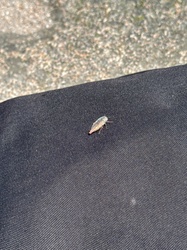
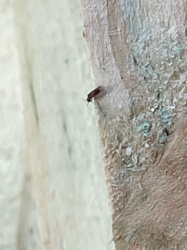
Recognize this bark-dwelling beetle by its metallic sheen, tapered body, and close association with tree trunks.
Read the full Metallic Wood-boring Beetle encyclopedia entry →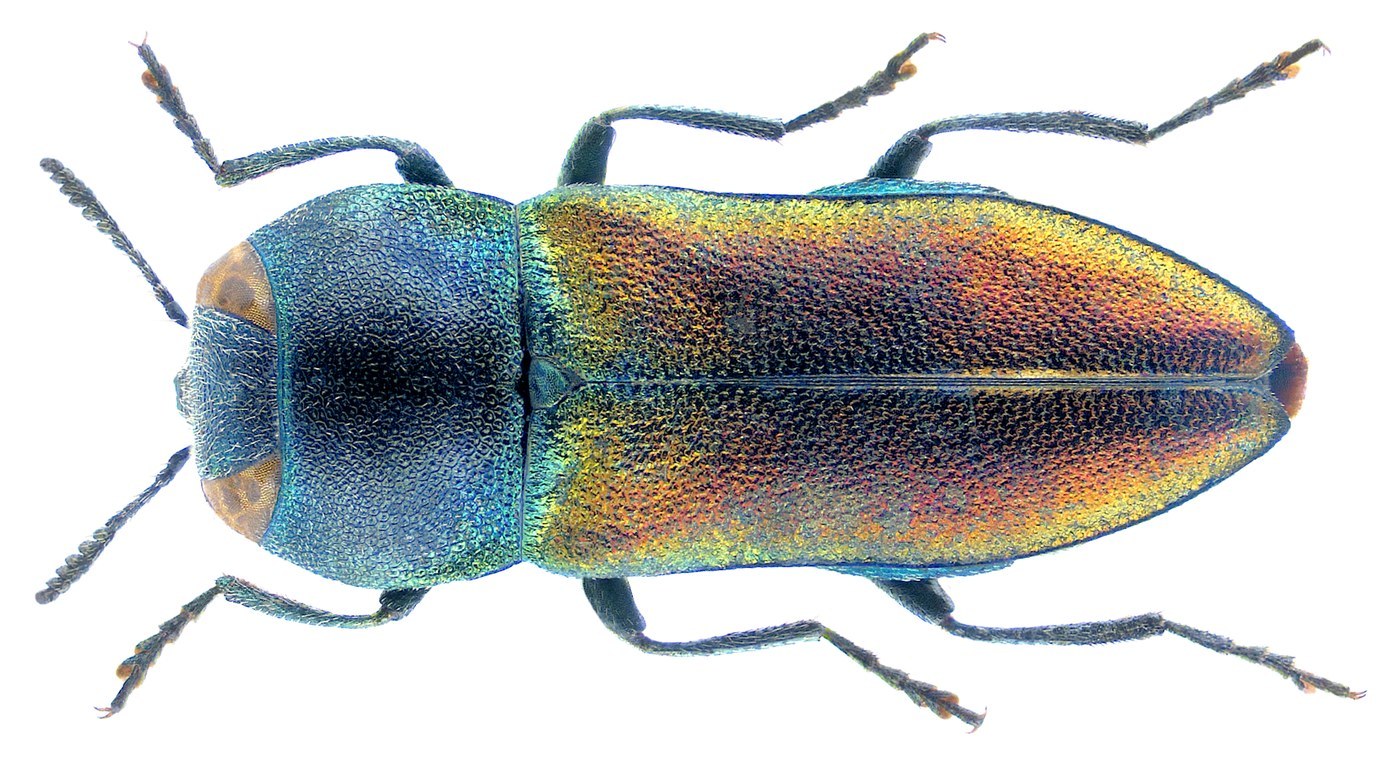
Key Visual Features
Metallic wood-boring beetles (family Buprestidae) are closely tied to trees and are named for their shimmering, metal-like shells:
- Coloring: A hard shell in metallic green, bronze, coppery, or blue-black tones, often with a glossy, almost polished appearance.
- Body shape: An elongated, cylindrical to slightly flattened body that tapers noticeably toward the rear end, giving a streamlined, bullet-like outline.
- Size: Most commonly seen species range from about a quarter inch to just over an inch long, though this varies by species.
- Antennae: Short, thread-like to slightly saw-toothed antennae held close to the head.
- Underside: Frequently flattened and metallic, matching or complementing the color of the upper body.
Where and When You'll See One
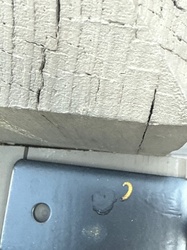
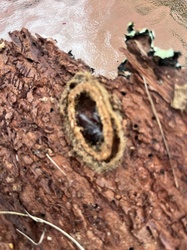
These beetles are found on the trunks and branches of trees, especially trees that are stressed, damaged, dying, or recently cut, since their larvae develop by tunneling in the wood beneath the bark. Adults are diurnal and most active on warm, sunny days, often seen basking directly on bark or resting on nearby leaves. A telltale sign of their presence is a small, distinctive D-shaped exit hole left in the bark once a larva completes its development and the adult emerges.
Similar-Looking Bugs
- Jewel beetles: Belong to the very same beetle family and share the metallic coloring and tapered body shape; the two names are often used somewhat interchangeably, though "metallic wood-boring beetle" more often refers to species closely tied to bark and wood habitats.
- Click beetles: Some species show a dark, elongated body, but click beetles have a distinctive spring-like mechanism between the head and thorax that lets them flip themselves upright, which wood-boring beetles lack.
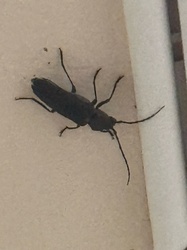
- Longhorn beetles: Also found on tree bark, but have noticeably long antennae, often longer than the body, unlike the wood-boring beetle's short antennae.
Quick ID Checklist
- Metallic green, bronze, coppery, or blue-black glossy shell
- Elongated, tapered, bullet-shaped body
- Short antennae close to the head
- Found on tree trunks and branches, especially stressed or dying trees
- Small D-shaped exit holes in bark nearby indicate larval activity
Frequently asked questions
What is a reliable sign that a metallic wood-boring beetle has been active on a tree?
Look for small, distinctive D-shaped exit holes in the bark, which mark where an adult beetle emerged after its larva finished developing inside the wood.
How can I tell a metallic wood-boring beetle from a longhorn beetle on the same tree?
Check the antennae length: wood-boring beetles have short antennae close to the head, while longhorn beetles have long antennae, often longer than their entire body.
What time of day are metallic wood-boring beetles most active?
They are diurnal and most active on warm, sunny days, often seen basking directly on bark or nearby foliage.
Why are these beetles often found on stressed or dying trees?
Their larvae develop by tunneling beneath the bark of such trees, so adults are frequently found on or near trunks and branches that are damaged, weakened, or recently cut.
Metallic Wood-boring Beetle identified by the community
Recent Metallic Wood-boring Beetle finds identified with Bug Identifier.