
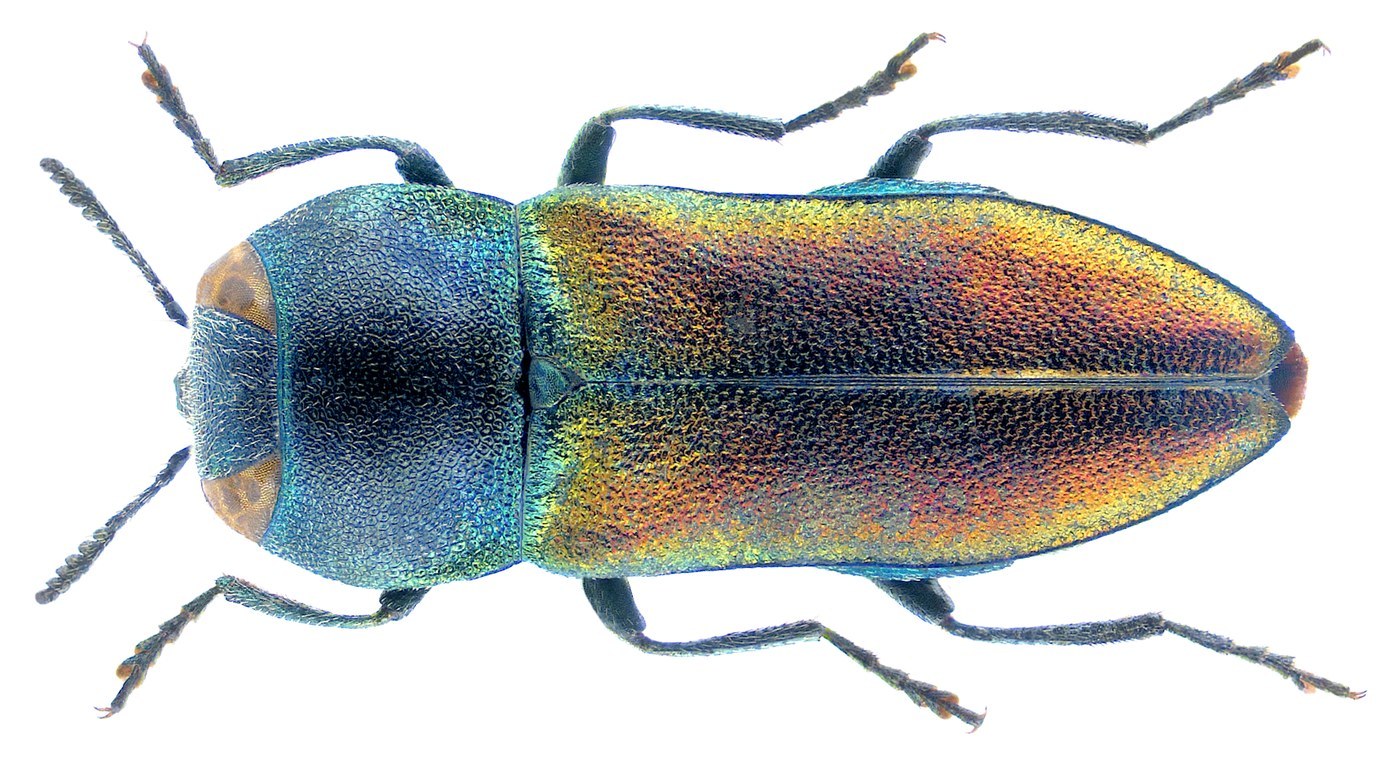
Metallic Wood-boring Beetle
Buprestidae spp.
The North American common name for jewel beetles, emphasizing the wood-tunneling habits of their larvae, which leave telltale flattened, D-shaped exit holes in bark of stressed or dying trees.
- Size
- 3–30 mm
- Habitat
- Tree trunks, branches, and stressed or dead wood in forests, orchards, and urban trees
- Danger
- Harmless
Spotted a bug like this?
Identify any bug or insect from a photo, free.
Overview
Metallic wood-boring beetle is the common name most often used in North America for the family Buprestidae — the same iridescent, bullet-shaped beetles known elsewhere as jewel beetles. The name highlights their larval life stage, when the grubs tunnel through the inner bark and sapwood of trees.
This family includes well-known genera such as Chrysobothris (flatheaded borers) and Agrilus, the genus that contains the emerald ash borer, one of the most economically significant tree pests introduced to North America in recent decades.
Adults are sun-basking, quick-flying beetles usually seen on bark or foliage, while the wood-boring larvae play a natural role in breaking down weakened, damaged, or dead trees, accelerating decomposition and nutrient cycling in forest ecosystems.
How to Identify
- Compact, elongated, tapering body with a hard, domed back and a coppery, bronze, green, or blue metallic sheen.
- Short antennae and strong, spade-like legs adapted for gripping bark.
- Larvae are legless, flattened, and cream-white with an enlarged, flattened segment just behind the head, giving rise to the name "flatheaded borer."
- Lookalikes: distinguished from roundheaded (longhorn beetle) borers by the flattened larval body and the D-shaped, rather than round, adult exit hole in bark.
Habitat & Range
These beetles are found wherever host trees grow, from forests and woodlots to orchards, parks, and street trees. Adults favor warm, sunlit bark surfaces and are most active on hot, sunny days in late spring through summer. Larvae remain hidden within bark and wood tissue, often concentrated on the sun-exposed side of trunks and limbs that are stressed, damaged, or declining in vigor.
Behavior & Diet
Adults are strong fliers that bask on tree trunks and branches, feeding lightly on foliage, bark, or flowers, and are quick to take flight when approached. Larvae feed by tunneling winding galleries through the cambium layer just beneath the bark, disrupting the tree's ability to move water and nutrients in heavily infested wood. Because they preferentially target already-weakened or stressed trees, they function ecologically as agents of decomposition, though certain species are considered pests of orchard, ornamental, or forest trees when populations are high.
Life Cycle
Development follows complete metamorphosis. Eggs are laid in bark crevices, and larvae bore inward to feed on the phloem and outer sapwood, passing through several instars over a period of one to two years depending on species and wood conditions. Pupation occurs within a chamber in the wood, and the emerging adult chews its way out through a flattened, D-shaped hole. Most species have one generation per year in temperate climates, overwintering as larvae inside the tree.
Frequently asked questions
Is this the same as a jewel beetle?
Yes — "metallic wood-boring beetle" and "jewel beetle" both refer to the family Buprestidae; the former name emphasizes the larval wood-boring habit.
How can I tell it was here?
Look for a flattened, D-shaped exit hole in bark, along with winding galleries beneath the bark surface.
Does it attack healthy trees?
Most species target trees that are already stressed, damaged, or declining, though a few can affect otherwise healthy hosts.
How big is the larva compared to the adult?
Larvae can be similar in length to the adult but are legless, flattened, and cream-colored, quite different in appearance from the metallic adult.
Metallic Wood-boring Beetle guides
In-depth guides for identifying, understanding, and living alongside Metallic Wood-boring Beetle.
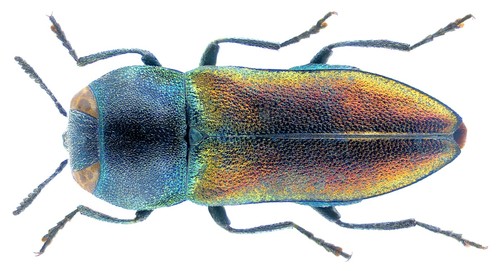
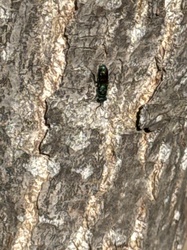
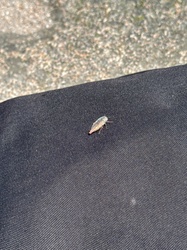
Metallic Wood-boring Beetle identified by the community
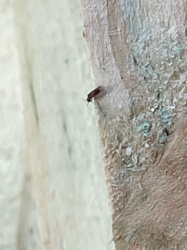
Real finds identified with Bug Identifier.

Other bugs you may enjoy
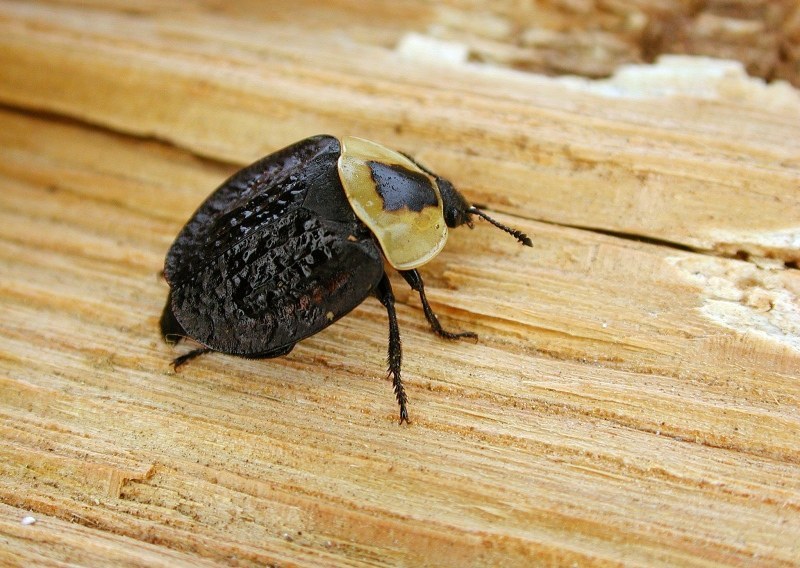
American Carrion Beetle
Forests, fields, and roadsides across North America, near decaying animal carcasses
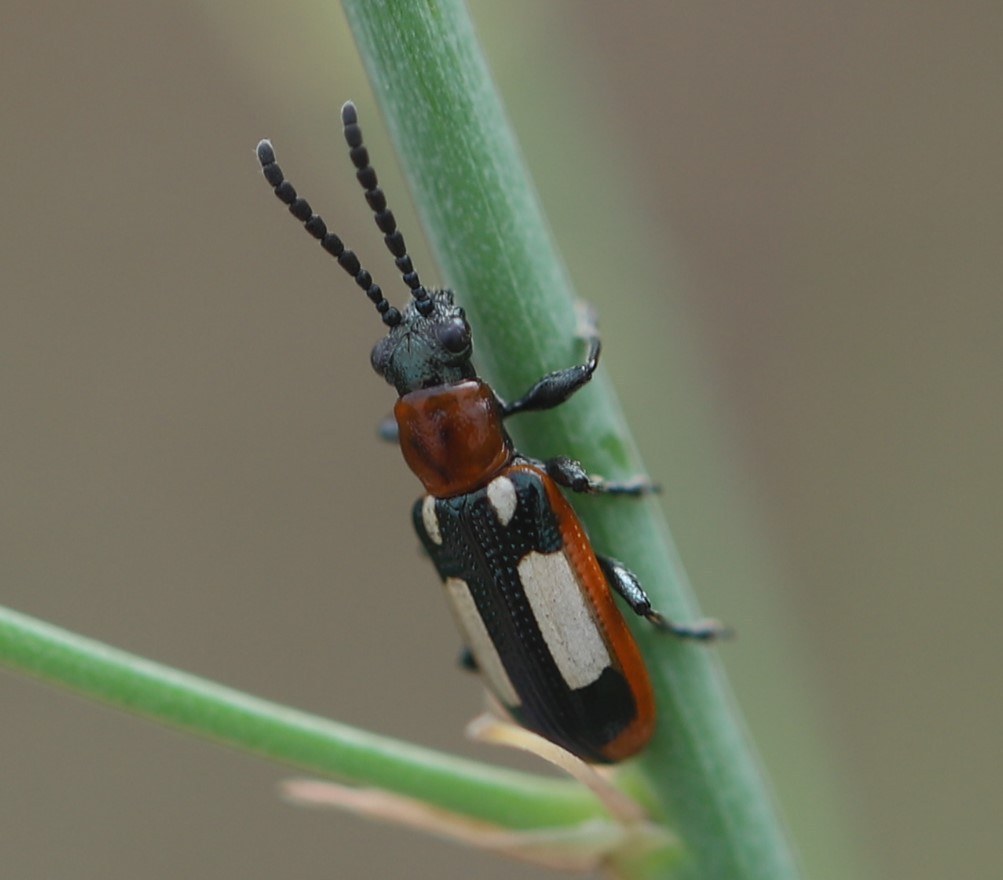
Asparagus Beetle
Asparagus patches, gardens, and farm fields
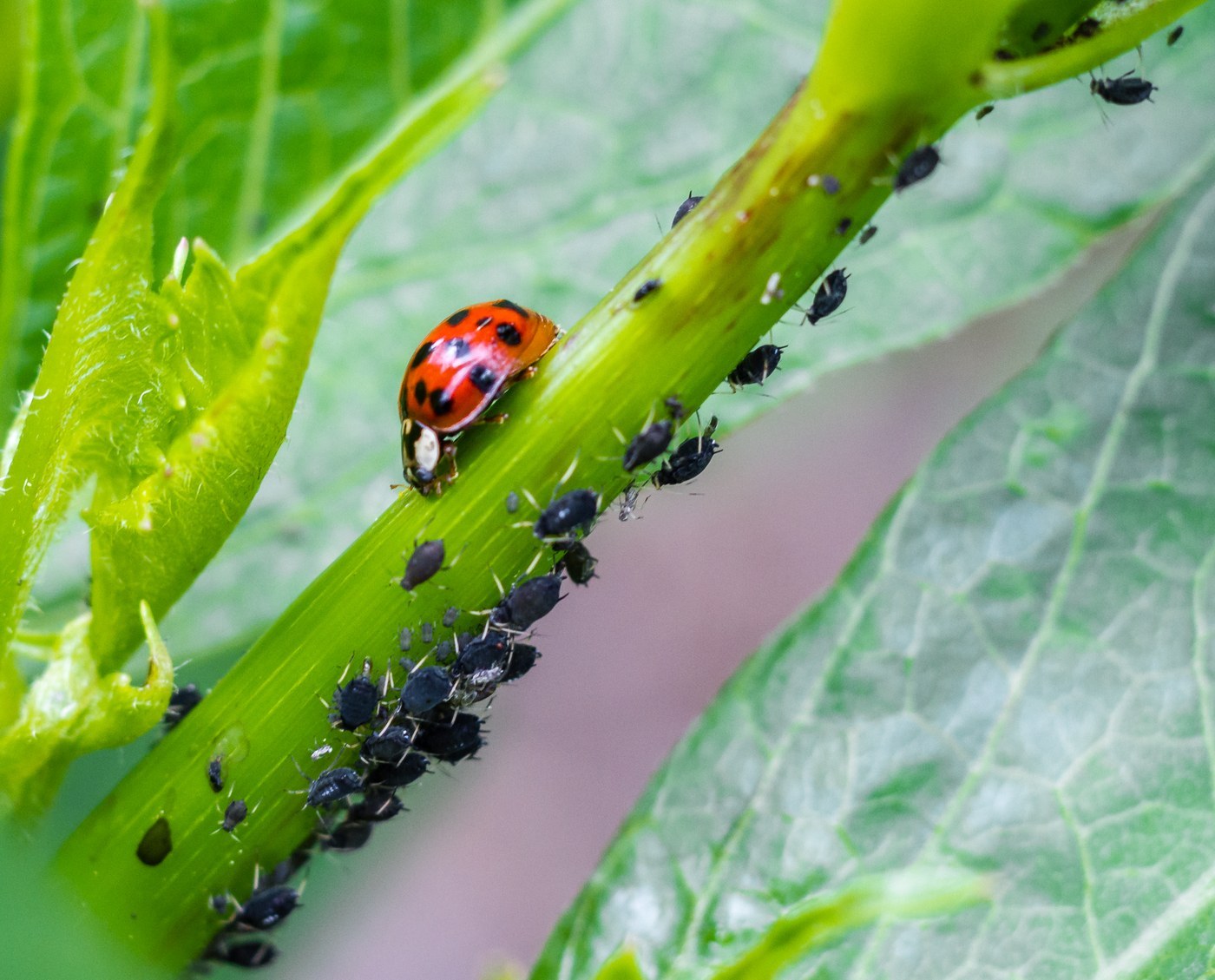
Asian Lady Beetle
Gardens, crop fields, woodlands, buildings
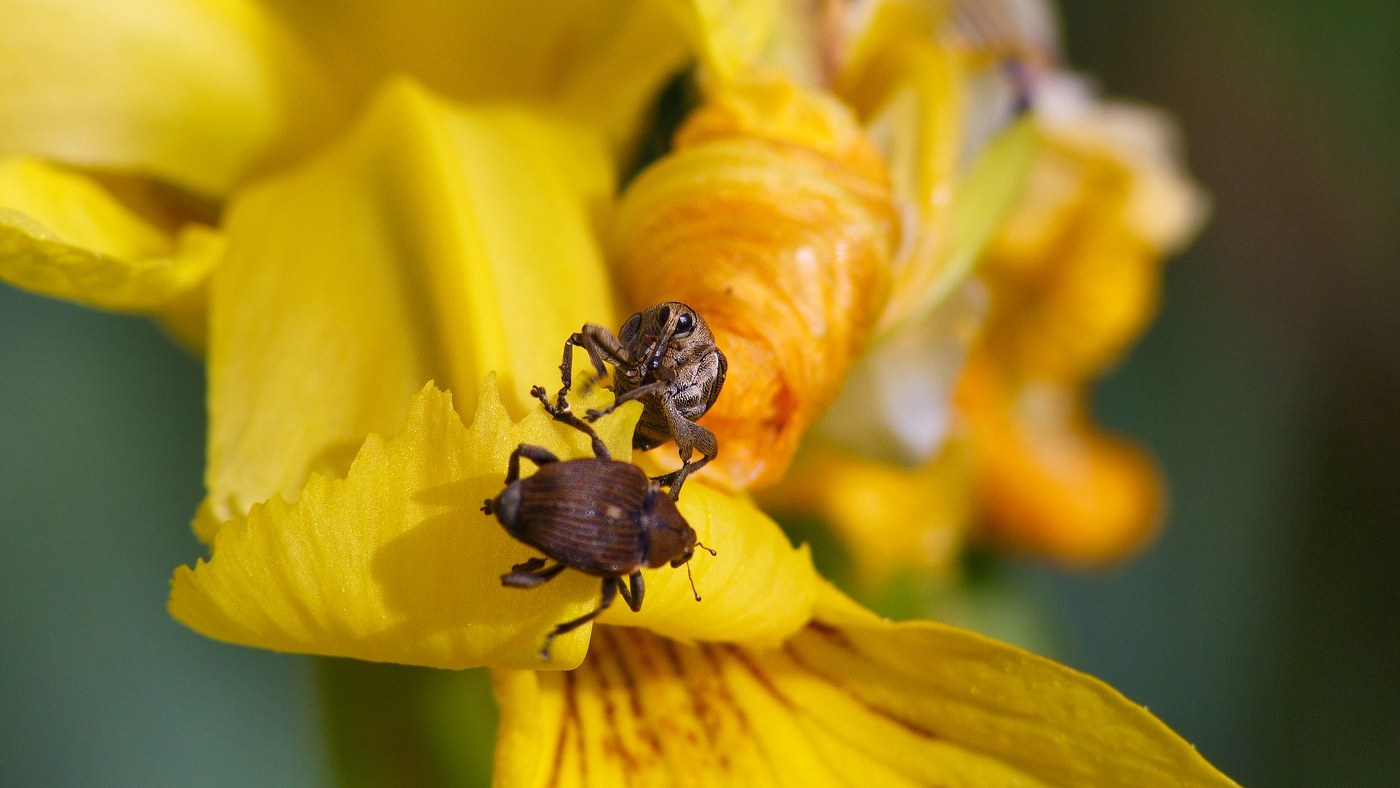
Acorn Weevil
Oak woodlands and forests, on and beneath oak trees
Wireworm
Soil of grasslands, gardens, and cultivated fields worldwide
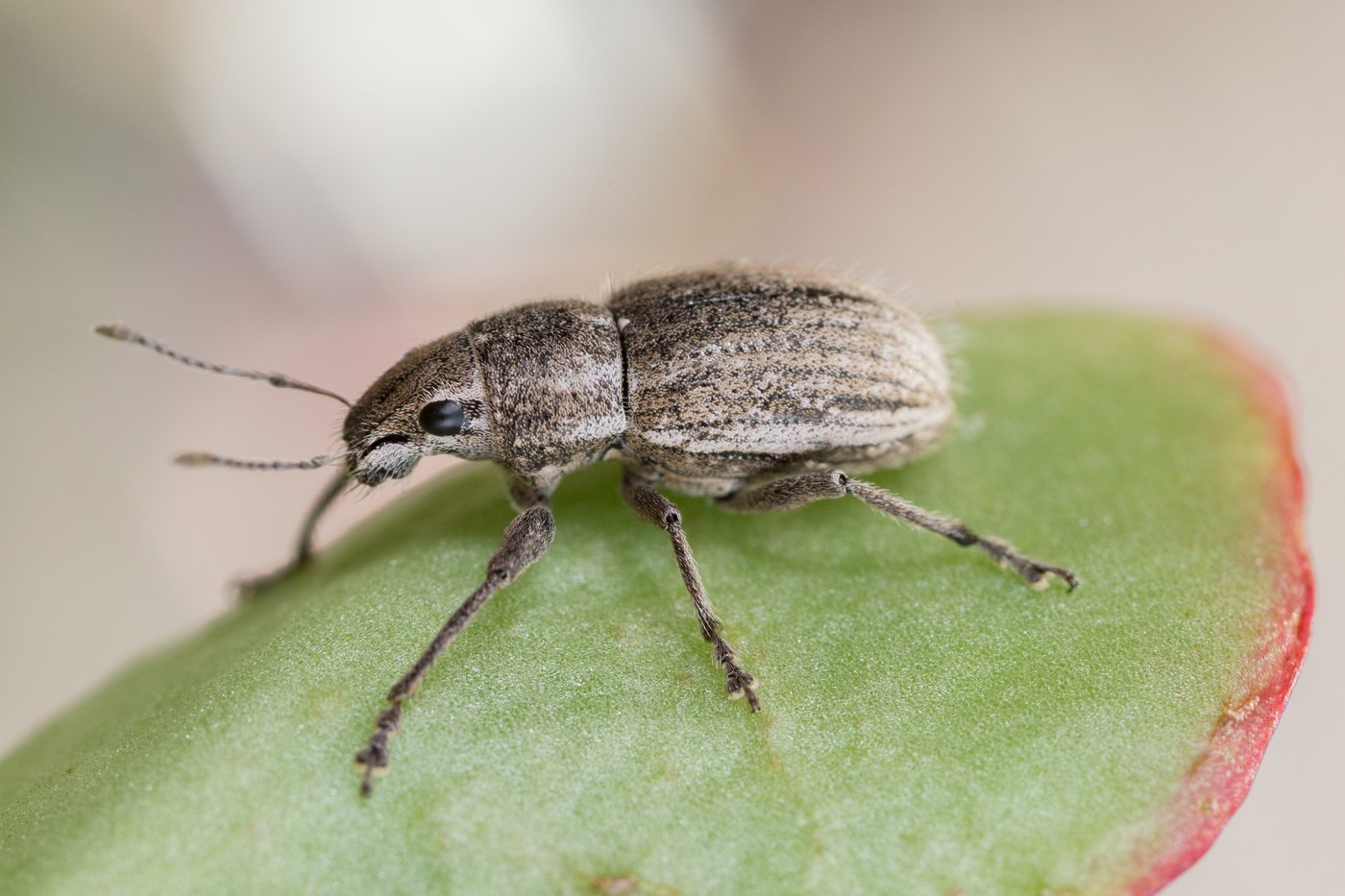
Whitefringed Beetle
Pastures, row crops, lawns, disturbed soils
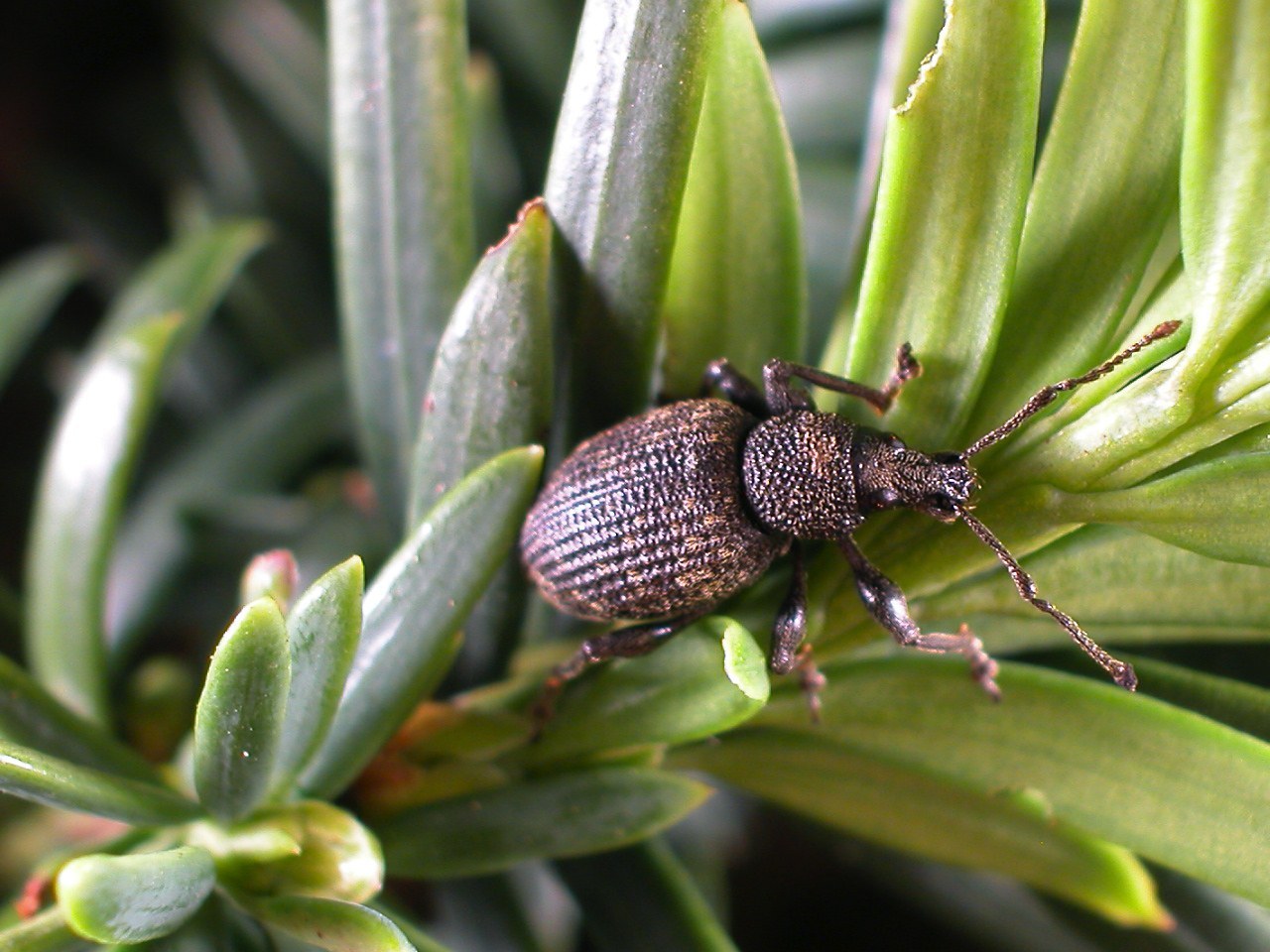
Vine Weevil
Gardens, nurseries, greenhouses, and container plantings
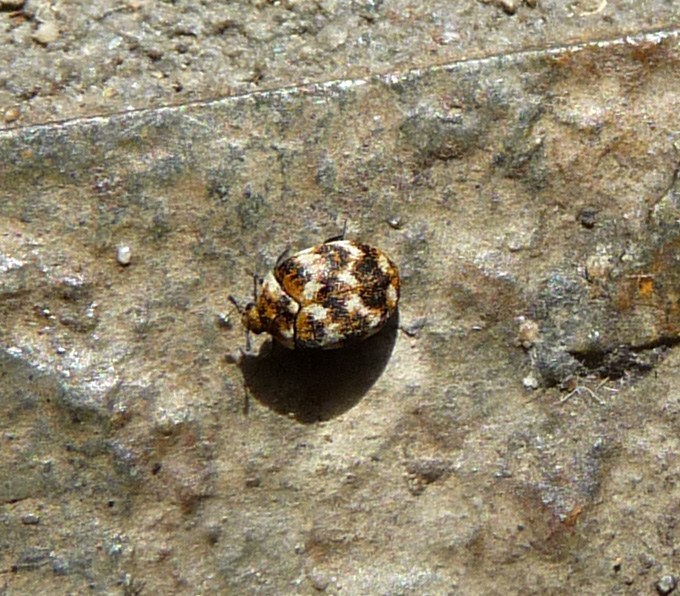
Varied Carpet Beetle
Homes, nests of birds and mammals, and flowers outdoors
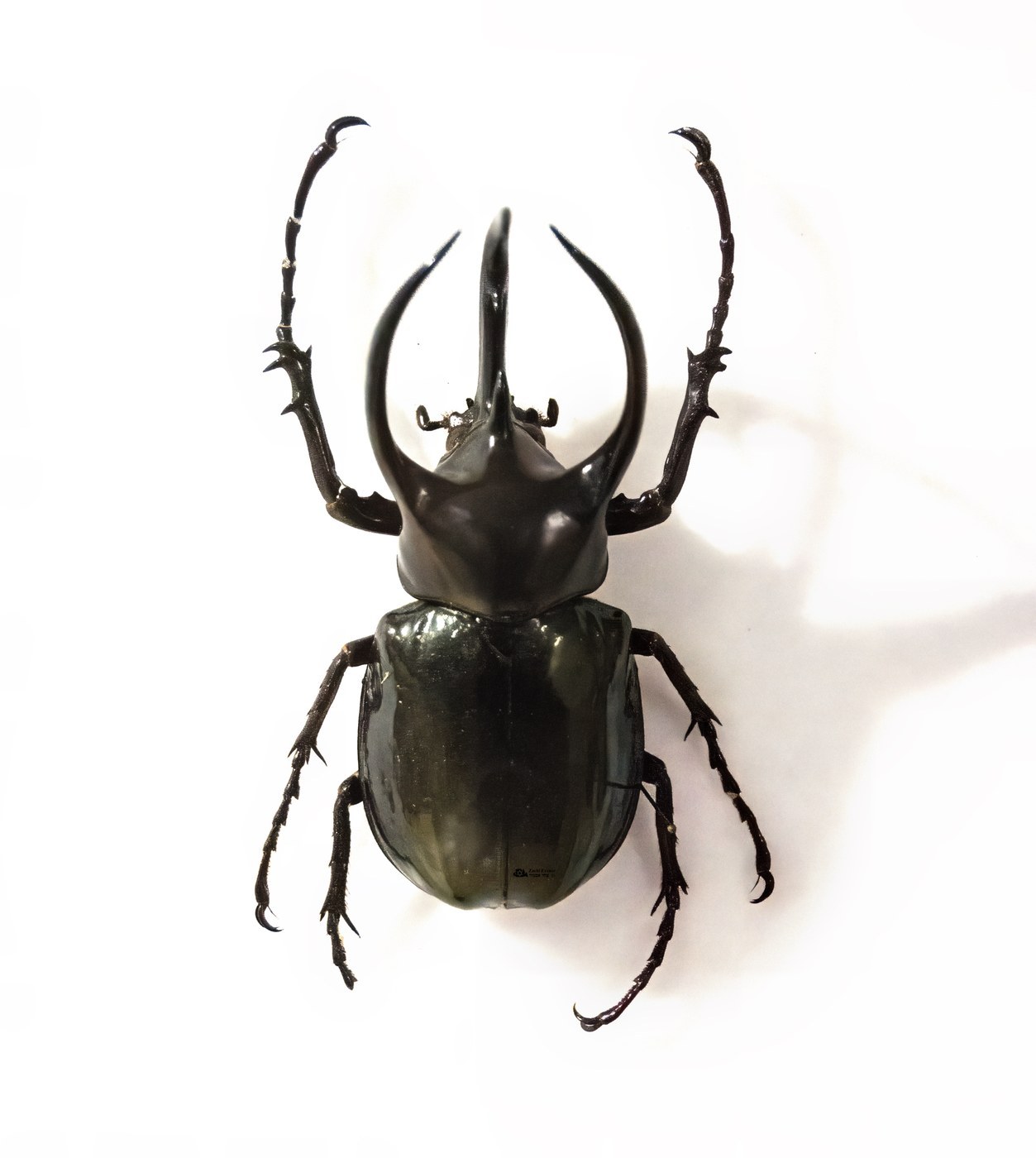
Atlas Beetle
Tropical forests of Southeast Asia
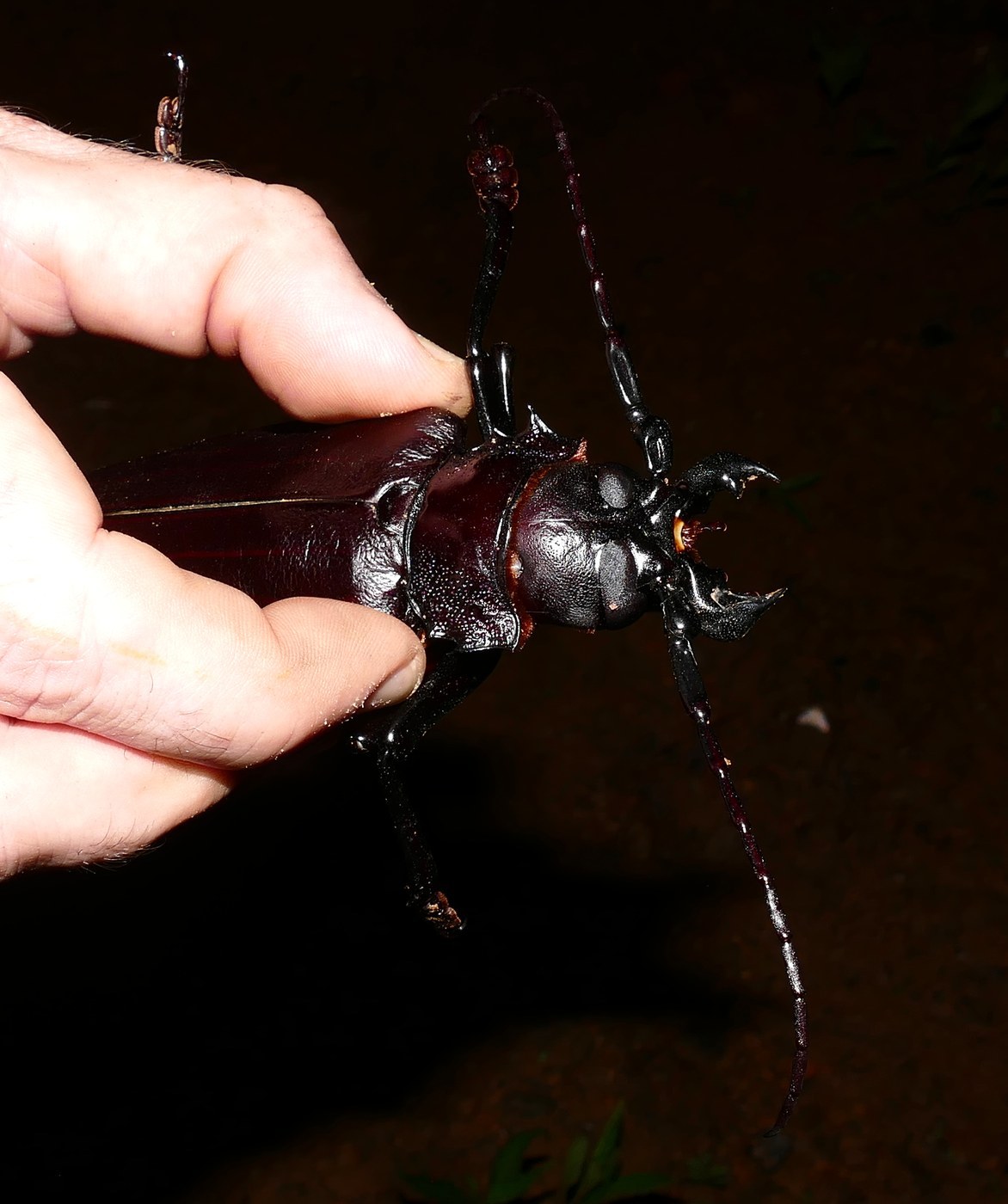
Titan Beetle
Amazon rainforest of South America
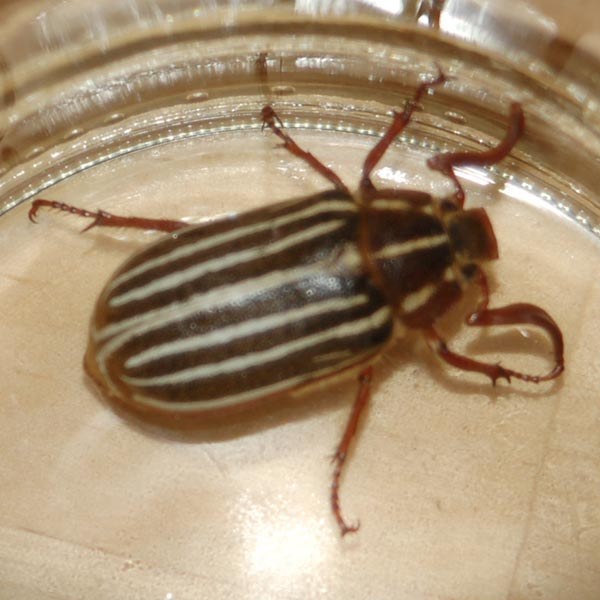
Ten-lined June Beetle
Sandy soils, pine forests, and orchards of western North America
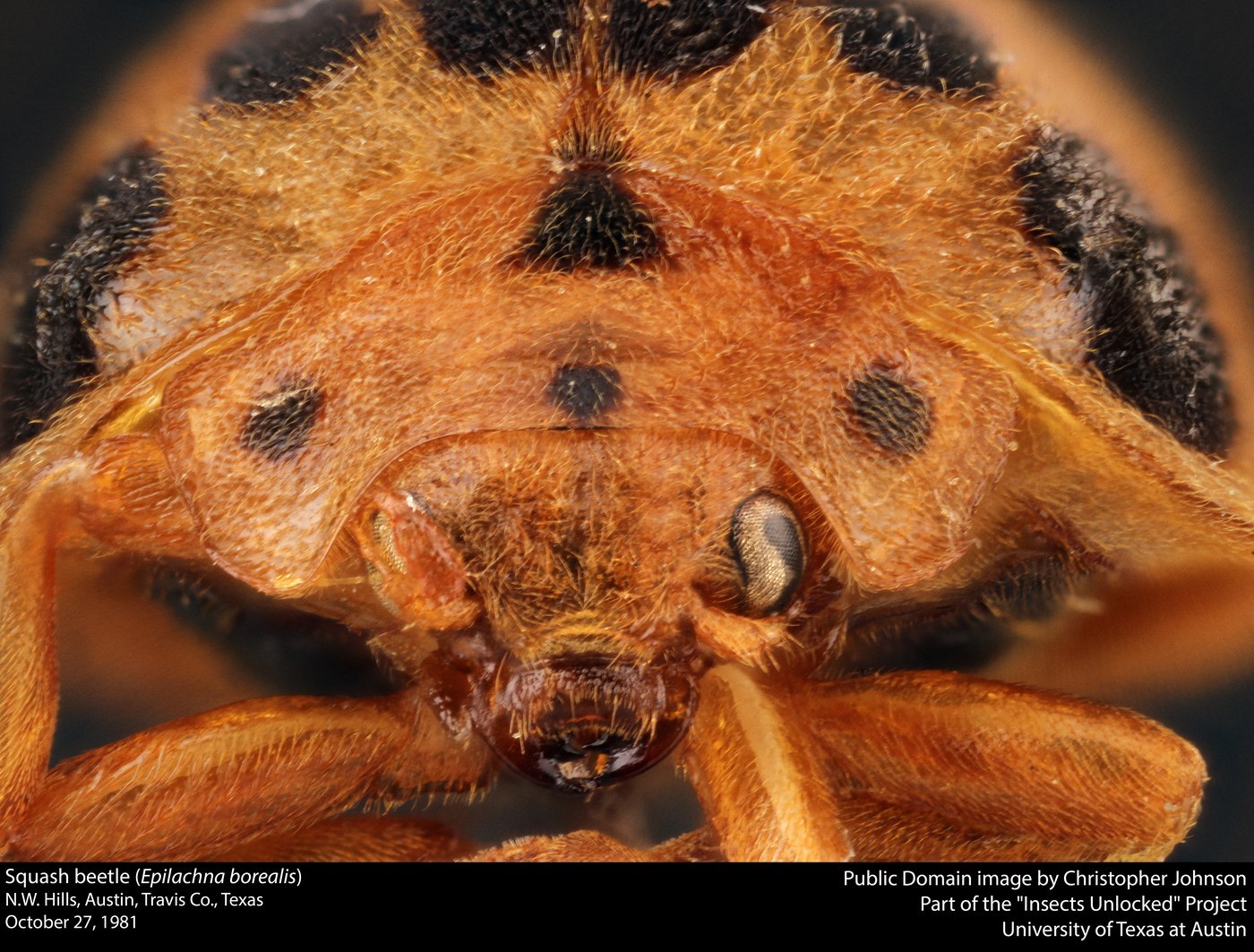
Squash Beetle
Vegetable gardens and fields growing squash, pumpkin, and other cucurbits