Pharaoh Ant Identification Guide
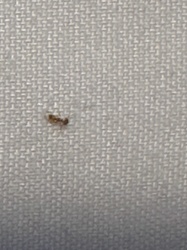
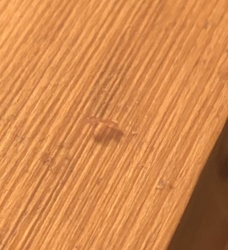
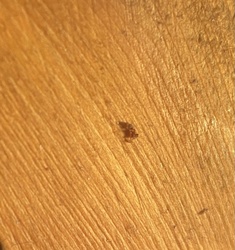
Identify the Pharaoh Ant by its tiny size, pale yellow-orange color, and darker abdomen tip.
Read the full Pharaoh Ant encyclopedia entry →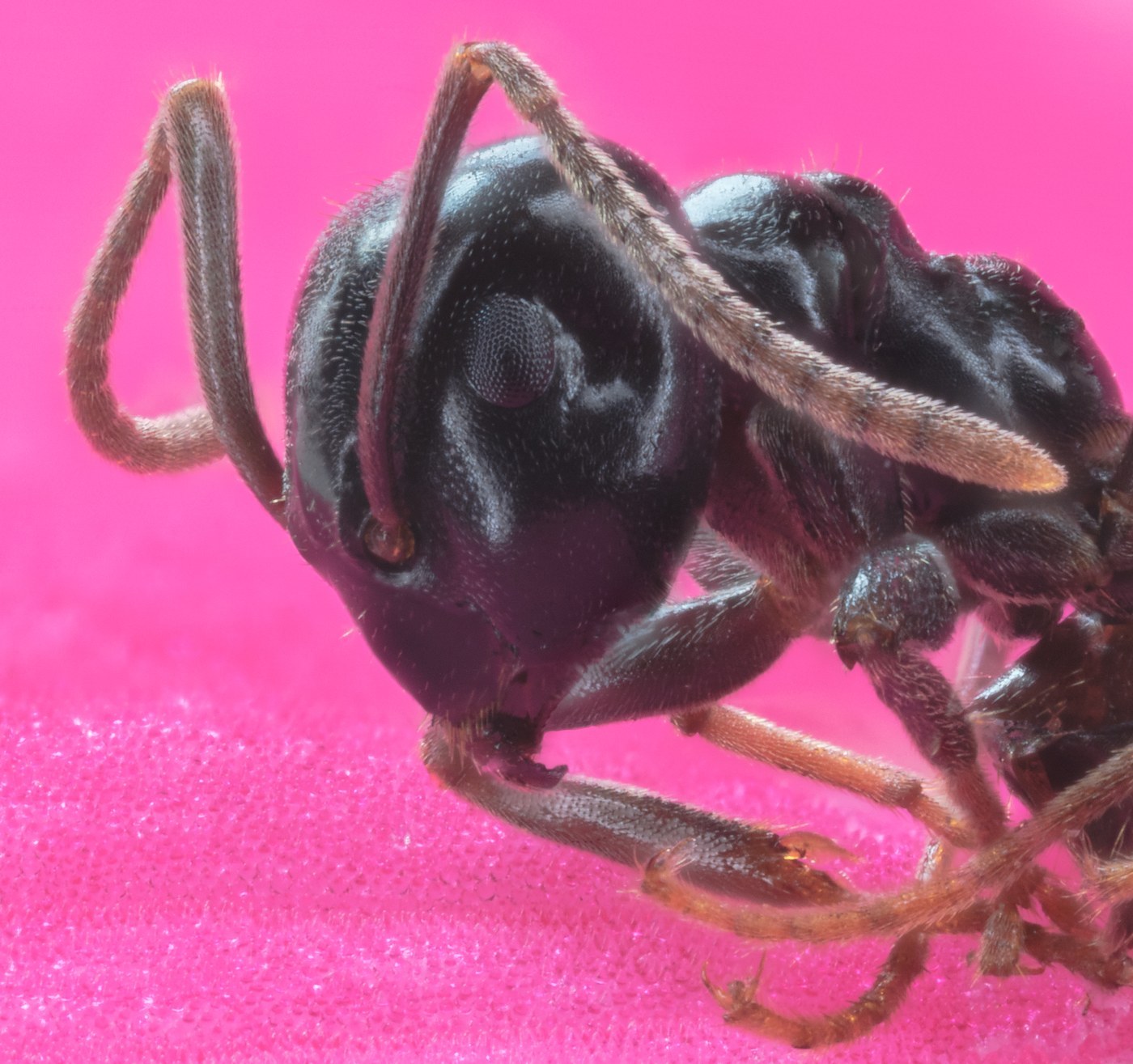
Key Visual Features
- Very small ant, only about 1.5-2 mm long, among the tiniest commonly encountered ant species.
- Body is pale yellow to light orange-brown, with a slightly darker, sometimes almost blackish tip on the abdomen.
- Body has a somewhat translucent quality due to its small size and light coloring.
- Waist has two nodes between the thorax and abdomen, visible only under magnification given the ant's tiny size.
- Antennae end in a three-segmented club, another feature best confirmed with a hand lens or microscope.
- Workers are uniform in size (monomorphic), unlike species with soldier or major worker castes.
Where and When You're Likely to See It
- Believed to have originated in tropical Africa or Asia, now spread worldwide, especially in warm indoor environments in temperate climates.
- Rarely nests outdoors in cooler regions; instead favors warm, humid indoor locations such as within wall voids, behind baseboards, under flooring, and near heating systems.
- Because colonies rely on stable warmth, they are active year-round indoors regardless of outdoor season.
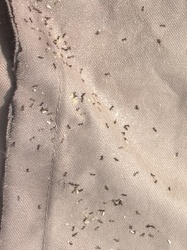
- Forages along thin, faint trails that can appear almost anywhere indoors, following wall lines, pipes, and cracks in search of food and moisture.
- Colonies can have multiple queens and may split into new colonies (budding) when disturbed, so trails can appear in more than one nearby area.
Similar-Looking Species
- Odorous house ants are darker brown to black and considerably larger, with an uneven thorax profile and a distinct odor when crushed.
- Argentine ants are larger and uniformly brown rather than pale yellow-orange.
- Thief ants are similarly tiny and pale but have a two-segmented antennal club rather than the three-segmented club of pharaoh ants, a distinction that generally requires magnification to confirm.
- Fire ant workers are more reddish overall and considerably more varied in size within a colony.
Quick ID Checklist
- Extremely small (1.5-2 mm), pale yellow to light orange body.
- Slightly darker tip on the abdomen.
- Two-segmented waist, best seen with magnification.
- Uniform worker size across the colony.
- Faint indoor trails near warm, humid areas like wall voids or heating systems.
Frequently asked questions
How small is a Pharaoh Ant compared to other household ants?
At only about 1.5-2 mm, it is among the smallest commonly encountered ants, noticeably tinier than species like the odorous house ant or pavement ant.
Why do Pharaoh Ants seem to live mostly indoors?
In cooler climates they rely on the stable warmth and humidity of indoor spaces such as wall voids and heating systems, since they generally cannot survive outdoors year-round in those regions.
What color distinguishes a Pharaoh Ant from similar tiny ants?
It has a pale yellow to light orange-brown body with a noticeably darker tip on the abdomen, unlike the more uniformly dark bodies of many other small ants.
Why do Pharaoh Ant trails sometimes appear in multiple spots at once?
Colonies often have multiple queens and can split into new nest sites, which can produce foraging trails in several nearby areas simultaneously.
Pharaoh Ant identified by the community
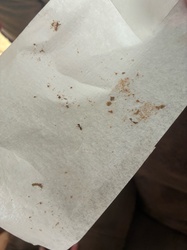
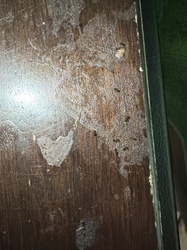
Recent Pharaoh Ant finds identified with Bug Identifier.