
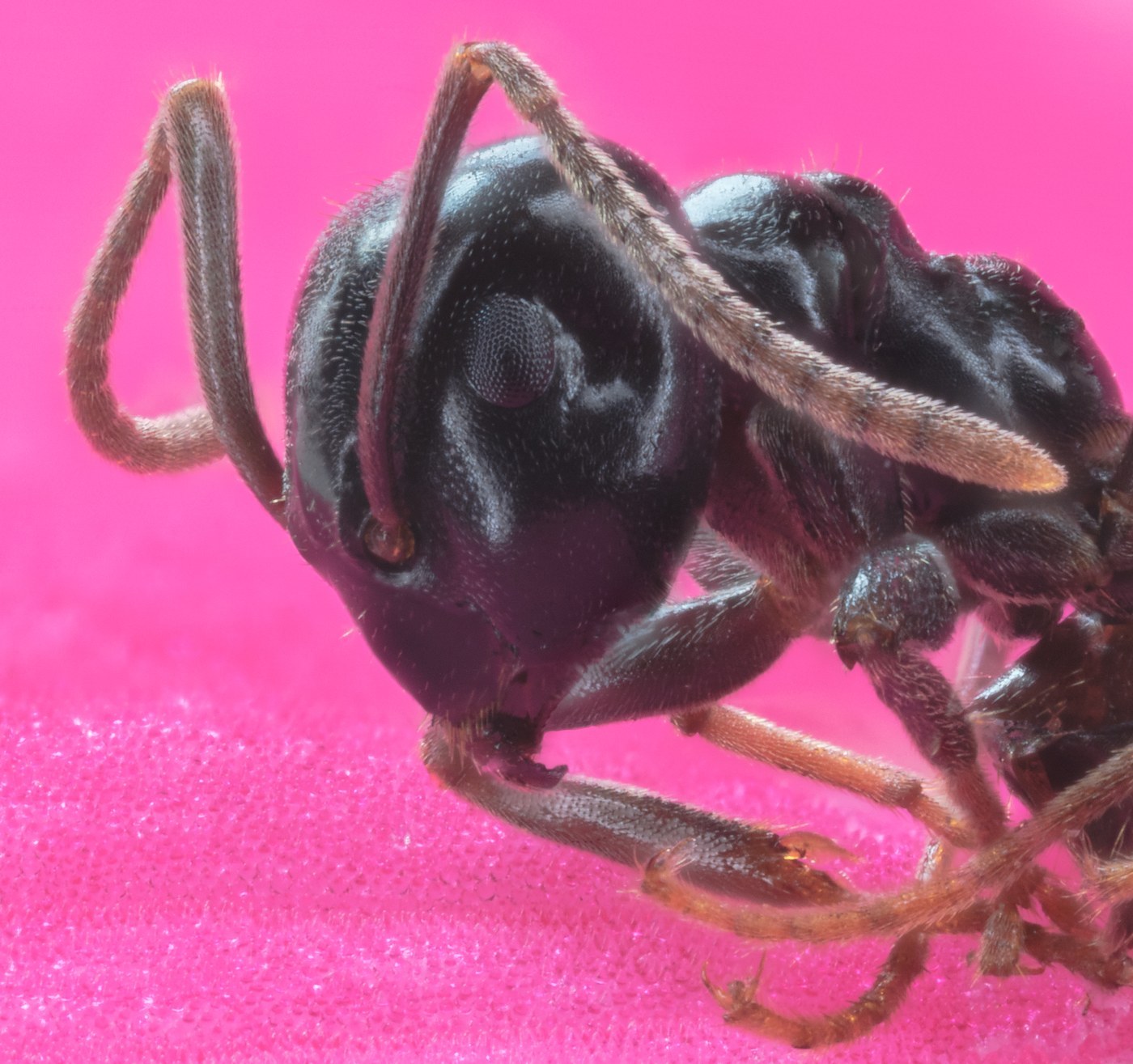
Pharaoh Ant
Monomorium pharaonis
A tiny, pale-yellow ant that thrives almost exclusively indoors, forming vast interconnected colonies within the warm voids of heated buildings.
- Size
- Workers about 1.5-2 mm long
- Habitat
- Warm, humid indoor voids such as wall cavities and heating ducts
- Danger
- Nuisance pest
Spotted a bug like this?
Identify any bug or insect from a photo, free.
Overview
The pharaoh ant is a diminutive species believed to have originated in tropical Africa or Asia, though its true native range is uncertain because it has spread so extensively that it now occurs almost worldwide within heated buildings. It cannot survive outdoors in temperate climates and is instead found year-round indoors, particularly in structures with stable warmth and humidity.
This species is notorious among structural pest specialists for its unusual colony behavior. Rather than a single central nest, pharaoh ant colonies are polygynous and readily split into new satellite nests when disturbed, allowing populations to spread rapidly through a building's wall voids, false ceilings, and electrical conduits.
Despite its name evoking ancient Egypt (a naming based on an early, now-discredited belief about its origin), the species has no particular association with Egypt beyond this historical misconception.
How to Identify
- Extremely small workers, about 1.5-2 mm long
- Pale yellow to light honey-brown body with a slightly darker abdomen tip
- Two nodes on the petiole
- Nearly translucent appearance under magnification due to small size
- Forms narrow, persistent foraging trails along edges and pipes indoors
- Distinguished from little black ants and ghost ants by its yellowish rather than black or bicolored coloring
Habitat & Range
Pharaoh ants are almost entirely dependent on artificial heated environments in temperate regions, nesting within wall voids, insulation, subfloor areas, and other warm, humid, hard-to-reach spaces in buildings such as apartments, hospitals, and commercial structures. In naturally warm tropical and subtropical climates, they can also persist outdoors in soil and leaf litter.
Behavior & Diet
This species is a generalist omnivore, foraging for proteins, fats, and sugary foods along extensive trails that can range far from the nest. Colonies are highly polygynous, sometimes containing hundreds of reproductive queens, and lack strong territorial boundaries between related nests. When a colony is disturbed, groups of workers and queens readily bud off to establish new satellite nests elsewhere in a structure, a trait that allows populations to spread quickly through a building.
Life Cycle
Development proceeds through the typical ant stages of egg, larva, pupa, and adult (complete metamorphosis). Unlike many ant species, pharaoh ants do not rely primarily on winged mating flights; reproduction and mating largely occur within the nest, and colonies reproduce mainly through budding. In heated indoor environments, brood production can continue continuously throughout the year without a seasonal pause.
Frequently asked questions
Why are pharaoh ants called that?
The common name stems from an old, mistaken belief that the species originated in ancient Egypt; its actual origin is thought to be tropical Africa or Asia.
Can pharaoh ants survive outdoors in cold climates?
No, in temperate regions they depend on the stable warmth of heated buildings and cannot survive outdoor winters.
How do pharaoh ant colonies spread through a building?
Colonies readily split into new satellite nests, called budding, allowing groups of workers and queens to establish new nest sites throughout wall voids and other warm spaces.
How big is a pharaoh ant?
Workers are extremely small, typically only about 1.5 to 2 millimeters long, and pale yellow in color.
Pharaoh Ant guides
In-depth guides for identifying, understanding, and living alongside Pharaoh Ant.
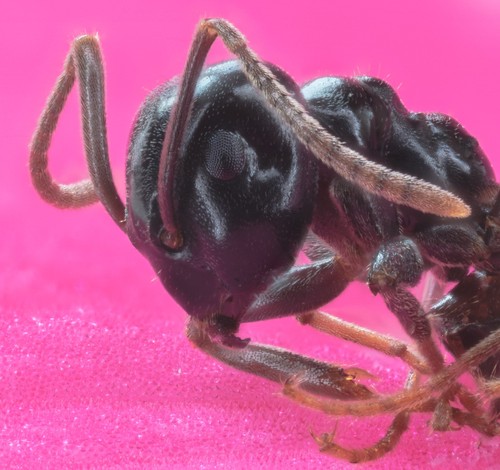
Pharaoh Ant identified by the community
Real finds identified with Bug Identifier.
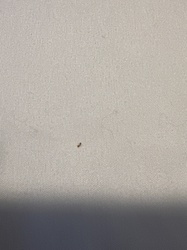
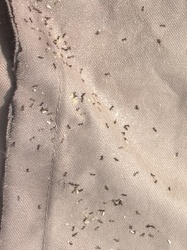
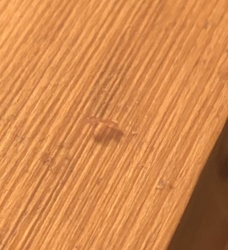
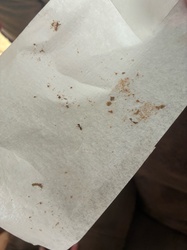
Other bugs you may enjoy
Argentine Ant
Disturbed urban soil, gardens, and building perimeters
Ant
Gardens, lawns, woodlands, sidewalks, and buildings worldwide
Weaver Ant
Canopy of tropical forests, orchards, and mangroves
Sugar Ant
Gardens, woodlands, and urban areas; nests in soil, timber, or tree hollows
Trap-Jaw Ant
Tropical and subtropical forests, leaf litter, sandy coastal soils
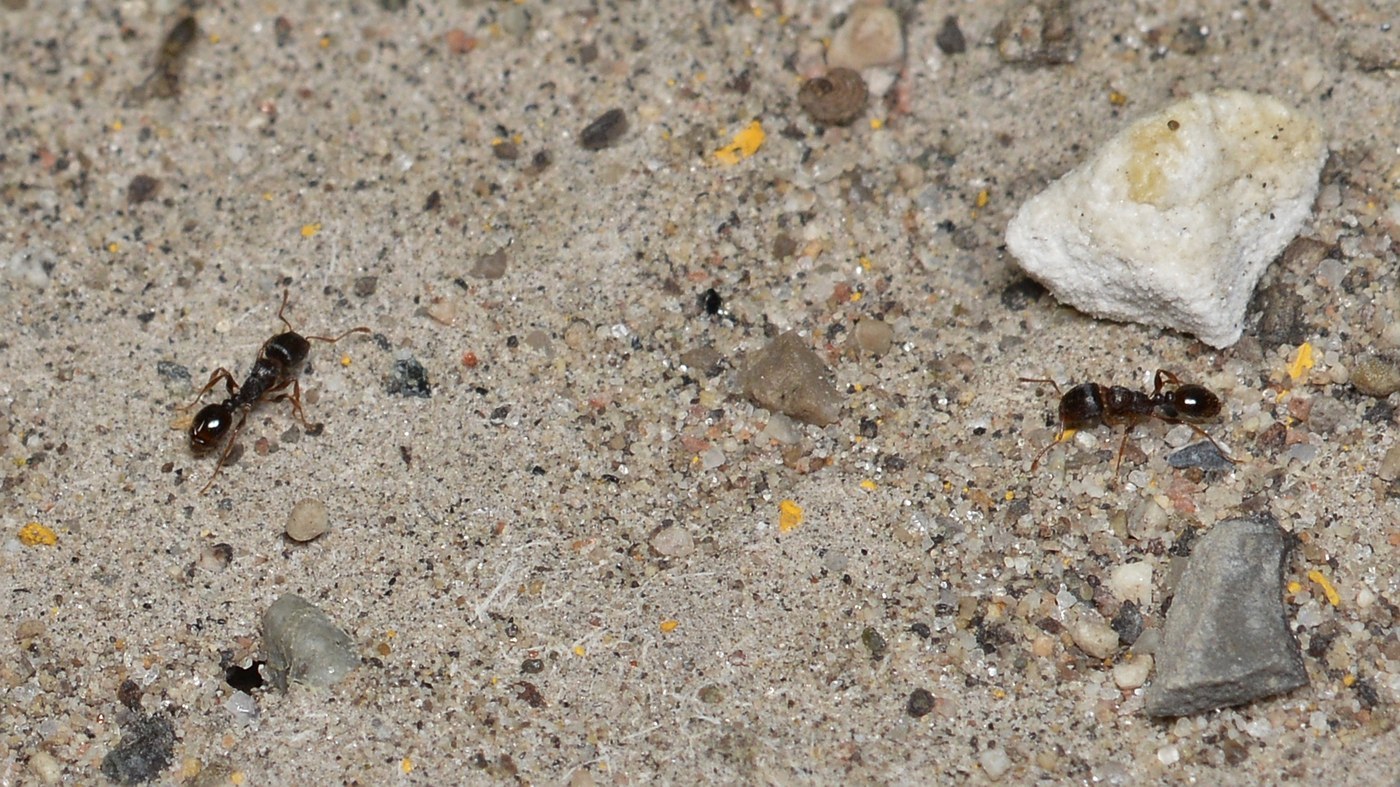
Pavement Ant
Cracks in sidewalks, driveways, and building foundations
Odorous House Ant
Soil, mulch, wall voids, and areas near moisture indoors and out
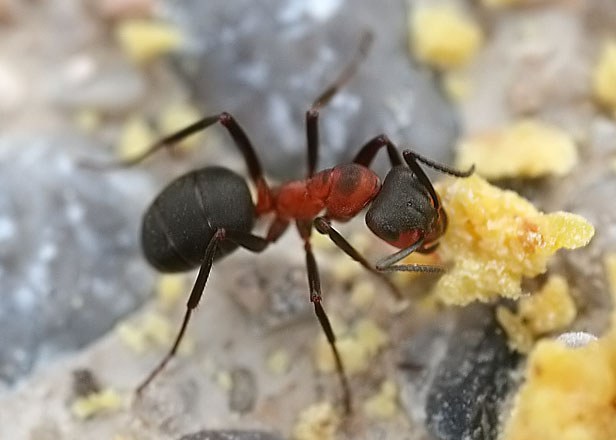
Red Wood Ant
Coniferous and mixed woodland, forest clearings and edges
Harvester Ant
Arid grasslands, deserts, and open sandy areas
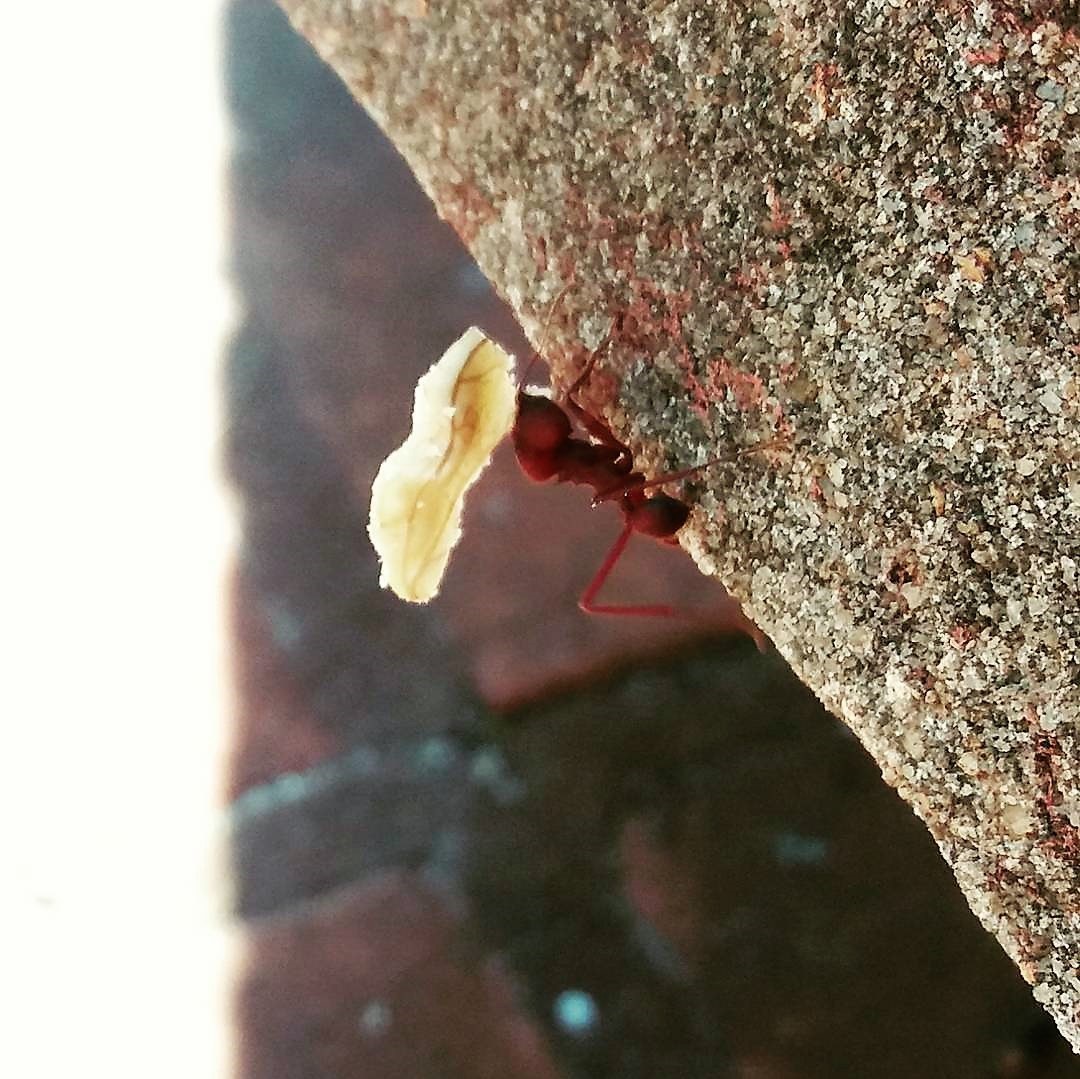
Leafcutter Ant
Tropical and subtropical forests, farmland edges
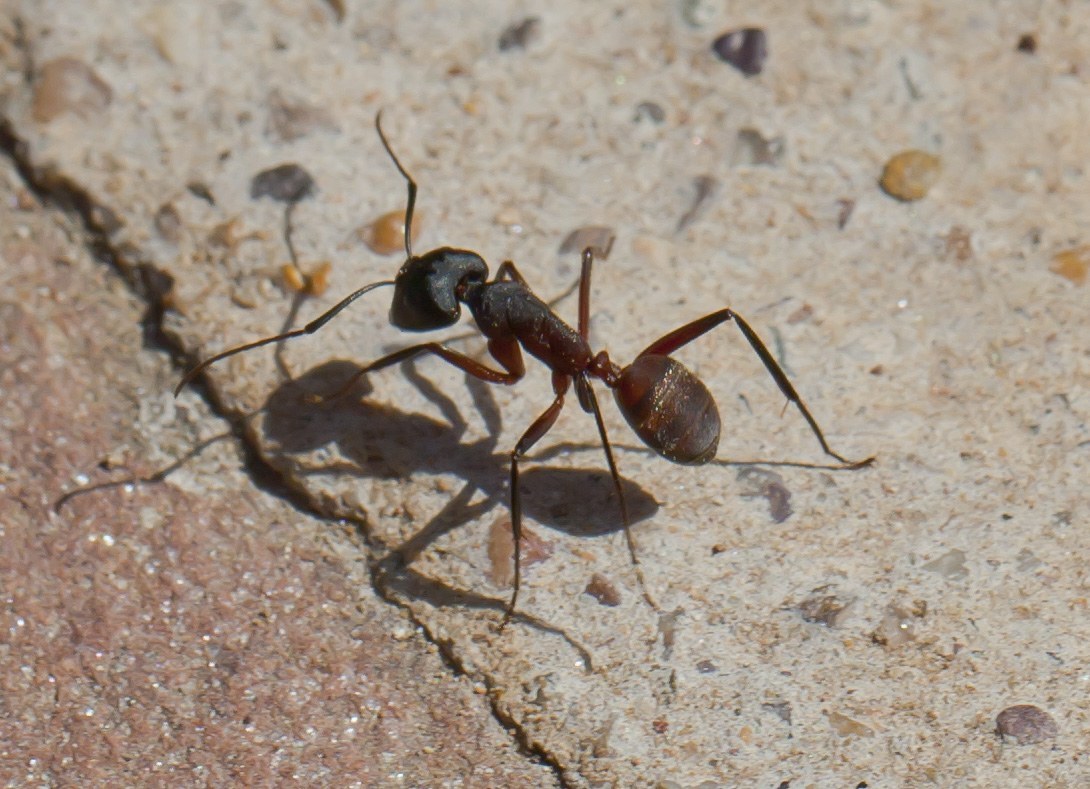
Little Black Ant
Lawns, gardens, rotting wood, and occasionally indoors
Field Ant
Open fields, meadows, lawns, and woodland edges