Aphid Identification Guide
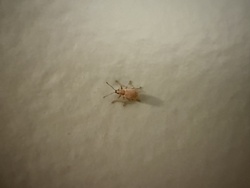
Recognize an aphid by its tiny pear-shaped body and the paired tubes at the tip of its abdomen.
Read the full Aphid encyclopedia entry →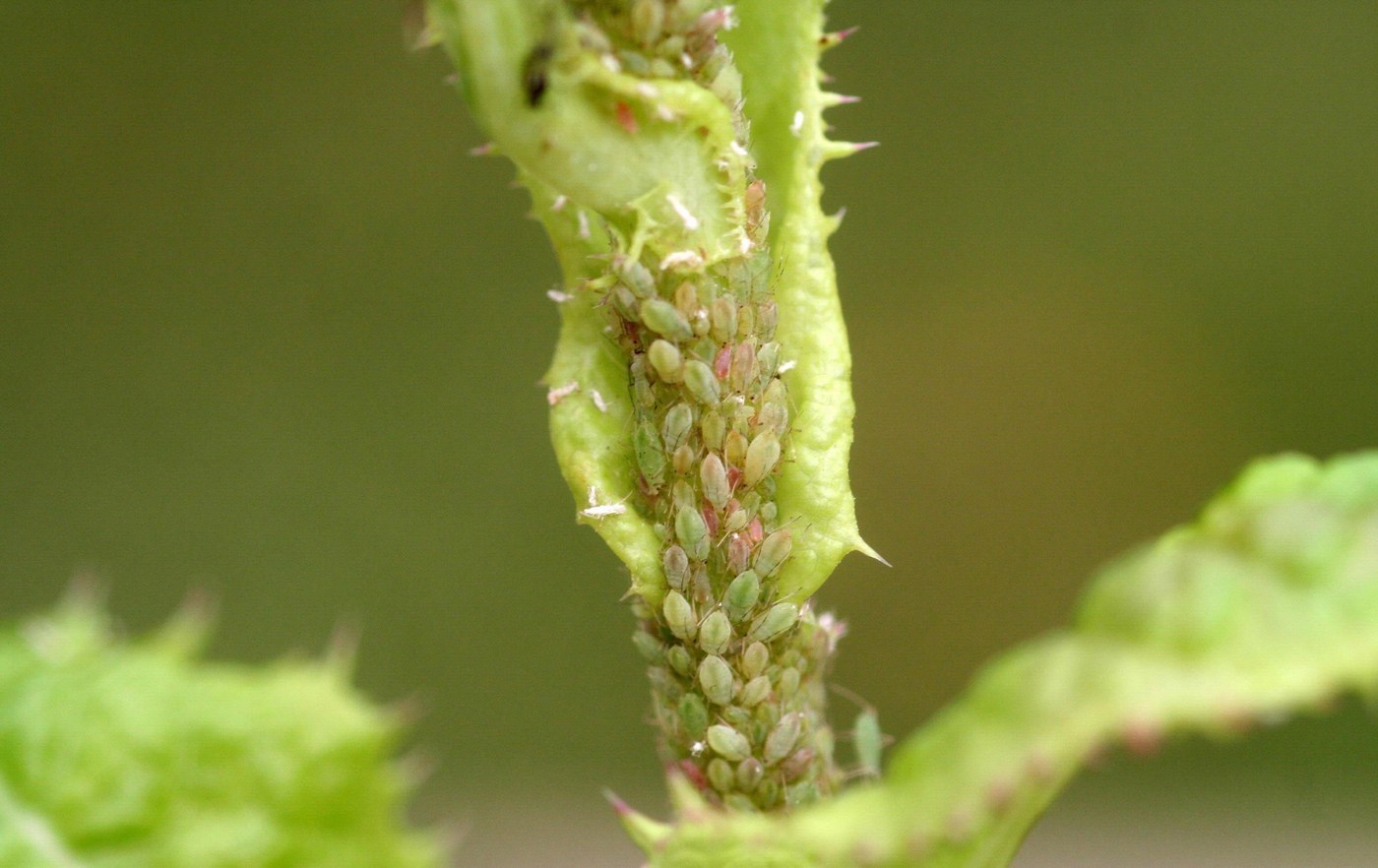
Key Visual Features
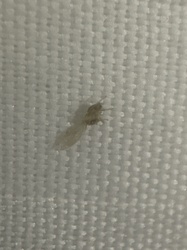
Aphids are tiny, soft-bodied insects, usually just 1/16 to 1/8 inch long, with a distinctive pear- or teardrop-shaped body. Their legs and antennae are thin and proportionally long compared to the body. The clearest identifying feature is a pair of small, tube-like structures called cornicles projecting from the rear of the abdomen, resembling tiny exhaust pipes—no other common garden insect of similar size has this feature. Color varies widely by species and can include green, yellow, black, brown, gray, pink, or nearly translucent forms. Most aphids in a colony are wingless, but some individuals develop clear wings (especially when populations get crowded and need to disperse to new plants).
Where and When You'll See It
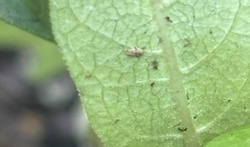
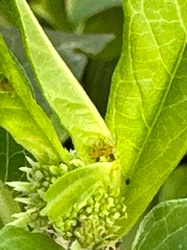
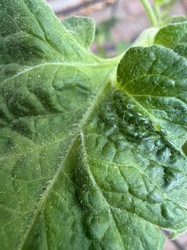
Aphids are typically found in dense clusters on the tender new growth of plants: stem tips, flower buds, and especially the undersides of leaves, where they feed by piercing plant tissue. Populations can build rapidly in warm weather, so they're most commonly noticed from spring through fall, with numbers often peaking in late spring and again in early fall in many regions. Because they reproduce quickly, a few individuals can turn into a dense colony within days under favorable conditions.
Similar-Looking Bugs
- Scale insects: Immobile as adults, covered by a waxy or shell-like covering, with no visibly separate legs or antennae—very different from an active, leggy aphid.
- Whiteflies: Small and pale like aphids, but have powdery white wings held tent-like over the body and fly up readily in a cloud when disturbed.
- Mealybugs: Covered in a distinctive white, cottony wax coating that obscures the body outline, unlike an aphid's smooth, visible cuticle.
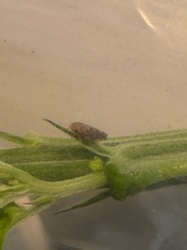
- Psyllids: Similar tiny size but with a more robust, jumping body plan closer to a miniature cicada, and lack the paired cornicles.
Quick ID Checklist
- Tiny, soft, pear-shaped body under 1/8 inch
- Pair of small tube-like cornicles at the rear of the abdomen
- Long, thin legs and antennae relative to body size
- Found in dense clusters on new growth or leaf undersides
- Color varies (green, black, yellow, pink) but body shape stays consistent
Frequently asked questions
What is the easiest way to confirm an insect is an aphid?
Look for the pair of small tube-like cornicles projecting from the rear of the abdomen; this feature is unique to aphids among common small garden insects.
Why do aphids come in so many different colors?
Different aphid species and even different populations of the same species can vary in color, ranging from green and yellow to black or pink, though their overall pear-shaped body stays consistent.
Are all aphids wingless?
Most individuals in a colony are wingless, but winged forms develop periodically, especially when a colony becomes crowded and needs to spread to new plants.
Where on a plant are aphids usually found?
They cluster most densely on tender new growth, stem tips, flower buds, and the undersides of leaves, where plant tissue is softest.
Aphid identified by the community
Recent Aphid finds identified with Bug Identifier.