
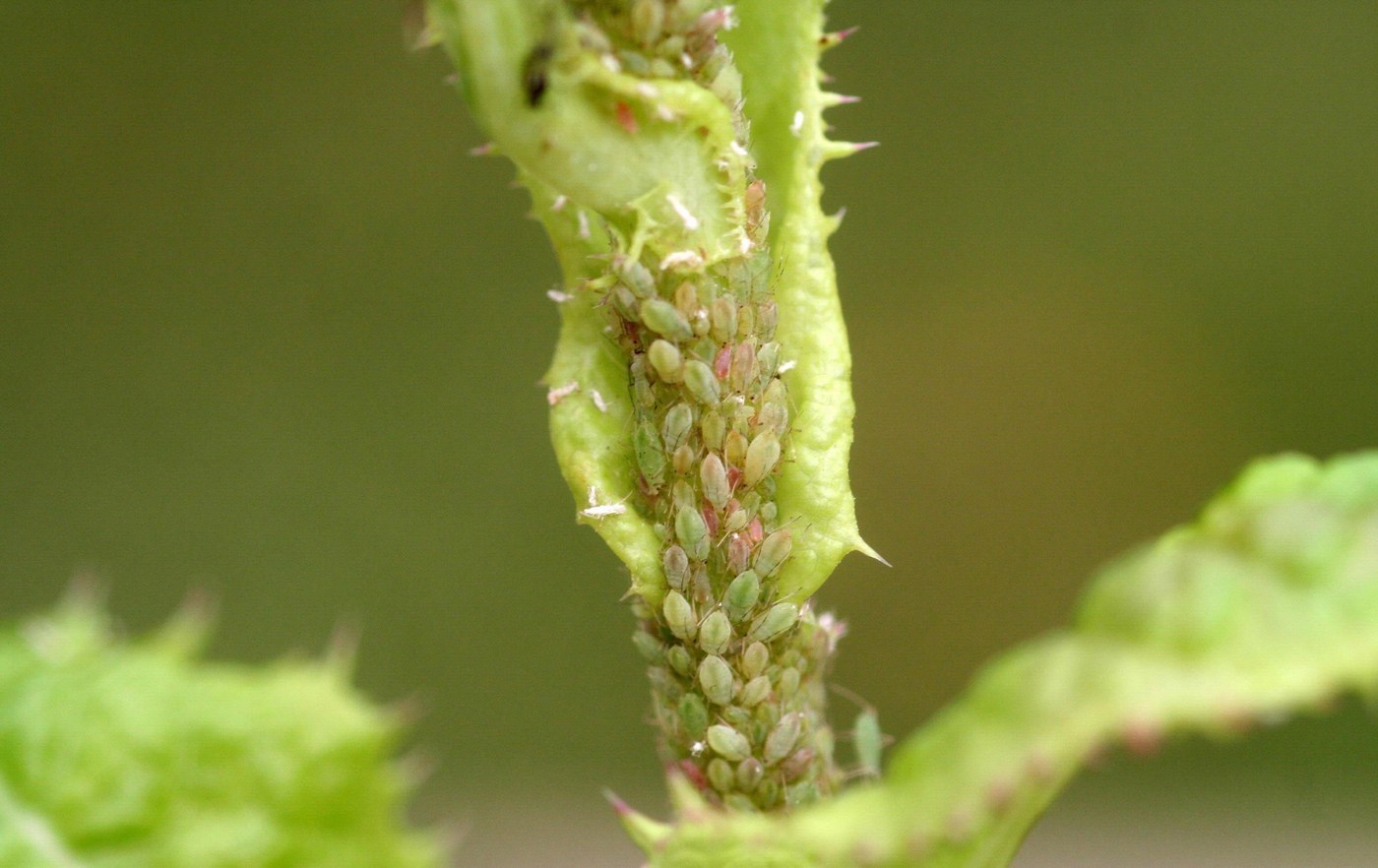
Aphid
Aphididae spp.
A tiny, soft-bodied, pear-shaped insect that clusters in dense colonies on plant stems and leaf undersides, feeding on sap through needle-like mouthparts and often coated in sweet honeydew.
- Size
- 1–4 mm
- Habitat
- On stems, leaves, and buds of a very wide range of host plants
- Danger
- Nuisance pest
Spotted a bug like this?
Identify any bug or insect from a photo, free.
Overview
Aphids make up the family Aphididae, order Hemiptera, suborder Sternorrhyncha, with more than 4,000 species known worldwide. They are among the most economically significant plant-feeding insects due to their extremely broad host range and rapid reproduction.
The group is notable for its reproductive strategy: for much of the growing season, females reproduce parthenogenetically, giving birth to live young without mating, allowing colonies to expand extremely quickly.
Aphids also play a distinctive ecological role through their relationship with ants, which often tend and protect aphid colonies in exchange for the sugary honeydew the aphids excrete.
How to Identify
- Tiny, soft, pear-shaped body, typically 1–4 mm long
- Coloring highly variable — green, black, yellow, pink, or gray depending on species and host plant
- Long, thin legs and antennae
- A pair of tube-like structures called cornicles ("tailpipes") projecting from the rear of the abdomen — a key identifying feature
- Most colony members are wingless, though winged forms periodically appear to disperse to new plants; distinguished from whiteflies and scale insects by the presence of cornicles and the pear-shaped body
Habitat & Range
Found worldwide on nearly every type of vascular plant. Dense colonies typically form on new growth, leaf undersides, and flower buds. Active throughout the growing season, with population booms in spring and again in fall in temperate climates; some species overwinter as eggs on woody host plants.
Behavior & Diet
Feeds by inserting piercing-sucking mouthparts into plant phloem to draw out sap. Excretes excess sugary liquid known as honeydew, which can attract ants that tend and protect aphid colonies in a mutualistic relationship. Reproduces very rapidly through parthenogenesis, producing multiple generations within a single season. Natural predators, including ladybird beetles, lacewings, and parasitic wasps, help regulate aphid populations. Considered a common garden and agricultural pest due to sap removal and its potential to spread plant viruses between hosts.
Life Cycle
Incomplete metamorphosis. Many species alternate between asexual reproduction (live-born nymphs without mating) through most of the growing season and a sexual generation that produces overwintering eggs in fall. Nymphs resemble small wingless adults and mature within about one to two weeks, allowing many generations per year. Some species alternate between two different host plant species over the course of the year.
Frequently asked questions
Why do ants tend aphid colonies?
Ants feed on the sugary honeydew aphids excrete and in turn protect the aphids from predators, a mutualistic relationship.
How do aphids reproduce so quickly?
Many species reproduce asexually for most of the year, with females giving birth to live young without mating, allowing populations to grow rapidly.
What is the sticky residue on leaves near aphids?
Honeydew, a sugary liquid waste excreted by aphids as they feed on plant sap.
Do aphids have wings?
Most aphids in a colony are wingless, but winged forms periodically develop to disperse and colonize new host plants.
Aphid guides
In-depth guides for identifying, understanding, and living alongside Aphid.
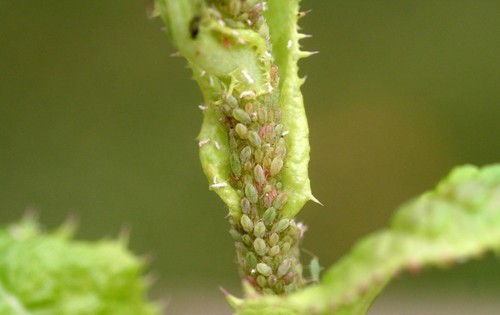
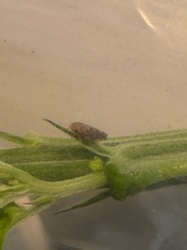
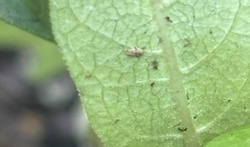
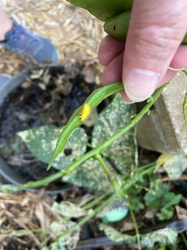
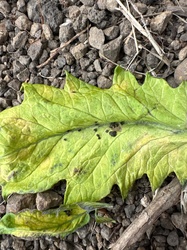
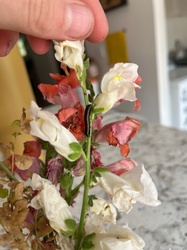
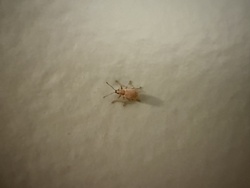
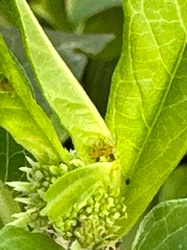
Aphid identified by the community
Real finds identified with Bug Identifier.

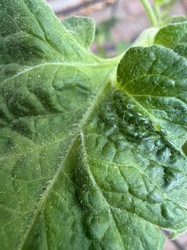
Other bugs you may enjoy
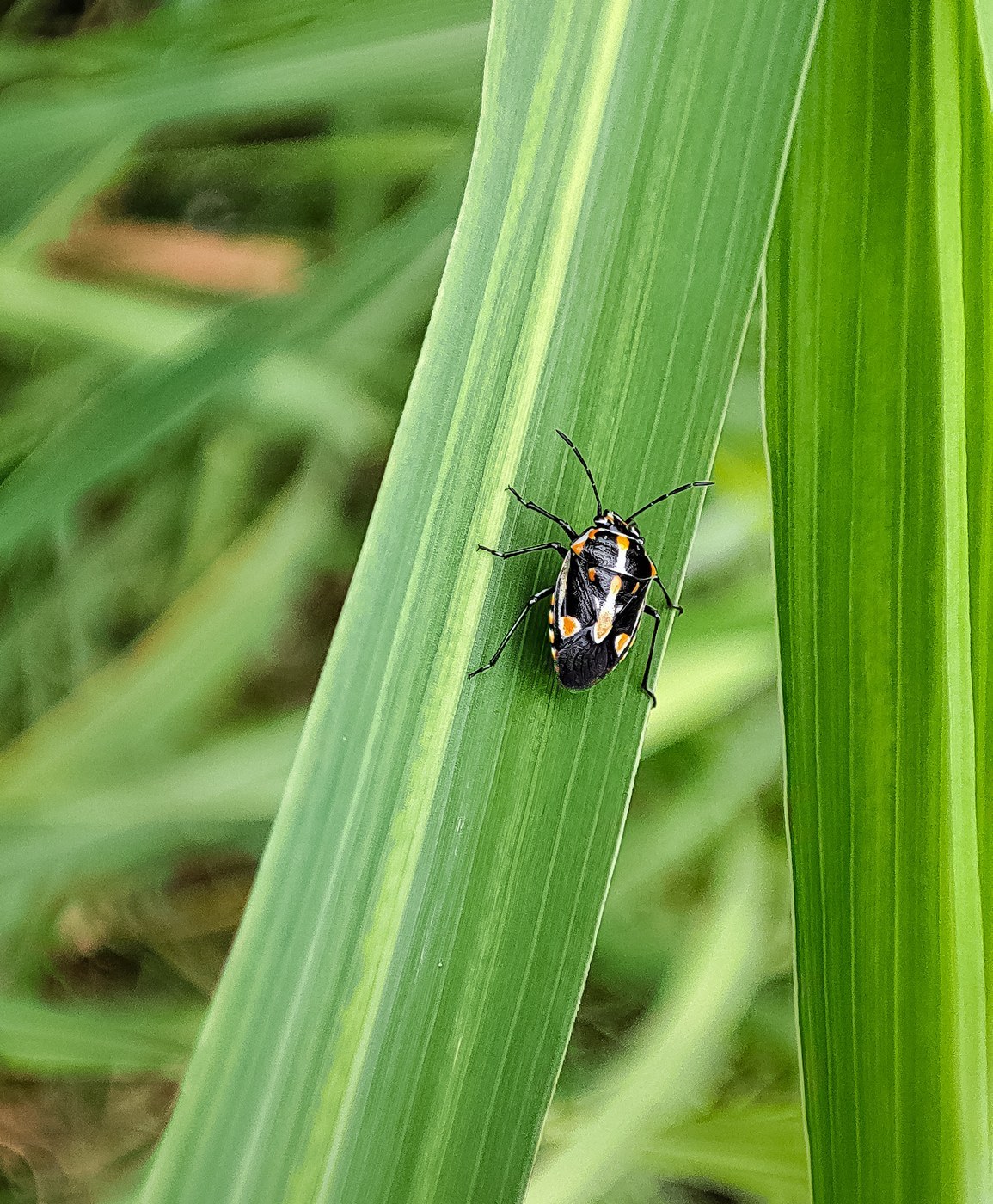
Bagrada Bug
Arid gardens, crucifer fields, desert-adjacent croplands
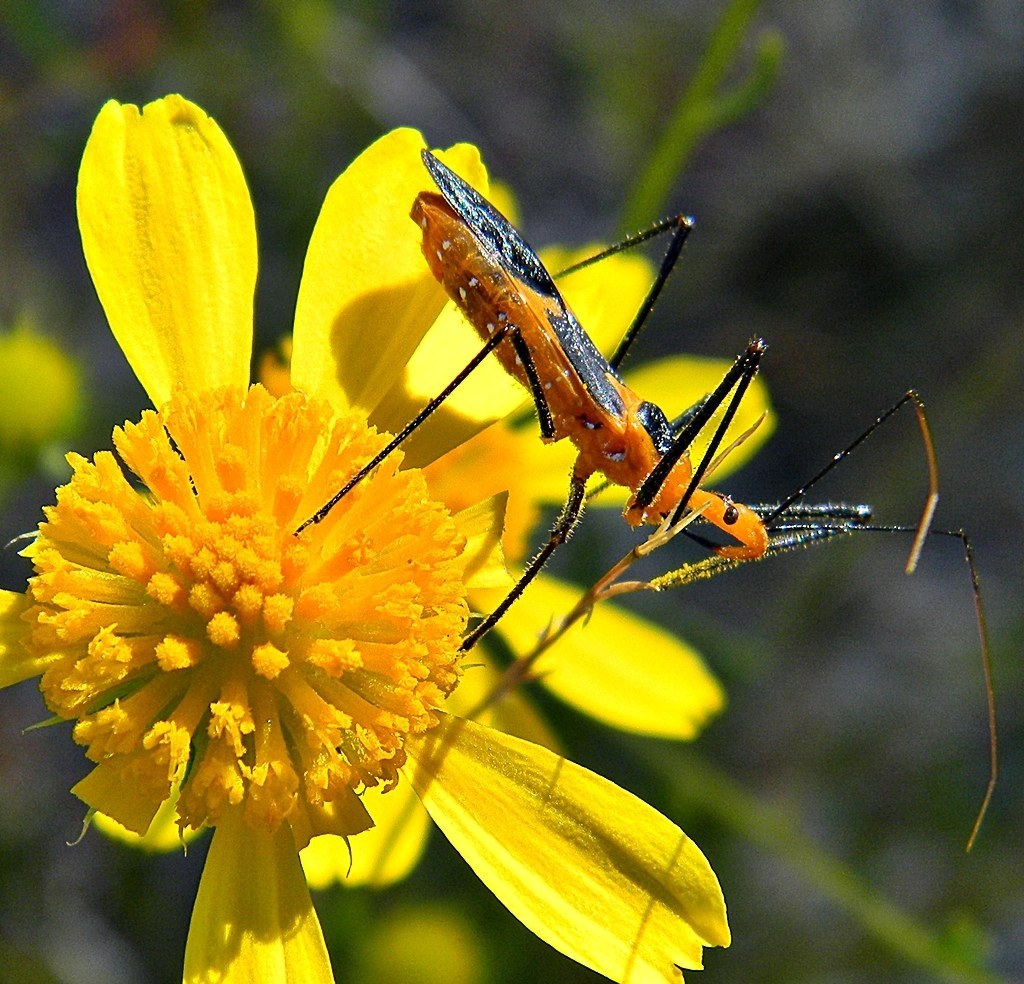
Assassin Bug
Gardens, meadows, and vegetation worldwide
Water Boatman Bug
Ponds, lakes, and slow-moving freshwater
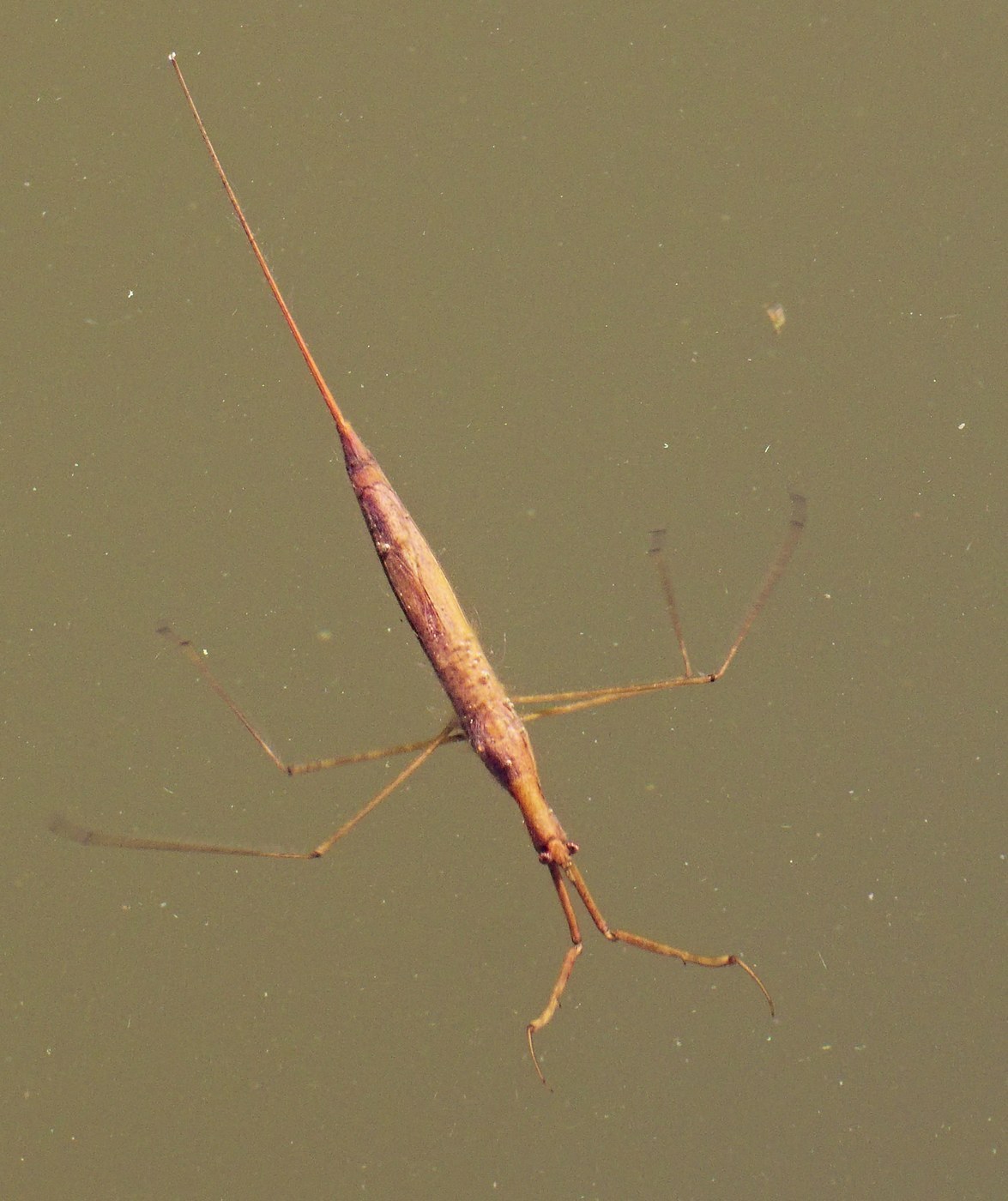
Water Stick Insect
Still and slow-moving water with dense submerged vegetation
Rough Stink Bug
Tree bark, woodlands, orchards, and shrubby vegetation
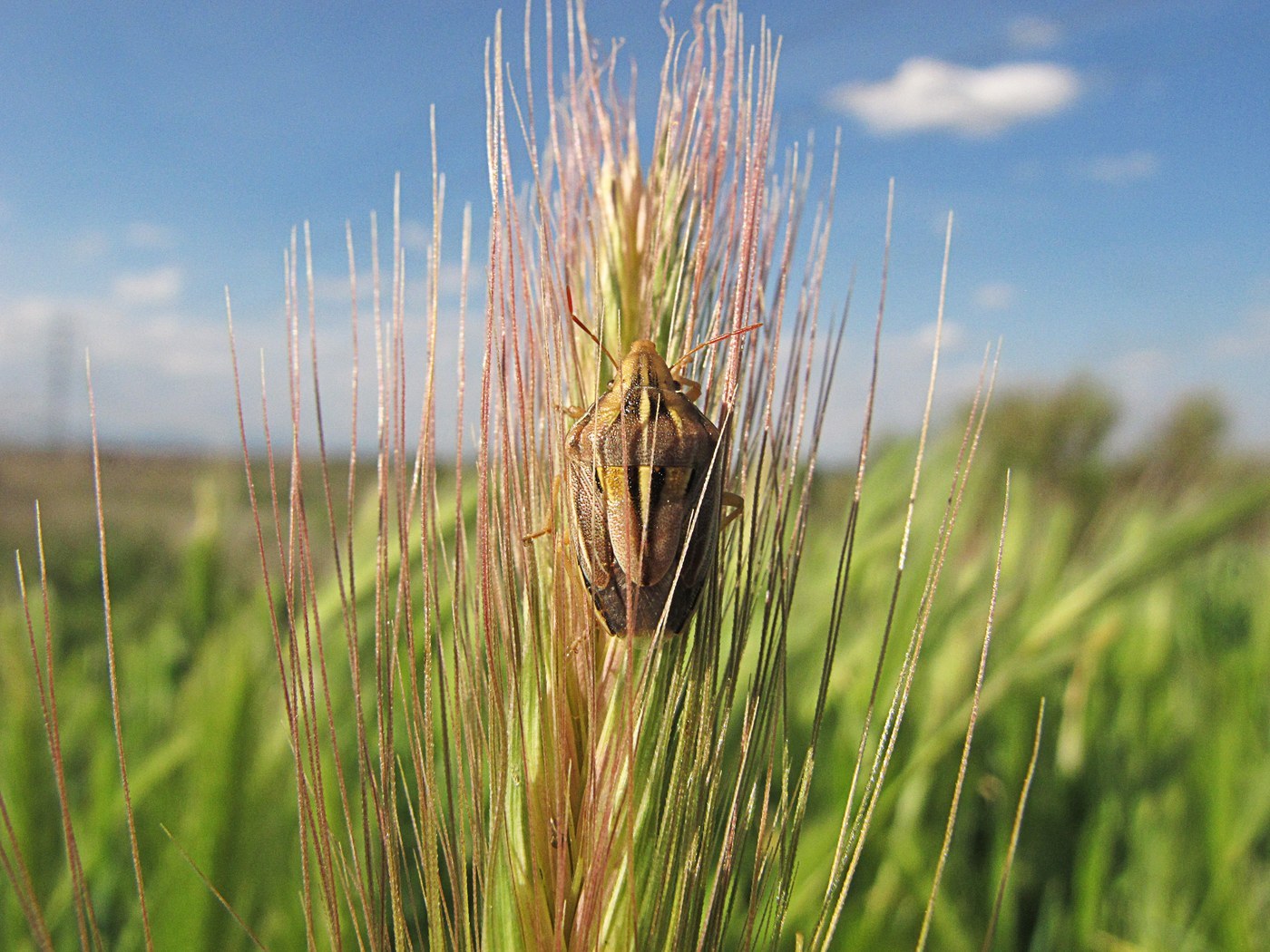
Stink Bug
Gardens, crop fields, and woodlands across temperate and subtropical regions
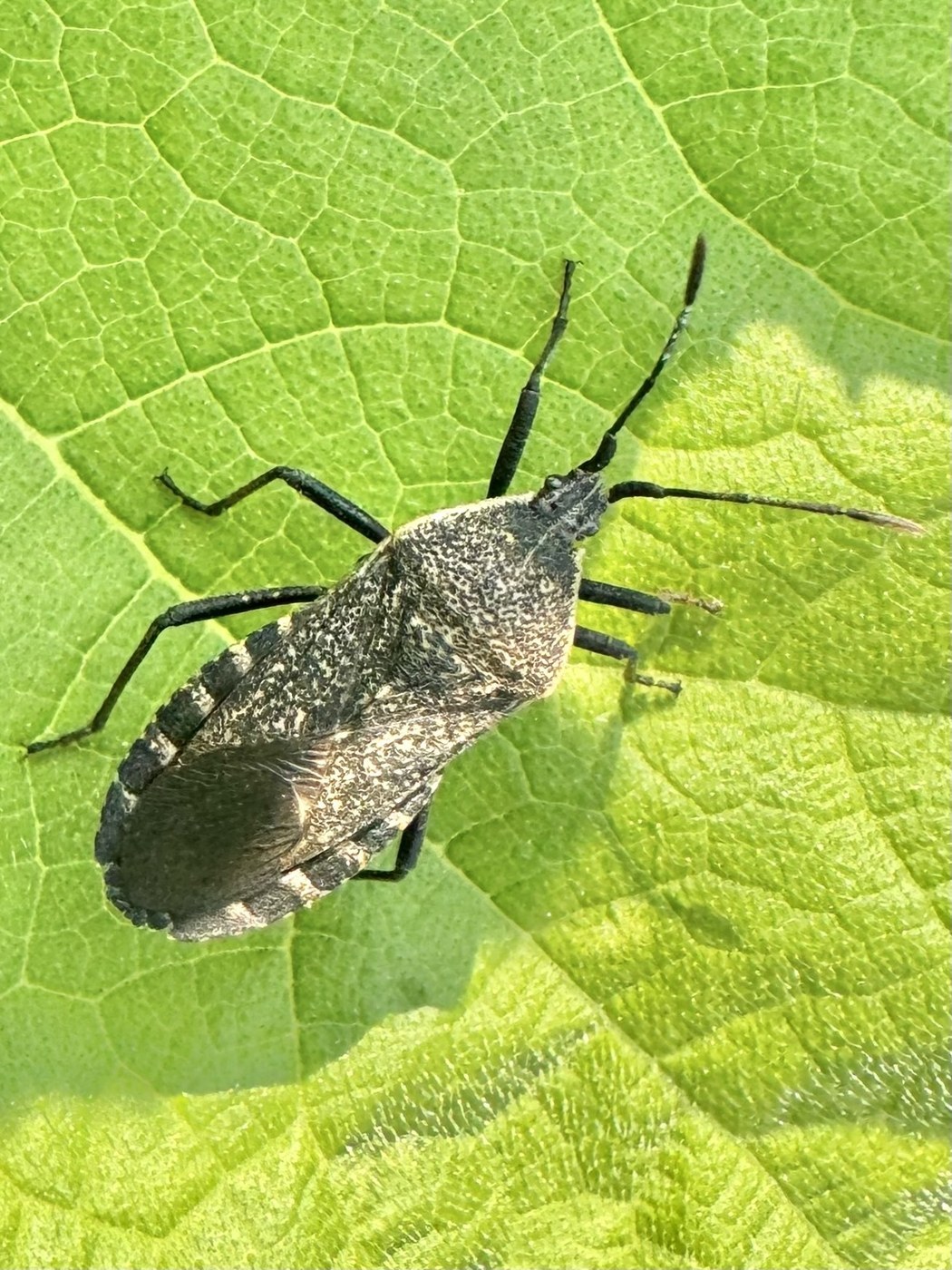
Squash Bug
Vegetable gardens and farm fields growing squash, pumpkin, and other cucurbits
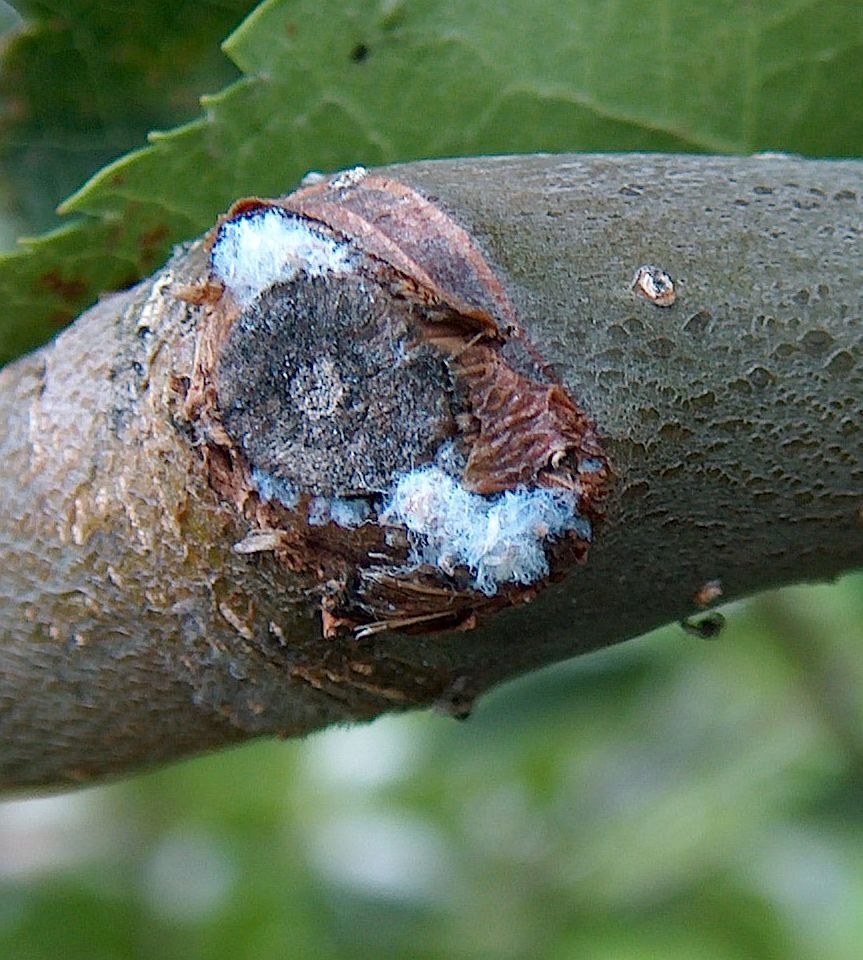
Woolly Aphid
Bark crevices, root collars, and twigs of apple, elm, and alder trees
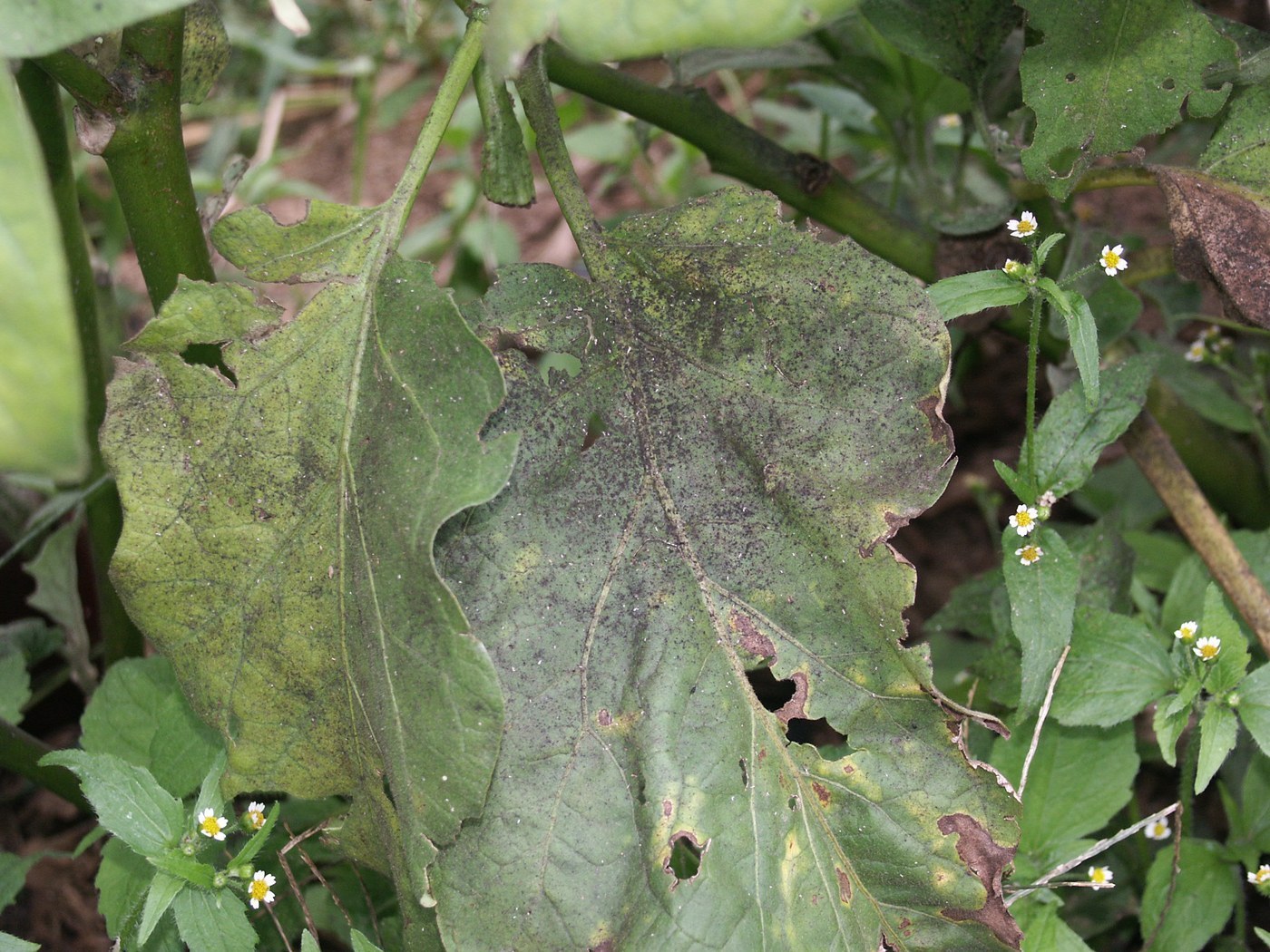
Whitefly
Greenhouses, gardens, and undersides of leaves on host plants
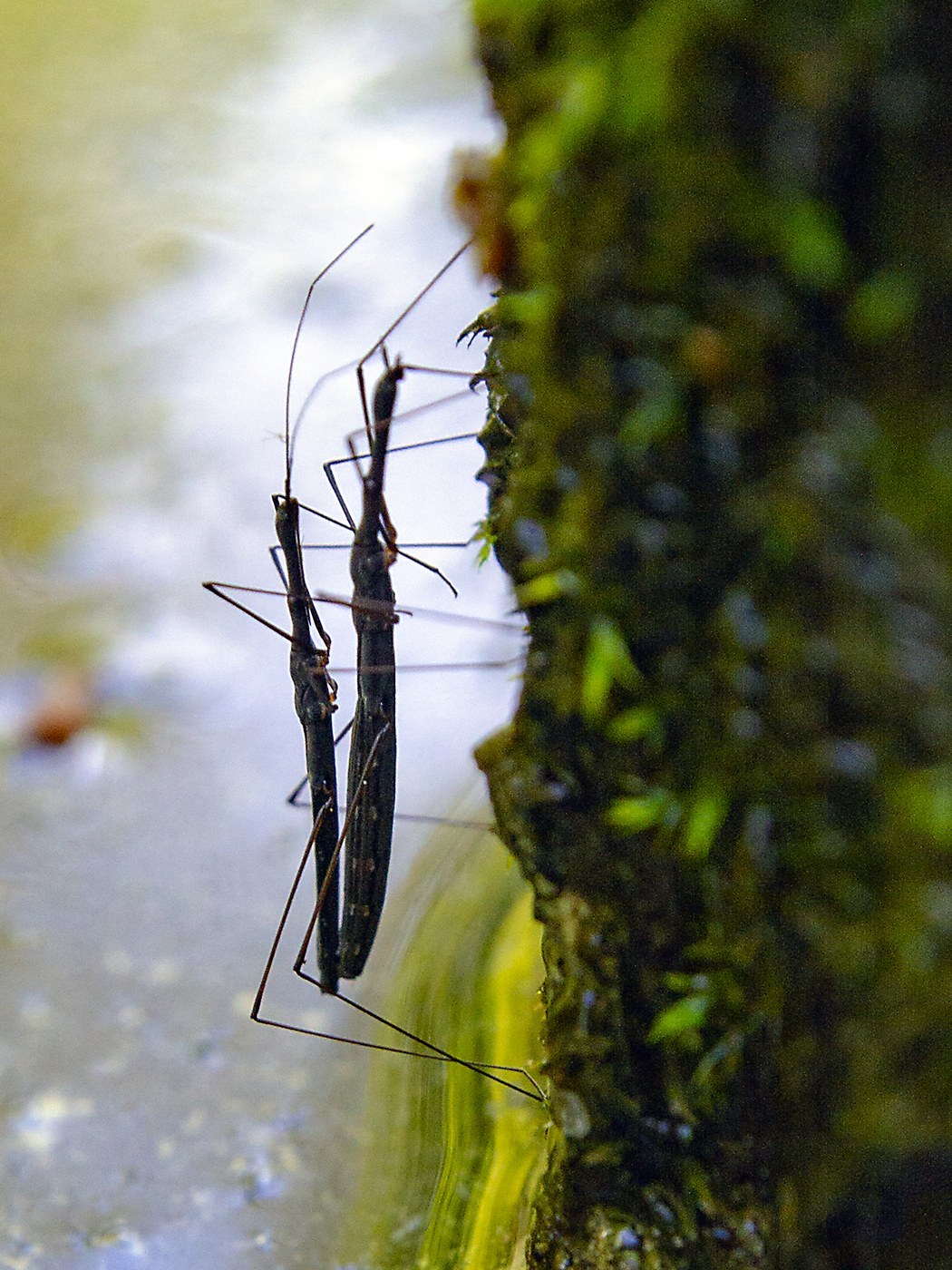
Water Measurer
Quiet edges of ponds, marshes, and slow streams
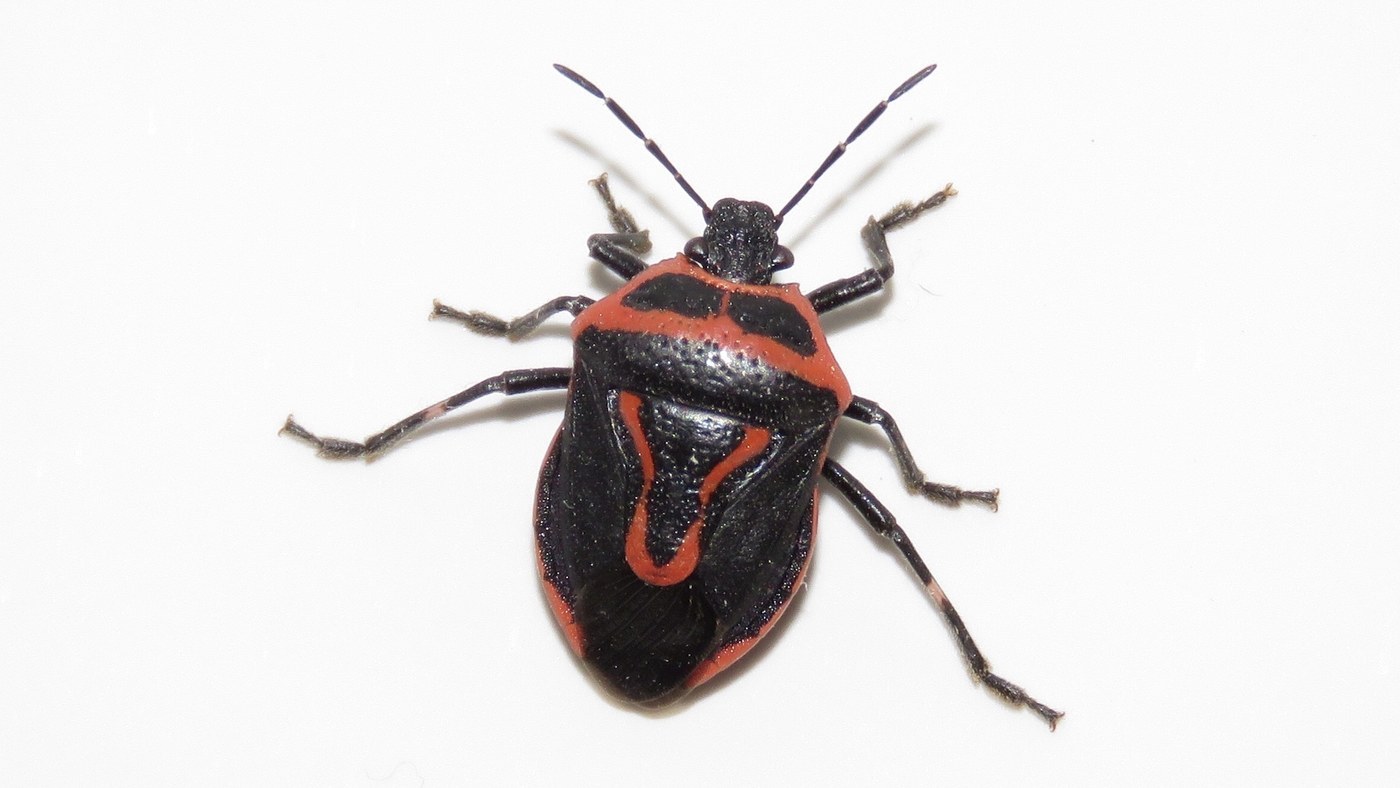
Two-Spotted Stink Bug
Gardens and fields with potato and nightshade-family plants
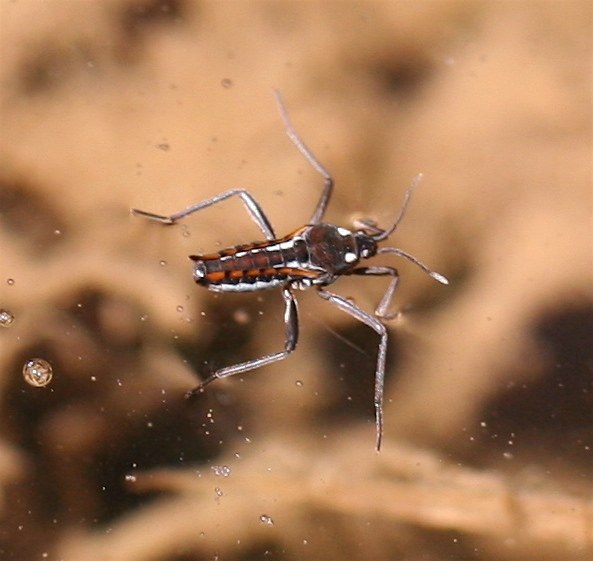
Water Cricket
Fast-flowing streams and stream-fed pond margins