Bed Bug Identification Guide
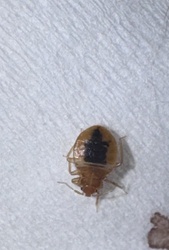
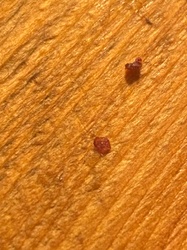
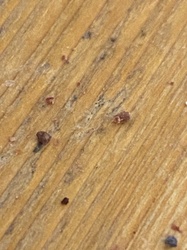
Identify a bed bug by its flat, oval, reddish-brown body that swells and darkens after feeding.
Read the full Bed Bug encyclopedia entry →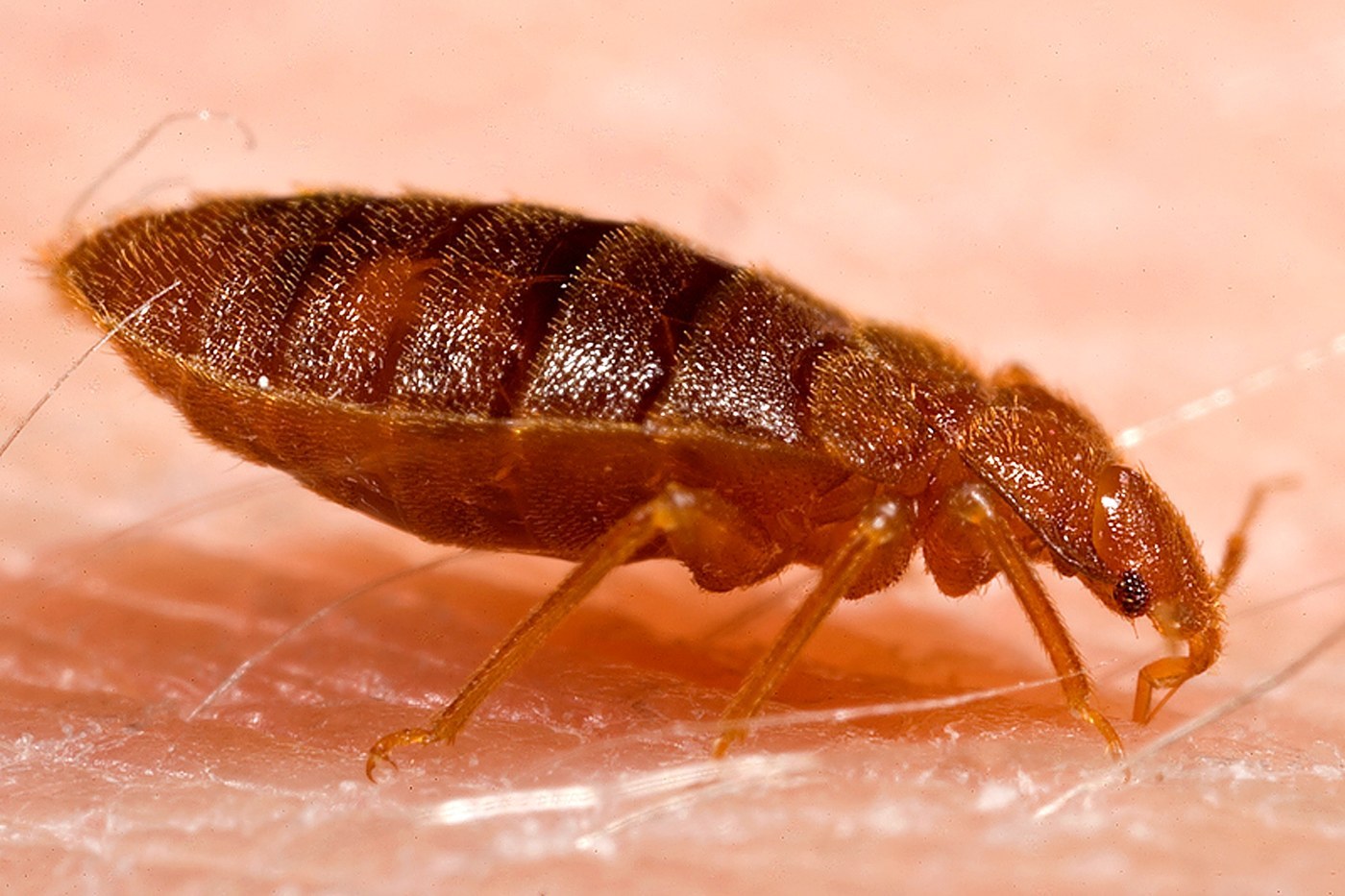
Key Visual Features
Bed bugs are small, wingless insects with a flattened shape adapted for hiding in narrow spaces such as seams and cracks.
- Size: Adults are about 1/4 to 3/8 inch (5–7 mm) long, roughly the size and shape of an apple seed.
- Color: Reddish-brown, though color can appear lighter tan in unfed individuals and darker, almost mahogany, after a recent feeding.
- Body shape: Broadly oval and flat when unfed, becoming more elongated and swollen after feeding.
- Wings: None — bed bugs are entirely wingless and cannot fly or jump.
- Legs: Six legs, allowing a moderate crawling speed across surfaces and fabric.
- Antennae: Four-segmented antennae, visible projecting from the head.
- Life stages: Nymphs resemble smaller, translucent to pale yellowish versions of adults, darkening and enlarging with each molt.
- Eggs: Tiny, whitish, and often found in clusters in seams or crevices, roughly the size of a pinhead.
Where and When You'll See Them
Bed bugs are found in areas close to where people sleep or rest for extended periods, hiding in mattress seams, bed frames, headboards, box springs, and nearby furniture cracks or wall crevices during the day. They are active mainly at night, emerging from hiding spots to feed. Bed bugs are found year-round wherever suitable indoor conditions and hosts are present, since indoor climates remain stable regardless of outdoor season.
Similar-Looking Insects
- Carpet beetles: Have a rounder, more domed body with visible mottled patterning and short antennae, and their larvae are fuzzy and elongated rather than flat and smooth.
- Booklice: Much smaller and pale, soft-bodied, and lack the distinct oval, flattened shape of a bed bug.
- Spider beetles: Rounder and more globe-shaped, with longer legs and a distinctly different silhouette from the flat, broad oval of a bed bug.
- Bat bugs: Nearly identical in appearance to bed bugs, distinguished mainly by longer hairs on the upper body segment, visible only under magnification.
Quick ID Checklist
- Flat, oval, reddish-brown body, about apple-seed sized
- Swells and darkens in shape after feeding
- No wings; cannot fly or jump
- Four-segmented antennae visible on the head
- Found in mattress seams, bed frames, and nearby crevices
Frequently asked questions
How big is a bed bug compared to other small insects?
An adult bed bug is about 1/4 to 3/8 inch long, roughly the size and shape of an apple seed, which is a useful visual comparison when trying to identify one.
Does a bed bug's appearance change after it feeds?
Yes, an unfed bed bug is flat and oval, while a recently fed one becomes more elongated, swollen, and noticeably darker in color.
Can bed bugs fly or jump?
No, bed bugs are entirely wingless and lack the leg structure for jumping, so they can only crawl across surfaces and fabric.
How do I tell a bed bug from a carpet beetle?
Carpet beetles have a rounder, domed body with visible mottled patterning, while bed bugs have a flatter, more uniformly oval, reddish-brown body without that mottled shell pattern.
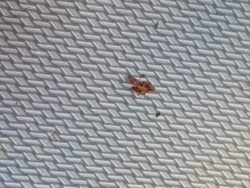
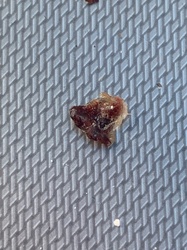
Bed Bug identified by the community
Recent Bed Bug finds identified with Bug Identifier.