
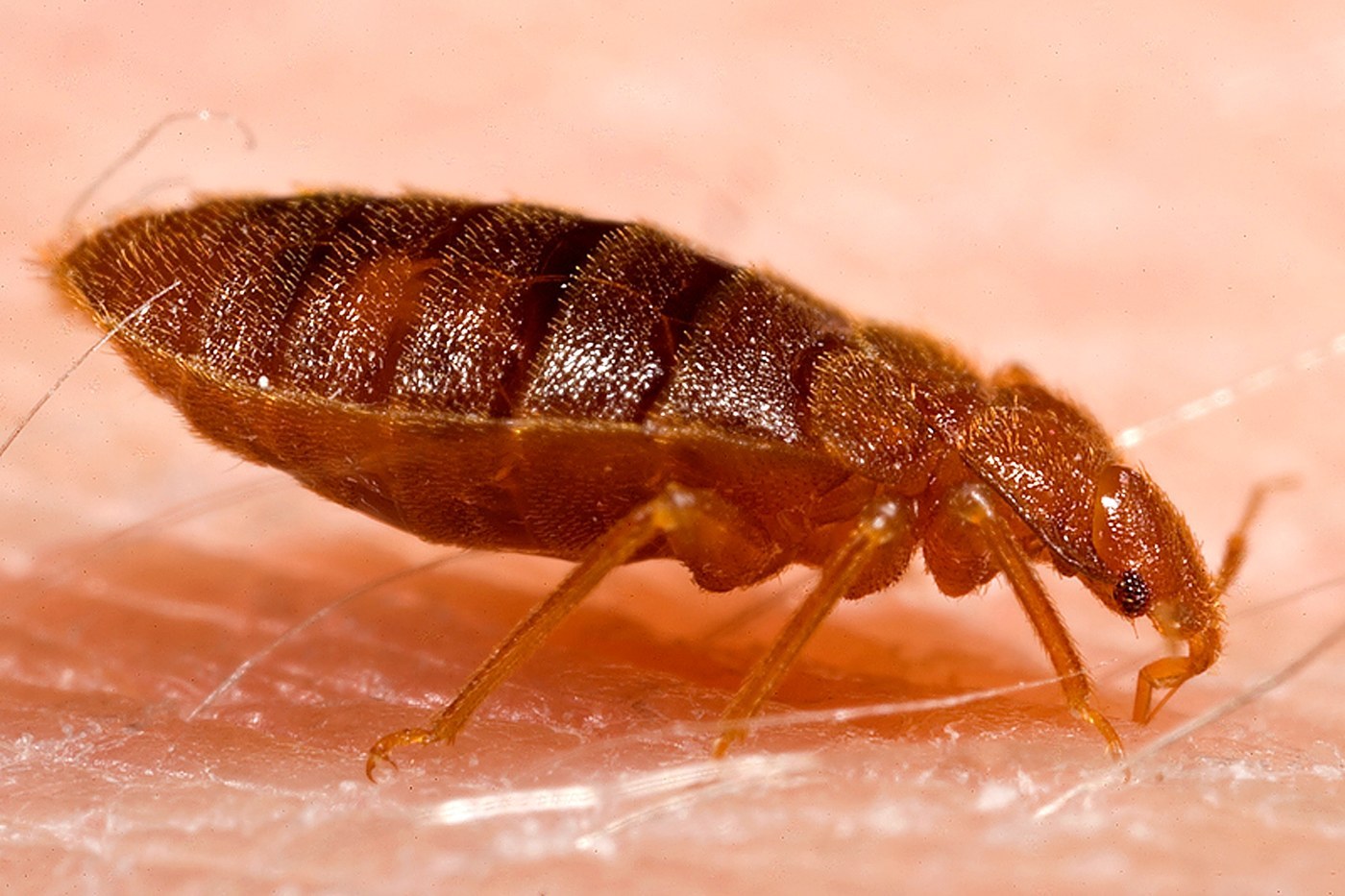
Bed Bug
Cimex lectularius
A small, flat, reddish-brown, wingless insect shaped like an apple seed that hides in mattress seams and bed frames by day and emerges at night to feed.
- Size
- 4–7 mm (unfed adult)
- Habitat
- Mattress seams, bed frames, upholstery near sleeping areas
- Danger
- Bites
Spotted a bug like this?
Identify any bug or insect from a photo, free.
Overview
The bed bug, Cimex lectularius, is a small, wingless, blood-feeding insect in the order Hemiptera (true bugs), family Cimicidae. It is an obligate parasite of warm-blooded hosts, historically associated with birds and bats before adapting closely to humans and human dwellings.
Its flattened, oval body shape is an adaptation for hiding in narrow crevices near a sleeping host, such as mattress seams, bed frame joints, and headboard cracks. Unlike many household insects, bed bugs do not fly or jump; they move entirely by walking and rely on stealth and nocturnal activity.
Bed bugs are found worldwide and have coexisted with humans for thousands of years, with populations rising and falling historically alongside changes in travel, housing, and living conditions.
How to Identify
- Body: flat, oval, reddish-brown, becoming more elongated and darker red after a blood meal.
- Size: about 4–7 mm long as unfed adults, roughly the size and shape of an apple seed.
- Wings: none functional—only small wing pads are present; bed bugs cannot fly.
- Legs/antennae: six short legs and two segmented antennae, all proportionally short compared to the body.
- Lookalikes: often confused with carpet beetles or small cockroach nymphs, but bed bugs have a distinctly flattened, oval outline and lack the hardened wing covers of a beetle.
Habitat & Range
Bed bugs live in close association with human sleeping areas, hiding in mattress seams, box springs, bed frame joints, headboards, and nearby furniture or wall cracks within a few meters of where a host rests. They occur on every continent except Antarctica, in homes, hotels, dormitories, and other places people sleep.
They are active mainly at night, timing their emergence from hiding spots to periods when a host is likely to be still, and they retreat to dark, tight crevices during the day.
Behavior & Diet
Bed bugs are nocturnal and feed exclusively on blood, using heat and carbon dioxide cues to locate a resting host before piercing the skin briefly to feed. Between feedings, which may occur every several days to a couple of weeks, they remain hidden in aggregations in their harborage sites.
Their impact is primarily as a persistent household presence due to their ability to hide in very small spaces. They have no jumping or flying ability, so movement between rooms or buildings typically happens via infested luggage, furniture, or clothing rather than the insect traveling on its own.
Life Cycle
Bed bugs undergo incomplete (gradual) metamorphosis, passing through an egg stage and five nymphal instars before becoming an adult, with no pupal stage. Females lay tiny, pale eggs in secluded crevices, often in clusters, gluing them in place.
Each nymphal stage requires at least one blood meal before molting to the next, and under warm conditions a bed bug can progress from egg to reproductive adult in about a month. Adults can survive for several months, and multiple overlapping generations can be present in an infested space at once.
Frequently asked questions
Can bed bugs fly or jump?
No, they have no functional wings and move only by crawling.
How big is a bed bug?
About 4–7 mm as an adult, similar in size and shape to a flattened apple seed.
What color are bed bugs?
Reddish-brown, becoming darker and more swollen after feeding.
Where do bed bugs typically hide?
In tight crevices near sleeping areas—mattress seams, bed frames, and headboards.
Bed Bug guides
In-depth guides for identifying, understanding, and living alongside Bed Bug.
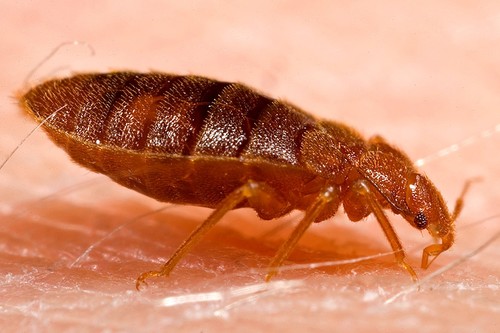
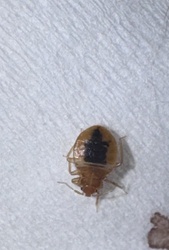
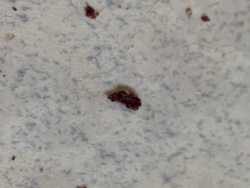
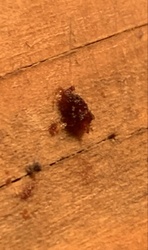
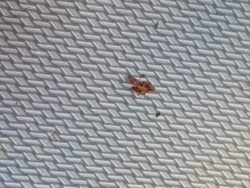
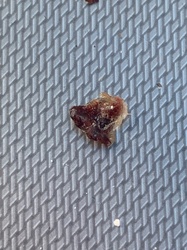
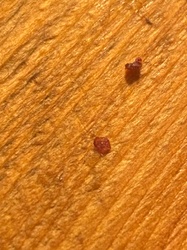
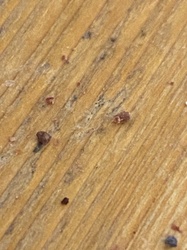
Bed Bug identified by the community
Real finds identified with Bug Identifier.
Other bugs you may enjoy
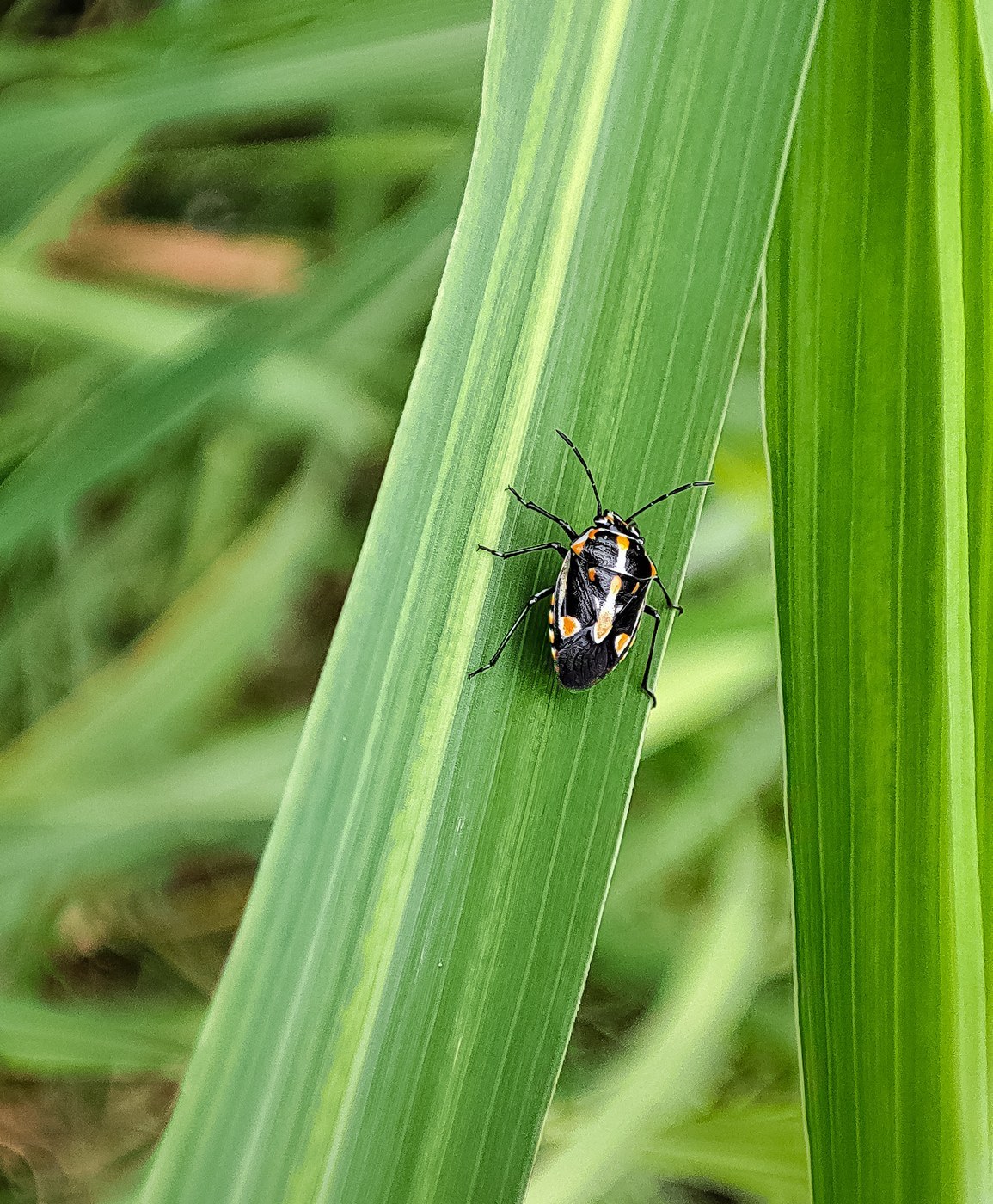
Bagrada Bug
Arid gardens, crucifer fields, desert-adjacent croplands
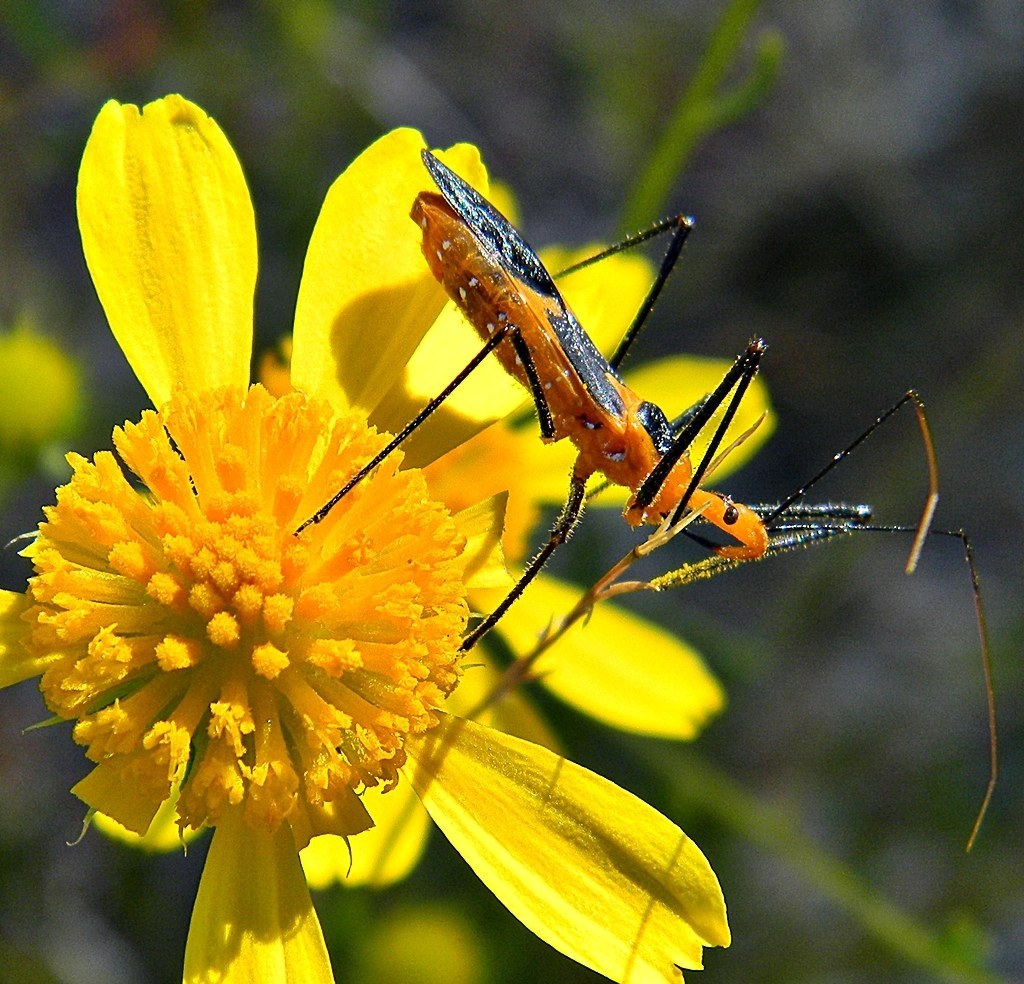
Assassin Bug
Gardens, meadows, and vegetation worldwide
Water Boatman Bug
Ponds, lakes, and slow-moving freshwater
Water Stick Insect
Still and slow-moving water with dense submerged vegetation
Rough Stink Bug
Tree bark, woodlands, orchards, and shrubby vegetation
Stink Bug
Gardens, crop fields, and woodlands across temperate and subtropical regions
Squash Bug
Vegetable gardens and farm fields growing squash, pumpkin, and other cucurbits
Aphid
On stems, leaves, and buds of a very wide range of host plants
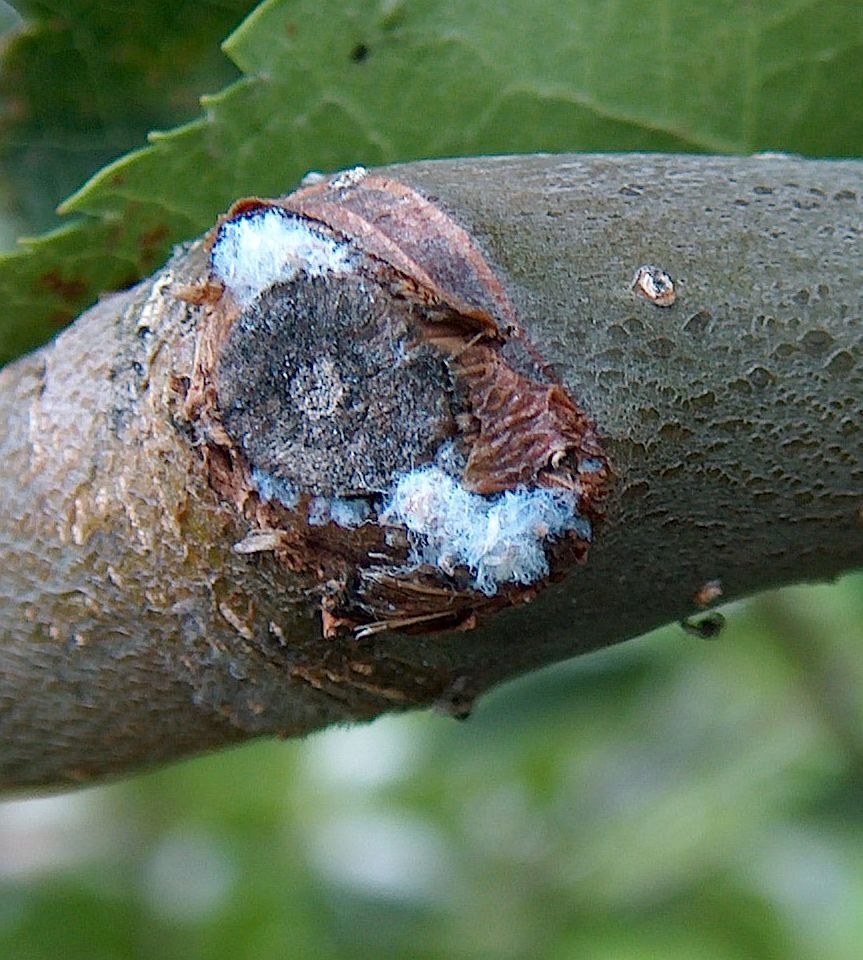
Woolly Aphid
Bark crevices, root collars, and twigs of apple, elm, and alder trees
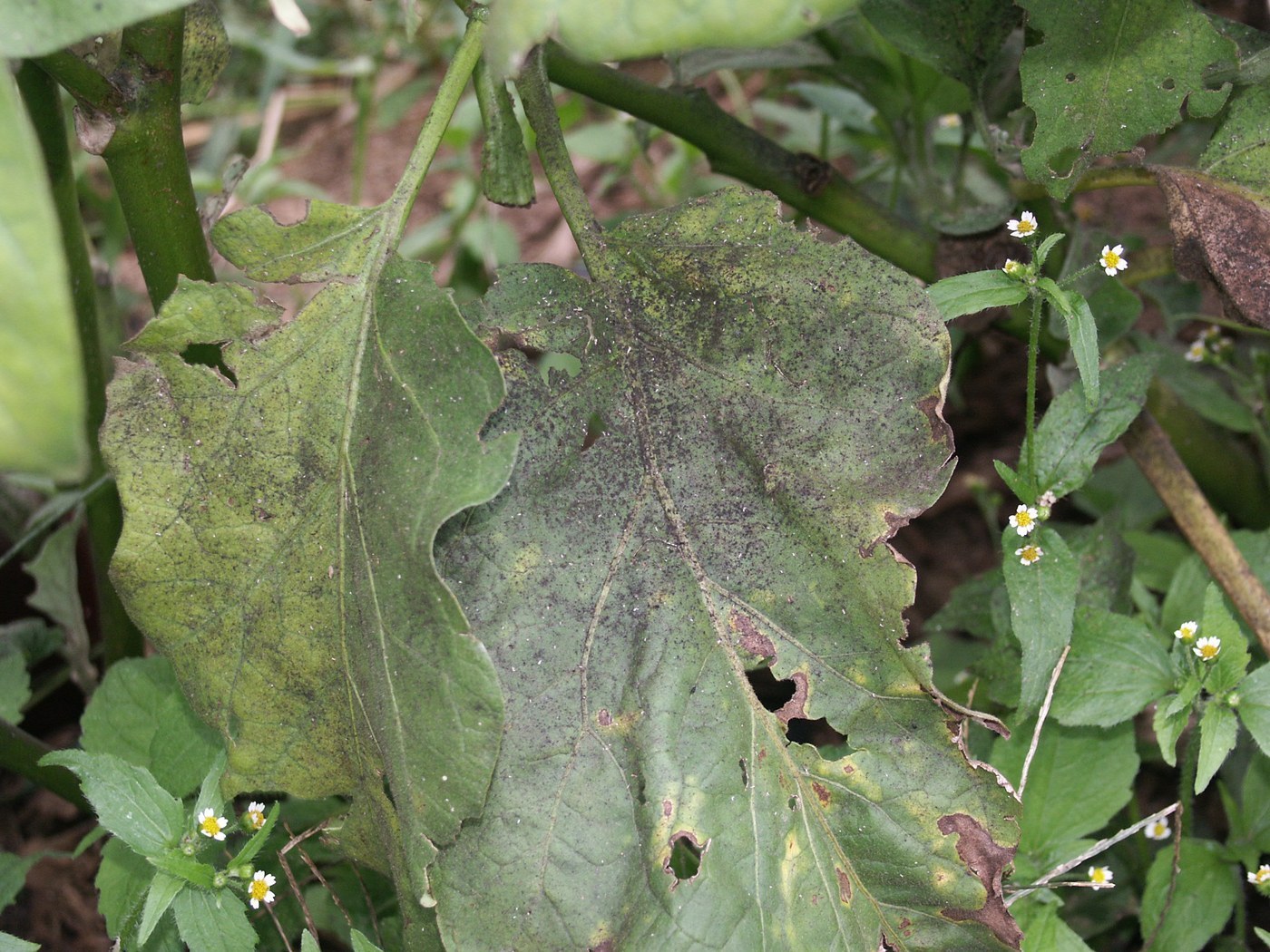
Whitefly
Greenhouses, gardens, and undersides of leaves on host plants
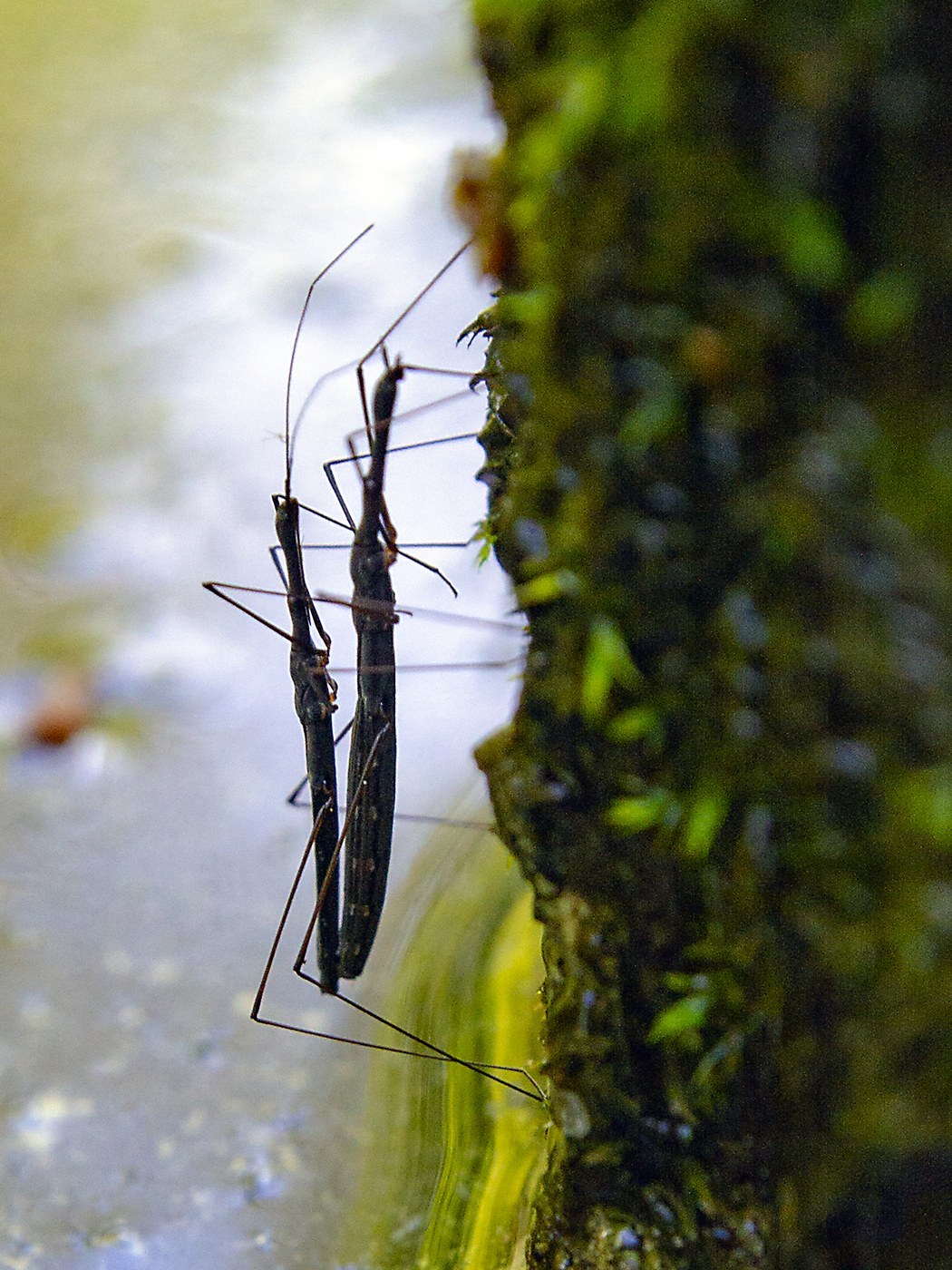
Water Measurer
Quiet edges of ponds, marshes, and slow streams
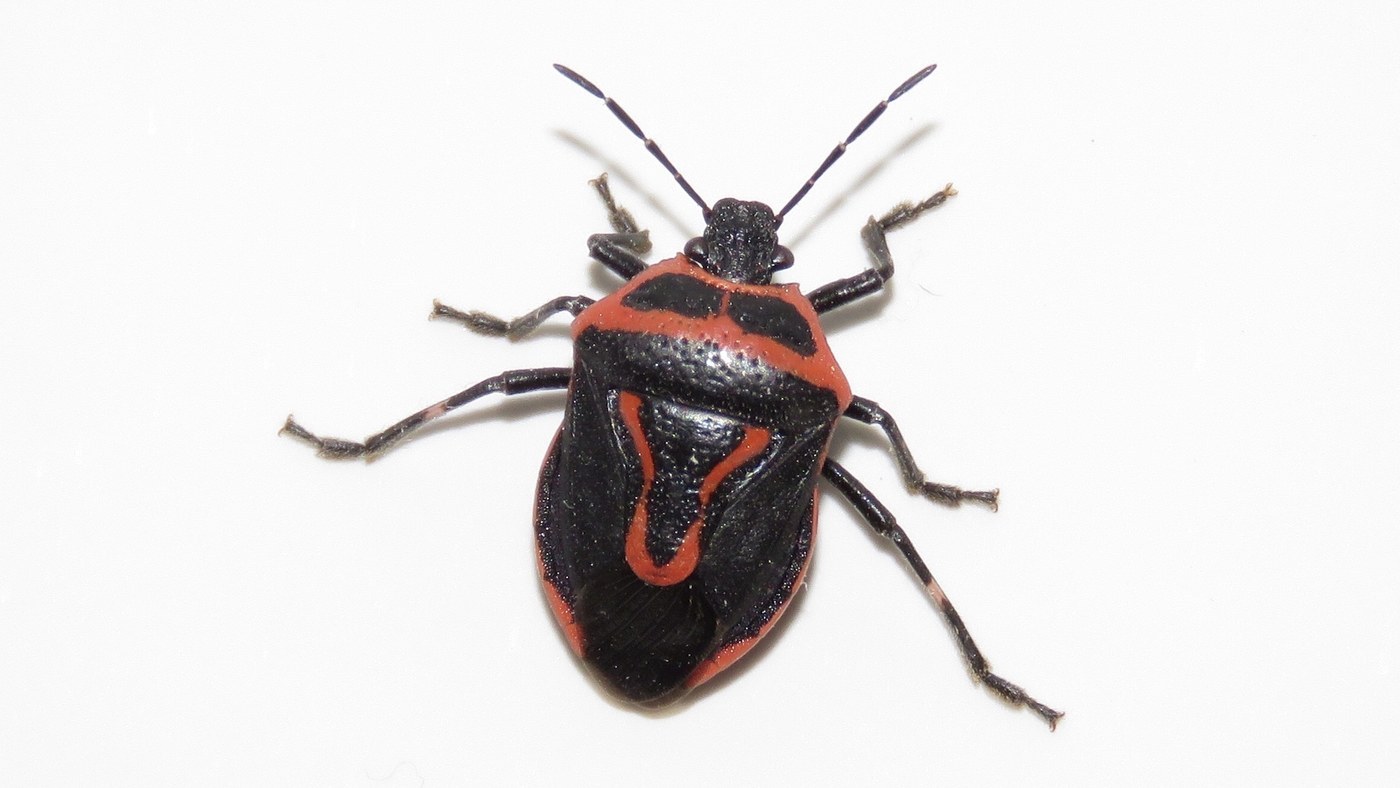
Two-Spotted Stink Bug
Gardens and fields with potato and nightshade-family plants