Cockroach Egg Case Identification Guide
Learn how to recognize a cockroach ootheca by its shape, ridged seam, and typical hiding spots.
Read the full Cockroach Egg Case encyclopedia entry →Key Visual Features
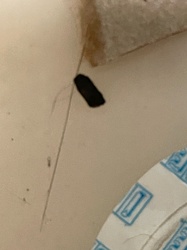
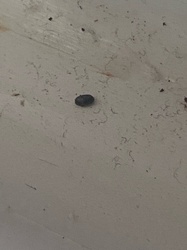
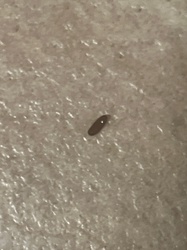
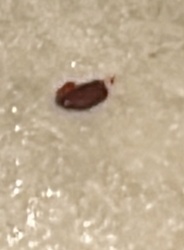
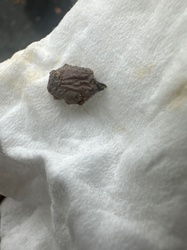
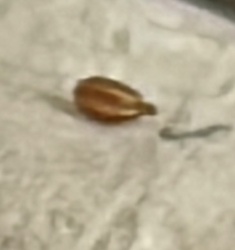
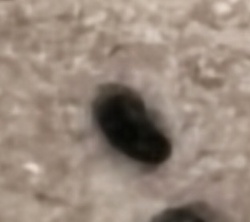
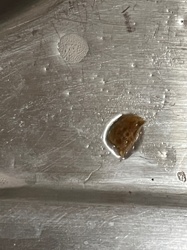
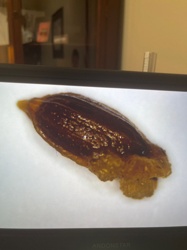
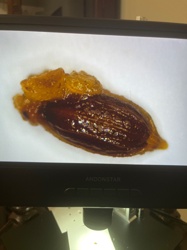
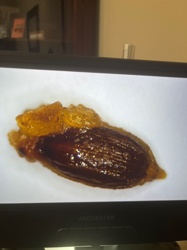
A cockroach egg case, known scientifically as an ootheca, is a hardened capsule that protects developing eggs and looks quite different from the adult insect.
- Size: Generally small, ranging from about 5 mm up to 15 mm long depending on the species that produced it.
- Shape: Typically an elongated, purse-like or bean-shaped capsule, somewhat flattened on one or both sides.
- Seam: One of the most recognizable features is a ridged, comb-like seam running along one edge, formed where the two halves of the case are joined together; this ridge often shows small evenly spaced bumps corresponding to individual egg compartments inside.
- Color: Ranges from reddish-brown to dark brown or blackish, and the case typically hardens and darkens further as it ages.
- Texture: Smooth to slightly glossy on the outer surface, firm and rigid to the touch once fully hardened.
- Carried vs. deposited: Some species carry the case protruding from the body for a time before depositing it, while others drop or glue the case to a surface soon after it forms; a case found on its own is simply the capsule after the female has released it.
Where and When You'd See It
Egg cases are typically hidden in secluded, sheltered spots such as behind furniture, inside cracks and crevices, along the underside of shelves, in cardboard, or tucked into corners of cabinets and storage areas. Because they are often glued or wedged in place, they tend to stay put once positioned. They can be found at any time of year in stable indoor environments, though production may increase in warmer months when insect activity is generally higher.
Similar-Looking Objects
- Seeds or plant debris: Some seeds can superficially resemble an ootheca in size and color, but lack the distinctive ridged seam along one edge.
- Other insect egg masses: Many other insects lay clustered, loose eggs or soft egg masses rather than a single hardened, seamed capsule, making the rigid purse shape a helpful distinguishing feature.
- Dried insect droppings or debris: Typically more irregular and crumbly in shape, without the smooth, structured capsule form of an ootheca.
Quick ID Checklist
- Small, purse- or bean-shaped hardened capsule, roughly 5-15 mm long
- Distinct ridged, comb-like seam along one edge with evenly spaced bumps
- Reddish-brown to dark brown or blackish color, smooth and rigid surface
- Found wedged or glued into cracks, crevices, or hidden corners
- Shape stays fixed and rigid, unlike loose or soft egg clusters
Frequently asked questions
What is the ridged line along one edge of a cockroach egg case?
That ridge is the seam where the two halves of the ootheca join together, and its small, evenly spaced bumps generally correspond to the individual egg compartments held inside the capsule.
How big is a typical cockroach egg case?
Sizes vary by species, but most fall somewhere between about 5 mm and 15 mm in length, with a flattened, purse-like or bean-shaped outline.
Where are cockroach egg cases usually found?
They are typically tucked into sheltered, hidden spots such as cracks, crevices, behind furniture, or inside cardboard and storage boxes, since they are often glued or wedged in place.
How can I tell an ootheca apart from a seed or piece of debris?
Look for the distinctive ridged seam running along one edge — this structured, comb-like line is unique to the egg case and isn't found on seeds or general debris.
Cockroach Egg Case identified by the community
Recent Cockroach Egg Case finds identified with Bug Identifier.