
Cockroach Egg Case
Ootheca of various Blattodea spp.
A small, purse-shaped, ridged capsule that houses dozens of developing cockroach eggs, its size, color, and shape offering telltale clues to which species produced it.
- Size
- 5–12 mm long depending on species
- Habitat
- Hidden in cracks, crevices, and debris wherever cockroaches live, worldwide
- Danger
- Harmless
Spotted a bug like this?
Identify any bug or insect from a photo, free.
Overview
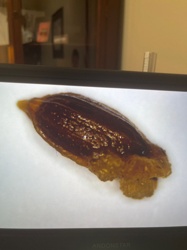
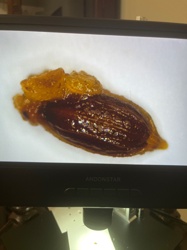
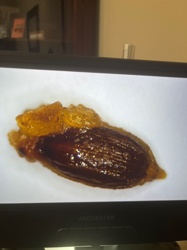
A cockroach egg case, known scientifically as an ootheca, is a hardened, protective capsule produced by a female cockroach to enclose and protect her eggs during development. Rather than laying individual eggs, female cockroaches secrete this purse- or pill-shaped structure, which encases a row of eggs arranged side by side, visible externally as a seam of fine ridges along one edge.
Different cockroach species produce oothecae that vary noticeably in size, color, texture, and how they are handled by the mother, making the egg case itself a useful identification clue. Some species, such as the German cockroach, carry the case protruding from the tip of the abdomen until just before hatching, while others, such as the American and Oriental cockroaches, deposit or glue the case in a hidden location and abandon it soon after formation.
Because oothecae are tough and somewhat resistant to drying and physical damage, they are often the most durable evidence of cockroach activity in a given space, sometimes persisting long after the eggs have hatched or after adult cockroaches have otherwise gone unnoticed.
How to Identify
- Purse- or capsule-shaped, with a distinct row of fine ridges or comb-like seam along the upper edge marking the divisions between individual eggs
- German cockroach ootheca: light tan to golden-brown, slender, about 6–9 mm long, often carried by the female until nearly ready to hatch
- American cockroach ootheca: dark reddish-brown, about 8–12 mm long, with a slightly curved, capsule shape, usually glued to a surface or dropped in a hidden spot
- Oriental cockroach ootheca: dark brown to blackish, roughly 8–10 mm long, with a somewhat blunter, more rectangular shape
- Texture is typically firm and slightly leathery, becoming harder as it dries
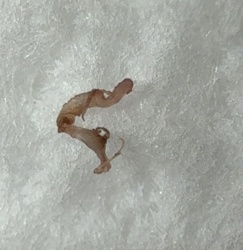
- Empty, hatched cases often remain intact with a visible split or opening along the seam where nymphs emerged
Habitat & Range
Cockroach egg cases are found wherever cockroaches themselves live, which spans nearly every inhabited region of the world given the group's broad global distribution. They are typically hidden in narrow cracks, crevices, behind baseboards, under appliances, inside cardboard or paper materials, or in other dark, undisturbed, and often warm and humid locations that offer some protection until the eggs hatch.
Behavior & Diet
The ootheca itself is an inert protective structure rather than a living, behaving organism, but the way it is produced and handled varies by species and reflects differing reproductive strategies. Some female cockroaches retain the egg case attached to their body throughout most of its development, providing ongoing protection and moisture regulation, while others deposit the case in a concealed location shortly after forming it and provide no further parental care. In either case, the hardened outer casing shields the developing eggs from drying out, physical damage, and some predators until the nymphs are ready to emerge.
Life Cycle
An ootheca is produced when a female cockroach's reproductive glands secrete a protein-rich material that hardens around a row of newly laid eggs, sealing them together in one protective unit. Depending on the species and temperature, the eggs within the case develop over a period ranging from roughly three weeks to two months. When development is complete, tiny nymphs emerge together by splitting the case along its ridged seam, appearing as small, wingless versions of the adult that will grow and molt many times over subsequent months before reaching maturity.
Frequently asked questions
What is a cockroach egg case called?
It is called an ootheca, a hardened capsule that encloses and protects a row of developing eggs.
How can I tell which species produced an egg case?
Size, color, and shape vary by species; for example, German cockroach cases are light tan and slender, while American cockroach cases are larger and dark reddish-brown.
Do all cockroaches carry their egg case the same way?
No, some species carry the case attached to their body until it is nearly ready to hatch, while others deposit or glue it in a hidden spot soon after it forms.
How long does it take for eggs in an ootheca to hatch?
Depending on the species and temperature, development typically takes anywhere from about three weeks to two months.
Cockroach Egg Case guides
In-depth guides for identifying, understanding, and living alongside Cockroach Egg Case.
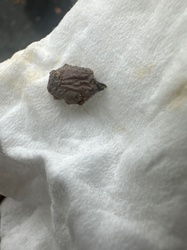
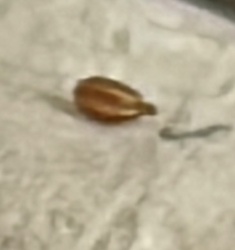
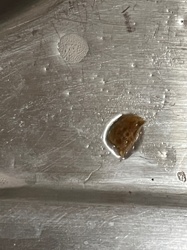
Cockroach Egg Case identified by the community
Real finds identified with Bug Identifier.
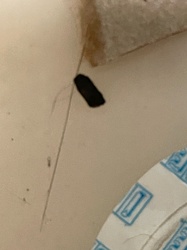
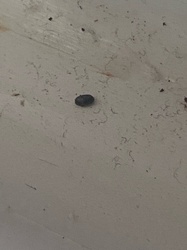
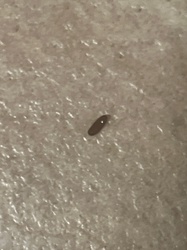
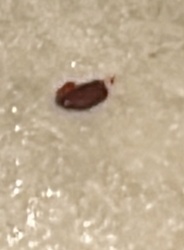
Other bugs you may enjoy
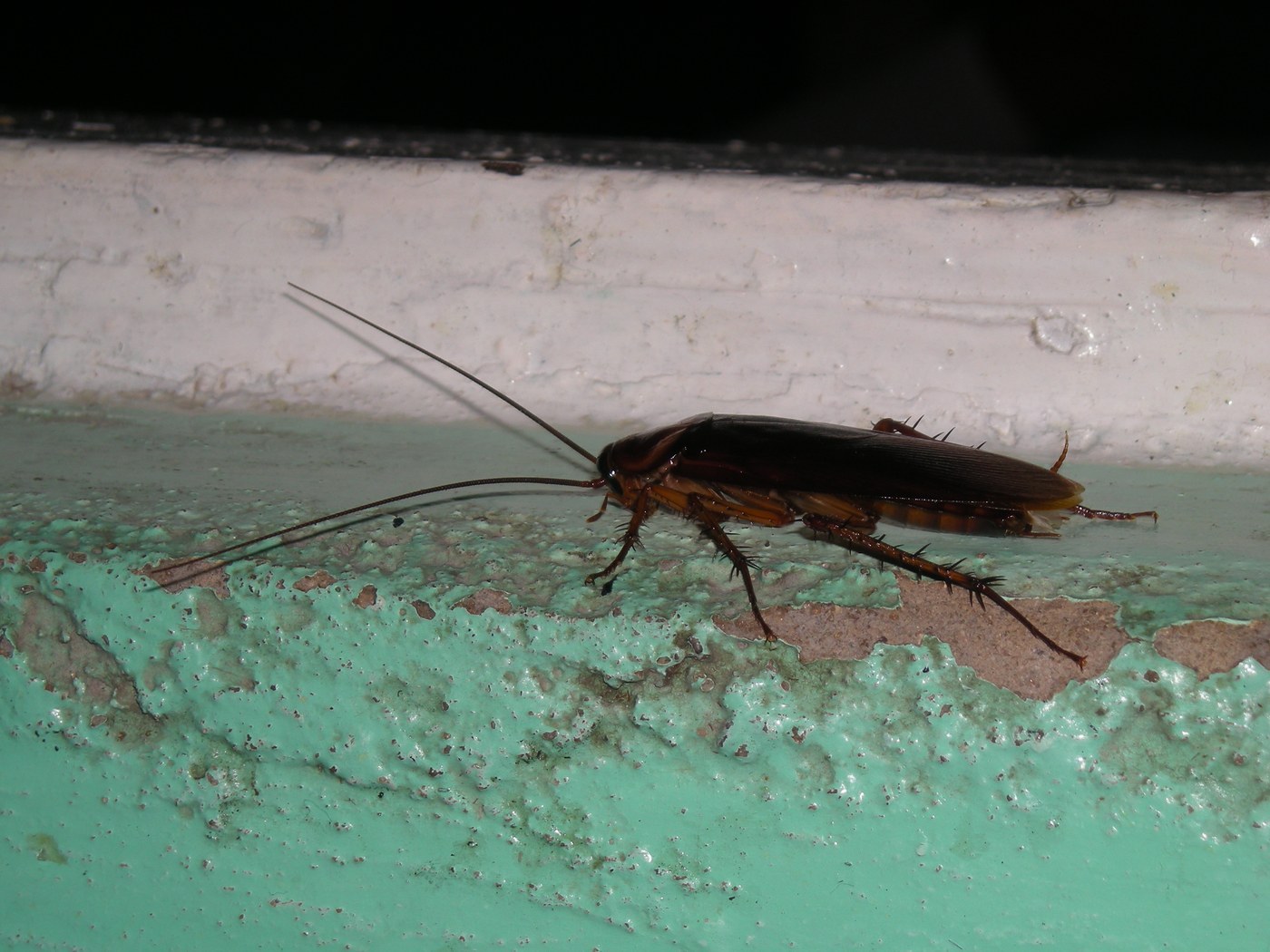
American Cockroach
Warm, humid environments such as basements, sewers, drains, and tropical outdoor settings
Thrips
Flowers, foliage, gardens, greenhouses, crop fields
American Rubyspot
Sunny rivers and streams with moderate current
Springtail
Moist soil, leaf litter, decaying organic matter, and damp indoor areas
Water Flea
Ponds, lakes, and slow streams as free-floating plankton
Water Springtail
Surface film of ponds, puddles, and slow ditches
Slug
Gardens, damp soil, leaf litter, greenhouses
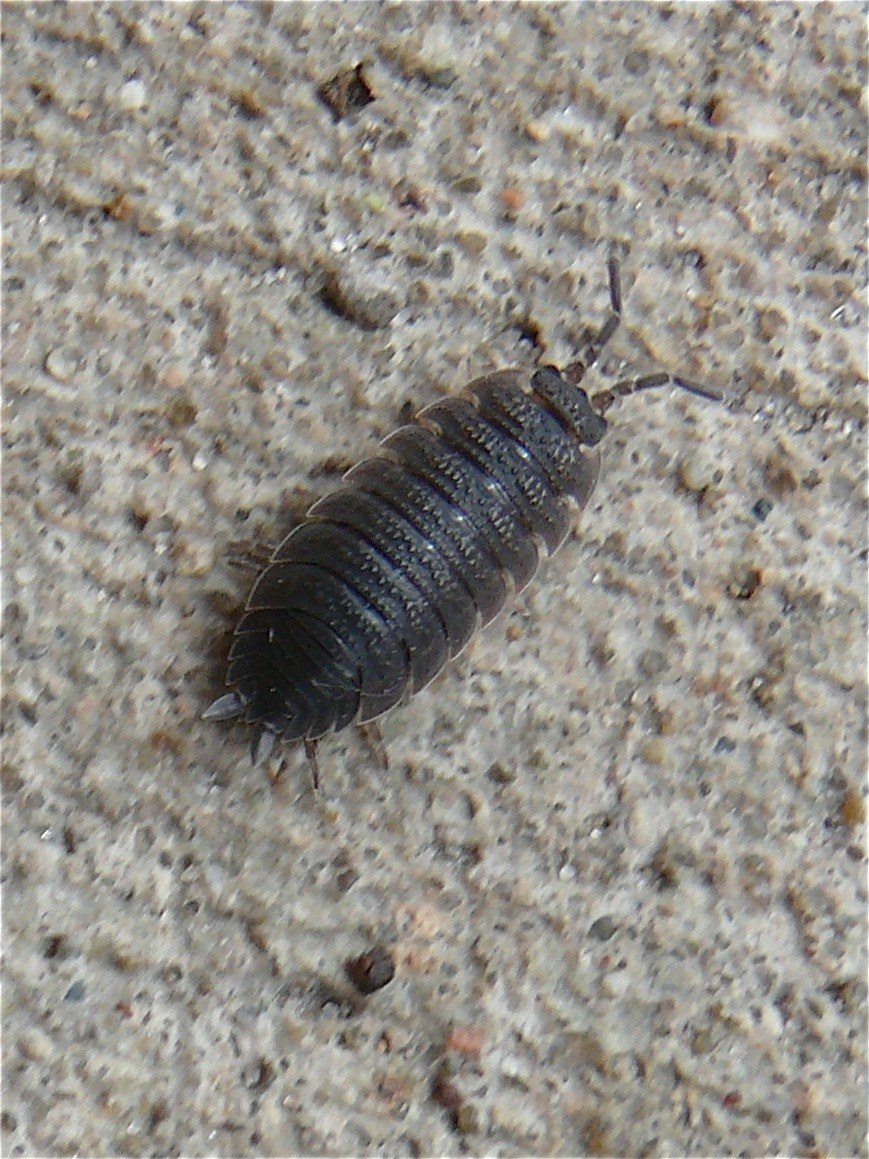
Sowbug
Leaf litter, under rocks/logs, damp garden soil, basements
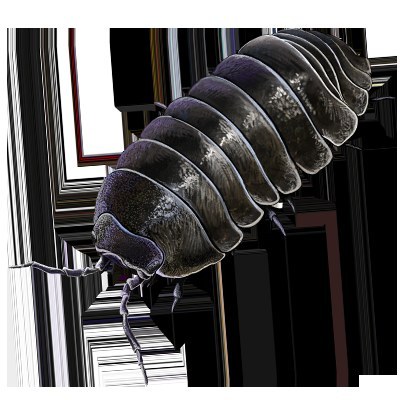
Pill Bug
Damp soil, leaf litter, under rocks and logs, garden beds
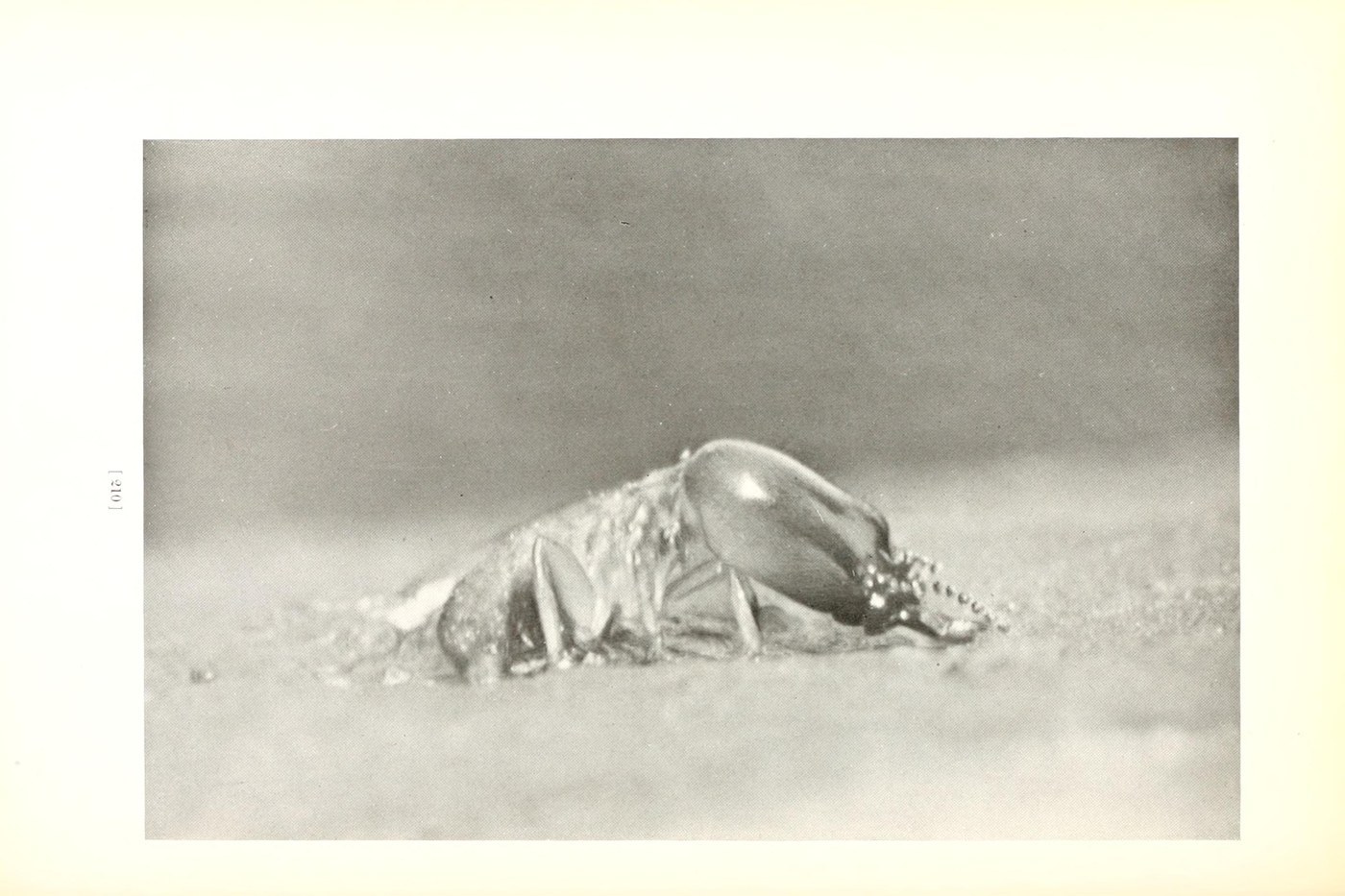
Termite
Soil, decaying wood, tree stumps, and wooden structures
Termite Swarmer
Emerges from underground or wood-nesting colonies, often near structures and moist soil
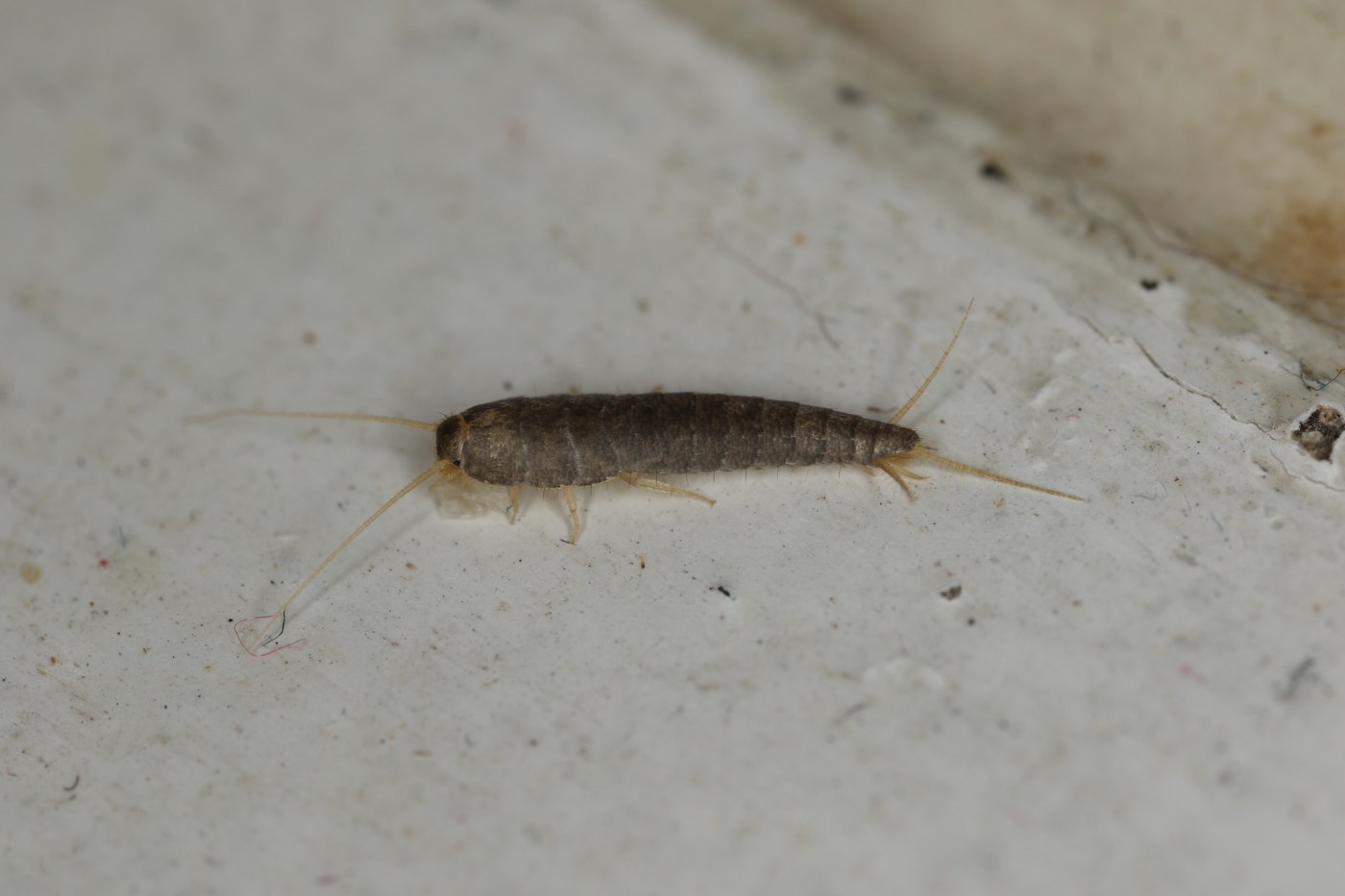
Silverfish
Damp basements, bathrooms, closets, and dark indoor crevices