Dog Tick Identification Guide
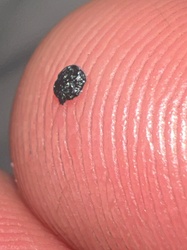
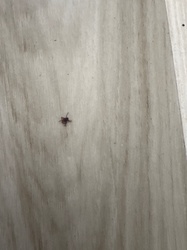
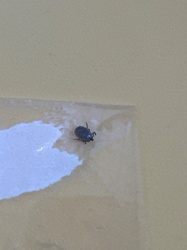
Recognize a dog tick by its flat, oval body, reddish-brown color, and ornate whitish markings on the back.
Read the full Dog Tick encyclopedia entry →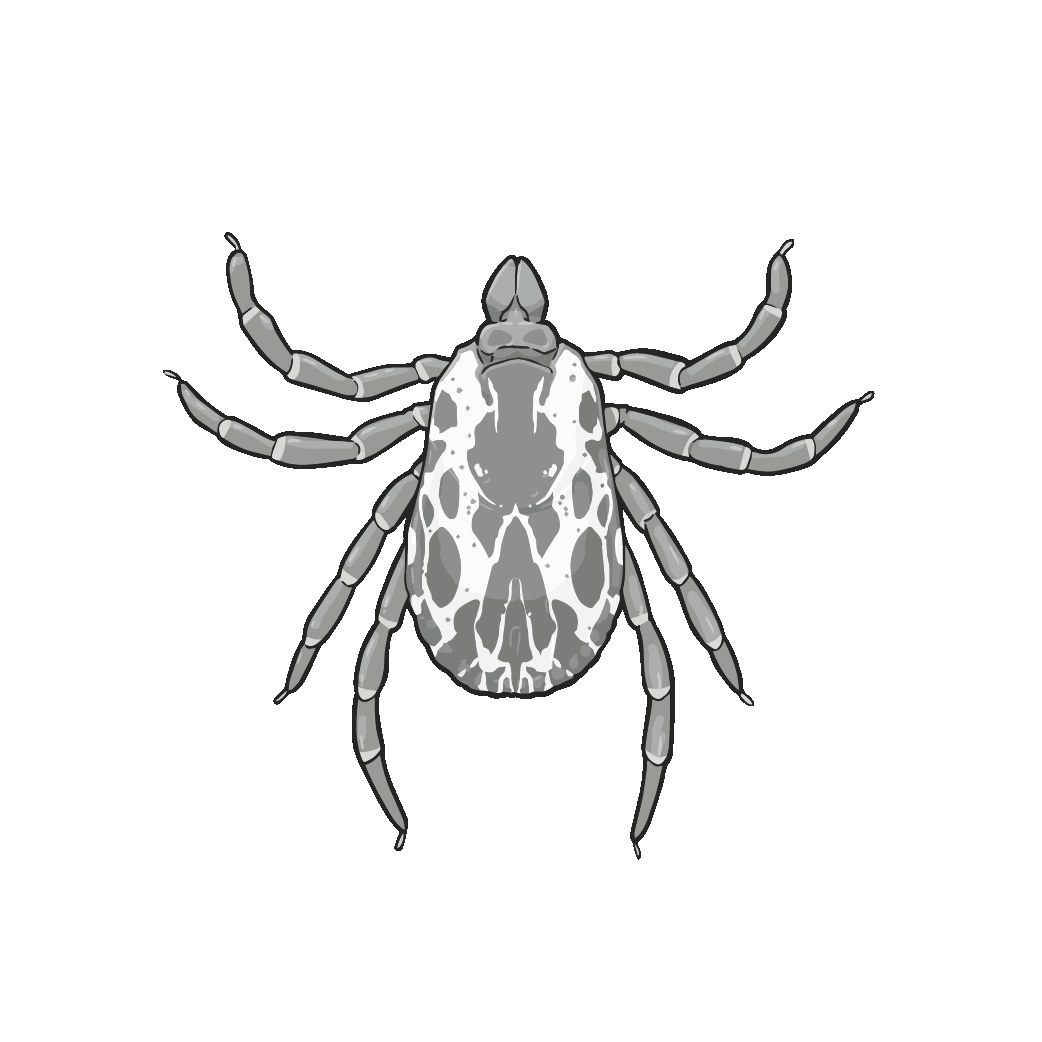
Key Visual Features
Dog ticks are a common tick species recognized by their shield-like body and distinctive surface pattern.
- Size: Unfed adults are about 3 to 5 mm long; after feeding, the body can swell significantly, sometimes to over a centimeter.
- Body shape: Flat, oval body that becomes rounded and balloon-like once engorged.
- Color: Reddish-brown base color, with females typically showing a pale grayish or off-white shield (scutum) near the head; males often have mottled white-and-brown patterning across the whole back.
- Legs: Eight legs in adults (six in the larval stage), positioned toward the front of the body.
- Mouthparts: Short, visible mouthparts at the front used for attaching to a host; no wings or antennae.
Where and When You'd See One
Dog ticks are found in grassy, brushy, and wooded areas where they wait for a host to pass by.
- Tall grass, low shrubs, trailsides, and the edges of wooded areas
- They climb onto grass or vegetation and wait with front legs extended, a behavior called questing
- Most active in warm months, typically spring through early fall, depending on climate
- Also found in and around areas where animals rest or travel frequently
Similar-Looking Bugs
- Deer ticks are noticeably smaller and darker, with a more uniformly dark reddish-brown to black body compared to the patterned shield of a dog tick.
- Lone star ticks have a single, distinct white or silvery dot on the back of the female, unlike the broader mottled shield pattern of a dog tick.
- Bed bugs are flat and oval but lack the distinct head capsule and mouthpart structure of a tick, and are typically found indoors near sleeping areas rather than outdoors in vegetation.
- Spider mites are far smaller, under 1 mm, and found on plant leaves rather than questing on vegetation for a host.
Quick ID Checklist
- Flat, oval body that becomes rounded when engorged
- Reddish-brown coloring with a pale or mottled shield pattern
- Eight legs positioned near the front of the body
- Found questing on tall grass or low vegetation
- No wings, antennae, or obvious eyes
Frequently asked questions
How can I tell a dog tick from a deer tick?
Dog ticks are generally larger with a mottled or pale shield pattern, while deer ticks are smaller and more uniformly dark reddish-brown to black.
What does an engorged dog tick look like?
After feeding, the flat oval body swells into a rounded, balloon-like shape, often becoming grayish in color.
Where are dog ticks typically found?
They wait on tall grass, low shrubs, and vegetation along trails and wooded edges in a behavior known as questing.
Do dog ticks have wings or antennae?
No, ticks have neither wings nor antennae; they have eight legs as adults and short mouthparts at the front of the body.
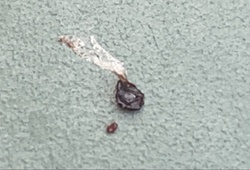
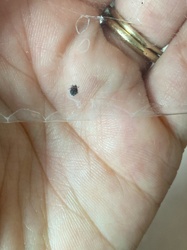
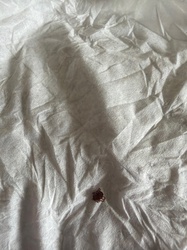
Dog Tick identified by the community
Recent Dog Tick finds identified with Bug Identifier.