
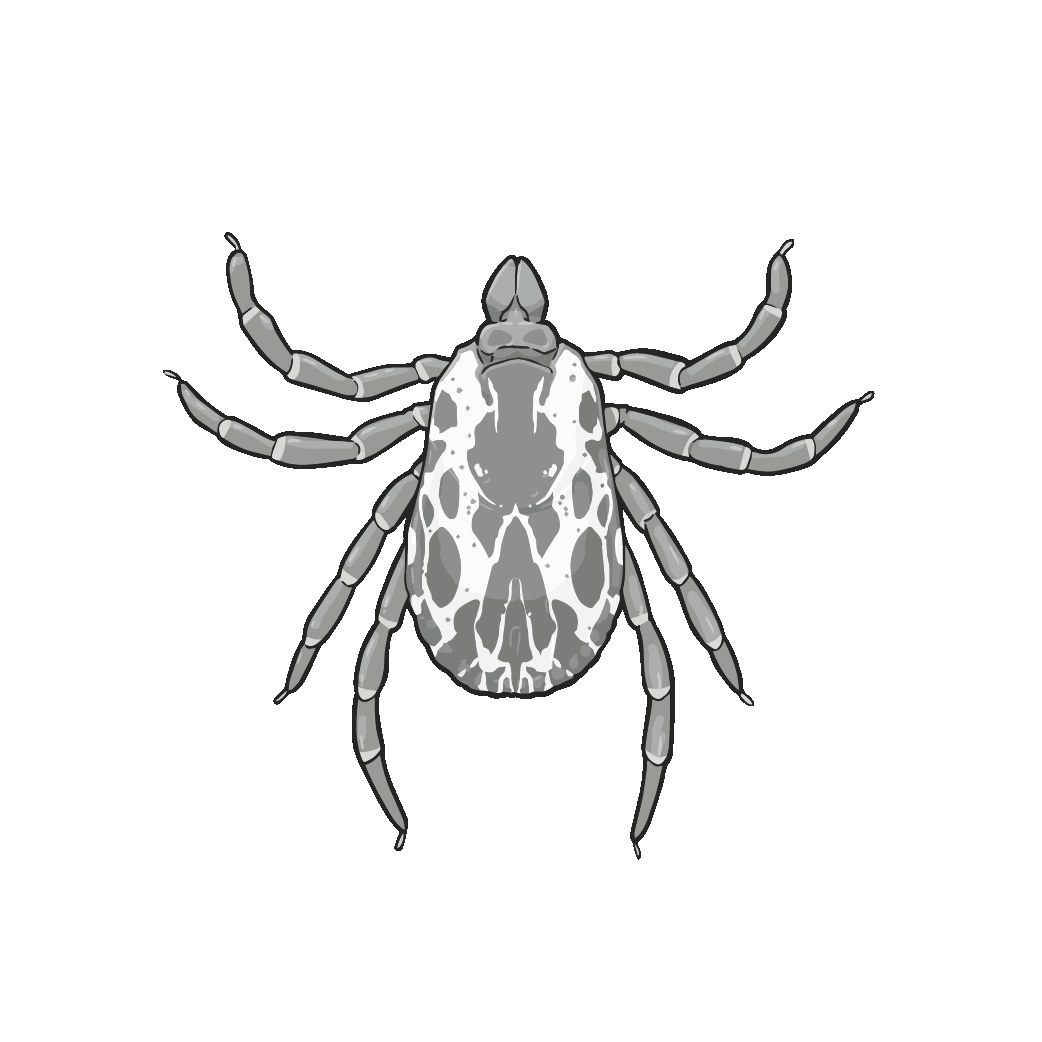
Dog Tick
Dermacentor variabilis
A flattened, oval arachnid with mottled silvery markings that waits on grass tips and low brush for a passing host to climb aboard and attach.
- Size
- 0.1-0.2 in (3-5 mm) unfed; up to 0.6 in (15 mm) engorged
- Habitat
- Grassy fields, roadsides, and low woodland edges
- Danger
- Bites
Spotted a bug like this?
Identify any bug or insect from a photo, free.
Overview
The dog tick, most familiarly represented in North America by the American dog tick, Dermacentor variabilis, is a member of the hard tick family Ixodidae, named for the tough, shield-like plate, or scutum, on its back. It is one of the most commonly encountered ticks in fields, trails, and grassy edges across much of eastern and central North America, with related Dermacentor species occurring in other parts of the world.
Unfed dog ticks have a flattened, oval, reddish-brown body, but the scutum bears a distinctive pattern of pale, silvery-white mottling that makes the species relatively easy to distinguish from other common ticks. In males, this mottled shield covers nearly the entire dorsal surface, while in females it forms a smaller shield just behind the head, with the rest of the body capable of expanding considerably as the tick feeds.
Like other hard ticks, the dog tick does not jump or fly to reach a host. Instead, it practices a behavior called questing, climbing to the tip of a blade of grass or low shrub and extending its front legs to grasp onto any suitable animal that brushes past.
How to Identify
- Flattened, oval body, reddish-brown in unfed individuals
- Distinctive pale, silvery-white mottled pattern on the scutum, the hardened shield on the back
- In males the mottled shield covers most of the back; in females it is limited to a smaller area near the head
- Eight legs as an adult (six as a larva), typical of ticks
- Body becomes greatly swollen and grayish once engorged after a lengthy blood meal
- Lookalikes include other hard tick species, but the bold silvery mottling on the scutum is a helpful distinguishing mark
Habitat & Range
Dog ticks favor open, grassy habitats such as fields, meadows, roadsides, trails, and the edges of woodlands, generally avoiding deep forest interior. They are widespread across much of the eastern and central United States and southern Canada, with populations also present along parts of the Pacific coast, and related Dermacentor species occurring in other regions of the world. Activity peaks from spring through mid-summer when temperatures and humidity favor questing behavior.
Behavior & Diet
Dog ticks are ambush parasites that locate hosts through questing, climbing onto vegetation and waving their front legs to grasp passing animals detected by movement, warmth, and carbon dioxide. Each of the three active life stages, larva, nymph, and adult, generally requires a blood meal from a host before molting to the next stage or, in adults, before egg-laying. Hosts range from small mammals for the immature stages to larger mammals for adults. Within the wider food web, ticks serve as a food source for certain birds and insects and represent one part of a complex host-parasite ecosystem.
Life Cycle
The dog tick undergoes a four-stage life cycle typical of hard ticks: egg, six-legged larva, eight-legged nymph, and adult. After hatching, larvae quest for a small host, feed, drop off, and molt into nymphs, which repeat the process on a similarly sized or larger host before molting into adults. Adults quest for a larger host, feed, and mate, with females laying a single large batch of several thousand eggs on the ground after their final blood meal. The full life cycle typically spans several months to about two years, depending on host availability and environmental conditions, with unfed ticks at any stage able to survive extended periods without feeding.
Frequently asked questions
How can I recognize an American dog tick?
Look for a flattened, reddish-brown, oval body with a pale, silvery-white mottled pattern on the shield-like scutum on its back.
How do dog ticks find a host?
Through a behavior called questing, in which the tick climbs to the tip of grass or a low shrub and extends its front legs to grasp onto a passing animal.
Where are dog ticks most commonly found?
In open, grassy habitats such as fields, meadows, roadsides, trails, and low woodland edges, mainly across eastern and central North America.
How many blood meals does a dog tick take in its life?
Three, one during each active life stage: larva, nymph, and adult, with molting or egg-laying following each meal.
Dog Tick guides
In-depth guides for identifying, understanding, and living alongside Dog Tick.
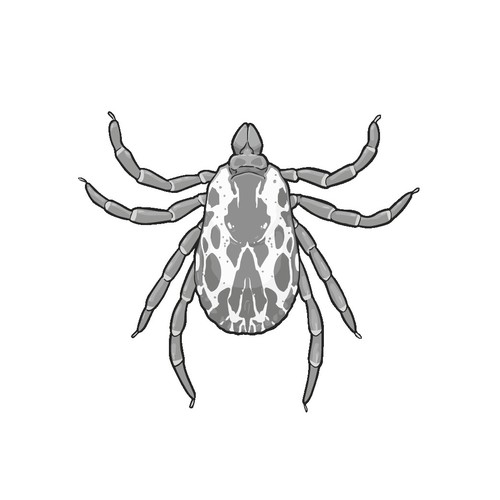
Dog Tick identified by the community
Real finds identified with Bug Identifier.





Other bugs you may enjoy
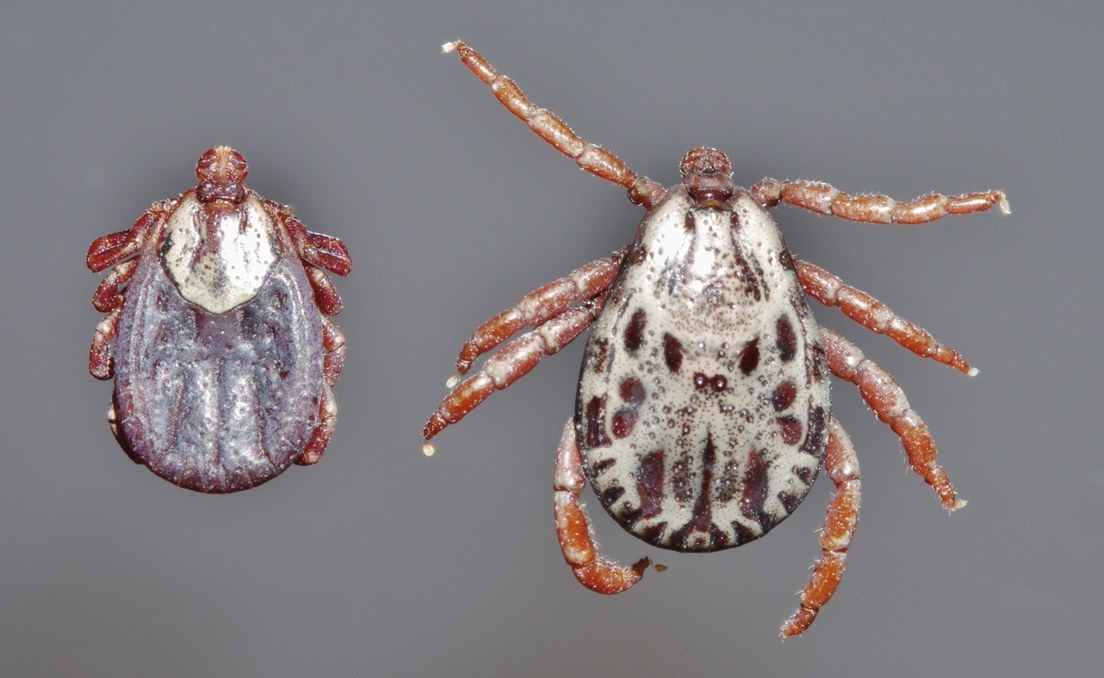
Wood Tick
Grassland, shrub-steppe, and open woodland of western North America
Yellow Scorpion
Arid scrubland, rocky slopes, and desert margins
Whip Spider
Tropical caves, rainforest leaf litter, and under bark
Water Mite
Ponds, lakes, streams, and other freshwater bodies
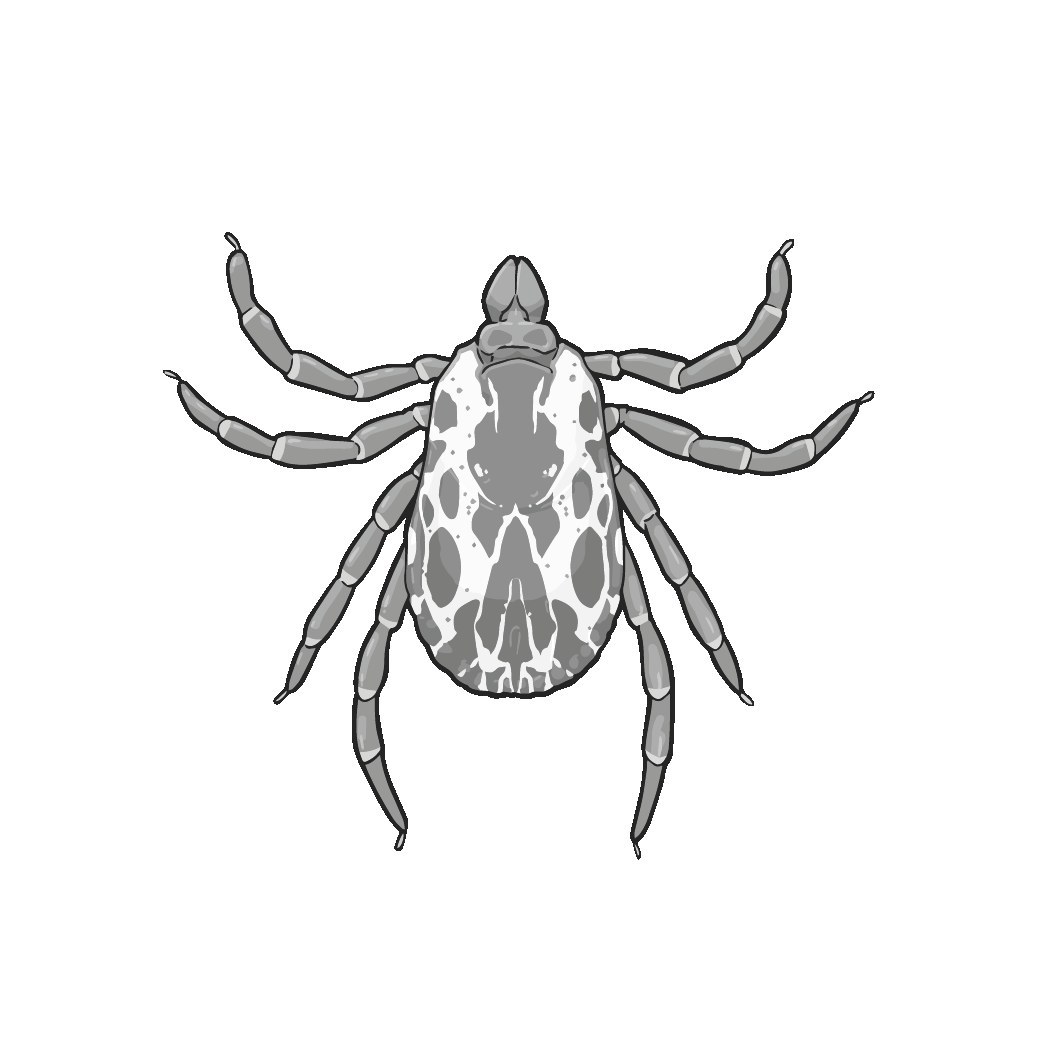
American Dog Tick
Grassy fields, trails, and low vegetation near woodlands
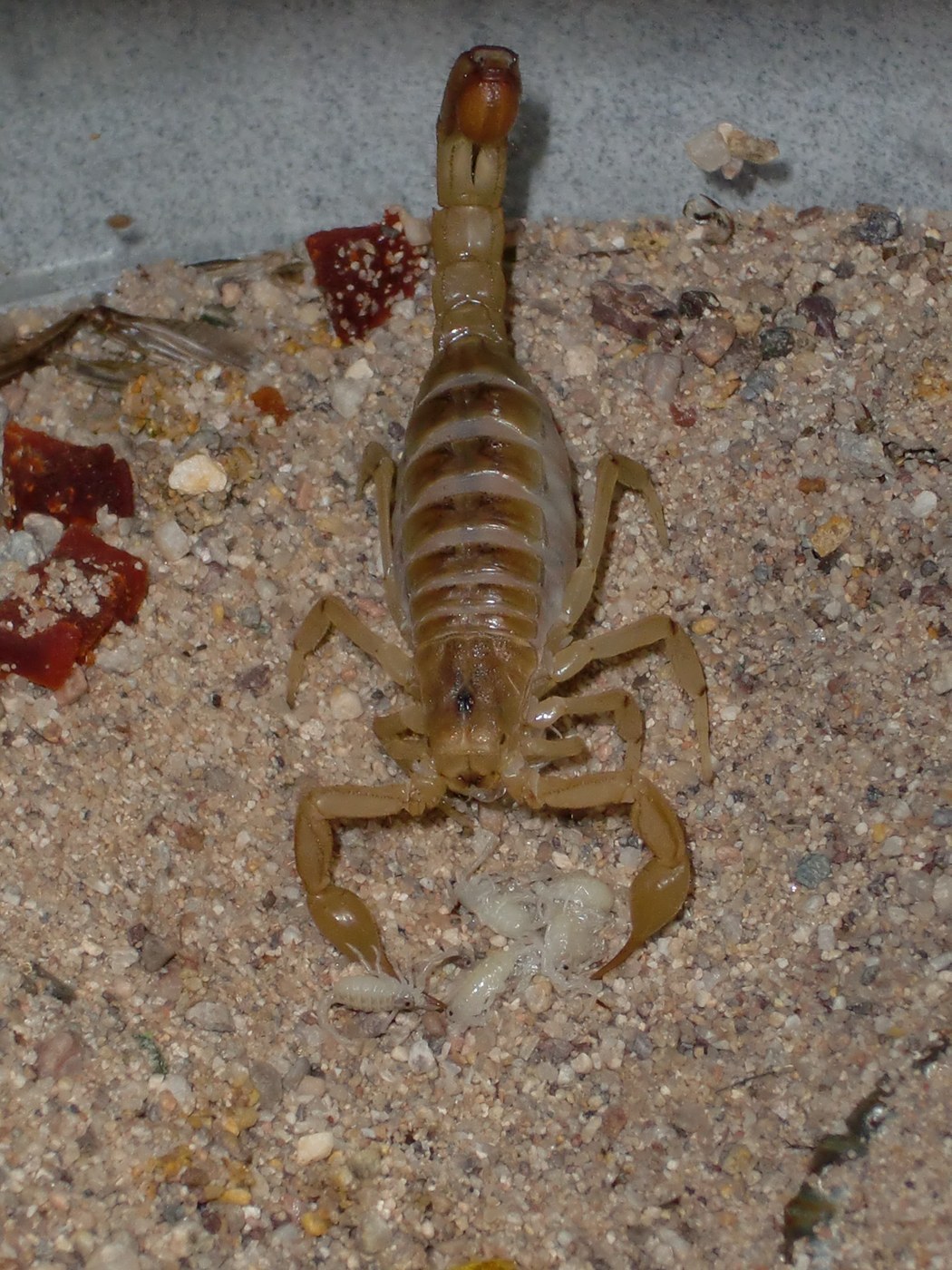
Arizona Bark Scorpion
Rocky desert terrain, tree bark, and structures in the Southwest
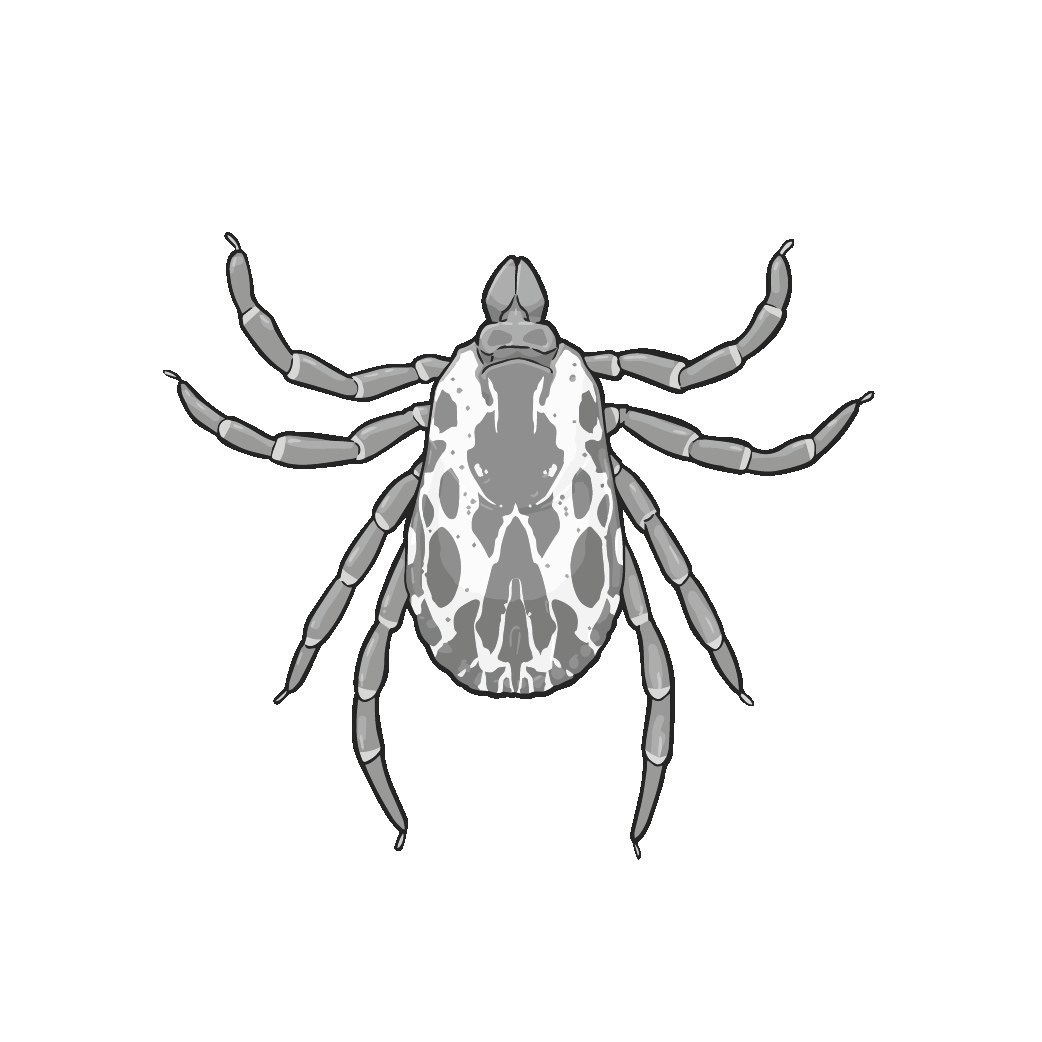
Tick
Tall grass, brush, woodland edges, and animal trails
Soil Mite
Soil, leaf litter, moss, and decaying organic matter worldwide
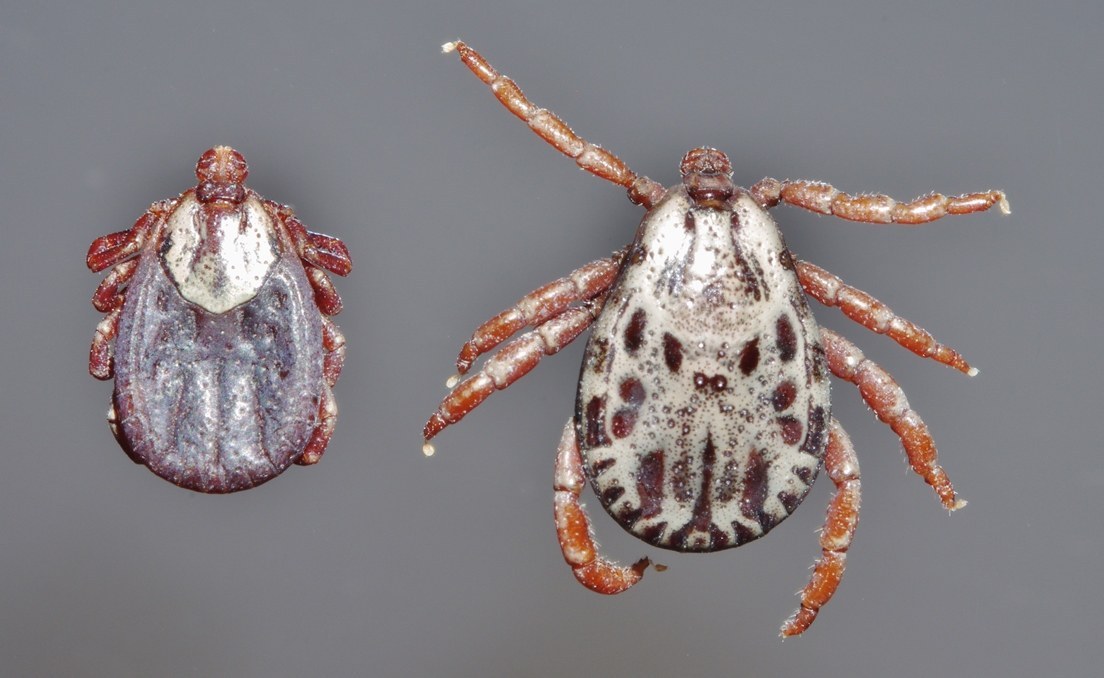
Rocky Mountain Wood Tick
Sagebrush shrublands, grasslands, and montane forest edges
Two-Spotted Spider Mite
Undersides of leaves on garden plants, crops, and houseplants
Spider Mite
Undersides of leaves on garden plants, houseplants, and field and orchard crops worldwide
Whip Scorpion
Tropical and subtropical caves, tree bark, and rock crevices worldwide